
Common Connection Types of Valves
author: ATHENA GROUP
2026-08-17
The connection type of a valve determines the assembly, sealing, and disconnection performance after it is installed on a pipeline, as well as its suitability for specific service conditions. It is a key parameter in valve selection. The main connection types include flanged, threaded, butt-welded, socket-welded, and wafer connections, each with its own application scenarios.
Flanged Connection
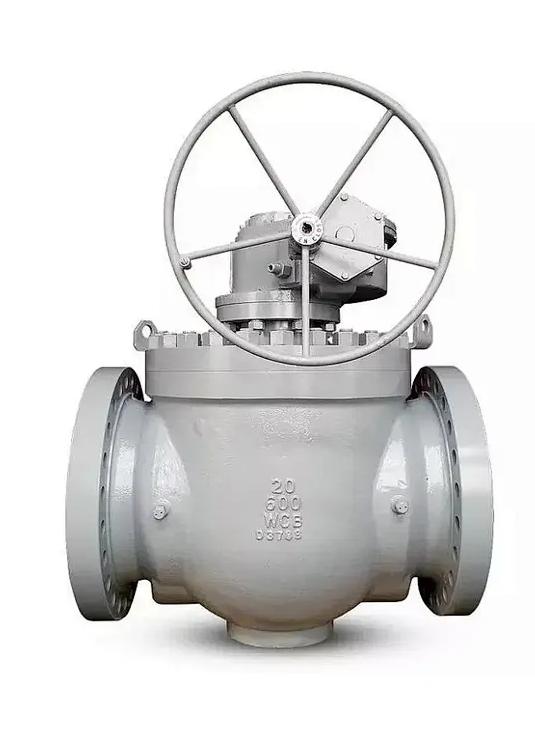
Flanged connection is the most widely used connection type in industrial piping. The valve body is equipped with flanged faces, and sealing is achieved by compressing a gasket between the valve flange and the pipeline flange using bolts. It offers easy installation and disassembly, reliable sealing performance, and is suitable for large-diameter, high-pressure, and moderate-to-high temperature applications. The majority of industrial valves with a nominal size of DN50 and above adopt flanged connections. Common flange face types include Raised Face (RF), Ring Joint (RJ), and Flat Face (FF). For high-pressure applications, RJ ring joint faces are preferred. Its drawbacks are the relatively large overall size, the need for periodic maintenance of bolts and gaskets, and the considerable installation space required.
Threaded Connection
Threaded connection, also known as screwed connection, relies on the engagement of internal and external threads to join the valve to the pipeline. It is predominantly used for small-diameter, low-pressure valves of DN50 and below, and comes in two forms: female-threaded and male-threaded. It follows standards such as NPT (American National Standard Taper Pipe Thread) and G (British Standard Pipe Thread). Installation is simple and welding is not required, making it suitable for water supply and drainage systems as well as general small-bore oil and gas pipelines. However, threaded joints are prone to corrosion and leakage, and are generally not recommended for high-pressure, high-temperature, or highly corrosive service conditions. Some screwed valves may incorporate seal welding to enhance connection reliability.

Butt-Welded Connection (BW)
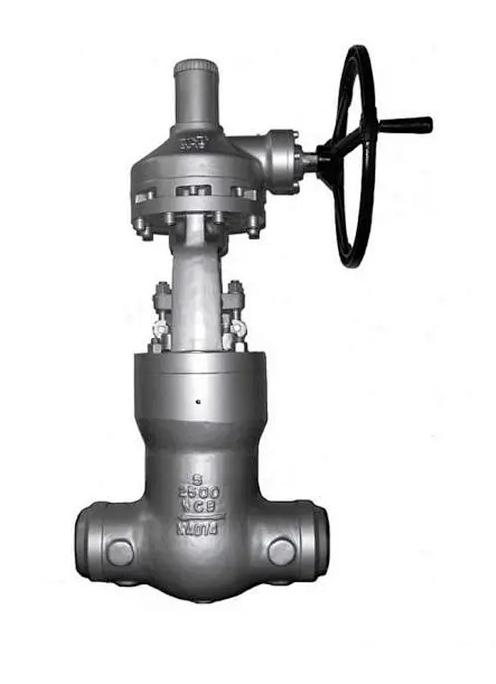
In a butt-welded connection, the beveled ends of the valve are welded directly to the pipeline, and the welded joints require non-destructive testing (NDT). This type offers high joint strength, reliable sealing, and no potential leakage points. It is widely used in petrochemical and power plant process piping that transports high-temperature, high-pressure, or flammable and explosive media, and is commonly applied to large-diameter, thick-wall valves. The downside is that disassembly is difficult — maintenance requires cutting the weld — and the welding process demands are stringent, resulting in higher on-site construction costs.
Socket-Welded Connection (SW)
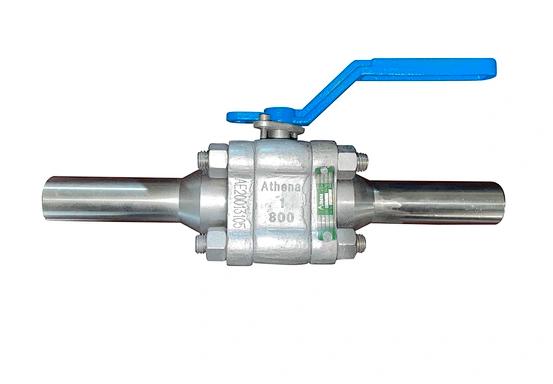
In a socket-welded connection, the pipe is inserted into the valve socket and joined by a fillet weld. It is mainly used for small-diameter, thick-wall piping of DN40 and below. Assembly is convenient, and the fillet weld helps prevent direct media erosion on the weld root. It is suitable for high-temperature, high-pressure, small-bore applications. However, the internal gap within the socket can trap media, so caution is advised when selecting this connection type for corrosive service.
Wafer Connection
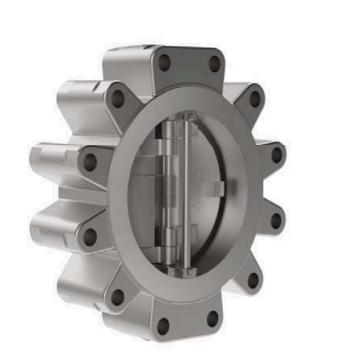
Wafer-type installation is commonly used for butterfly valves. The valve is clamped between two pipeline flanges, and long through-bolts pass through both flanges to hold the valve in place. It features a compact structure, light weight, low cost, and minimal installation space. The valve cannot independently support the weight of the pipeline. During maintenance, if the flanges on both sides are separated, the valve will drop out. It is mostly used in moderate-to-low pressure applications.

Lug Connection
Also known as lugged connection, the valve body is cast with lugs that have internal threads. Stud bolts are screwed directly into the threaded lugs, eliminating the need for long through-bolts. This allows one side of the pipeline to be disconnected independently without loosening the flange on the other side, making maintenance more convenient. Lug-type valves can bear partial pipeline weight and are widely used for butterfly valves in water treatment and industrial systems.
Connection type selection shall comprehensively take into account nominal size, pressure
temperature rating, medium corrosiveness and on
site maintenance requirements, to balance operational safety and long
term serviceability.
 How Does a Ball Type Check Valve Prevent Pipeline Medium Backflow?
  Selection and Precautions for Natural Gas Valves
  Athena Engineering S.R.L Wraps‑up OGA 2026 Kuala Lumpur
  What is a Gate Valve? What is Its Working Principle?
  T-Type / T-Pattern / Straight Pattern Globe Valve
  Knife Gate Valve vs Wedge Gate Valve: Which Is Better for Your Industrial Piping?
  Cryogenic Ball Valve Comprehensive Product Overview
  Causes and Treatments for Poor Valve Shut‑Off
  Athena Triple Offset Butterfly Valves
  What is the Difference Between Swing Check Valve and NRV? A Complete Explanation
  5 Piping Design Mistakes That Are Killing Your Valves
  Float Valve: Structure, Principle and Application
  High Pressure Needle Valve High-Precision Fluid Control Valve
  What is a Piston Check Valve?
  Meet Us at OGA 2026 | Booth 6802, Hall 6
  What is a Level Gauge? Working Principles, Types and Industrial Applications
 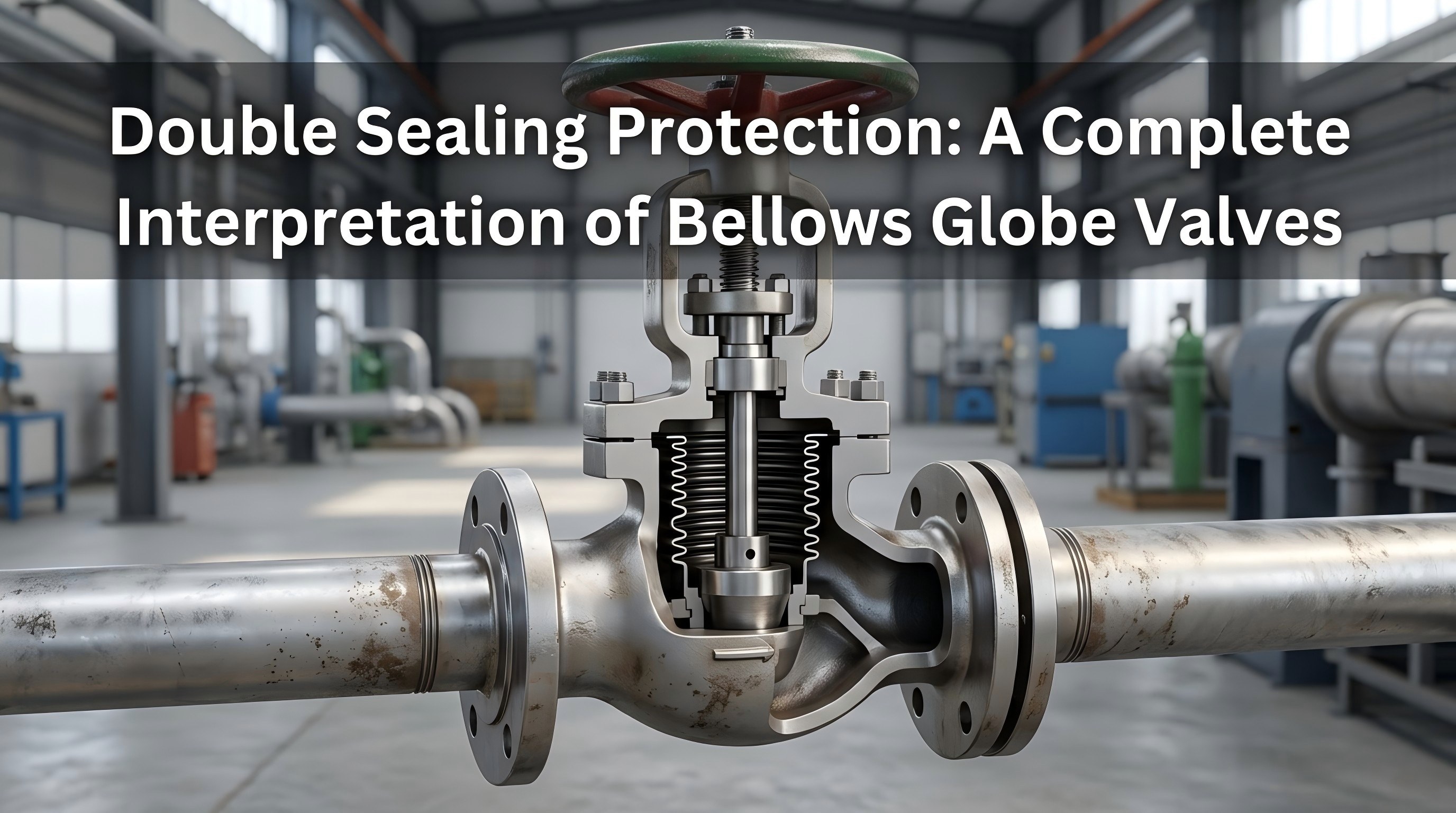 Double Sealing Protection: A Complete Interpretation of Bellows Globe Valves
  End-Suction Pump vs Inline Pumps: Which One Is Right for You?
  Method of Selecting Valve Types Based on Throttling Degree
  Safety Valves–Core Protection for Pressure Equipment