
Causes and Treatments for Poor Valve Shut‑Off
author: ATHENA GROUP
2026-08-27
Valve internal leakage is one of the most common equipment failures in industrial production. In mild cases, it results in medium waste and reduced efficiency; in severe cases, it may trigger safety accidents. Combining valve structural principles with field operating conditions, Athenavalve sorts out the core causes of poor valve shut‑off, and provides standardized corrective measures, maintenance plans and safety precautions for reference by operation and maintenance personnel.

I. Common Causes of Poor Valve Shut‑Off
Based on field operation and maintenance experience, failures such as poor valve shut‑off and internal leakage are no longer limited to four traditional types of problems. Key inducing factors including medium crystallization and operating‑condition incompatibility are added. Core failure causes fall into five categories, covering failures in the vast majority of industrial scenarios.
1.1 Jamming of Sealing Surfaces by Pipeline Impurities
This is the leading cause of temporary valve internal leakage. Solid particles, welding slag, rust, sand and various chemical precipitates contained in pipeline media readily settle at the valve body bottom or get trapped between the sealing surfaces of the valve disc and valve seat, forming tiny gaps and preventing tight fitting of sealing surfaces. This failure occurs frequently in newly commissioned pipelines, aged pipelines, and chemical or sewage systems with poor medium cleanliness. Even if the valve performs a full closing action, the medium continues to leak.
1.2 Blockage from Medium Crystallization or Low‑Temperature Solidification
This is a high‑frequency failure under special operating conditions. When pipeline media contain salt substances, high‑viscosity colloids and other crystallization‑prone components, or when equipment operates in low‑temperature environments, media may crystallize or solidify. Hard crystalline substances firmly adhere to valve sealing surfaces and internal flow passages, directly impairing sealing‑fit accuracy and preventing complete valve shut‑off. It is a common leakage cause specific to chemical and heating pipelines.
1.3 Wear and Damage Failure of Sealing Surfaces
Sealing surfaces are core components for tight valve sealing. Two types of damage tend to occur during long‑term operation. First, corrosive wear: long‑term exposure of metallic sealing surfaces to acid‑base and corrosive media, together with frequent opening‑closing friction, generates oxide layers, dents and grooves. Soft‑seal materials such as rubber and PTFE age and deform, completely losing sealing capacity. Second, hard‑object scratching: hard particles in media scour sealing surfaces at high velocity along with high‑pressure fluid, causing irreversible scratches and local damage that create permanent leakage risks which cannot be remedied by simple valve closing.
1.4 Abnormality of Mechanical Transmission and Connection Mechanisms
Valves complete opening‑closing actions via valve stems, transmission components and actuators. Mechanical failures constitute core inducing factors for persistent internal leakage. Common problems include: loose or fallen‑off connecting bolts between valve stem and valve disc, which cause offset and misalignment of the valve disc so it cannot close centrically against the valve seat; long‑term damp rusting and fouling jamming of valve‑stem threads, leading to incomplete valve closure; insufficient torque, travel deviation of electric and pneumatic actuators, as well as wear of transmission gears, valve‑stem nuts and other fittings, which all result in inadequate compression of sealing surfaces and persistent gap leakage.
1.5 Improper Operation and Natural Equipment Ageing
Forcibly closing valves by brute manual force directly crushes sealing surfaces, while incomplete closure from improper operation leaves hidden leakage risks. Meanwhile, prolonged idle standing of valves accelerates hardening and elastic failure of sealing elements. Long‑term pipeline vibration and pressure fluctuations loosen valve‑body connection structures. Over time, overall valve sealing performance degrades, giving rise to regular poor shut‑off.

II. Targeted Treatments for Poor Valve Shut‑Off
For internal‑leakage failures stemming from different causes, follow the principle of “preliminary simple troubleshooting, targeted repair, and finally systematic maintenance” to avoid blind disassembly and equipment replacement, and resolve leakage failures with low cost and high efficiency.
2.1 Emergency Preliminary Troubleshooting and Simple Treatment
First rule out human‑operation failures. Check whether valve handwheels and electric/pneumatic actuators are fully home and locked, eliminating pseudo‑leakage caused by incomplete operation. If impurity jamming is suspected, open and close the valve repeatedly 2‑3 times, and use fluid impact force to wash away impurities on sealing surfaces. For manual valves, tap the valve body gently to assist dislodging trapped debris, rapidly resolving minor jamming‑caused leakage.
2.2 Targeted Repair Schemes for Various Failures
(1) Treatment for Impurity‑Jamming Failures
If simple opening‑closing flushing yields no effect, shut down equipment, release pressure, then disassemble the valve. Thoroughly clear residual impurities inside the valve‑body cavity, on sealing surfaces and within pipeline flow passages, and rinse and wipe clean with purified water or kerosene. After repair completion, install filters on upstream pipelines of valves and clean filter cartridges regularly to block impurities at source and prevent secondary jamming failures.
(2) Treatment for Medium‑Crystallization and Solidification Failures
For pipelines carrying crystallization‑prone and high‑viscosity media, adopt steam tracing or electric‑tracing heat preservation in daily service to maintain medium flow temperature and prevent crystallization and solidification. If crystalline substances have adhered to sealing surfaces, thoroughly flush the valve body and sealing surfaces with hot water or steam to fully remove crystalline residues. Test opening‑closing and sealing performance after components are dry.
(3) Repair of Damaged Sealing Surfaces
For slight scratches and minor wear on sealing surfaces, disassemble sealing pairs and perform precision lapping and polishing with dedicated lapping abrasive, restoring surface roughness to the industrial standard Ra ≤1.6 μm to recover sealing flatness. In case of extensive corrosion, penetrating scratches or severe deformation of sealing surfaces, send the valve back to factory for surfacing welding and turning repair, or replace sealing pairs with brand‑new ones. Replace severely damaged valves as a whole. For aged and cracked soft‑seal components, fit brand‑new corrosion‑resistant and wear‑resistant accessories matching medium characteristics.
(4) Repair of Mechanical‑Transmission Failures
Fully inspect connection structures between valve stems and valve discs, fasten loose bolts, and replace worn and failed accessories such as gears and valve‑stem nuts. For rust‑jammed valve‑stem threads, apply molybdenum‑disulfide grease or graphite powder, and debug repeated opening‑closing until smooth operation. Replace heavily corroded ordinary valve stems with stainless‑steel alternatives to enhance corrosion resistance. Meanwhile, adjust torque and travel parameters of automatic‑valve actuators to ensure accurate centric closure of valve discs.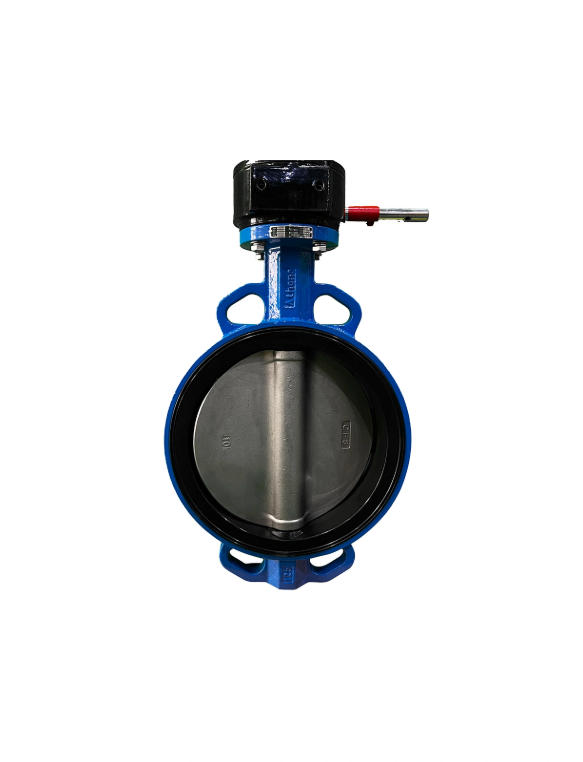
2.3 Suggestions for Long‑Term Systematic Maintenance
To prevent recurring failures, establish a standardized valve maintenance system. First, build equipment maintenance ledgers, and inspect sealing‑surface wear, valve‑stem lubrication and component fastening quarterly. Second, monitor medium cleanliness and composition in real time, and shorten cleaning and maintenance cycles for high‑impurity and high‑corrosion systems. Third, stock spare vulnerable parts including sealing pairs, valve stems and sealing rings to enable rapid troubleshooting and repair. Fourth, match valve material and model with operating conditions, avoid long‑term operation under high‑pressure‑difference service, and reduce scouring wear of sealing surfaces.
III. Safety Precautions for Valve Maintenance
All valve‑fault treatments must comply strictly with safety specifications to mitigate maintenance risks. First, fully release pipeline pressure before maintenance and disassembly. Never disassemble high‑pressure valves under pressure to prevent injury from medium jetting. Second, when maintaining electric, pneumatic and other automatic valves, cut off power and air sources in advance and switch to manual mode to avert safety accidents from unintended equipment actuation. Third, if leakage persists after on‑site in‑house maintenance, do not open‑close valves by brute force or perform forced disassembly. Promptly engage professional maintenance teams or manufacturer technicians to prevent failure escalation.
Frequently‑Asked Questions
**Q1: Can a valve with poor shut‑off remain in service?**
A: Regulating valves with trace compliant leakage meeting industrial standards may keep running. However, abnormal internal leakage exceeding standards and zero‑seal failure of shut‑off valves call for immediate shutdown and maintenance. Long‑term operation under faulty conditions may cause equipment corrosion, pressure imbalance, even medium spillage and safety accidents.
A: Regulating valves with trace compliant leakage meeting industrial standards may keep running. However, abnormal internal leakage exceeding standards and zero‑seal failure of shut‑off valves call for immediate shutdown and maintenance. Long‑term operation under faulty conditions may cause equipment corrosion, pressure imbalance, even medium spillage and safety accidents.
**Q2: Why does leakage persist after repeated valve opening and closing?**
A: Such conditions largely rule out temporary impurity jamming. They mostly result from structural problems including permanent wear‑corrosion of sealing surfaces, valve‑stem transmission misalignment and actuator‑travel faults, which cannot be fixed by simple opening‑closing. Disassembly inspection, sealing‑surface lapping or component replacement are mandatory.
A: Such conditions largely rule out temporary impurity jamming. They mostly result from structural problems including permanent wear‑corrosion of sealing surfaces, valve‑stem transmission misalignment and actuator‑travel faults, which cannot be fixed by simple opening‑closing. Disassembly inspection, sealing‑surface lapping or component replacement are mandatory.
Summary
The core inducing factors for poor valve shut‑off and pipeline internal leakage fall into five categories: impurity jamming, medium crystallization, sealing‑surface damage, mechanical failures and improper‑operation‑related ageing, covering common issues under conventional and special chemical operating conditions. During operation and maintenance, follow the full‑process management logic of “preliminary troubleshooting, targeted repair, systematic maintenance and safe operation”. Leakage failures can then be resolved efficiently. Standardized maintenance and standardized operation can reduce failure recurrence rates, extend equipment service life and guarantee safe and stable operation of pipeline systems.
For more professional information on valve selection, maintenance or fault troubleshooting, please visit our official website [www.athenavalve.com](//www.athenavalve.com) or email SALES@ATHENAVALVE.COM to get in touch with us.
 How Does a Ball Type Check Valve Prevent Pipeline Medium Backflow?
  Selection and Precautions for Natural Gas Valves
  Athena Engineering S.R.L Wraps‑up OGA 2026 Kuala Lumpur
  What is a Gate Valve? What is Its Working Principle?
  T-Type / T-Pattern / Straight Pattern Globe Valve
  Knife Gate Valve vs Wedge Gate Valve: Which Is Better for Your Industrial Piping?
  Cryogenic Ball Valve Comprehensive Product Overview
  Athena Triple Offset Butterfly Valves
  What is the Difference Between Swing Check Valve and NRV? A Complete Explanation
  Common Connection Types of Valves
  5 Piping Design Mistakes That Are Killing Your Valves
  Float Valve: Structure, Principle and Application
  High Pressure Needle Valve High-Precision Fluid Control Valve
  What is a Piston Check Valve?
  Meet Us at OGA 2026 | Booth 6802, Hall 6
  What is a Level Gauge? Working Principles, Types and Industrial Applications
  Double Sealing Protection: A Complete Interpretation of Bellows Globe Valves
  End-Suction Pump vs Inline Pumps: Which One Is Right for You?
  Method of Selecting Valve Types Based on Throttling Degree
  Safety Valves–Core Protection for Pressure Equipment