
Pressure Seal Type Gate Valve for High-Pressure High-Temperature Industrial Isolation
author: ATHENA GROUP
2026-10-12
Pressure Seal Type Gate Valve is design for extreme working conditions and rigorous industrial isolation requirements, the Athena Pressure Seal Type Gate Valve stands out as a high-performance pipeline control solution optimized for high-pressure and high-temperature service scenarios. Engineered in strict compliance with API, BS and ASME B16.34 international standards, this series of gate valves has accumulated long-term reliable operation experience in global thermal power, nuclear power, petrochemical and oil & gas industries, becoming a preferred isolation valve for harsh industrial pipeline systems.
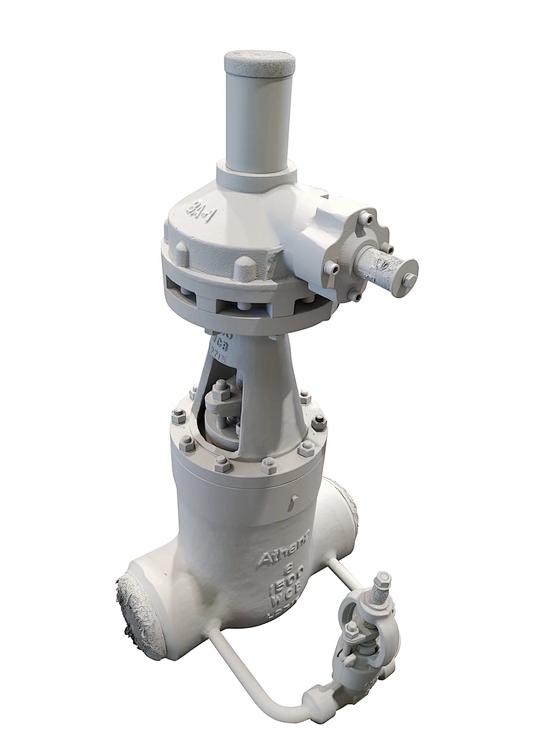
Advanced Structural Design
The Athena pressure seal gate valve adopts an integrated cast steel body structure with high structural rigidity and pressure resistance. Different from conventional bolted bonnet gate valves, it features a unique pressure self-sealing body-bonnet joint structure without bulky bonnet bolts. The precision-machined wedge seal ring is embedded between the valve body and bonnet, forming a compact and stable sealing assembly. The internal flow channel adopts a straight-through design, ensuring minimal flow resistance and no medium retention when fully open, while the optimized gate and seat matching structure guarantees stable linear switching performance. Its streamlined and compact overall structure effectively reduces overall weight and installation space compared with traditional high-pressure gate valves.
Core Product Characteristics
The most distinctive feature of the Athena pressure seal type gate valve is its pressure-enhanced self-sealing performance. As the internal pipeline pressure increases, the medium pressure will automatically push the bonnet and compress the sealing ring tightly, further strengthening the tightness of the body-bonnet joint. This unique self-energizing sealing mechanism enables the valve to achieve zero leakage (ISO 5208 Class A) under ultra-high pressure conditions, completely solving the leakage pain point of conventional gate valves under rising pressure.
In terms of durability and environmental adaptability, the valve is constructed of high-quality cast steel and alloy steel materials, with sealing surfaces overlaid with high-performance wear-resistant and high-temperature resistant alloys. It can stably operate under extreme high-temperature and high-pressure working conditions, resisting medium erosion, thermal deformation and pressure impact. With years of field verification in global conventional thermal power and nuclear power plants, the valve boasts excellent operational stability, low failure rate and long service life. In addition, the valve structure allows slight flexible deformation of the sealing surface, compensating for machining errors and assembly deviations, and further improving sealing reliability and operational stability.
Diversified Application Scenarios
Tailored for harsh industrial working conditions, the Athena pressure seal gate valve is widely applicable to high-pressure and high-temperature industrial systems. It is universally suitable for conventional mediums including steam, condensate and boiler feedwater, and performs excellently in high-temperature hydrocarbon and petrochemical processing environments. Its core application fields cover petrochemical processing plants, power station steam circulation circuits, boiler circulation systems, as well as oil and gas exploitation and transmission pipelines. Whether in continuous operation of power equipment or harsh corrosive petrochemical production environments, the valve can maintain stable isolation and flow control performance.
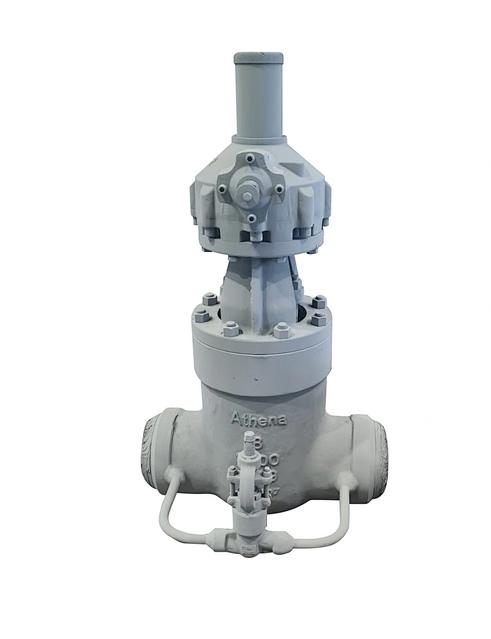
Advantages Over Ordinary Conventional Gate Valves
Compared with ordinary bolted bonnet gate valves and low-pressure cast iron gate valves, the Athena pressure self-sealing gate valve shows comprehensive performance advantages in extreme working conditions. Firstly, ordinary gate valves rely on bolt pre-tightening force for sealing, and the sealing performance will decline with the increase of internal pressure, prone to leakage and bolt loosening; while the Athena pressure seal structure realizes active pressure enhancement, with higher pressure bringing tighter sealing, achieving stable zero leakage in full pressure range.
Secondly, ordinary gate valves are mostly suitable for low-pressure and normal-temperature conventional pipelines, and are easy to deform and fail under high-temperature and high-pressure conditions; the Athena valve is specially optimized for extreme working conditions, with high-temperature and pressure-resistant materials and structural design, adapting to long-term continuous operation in power and petrochemical industries. Thirdly, the compact bolt-free bonnet structure reduces the overall weight and volume, making installation, maintenance and disassembly more convenient than traditional heavy-duty gate valves, effectively reducing later operation and maintenance costs.
Moreover, ordinary gate valves are limited to conventional municipal and general industrial scenarios, while the Athena pressure seal gate valve passes strict international standard certification and long-term field verification in nuclear power and thermal power projects, with higher safety, stability and applicability for high-end harsh industrial scenarios, making it a more reliable choice for high-pressure high-temperature pipeline isolation.
 What Are the Differences Between Forged Valves and Cast Valves?
  Characteristics, Applications and Advantages of Carbon Steel Globe Valves
  Why Are Instrument Valves Indispensable for Industrial Control Systems?
  What is Bi-Directional Valves?
  How Does a Ball Type Check Valve Prevent Pipeline Medium Backflow?
  Selection and Precautions for Natural Gas Valves
  Athena Engineering S.R.L Wraps‑up OGA 2026 Kuala Lumpur
  What is a Gate Valve? What is Its Working Principle?
  T-Type / T-Pattern / Straight Pattern Globe Valve
  Knife Gate Valve vs Wedge Gate Valve: Which Is Better for Your Industrial Piping?
  Cryogenic Ball Valve Comprehensive Product Overview
  Causes and Treatments for Poor Valve Shut‑Off
  Athena Triple Offset Butterfly Valves
  What is the Difference Between Swing Check Valve and NRV? A Complete Explanation
  Common Connection Types of Valves
  5 Piping Design Mistakes That Are Killing Your Valves
  Float Valve: Structure, Principle and Application
  High Pressure Needle Valve High-Precision Fluid Control Valve
  What is a Piston Check Valve?
  Meet Us at OGA 2026 | Booth 6802, Hall 6