
5 Piping Design Mistakes That Are Killing Your Valves
author: ATHENA GROUP
2026-08-13
Here is a hard truth that most plant operators hate hearing: Over 70% of premature valve failures have nothing to do with the valve itself.
We see it all the time. A valve sticks, a flange leaks, or the body cracks, and the immediate reaction is to blame the manufacturer. But after years of investigating field failures at Athenavalve, we've found that even the best API and ASME certified valves will fail quickly if they are installed in a poorly designed piping system.
Think of a valve as a precision instrument, not just a passive pipe fitting. It has to handle mechanical, thermal, and hydraulic stress. If the piping design fights against the valve, the valve will lose.
Here are the top 5 design errors we see in the field—and how to fix them before they cost you money.
We see it all the time. A valve sticks, a flange leaks, or the body cracks, and the immediate reaction is to blame the manufacturer. But after years of investigating field failures at Athenavalve, we've found that even the best API and ASME certified valves will fail quickly if they are installed in a poorly designed piping system.
Think of a valve as a precision instrument, not just a passive pipe fitting. It has to handle mechanical, thermal, and hydraulic stress. If the piping design fights against the valve, the valve will lose.
Here are the top 5 design errors we see in the field—and how to fix them before they cost you money.
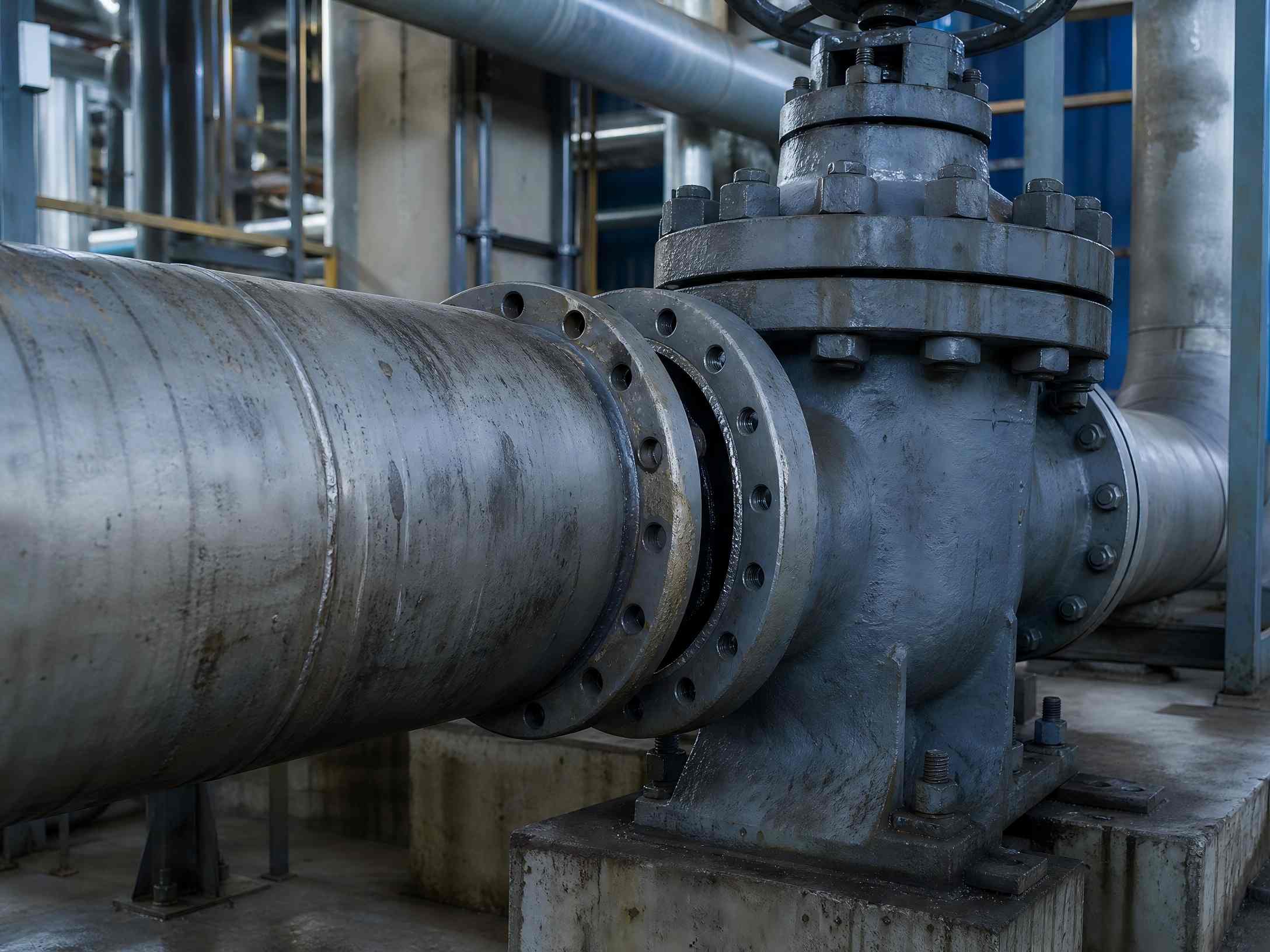
1. Treating Valves Like Structural Supports
This is probably the most common mistake in the book. We see valves being used to hold up the pipe weight. When pipe connections are misaligned or supports are missing, installers often use "forced bolting" to get the flanges to mate.
The result? Residual stress locks into the valve body. Over time, this leads to seat displacement, stems that stick, and fatigue cracks. On top of that, if you aren't accounting for water hammer during fast operations, those pressure spikes will blow right past your standard ratings. In fact, nearly 70% of pump and valve failures come down to misalignment and external forces.
The Fix: Stop using the valve as a crutch. Install independent pipe supports (per ASME B31.3) so the valve carries zero load. Also, run a hydraulic transient analysis to tune your opening/closing speeds—prevent the water hammer before it happens.
2. Ignoring the Heat (Thermal Dynamics)
Piping designs often look great on paper (static) but fall apart when the heat turns on. If you are running high-temperature operations (think above 350°C), you have to account for expansion and contraction.
We often see wedge gate valves suffering from "thermal binding." Because different parts shrink and expand at different rates, the wedge gets jammed. When an operator forces it, the stem snaps. Similarly, liquid trapped in double-seat valves can expand violently, blowing out gaskets and seats.
The Fix: Don't fight the physics. Install expansion loops and sliding supports to let the pipe move. For high-temp cycling, add pressure relief holes or bypass balancing structures to stop pressure locking.
3. Bad Hydraulics & "Tight Squeeze" Positioning
Space is always tight in a plant, but you cannot compromise on flow dynamics. We frequently see control valves slapped right next to elbows, tees, or pump outlets.
Without enough straight pipe, the flow is turbulent and swirling. This causes the valve to vibrate constantly, ruins control precision, and shreds seals. It also invites cavitation—those collapsing vapor bubbles act like tiny hammers on your metal surfaces.
The Fix: Respect the "D" rule. You generally need 6D of straight pipe upstream and 4D downstream for control valves (and up to 10D for high-precision work). If you have high pressure drops, use multi-stage anti-cavitation trims. And please, stop using gate valves for throttling—they aren't built for it.
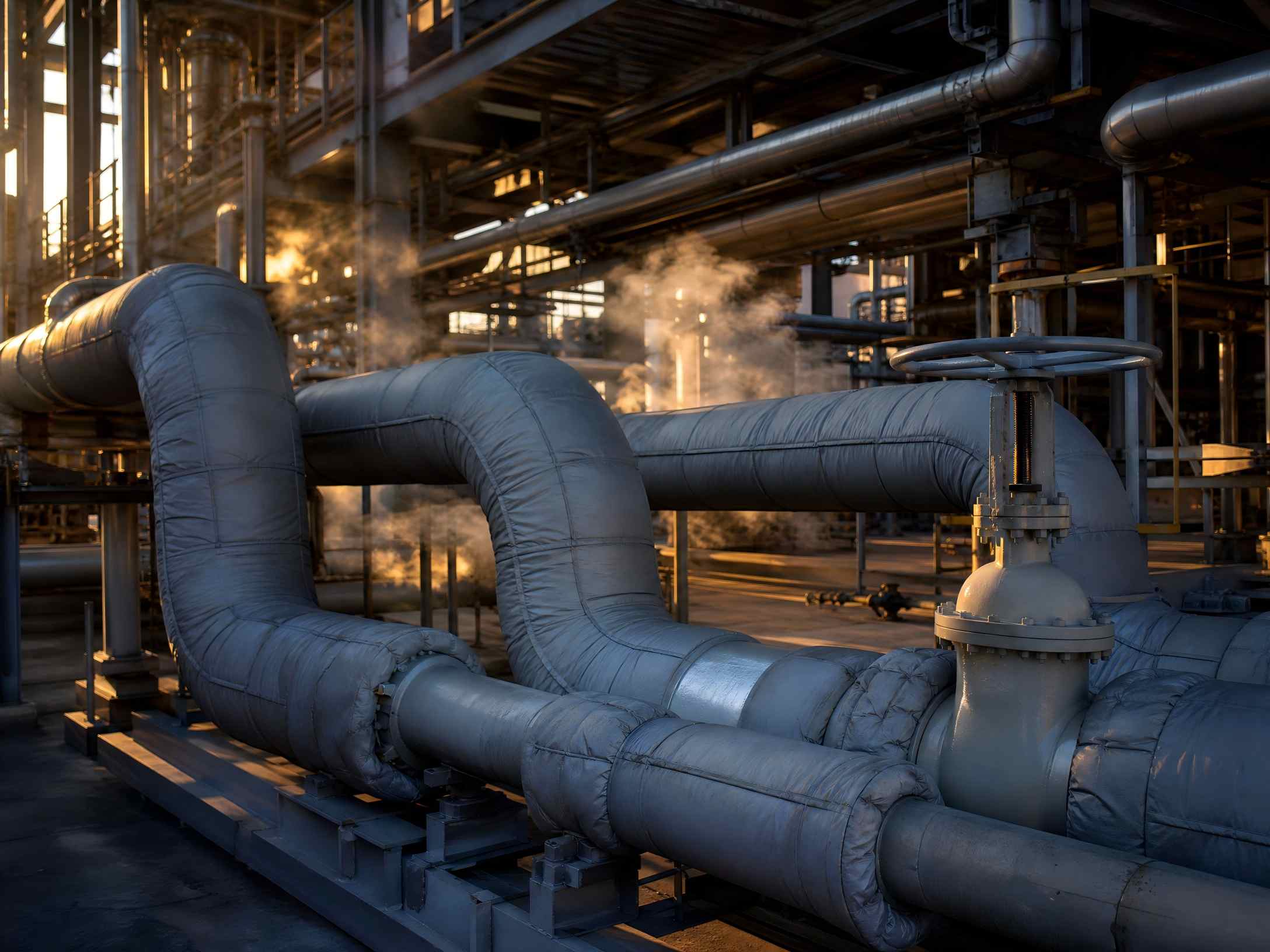
4. The "One Size Fits All" Material & Sizing Trap
Selecting materials based on a generic catalog or sizing a valve just to match the pipe diameter is a recipe for disaster.
Standard stainless steel might look good on paper, but if you have chlorides, it will suffer stress corrosion. Ordinary metal trims will wear out fast in abrasive slurries. Sizing is just as critical:
- Oversized valves: They operate at the bottom of their stroke, leading to poor control and rapid seat wear.
- Undersized valves: The fluid velocity goes through the roof, causing severe erosion.
The Fix: Be specific. Match the material to the actual medium, temp, and pressure (look at Inconel or Hastelloy for extreme heat). Size your valves using the Cv flow coefficient calculation, not just the pipe size.
5. Designing for Installation, Not Maintenance
It is easy to design a system that works on day one but is a nightmare for the next ten years. We see too many designs that ignore lifecycle compliance and maintainability.
If you install a valve in a confined space with no room for a wrench, routine maintenance becomes impossible. A minor issue that should take 20 minutes to fix turns into a major failure because it was ignored. Plus, ignoring API/ASME pressure ratings creates safety hazards that linger for years.
The Fix: Design with the maintenance team in mind. Ensure full compliance with API 600/6D and ASME B31.3, but also leave room for isolation points, lifting gear, and actual human access.
The Bottom Line
Premature valve failure is usually a system design issue, not a product quality issue. By optimizing how you handle mechanical loads, thermal changes, and flow dynamics, you can drastically extend the life of your equipment.
About Athenavalve
We supply a full range of industrial valves—gate, globe, check, ball, and butterfly—for oil, gas, and chemical applications. But more than just hardware, our engineering team provides the system analysis and material matching you need to make sure your valves actually last. Let us help you build a system that works.
 How Does a Ball Type Check Valve Prevent Pipeline Medium Backflow?
  Selection and Precautions for Natural Gas Valves
  Athena Engineering S.R.L Wraps‑up OGA 2026 Kuala Lumpur
  What is a Gate Valve? What is Its Working Principle?
  T-Type / T-Pattern / Straight Pattern Globe Valve
  Knife Gate Valve vs Wedge Gate Valve: Which Is Better for Your Industrial Piping?
  Cryogenic Ball Valve Comprehensive Product Overview
  Causes and Treatments for Poor Valve Shut‑Off
  Athena Triple Offset Butterfly Valves
  What is the Difference Between Swing Check Valve and NRV? A Complete Explanation
  Common Connection Types of Valves
  Float Valve: Structure, Principle and Application
  High Pressure Needle Valve High-Precision Fluid Control Valve
  What is a Piston Check Valve?
  Meet Us at OGA 2026 | Booth 6802, Hall 6
  What is a Level Gauge? Working Principles, Types and Industrial Applications
 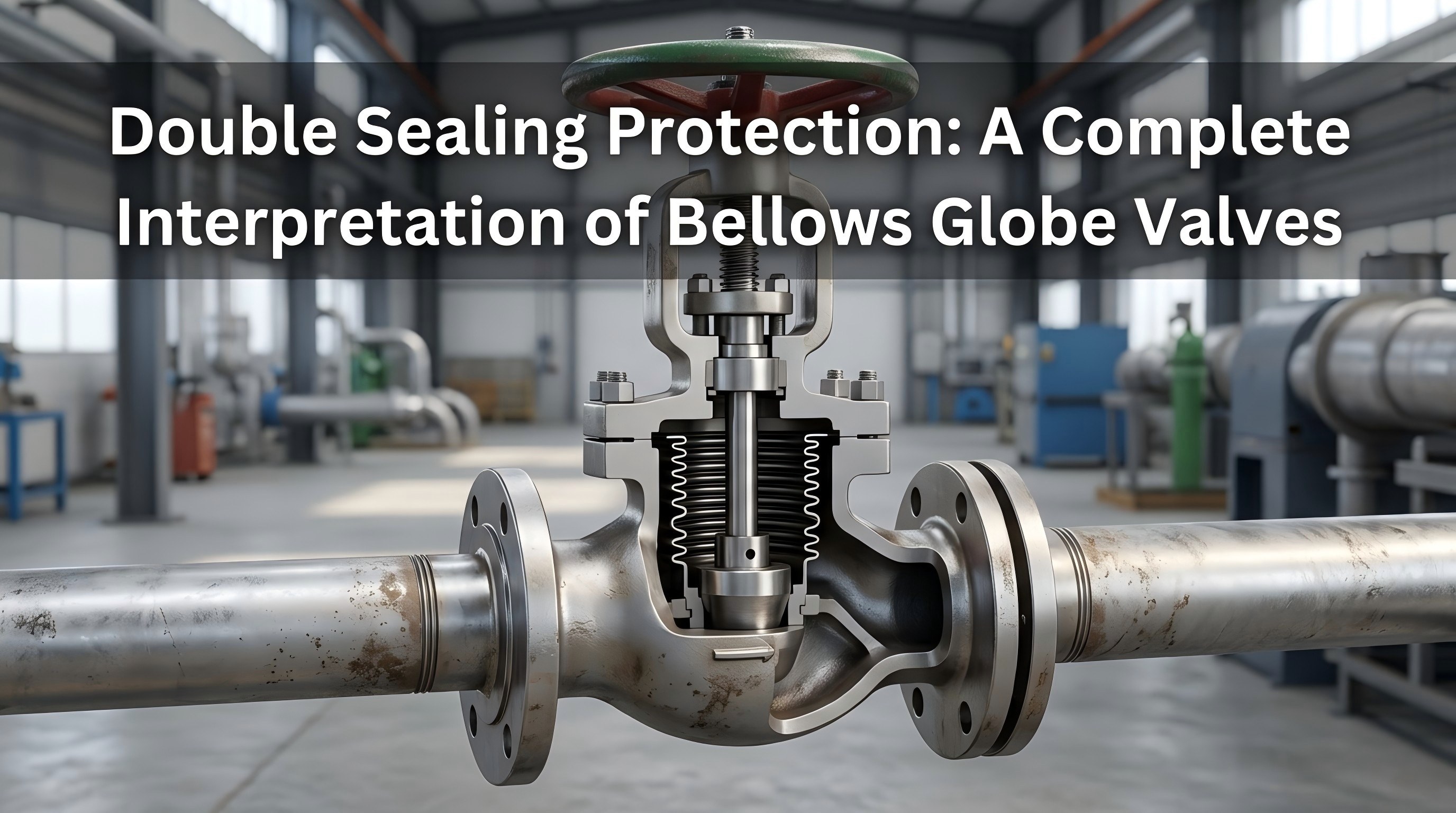 Double Sealing Protection: A Complete Interpretation of Bellows Globe Valves
  End-Suction Pump vs Inline Pumps: Which One Is Right for You?
  Method of Selecting Valve Types Based on Throttling Degree
  Safety Valves–Core Protection for Pressure Equipment