
How to Repair a Gate Valve
author: ATHENA GROUP
2026-10-15
Gate valves are vital for a wide range of industrial applications. They control the flow of liquids by opening or closing the gate inside the valve. Over time, gate valves may suffer wear-and-tear, resulting in leakage or operational faults. Repairing a gate valve is a cost-effective way to extend its service life and guarantee proper performance. How do you repair a gate valve?
Understanding the Gate Valve
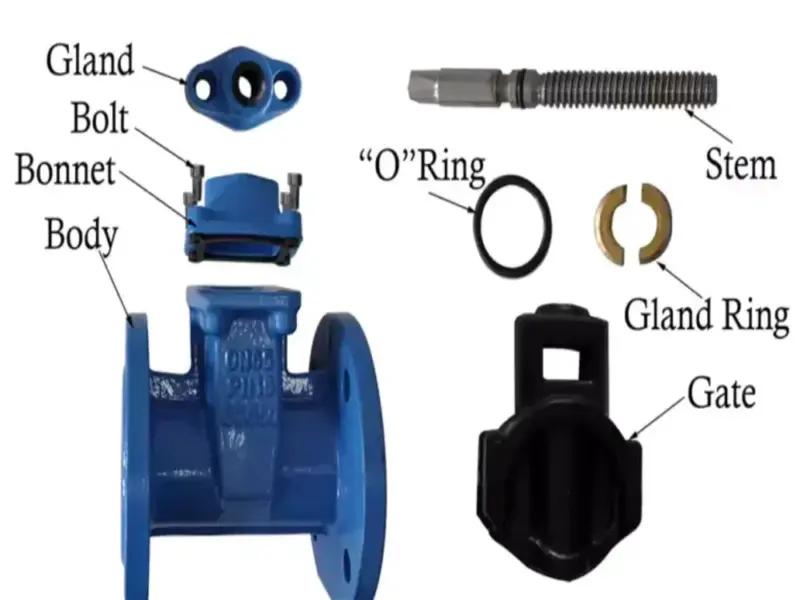
Before diving into the gate-valve repair procedure, it is essential to understand its basic structure. A gate valve consists of a body, bonnet, gate and stem. The gate is the movable component that governs fluid flow through the valve. Routine inspections are critical for spotting any signs of damage or malfunction.
Step-by-Step Repair Guide
Isolate the Valve
Before starting any repair work, have a gate-valve repair kit on hand. Remember to isolate the valve from the rest of the system. Shut off the water supply and relieve pressure inside the pipeline to create a safe working environment and avoid potential hazards during repair.
Remove the Valve from the System
Disconnect the valve from the pipe using an adjustable wrench. If the valve is welded in place, cut the pipe on both sides of the valve with a pipe cutter.
Disassemble the Valve
Begin gate-valve repair by removing the bonnet from the valve body. Use a wrench to loosen and take out the bolts holding the bonnet in position. Once the bonnet is removed, you can access the gate, stem and other internal components.
Inspection and Cleaning
Examine every component for signs of wear, corrosion or damage. Use emery cloth or sandpaper to clean the gate, stem and valve body to get rid of debris and limescale deposits.
Replace Damaged Components
Swap in new replacement parts for any components that are damaged beyond repair, for example when a gate valve is leaking. Replaceable items may include the gate, stem, packing or gaskets. Make sure replacement parts are compatible with the exact make and model of your gate valve.
Reassemble the Valve
Carefully reassemble valve components in reverse order of disassembly. Tighten bolts securely to achieve a proper seal. Apply grease to the stem before re inserting it into the valve.
Apply Pipe Sealant or Thread Tape
Before reconnecting the valve to piping, apply pipe sealant or wrap pipe-10thread tape around threads to prevent leaks.
Reconnect the Valve to the Pipeline
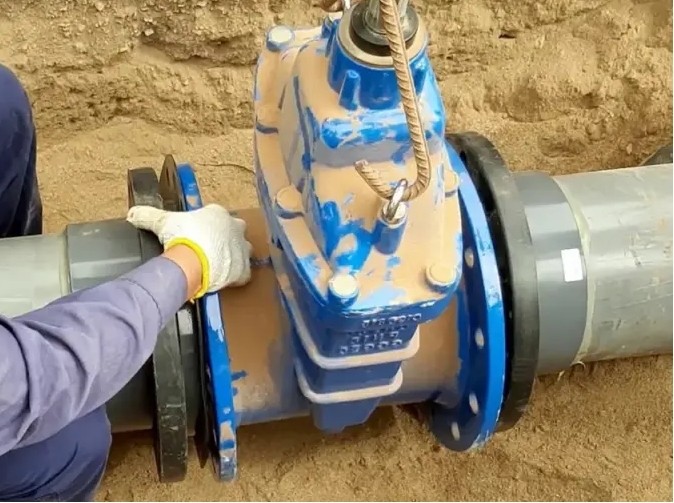
Reattach the valve to the pipe with an adjustable wrench. Tighten all connections firmly so there are no gaps or loose fittings.
Pressure Test
Once the valve is reinstalled, turn on the water supply and perform a pressure test to verify zero leakage. Closely monitor the valve for any unusual symptoms.
Pressure Test
Once the valve is reinstalled, turn on the water supply and perform a pressure test to verify zero leakage. Closely monitor the valve for any unusual symptoms.
Regular Maintenance
To resolve issues with leaking gate valves long-term, thorough repair knowledge is necessary. It is also important to implement a routine maintenance schedule for gate valves. Inspect and lubricate moving parts on a regular basis, and address any wear or damage promptly.
Conclusion
Following these steps helps resolve common faults and prolong gate-valve service life. Regular maintenance and thorough inspections are key to preventing failures and ensuring dependable operation.
 Pressure Seal Type Gate Valve for High-Pressure High-Temperature Industrial Isolation
  What Are the Differences Between Forged Valves and Cast Valves?
  Characteristics, Applications and Advantages of Carbon Steel Globe Valves
  Why Are Instrument Valves Indispensable for Industrial Control Systems?
  What is Bi-Directional Valves?
  How Does a Ball Type Check Valve Prevent Pipeline Medium Backflow?
  Selection and Precautions for Natural Gas Valves
  Athena Engineering S.R.L Wraps‑up OGA 2026 Kuala Lumpur
  What is a Gate Valve? What is Its Working Principle?
  T-Type / T-Pattern / Straight Pattern Globe Valve
  Knife Gate Valve vs Wedge Gate Valve: Which Is Better for Your Industrial Piping?
  Cryogenic Ball Valve Comprehensive Product Overview
  Causes and Treatments for Poor Valve Shut‑Off
  Athena Triple Offset Butterfly Valves
  What is the Difference Between Swing Check Valve and NRV? A Complete Explanation
  Common Connection Types of Valves
  5 Piping Design Mistakes That Are Killing Your Valves
  Float Valve: Structure, Principle and Application
  High Pressure Needle Valve High-Precision Fluid Control Valve
  What is a Piston Check Valve?