
Knife Gate Valve vs Wedge Gate Valve: Which Is Better for Your Industrial Piping?
author: ATHENA GROUP
2026-09-04

Introduction
When selecting reliable shut‑off valves for industrial fluid pipelines, many procurement specialists and engineers struggle to choose between knife gate valves and wedge gate valves. Both are widely‑used linear‑motion shut‑off valves in industrial piping systems, yet they differ substantially in structural design, pressure resistance, media compatibility and operational performance. A clear comparison between knife gate valves and wedge gate valves helps prevent selection errors, reduce pipeline failure risks and improve the overall stability of fluid control systems.
1. Core Structural Differences: Knife Gate Valve vs Wedge Gate Valve
The primary distinction between knife gate valves and wedge gate valves lies in their internal gate plate design and valve body construction, which fundamentally defines their respective application strengths and limitations.
1.1 Structure of Wedge Gate Valve
The wedge gate valve is fitted with a thick, robust wedge‑shaped gate plate that tightly mates with the valve seats. Its heavy‑duty valve body is built for high‑pressure and high‑temperature industrial service. Equipped with an outside‑screw‑and‑yoke (OS&Y) configuration and precision wedge sealing geometry, it delivers dependable bi‑directional bubble‑tight shut‑off. The enclosed valve chamber ensures stable sealing over long‑term operation, making it a standard choice for stringent clean‑media piping systems.
1.2 Structure of Knife Gate Valve
Unlike conventional gate valves, the knife gate valve adopts a thin, sharp blade‑style gate plate with no dead‑leg accumulation cavity inside the valve body. This straight‑through flow path effectively prevents media sedimentation and blockage. Featuring a compact wafer‑style or lug‑type construction, it has a shorter face‑to‑face dimension and works excellently for installations with limited space. Most modern knife gate valves support multiple actuation options including pneumatic, electric and manual to satisfy flexible on‑site control requirements.
2. Performance and Pressure Class Comparison: Knife Gate Valve vs Wedge Gate Valve

Pressure bearing capacity, sealing performance and media compatibility are core reference criteria for industrial project valve selection.
2.1 Pressure Resistance
Wedge gate valves are engineered for high‑temperature and high‑pressure conditions, with standard pressure classes ranging from Class 150 to Class 2500 in compliance with international standards such as ASME B16.34. They are extensively deployed in pipelines for high‑pressure steam, crude oil, natural gas and refined oil products. Knife gate valves are mainly intended for medium‑to‑low‑pressure service (PN10‑PN16 / Class 150), with design priorities focused on anti‑clogging rather than extreme pressure endurance.
2.2 Sealing and Anti‑Clogging Performance
Wedge gate valves achieve excellent bubble‑tight sealing for particle‑free clean media. However, recessed cavities at the valve seats tend to trap sediments, particles and contaminants, leading to valve jamming and seal failure when handling slurry or fibrous media. By contrast, the sharp blade gate and cavity‑free straight‑through geometry of knife gate valves can cut through fibres, sludge and abrasive slurry. Although their sealing tightness is slightly inferior to wedge gate valves, they effectively eliminate blockage and jamming issues in harsh contaminated‑media applications.
3. Application Scenarios for Knife Gate Valves and Wedge Gate Valves
Understanding suitable operating conditions is critical for proper valve selection for industrial projects.
3.1 Typical Applications of Wedge Gate Valves
Wedge gate valves represent the mainstream solution for high‑standard clean‑media pipelines. They are widely adopted in petrochemicals, natural gas transmission, thermal power generation, energy projects and municipal water supply systems, providing long‑term reliable shut‑off for clean water, oil products, gas and steam under high‑temperature and high‑pressure environments.
3.2 Applications of Knife Gate Valves
Knife gate valves are heavy‑duty specialty valves for demanding service conditions. They are heavily utilised in wastewater treatment, pulp & paper, mining, chemical slurry and powder conveying industries, ideal for slurries, sludge, fibres and other blockage‑prone mixed‑phase media.
4. Selection Guide: Knife Gate Valve vs Wedge Gate Valve
In summary, valve selection depends on pipeline media, operating pressure, temperature and actuation frequency.
Choose a wedge gate valve if your process handles clean media under high‑temperature / high‑pressure conditions and requires strict bubble‑tight shut‑off.
Opt for a knife gate valve when dealing with slurries, sludge, fibres or impurity‑laden media, where installation space is constrained and frequent cycling is expected.
Choose a wedge gate valve if your process handles clean media under high‑temperature / high‑pressure conditions and requires strict bubble‑tight shut‑off.
Opt for a knife gate valve when dealing with slurries, sludge, fibres or impurity‑laden media, where installation space is constrained and frequent cycling is expected.
Conclusion
Within industrial fluid control systems, knife gate valves and wedge gate valves occupy distinct positions for different service conditions. Wedge gate valves excel at bubble‑tight isolation for clean pipelines under high temperature and pressure; knife gate valves specialise in anti‑clog shut‑off for aggressive contaminated media.
As a professional industrial valve manufacturer, ATHENA ENGINEERING S.R.L supplies high‑quality wedge gate valves and custom‑built knife gate valves with complete certifications. Custom production is available per project specifications, and third‑party inspection is supported to fully meet diverse industrial piping configuration requirements.
 How Does a Ball Type Check Valve Prevent Pipeline Medium Backflow?
  Selection and Precautions for Natural Gas Valves
  Athena Engineering S.R.L Wraps‑up OGA 2026 Kuala Lumpur
  What is a Gate Valve? What is Its Working Principle?
  T-Type / T-Pattern / Straight Pattern Globe Valve
  Cryogenic Ball Valve Comprehensive Product Overview
  Causes and Treatments for Poor Valve Shut‑Off
  Athena Triple Offset Butterfly Valves
  What is the Difference Between Swing Check Valve and NRV? A Complete Explanation
  Common Connection Types of Valves
  5 Piping Design Mistakes That Are Killing Your Valves
  Float Valve: Structure, Principle and Application
  High Pressure Needle Valve High-Precision Fluid Control Valve
  What is a Piston Check Valve?
  Meet Us at OGA 2026 | Booth 6802, Hall 6
  What is a Level Gauge? Working Principles, Types and Industrial Applications
 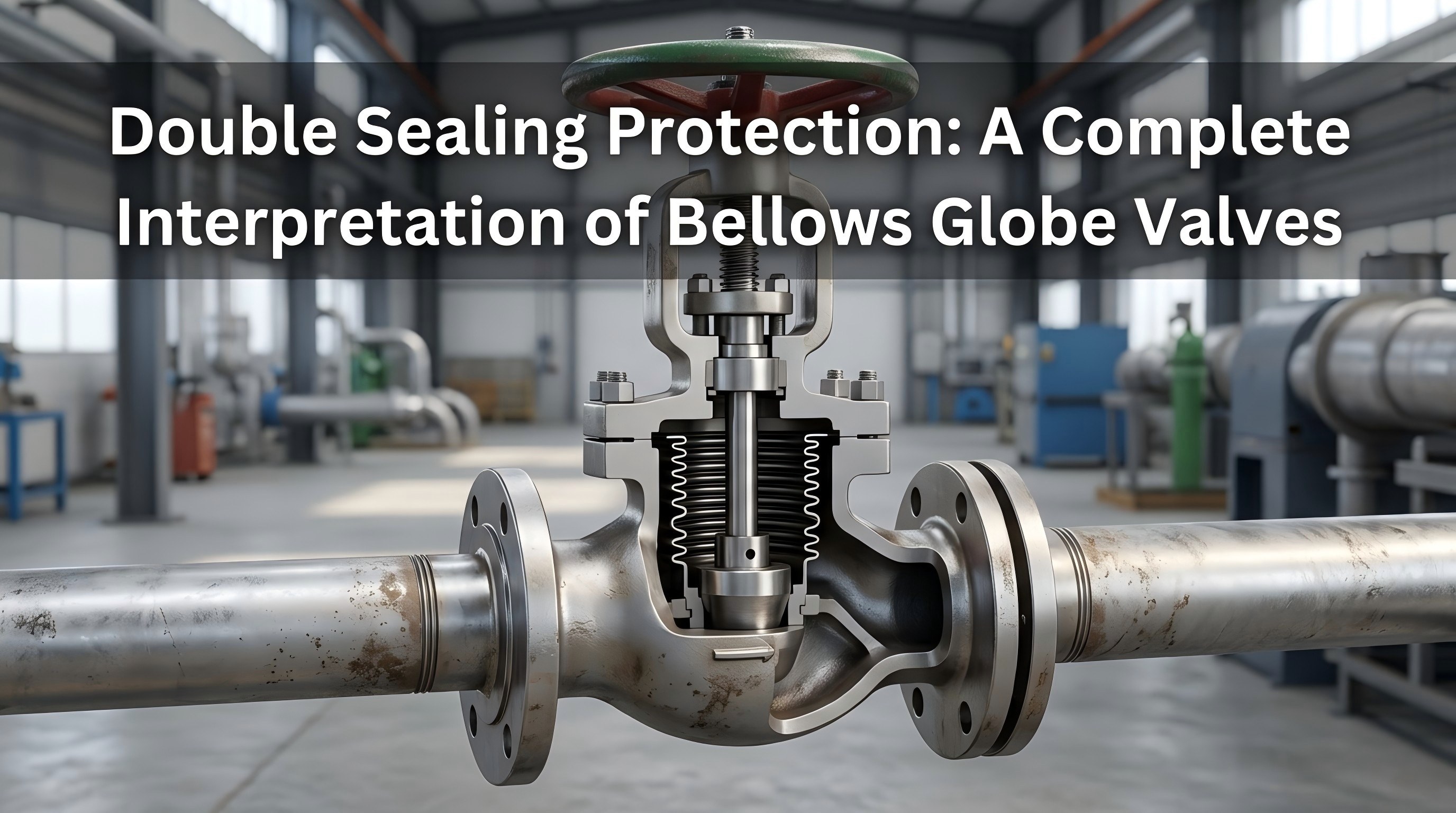 Double Sealing Protection: A Complete Interpretation of Bellows Globe Valves
  End-Suction Pump vs Inline Pumps: Which One Is Right for You?
  Method of Selecting Valve Types Based on Throttling Degree
  Safety Valves–Core Protection for Pressure Equipment