
What is a Needle Valve?

-
What is a Needle Valve?
A needle valve is a type of flow control valve that gets its name from the slender, needle - like shape of its closing member, the disc. This unique design allows for extremely fine adjustments of the fluid flow rate, making it a preferred choice in applications where precision is of the essence.
The basic structure of a needle valve consists of several key components. The valve body serves as the main housing, typically made from materials like stainless steel, carbon steel, or brass, depending on the application requirements. Stainless steel is often favored for its excellent corrosion resistance, making it suitable for handling corrosive fluids, while carbon steel provides good strength and durability for general industrial use.
The heart of the needle valve is the disc, which features a conical or needle - shaped tip. This tip is designed to mate with a precisely machined valve seat. When the valve is closed, the disc's tip tightly seals against the seat, preventing any fluid from passing through. The stem, connected to the disc, transfers the motion from the actuator (such as a handwheel for manual operation or an electric motor for automated systems) to the disc, allowing for the opening and closing of the valve.
Sealing elements are also vital in a needle valve. Packing materials, usually made of PTFE (polytetrafluoroethylene) or graphite, are used around the stem to prevent leakage. These materials create a tight seal while still allowing the stem to move smoothly during operation.
Needle valves can be found in various industries, from laboratory settings where accurate dosing of chemicals is required, to large - scale industrial processes in the oil and gas, chemical, and pharmaceutical sectors. Their versatility and precision make them indispensable in many fluid - handling systems.
-
How Does a Needle Valve Work?
The operation of a needle valve is based on the principle of controlling the flow of fluid by adjusting the size of the orifice through which the fluid passes. When the valve is in the fully closed position, the conical tip of the disc is firmly seated against the valve seat, creating a tight seal and blocking the flow of fluid completely.
As the valve is opened, the operator turns the handwheel (in the case of manual operation) or activates the actuator (for automated valves), which in turn rotates or lifts the stem. This motion causes the disc to move away from the seat, gradually increasing the size of the orifice between the disc and the seat. The fluid then begins to flow through this opening.
The key to the needle valve's precision lies in the conical shape of the disc. A small rotation or movement of the disc can result in a significant change in the orifice size, especially at low - flow settings. This allows operators to make very fine adjustments to the flow rate, enabling precise control over the amount of fluid passing through the valve.
For example, in a chemical process where a specific concentration of a reactant needs to be added to a mixture, a needle valve can be used to accurately meter the flow of the reactant. By carefully adjusting the position of the disc, operators can ensure that the exact amount of the reactant is introduced into the process stream, maintaining the integrity and quality of the final product.
The pressure drop across the needle valve also affects its operation. As the fluid flows through the constricted orifice, there is a reduction in pressure. This pressure drop is an important factor to consider in system design, as it can impact the overall performance of the fluid - handling system. Engineers need to account for this pressure drop when sizing and selecting needle valves for specific applications to ensure that the system operates efficiently.
-
Advantages and Disadvantages of Needle Valves
- Advantages
- Precision Flow Control
- Advantages
The most significant advantage of needle valves is their ability to provide highly precise flow regulation. The conical - shaped disc allows for minute adjustments of the flow rate, making them ideal for applications where accuracy is critical. Whether it's in a laboratory for scientific experiments or in a manufacturing process for quality control, needle valves can deliver the exact flow rate required.
-
-
- Excellent Sealing Performance
-
Needle valves offer excellent sealing capabilities. When the disc is seated against the valve seat, it creates a tight seal, preventing leakage of the fluid being controlled. This is particularly important when handling hazardous, expensive, or reactive substances, as it ensures safety and reduces the risk of contamination or loss of product.
-
-
- High Pressure Resistance
-
These valves are designed to withstand high - pressure conditions. The robust construction of the valve body and the reliable sealing mechanism enable needle valves to operate effectively in pipelines and systems where pressures can be extremely high, such as in the oil and gas industry or in hydraulic systems.
-
-
- Versatility
-
Needle valves can be used with a wide variety of fluids, including gases, liquids, and some slurries. They are also available in different connection types, such as threaded, flanged, and welded, allowing for easy integration into various piping systems across different industries.
-
- Disadvantages
- Limited Flow Capacity
- Disadvantages
Due to their design, needle valves have a relatively small orifice size, which limits their maximum flow capacity. This makes them less suitable for applications that require high - volume fluid flow. In such cases, larger - sized valves or multiple needle valves in parallel may be needed, increasing the complexity and cost of the system.
-
-
- Slow Operation
-
The process of opening and closing a needle valve, especially when precise adjustments are required, can be time - consuming. The need to make small, incremental movements of the disc to achieve the desired flow rate means that they may not be the best choice for applications where rapid changes in flow are necessary.
-
-
- Sensitivity to Contamination
-
The fine - tolerance design of needle valves makes them sensitive to contaminants in the fluid. Even small particles can get trapped between the disc and the seat, causing leakage or damage to the valve. To mitigate this, proper filtration and maintenance of the fluid system are essential, adding to the overall operational cost and complexity.
-
Athena Engineering S.R.L: Italian Craftsmanship in Valve Manufacturing
Athena Engineering S.R.L, an Italian valve manufacturer with a rich heritage, is committed to delivering top - quality needle valves.
We offer a diverse range of needle valves, designed to meet the specific requirements of different industries. Whether it's for a high - precision laboratory application or a rugged industrial environment, our products are built to perform reliably. With a focus on quality, durability, and innovation, Athena Engineering S.R.L is your trusted partner for all your needle valve needs.
Contact Athena Engineering S.R.L. Today
Website: www.athenavalve.com
Email: sales@athenavalve.com
 How Does a Ball Type Check Valve Prevent Pipeline Medium Backflow?
  Selection and Precautions for Natural Gas Valves
  Athena Engineering S.R.L Wraps‑up OGA 2026 Kuala Lumpur
  What is a Gate Valve? What is Its Working Principle?
  T-Type / T-Pattern / Straight Pattern Globe Valve
  Knife Gate Valve vs Wedge Gate Valve: Which Is Better for Your Industrial Piping?
  Cryogenic Ball Valve Comprehensive Product Overview
  Causes and Treatments for Poor Valve Shut‑Off
  Athena Triple Offset Butterfly Valves
  What is the Difference Between Swing Check Valve and NRV? A Complete Explanation
  Common Connection Types of Valves
  5 Piping Design Mistakes That Are Killing Your Valves
  Float Valve: Structure, Principle and Application
  High Pressure Needle Valve High-Precision Fluid Control Valve
  What is a Piston Check Valve?
  Meet Us at OGA 2026 | Booth 6802, Hall 6
  What is a Level Gauge? Working Principles, Types and Industrial Applications
 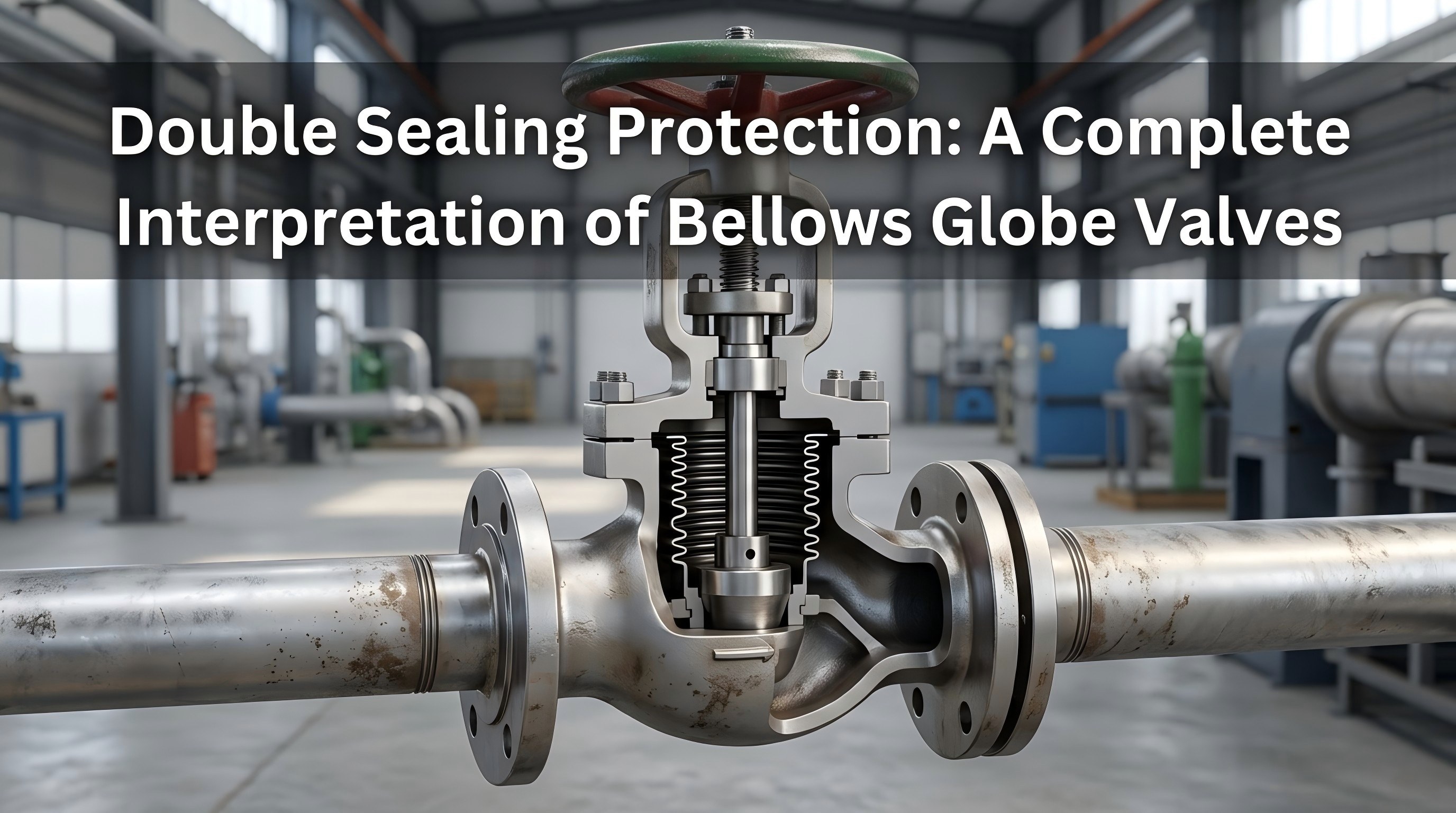 Double Sealing Protection: A Complete Interpretation of Bellows Globe Valves
  End-Suction Pump vs Inline Pumps: Which One Is Right for You?
  Method of Selecting Valve Types Based on Throttling Degree