
What Is a Check Valve Used for?
author: ATHENA GROUP
2026-01-29
Core Function of a Check Valve: Automatic Fluid Flow Direction Control
Check valves are essential components in fluid control systems. Their main and most fundamental purpose is to control the direction of fluid flow and prevent fluid backflow.
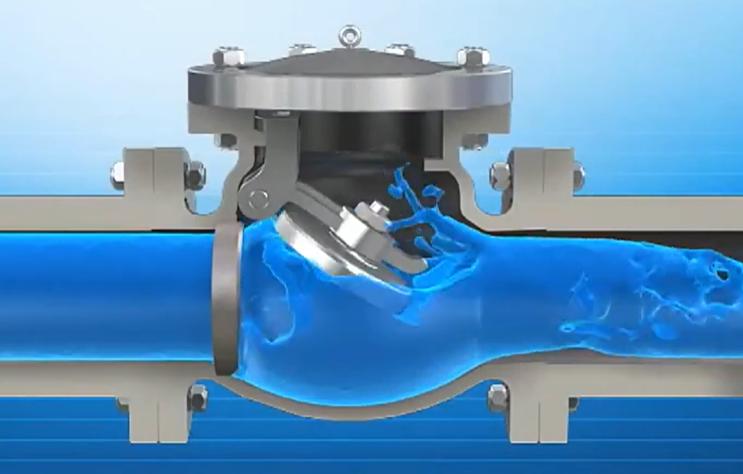
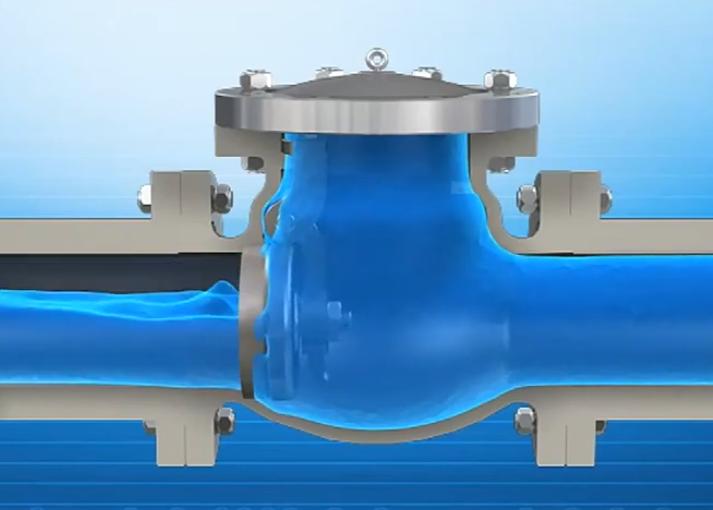
Unlike other valves that require manual operation to regulate flow rate, check valves operate automatically based on fluid pressure differences. When fluid flows in the desired direction, pressure pushes the valve disc open to allow free flow. When fluid attempts reverse flow, the pressure difference closes the valve disc tightly, cutting off the reverse flow path.
This automatic operation reduces the need for manual monitoring. It also eliminates the risk of human error in valve operation, making check valves a reliable choice for protecting fluid systems.
Applications of Check Valves in Industrial Settings
Oil and Gas Industry
Check valves are installed in critical locations on onshore and offshore pipelines and wellhead equipment. Offshore oil exploration platforms have harsh working conditions and difficult maintenance. Check valves here must withstand high pressure, low temperatures, and corrosive seawater environments to prevent crude oil or natural gas backflow.
Backflow in these pipelines can cause equipment damage like pump cavitation. It can even lead to catastrophic accidents such as pipeline explosions and oil spills, which pollute the marine ecosystem.
Chemical Plants
Chemical plants frequently transport corrosive, toxic, or flammable fluids. Check valves serve as a critical barrier in these facilities. They prevent the backflow of hazardous substances into upstream equipment or storage tanks.
This function protects worker safety by preventing leaks. It also avoids environmental pollution caused by backflow-induced leaks.
Applications of Check Valves in Daily Life and Urban Infrastructure
Municipal Water Supply Systems
Check valves are installed at water pump outlets and main pipeline branches. When water pumps stop operating, they prevent water backflow in pipelines. This avoids water hammer, a sudden pressure surge that can damage pipelines and pump components.
Additionally, check valves ensure tap water maintains stable pressure. They prevent sharp water pressure drops when multiple taps are opened simultaneously.
Residential Buildings
Check valves are installed in water heaters to prevent cold water from flowing back into hot water tanks. This ensures hot water is readily available and prevents damage to the heater’s internal components.
Heating and Air Conditioning Systems
In central heating systems, check valves help maintain the one-way flow of hot water. This ensures each room receives consistent heating and avoids cold spots caused by reverse flow.
In air conditioning systems, check valves regulate refrigerant flow. This ensures efficient heat exchange, improves energy efficiency, and reduces household energy consumption.
Check Valves for Protecting Sensitive Equipment in Fluid Systems
Machinery Manufacturing
Hydraulic and pneumatic systems in automotive assembly lines or robotic arms use check valves. These valves prevent the reverse flow of hydraulic oil or compressed air.
Reverse flow in these systems can cause precision components like cylinders, actuators, and servo valves to malfunction or suffer permanent damage. This leads to production delays and costly repairs.
Power Generation Industry
Check valves are deployed in steam, water, and coolant circulation systems in thermal, hydroelectric, and nuclear power plants.
In thermal power plants, check valves are installed in boiler feedwater pipelines. They prevent high-temperature steam from flowing back into feedwater pumps, which would overheat and damage the pumps.
In hydroelectric plants, check valves are used in penstocks. They prevent water from flowing back into the reservoir when turbines are shut down, ensuring turbine system safety and avoiding water waste.
In nuclear power plants, check valves play a critical role in coolant systems. They prevent the reverse flow of radioactive coolant that could lead to reactor core overheating.

Common Types of Check Valves and Their Suitable Scenarios
Swing Check Valves
Swing check valves feature a hinged disc that swings open and closed. They are widely used in large-diameter pipes for low-to-medium pressure applications.
Typical applications include municipal water supply and drainage systems. Their simple structure and low pressure drop make them suitable for high-flow scenarios.
Lift Check Valves
Lift check valves have a disc that lifts vertically to allow fluid flow. The disc drops to seal when fluid reverses direction.
They have good sealing performance, making them ideal for high-pressure, high-temperature applications. A common use case is steam pipelines in power plants.
Ball Check Valves
Ball check valves use a ball to prevent reverse flow. They have a compact design and are suitable for small-diameter pipes and low-flow applications.
They are commonly found in household appliances like washing machines and dishwashers. They are also used in medical equipment such as infusion pumps.


Conclusion
The core function of check valves is automatically preventing fluid backflow. This function is fundamental to the safe, efficient, and stable operation of countless fluid systems across various industries and daily life.
From large-scale industrial production like oil and gas extraction and power generation to everyday applications like water supply, heating, and household appliances, check valves are crucial components that silently safeguard system operation.
With the emergence of new technologies and expansion of application areas such as solar thermal power and wind power, the role of check valves continues to evolve and become increasingly important.
As industries strive for greater efficiency, safety, and sustainability, developing more advanced, reliable, and intelligent check valves will remain a priority. This will drive innovation in fluid control technology to meet the ever-changing demands of the modern world.
 How Does a Ball Type Check Valve Prevent Pipeline Medium Backflow?
  Selection and Precautions for Natural Gas Valves
  Athena Engineering S.R.L Wraps‑up OGA 2026 Kuala Lumpur
  What is a Gate Valve? What is Its Working Principle?
  T-Type / T-Pattern / Straight Pattern Globe Valve
  Knife Gate Valve vs Wedge Gate Valve: Which Is Better for Your Industrial Piping?
  Cryogenic Ball Valve Comprehensive Product Overview
  Causes and Treatments for Poor Valve Shut‑Off
  Athena Triple Offset Butterfly Valves
  What is the Difference Between Swing Check Valve and NRV? A Complete Explanation
  Common Connection Types of Valves
  5 Piping Design Mistakes That Are Killing Your Valves
  Float Valve: Structure, Principle and Application
  High Pressure Needle Valve High-Precision Fluid Control Valve
  What is a Piston Check Valve?
  Meet Us at OGA 2026 | Booth 6802, Hall 6
  What is a Level Gauge? Working Principles, Types and Industrial Applications
  Double Sealing Protection: A Complete Interpretation of Bellows Globe Valves
  End-Suction Pump vs Inline Pumps: Which One Is Right for You?
  Method of Selecting Valve Types Based on Throttling Degree