
Common Issues with Medium Pressure Ball Valves and How to Address Them
2024-12-11
Medium pressure ball valves are widely used in various industrial applications where the operating pressure falls within the range of approximately 150 to 600 psi (depending on the system). These valves provide reliable performance for controlling fluid flow, but like all mechanical systems, they can encounter issues that may impact their operation. In this article, Athena will explore the most common concerns associated with ball valves for medium pressure, including material compatibility, leakage, operational challenges, and maintenance tips, offering practical solutions to ensure optimal valve performance.
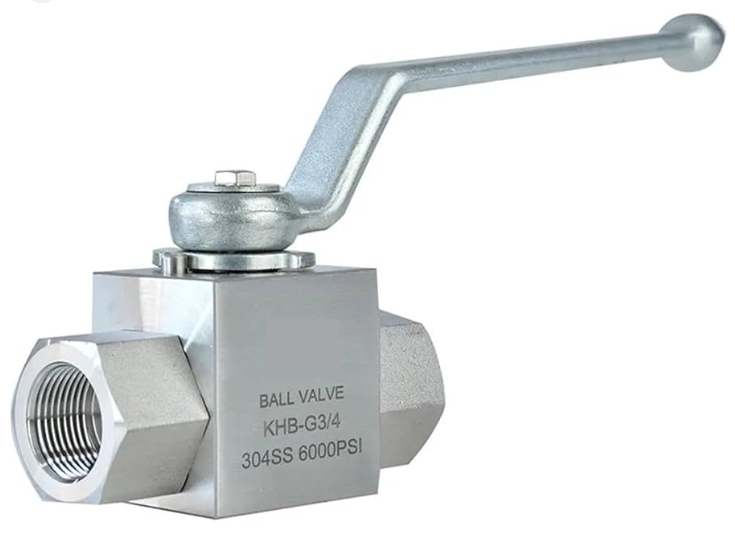
1. Leakage Issues in Medium Pressure Ball Valves
Leakage is one of the most common and critical problems associated with medium pressure ball valves. Despite their reputation for providing a tight seal and reliable performance, various factors can lead to leakage, which may result in operational inefficiencies, safety risks, and increased maintenance costs. Understanding the causes and solutions for leakage can help mitigate these problems and prolong the valve’s service life.
1.1 Causes of Leakage
Leakage in ball valves for medium pressure can occur due to a variety of factors, including wear and tear, improper installation, material incompatibility, and operational stress. Below are the primary causes:
Worn or Damaged Seats: The valve seats, typically made of soft materials like PTFE or elastomers, are prone to wear over time due to repeated opening and closing cycles. Exposure to high temperatures, abrasive particles, or chemical degradation can accelerate this process.
Damaged or Misaligned Seals: Seals and gaskets are crucial for ensuring a leak-free operation. Improper alignment during installation or degradation from exposure to harsh chemicals can compromise their effectiveness.
Improper Installation: Incorrect torque application during installation, misalignment of the valve, or the use of incompatible parts can create gaps between the valve components, leading to leakage.
Pressure Surges: Medium pressure systems are sometimes subjected to sudden pressure spikes (e.g., water hammer) that can stress the valve components and cause seals to fail.
Corrosion and Erosion: Corrosion of internal components, especially in valves made from incompatible materials, can lead to leaks. Erosion from abrasive fluids or particulate matter can also degrade the valve’s sealing surfaces.
Thermal Cycling: Repeated exposure to high and low temperatures can cause thermal expansion and contraction, leading to gaps between the valve ball and seat or damage to the seals.
1.2 Types of Leakage
Leakage in medium pressure ball valves can manifest in different forms, depending on the affected area:
Internal Leakage: This occurs when the valve fails to completely shut off the flow, allowing fluid to pass through the ball even in the closed position. Internal leaks are often caused by damaged seats or a poorly aligned ball.
External Leakage: External leaks happen when fluid escapes from the valve body, typically through the stem or body seals. This type of leakage is a significant safety concern, especially in systems handling hazardous or high-temperature fluids.
1.3 Consequences of Leakage
The impact of leakage can range from minor inconveniences to major operational and safety issues, such as:
Loss of Process Efficiency: Leakage can result in wasted fluid, leading to inefficiencies in industrial processes and increased operating costs.
Environmental and Safety Hazards: In systems handling toxic, flammable, or high-temperature fluids, leaks can pose serious risks to the environment and personnel.
Increased Maintenance Costs: Frequent repairs or replacements due to leakage can drive up operational costs and cause system downtime.
Environmental and Safety Hazards: In systems handling toxic, flammable, or high-temperature fluids, leaks can pose serious risks to the environment and personnel.
Increased Maintenance Costs: Frequent repairs or replacements due to leakage can drive up operational costs and cause system downtime.
1.4 Preventing Leakage in Medium Pressure Ball Valves
While leakage is a common issue, it can often be prevented or minimized with proper measures:
Material Selection: Choose ball valves made from materials compatible with the operating environment. For example:
Use stainless steel or duplex steel for corrosive environments.
Opt for seats and seals made from PTFE or graphite for high-temperature or chemical resistance.
Regular Maintenance: Implement a routine maintenance schedule to inspect and replace worn-out components, such as seats, seals, and gaskets. Cleaning the valve regularly can also prevent debris buildup that may compromise the seal.
Proper Installation: Ensure the valve is installed according to the manufacturer’s guidelines. Pay attention to alignment, torque specifications, and the use of correct gaskets and sealing materials.
Pressure Management: Install surge protection devices to mitigate pressure spikes in the system. This helps reduce stress on the valve components and prevents premature failure.
Thermal Considerations: For systems subjected to temperature fluctuations, select valves designed to handle thermal expansion and contraction without compromising the seal.
1.5 Repairing Leakage Issues
When leakage occurs, quick and effective repairs are crucial to minimize downtime and prevent further damage:
Seal Replacement: For external leaks, replacing the damaged seals or gaskets is often sufficient to restore the valve’s integrity.
Seat Repair or Replacement: Internal leaks caused by damaged seats may require resurfacing or replacing the valve seats. Metal-seated valves can often be re-lapped to restore a tight seal.
Stem Packing Adjustment: External leaks around the valve stem can often be fixed by tightening or replacing the stem packing.
Upgrading to Enhanced Designs: In cases where standard valves repeatedly fail due to leakage, consider upgrading to ball valves with enhanced designs, such as triple-sealed stems or self-cleaning seats.
1.6 Selecting High-Quality Medium Pressure Ball Valves
Investing in high-quality medium pressure ball valves from reputable manufacturers can significantly reduce the likelihood of leakage. Look for features such as:
High-grade materials suitable for the application.
Precision-machined components to ensure a perfect fit.
Certifications indicating compliance with industry standards (e.g., API, ISO).
Precision-machined components to ensure a perfect fit.
Certifications indicating compliance with industry standards (e.g., API, ISO).
2. Performance Degradation Due to Viscosity and Flow
Performance degradation is a significant issue that users may encounter with medium pressure ball valves, particularly in systems handling fluids with high viscosity or irregular flow characteristics. These challenges can reduce efficiency, impair flow control, and increase the wear and tear on the valve, leading to higher maintenance costs and operational disruptions. Understanding the causes and solutions for performance degradation is crucial to ensure reliable valve operation.
2.1 Causes of Performance Degradation
The following factors contribute to performance degradation in ball valves for medium pressure due to viscosity and flow:
High Fluid Viscosity:
Fluids with high viscosity, such as oils, slurries, or certain chemicals, require more force to flow through the valve. This increased resistance can lead to reduced flow rates and higher energy consumption.
Viscous fluids may also adhere to the internal surfaces of the valve, leading to buildup that restricts flow and affects the valve's sealing capability.
Viscous fluids may also adhere to the internal surfaces of the valve, leading to buildup that restricts flow and affects the valve's sealing capability.
Improper Valve Sizing:
A valve that is too small for the system's flow requirements can create excessive pressure drops and impede the desired flow rate.
Oversized valves, on the other hand, can lead to instability in flow control and increased wear on the valve's internal components.
Oversized valves, on the other hand, can lead to instability in flow control and increased wear on the valve's internal components.
Particulate Matter and Blockages:
Fluids containing particulates or debris can lead to blockages within the valve, especially in the ball or seat areas. This can disrupt the flow and increase operating torque.
Over time, abrasive particles may erode the ball or seats, further degrading performance.
Over time, abrasive particles may erode the ball or seats, further degrading performance.
Flow Characteristics:
Turbulent flow conditions can create uneven pressure distribution within the valve, causing vibration and potential damage to internal components.
Cavitation, which occurs when pressure drops below the vapor pressure of the fluid, can result in pitting damage to the valve and impact its functionality.
Cavitation, which occurs when pressure drops below the vapor pressure of the fluid, can result in pitting damage to the valve and impact its functionality.
2.2 Consequences of Performance Degradation
Performance degradation due to viscosity and flow can have several negative effects on both the valve and the overall system:
Reduced Efficiency:
Lower flow rates and increased energy consumption can make the system less efficient and more expensive to operate.
Increased Wear and Tear:
Higher operating torque and flow disruptions can accelerate the wear of key components, such as the ball, seats, and seals.
Operational Instability:
Difficulty in achieving precise flow control may lead to fluctuations in system performance, impacting downstream processes.
System Downtime:
Performance issues can necessitate frequent maintenance or repairs, leading to costly downtime and disruptions in operations.
2.3 Solutions to Minimize Performance Degradation
By addressing the causes of performance degradation, users can enhance the reliability and efficiency of their medium pressure ball valves. Here are some key solutions:
Select the Right Valve Size:
Ensure that the valve is appropriately sized for the system's flow and pressure requirements. Manufacturers often provide flow coefficient (Cv) values to help users select the correct valve for their application.
Use Valves Designed for Viscous Fluids:
For systems handling high-viscosity fluids, choose valves specifically designed for such applications. These may include features like reinforced seats, high-torque actuators, or self-cleaning mechanisms.
Implement Filtration Systems:
Install filters or strainers upstream of the valve to remove particulates and debris from the fluid. This helps prevent blockages and reduces abrasion on the valve components.
Regular Cleaning and Maintenance:
Schedule periodic cleaning of the valve to remove any buildup caused by viscous fluids. Regular maintenance should also include inspecting and replacing worn-out components.
Optimize Flow Conditions:
Minimize turbulence and cavitation by designing the piping system to reduce sudden changes in flow direction or pressure. Anti-cavitation trim or flow conditioning devices may also help.
Consider Actuator Upgrades:
When handling viscous or challenging fluids, use actuators with higher torque capabilities to ensure smooth and reliable valve operation.
2.4 Benefits of Addressing Performance Degradation
Taking proactive measures to address performance degradation can yield several benefits, including:
Improved flow efficiency, resulting in lower energy consumption and operational costs.
Reduced wear and tear, leading to longer service life for the valve and its components.
Enhanced system reliability, minimizing the risk of downtime and associated disruptions.
Better flow control, ensuring stable and consistent performance for downstream processes.
Reduced wear and tear, leading to longer service life for the valve and its components.
Enhanced system reliability, minimizing the risk of downtime and associated disruptions.
Better flow control, ensuring stable and consistent performance for downstream processes.
3. Wear and Tear on Seats and Ball
Wear and tear on the seats and ball of medium pressure ball valves is a common issue that can significantly impact the valve’s performance, leading to leakage, reduced sealing capacity, and ultimately failure. The ball and seats are critical components that ensure the valve functions properly, and as such, understanding the causes of wear and how to mitigate it is essential for maintaining the integrity and longevity of the valve.
3.1 Causes of Wear and Tear on Seats and Ball
The primary factors contributing to wear and tear on the seats and ball of ball valves for medium pressure are mechanical forces, environmental conditions, and the type of fluid being handled. Below are the key causes:
Friction from Repeated Cycling:
Every time the ball valve is operated, the ball rotates against the seats. Over time, this repetitive motion can cause wear on both the ball and the seat, especially if the valve is frequently opened and closed.
The friction between these surfaces increases with higher pressures, and the wear can be accelerated by improper torque application during operation or if the valve is operated too quickly.
The friction between these surfaces increases with higher pressures, and the wear can be accelerated by improper torque application during operation or if the valve is operated too quickly.
Abrasive Particles in Fluid:
When fluids contain solid particles, such as sand, metal shavings, or other abrasive debris, these particles can cause physical abrasion to the ball and seats as they flow through the valve.
This abrasion leads to roughening or scratching of the sealing surfaces, compromising the valve's ability to form a tight seal and increasing the likelihood of leakage.
This abrasion leads to roughening or scratching of the sealing surfaces, compromising the valve's ability to form a tight seal and increasing the likelihood of leakage.
Corrosive Fluids:
Exposure to aggressive chemicals or corrosive substances can cause the material of the ball or seats to degrade over time. Corrosion weakens the material and may lead to the development of pitting, cracks, or surface erosion.
In some cases, corrosion can even lead to complete failure of the valve components, particularly if the valve is made from unsuitable materials for the specific fluid.
In some cases, corrosion can even lead to complete failure of the valve components, particularly if the valve is made from unsuitable materials for the specific fluid.
High Flow Velocity and Pressure:
Medium pressure ball valves subjected to high fluid velocity and pressure are at greater risk of wear. High flow rates can cause turbulence inside the valve, which leads to erosion of the sealing surfaces.
High-pressure fluids can increase the stress on the ball and seats, causing them to wear more quickly, especially when paired with fluids containing solid particles or chemicals.
High-pressure fluids can increase the stress on the ball and seats, causing them to wear more quickly, especially when paired with fluids containing solid particles or chemicals.
Thermal Expansion and Contraction:
When the valve is exposed to fluctuating temperatures, thermal expansion and contraction of the ball and seats can lead to mechanical stress. This can cause uneven wear or even damage to the sealing surfaces.
Repeated cycles of temperature changes can weaken the material, making the valve more prone to leaks and functional failure.
Repeated cycles of temperature changes can weaken the material, making the valve more prone to leaks and functional failure.
3.2 Consequences of Wear and Tear on Seats and Ball
The degradation of the seats and ball over time can lead to several negative outcomes, including:
Loss of Seal Integrity:
As the surfaces of the ball and seats become worn, the valve’s ability to create a reliable seal diminishes. This can result in internal leakage, where fluid continues to flow through the valve even when it is in the closed position.
External leaks may also develop around the valve stem or body as wear compromises the overall sealing ability.
External leaks may also develop around the valve stem or body as wear compromises the overall sealing ability.
Reduced Flow Control:
Worn ball and seat components can lead to erratic flow control. The valve may not fully open or close, resulting in unstable pressure regulation and inconsistent fluid flow.
This can disrupt downstream processes, especially in applications that require precise control of fluid flow.
This can disrupt downstream processes, especially in applications that require precise control of fluid flow.
Increased Operational Costs:
When wear and tear lead to leakage or reduced flow control, the system will require more frequent maintenance or repairs, resulting in increased operational costs.
In extreme cases, the valve may need to be completely replaced, leading to significant downtime and additional expenses.
In extreme cases, the valve may need to be completely replaced, leading to significant downtime and additional expenses.
System Downtime:
The failure of the ball or seats can cause the valve to fail entirely, resulting in unplanned shutdowns and delays. This downtime can have significant financial and operational consequences, especially in critical applications.
3.3 Preventing Wear and Tear on Seats and Ball
There are several steps that can be taken to prevent or minimize wear and tear on the seats and ball of medium pressure ball valves:
Proper Valve Sizing:
Selecting the right size valve for the application is essential to prevent excessive wear. An oversized valve can cause turbulent flow, while an undersized valve can lead to high pressure drops and increased mechanical stress on the components.
Ensure the valve is designed to handle the flow rate, pressure, and temperature conditions of the system.
Ensure the valve is designed to handle the flow rate, pressure, and temperature conditions of the system.
Use of High-Quality Materials:
Choose ball valves made from durable materials that are resistant to wear, corrosion, and abrasion. For example, stainless steel, tungsten carbide, or ceramic coatings can enhance the lifespan of the ball and seats.
For corrosive or highly abrasive fluids, consider valves with carbide or chrome-plated balls and seats for better resistance to damage.
For corrosive or highly abrasive fluids, consider valves with carbide or chrome-plated balls and seats for better resistance to damage.
Regular Inspection and Maintenance:
Implement a regular maintenance schedule that includes inspecting the ball, seats, and other critical components for signs of wear or damage. Early detection of wear can prevent more severe issues down the line.
Replace worn-out seats, seals, and balls promptly to ensure continued reliable performance.
Replace worn-out seats, seals, and balls promptly to ensure continued reliable performance.
Filtration of Fluids:
Installing filtration systems upstream of the valve can reduce the number of abrasive particles in the fluid. This prevents wear on the ball and seats and helps maintain a smoother operation.
Regularly clean and maintain filters to ensure they are effectively removing particulate matter.
Regularly clean and maintain filters to ensure they are effectively removing particulate matter.
Controlling Fluid Velocity and Pressure:
Where possible, reduce the fluid velocity and pressure to minimize the strain on the valve components. This can be done by adjusting the system design or using pressure regulators and flow control devices.
Ensure that the system pressure is within the operating limits of the valve to prevent excessive wear from high-pressure fluids.
Ensure that the system pressure is within the operating limits of the valve to prevent excessive wear from high-pressure fluids.
Temperature Management:
If the valve is exposed to extreme temperature fluctuations, consider installing thermal protection devices or using valves with materials that are better suited to handle thermal expansion and contraction.
3.4 Repairing Wear and Tear on Seats and Ball
When wear on the ball or seats becomes noticeable, timely repairs can help restore the valve’s functionality. Some common repair methods include:
Seat Replacement or Resurfacing:
If the valve seats have worn down or become damaged, they may need to be replaced. In some cases, the seats can be resurfaced or re-lapped to restore their sealing surface.
For metal-seated valves, specialized grinding tools may be used to repair damaged seats.
Ball Resurfacing or Replacement:
Small scratches or minor damage to the ball can sometimes be repaired by polishing or resurfacing the ball. However, if the damage is extensive, the ball may need to be replaced.
Ball resurfacing should be done carefully to avoid creating new imperfections that may affect the valve's sealing capacity.
Ball resurfacing should be done carefully to avoid creating new imperfections that may affect the valve's sealing capacity.
Stem and Seal Replacement:
If wear has compromised the integrity of the stem or seals, they should be replaced promptly to prevent leaks and ensure smooth operation of the valve.
4. Actuation and Control Problems
Actuation and control are essential for the smooth operation of medium pressure ball valves, especially in automated systems where precise control is required for fluid regulation. Problems in the actuation system can severely affect the valve’s performance, leading to issues such as inconsistent operation, delayed response times, or even complete valve failure. Understanding the root causes of actuation and control issues, as well as how to resolve them, is crucial for maintaining a reliable and efficient system.
4.1 Causes of Actuation and Control Problems
The performance of the actuation system in ball valves for medium pressure can be influenced by several factors, including mechanical, electrical, and environmental conditions. Here are some of the primary causes of actuation and control issues:
Incorrect Actuator Sizing:
One of the most common causes of actuation issues is the incorrect sizing of the actuator. If the actuator is too small, it may not generate enough torque to operate the valve effectively, particularly under high-pressure conditions.
Conversely, an oversized actuator may be inefficient, requiring more energy and potentially causing unnecessary strain on the valve components, which can lead to premature wear.
Conversely, an oversized actuator may be inefficient, requiring more energy and potentially causing unnecessary strain on the valve components, which can lead to premature wear.
Improper Calibration or Settings:
Actuators must be properly calibrated to match the required flow control and position sensing needs. If the actuator is not calibrated correctly, the valve may not fully open or close, resulting in partial flow or erratic performance.
Misconfigured control settings, such as incorrect pressure limits, stroke limits, or response times, can cause the actuator to operate outside its intended parameters.
Misconfigured control settings, such as incorrect pressure limits, stroke limits, or response times, can cause the actuator to operate outside its intended parameters.
Control Signal Issues:
A key part of the actuation system involves receiving control signals from a central system or operator. If the control signals are weak, delayed, or disrupted, the actuator may fail to respond correctly. Electrical signal interference, power supply issues, or communication breakdowns between the control system and the actuator can cause operational delays or malfunctions.
Inconsistent or fluctuating control signals may result in erratic valve movements, making it difficult to achieve the desired flow control.
Inconsistent or fluctuating control signals may result in erratic valve movements, making it difficult to achieve the desired flow control.
Air Supply Problems (for Pneumatic Actuators):
Pneumatic actuators are commonly used to control medium pressure ball valves. Air supply issues, such as low air pressure, contaminated air, or leaks in the air lines, can hinder actuator performance. Insufficient air pressure can prevent the actuator from fully opening or closing the valve, while contamination can damage the actuator’s internal components.
Leaks in the pneumatic system can reduce actuator efficiency and may result in failure to operate the valve as intended.
Leaks in the pneumatic system can reduce actuator efficiency and may result in failure to operate the valve as intended.
Seal and Packing Degradation:
The seals and packing within the actuator and valve stem are critical for maintaining pressure and preventing leaks. Over time, these components can degrade due to mechanical stress, chemical exposure, or environmental factors.
Worn seals can result in internal leaks, which can affect the actuator’s ability to move the valve ball properly. In some cases, the actuator may require additional force to compensate for the loss of sealing efficiency, which can strain the system and lead to failure.
Worn seals can result in internal leaks, which can affect the actuator’s ability to move the valve ball properly. In some cases, the actuator may require additional force to compensate for the loss of sealing efficiency, which can strain the system and lead to failure.
Mechanical Binding or Friction:
The valve stem, ball, or actuator components may experience mechanical binding or excessive friction due to wear, contamination, or poor alignment. These conditions can prevent smooth operation of the actuator, leading to jerky or delayed movements, difficulty in opening or closing the valve, or increased actuator strain.
Insufficient lubrication of the actuator mechanism or valve stem can exacerbate friction issues, leading to poor control response.
Insufficient lubrication of the actuator mechanism or valve stem can exacerbate friction issues, leading to poor control response.
Temperature Effects:
Extreme temperatures can negatively impact actuator performance. For example, high temperatures may cause seals and components to soften or degrade, while low temperatures can cause freezing of lubricants or air supply lines (in pneumatic actuators).
Thermal expansion or contraction of valve components can lead to misalignment or binding, which can prevent the actuator from operating smoothly.
Thermal expansion or contraction of valve components can lead to misalignment or binding, which can prevent the actuator from operating smoothly.
4.2 Consequences of Actuation and Control Problems
When actuation and control problems arise, they can lead to several issues that affect the overall functionality and reliability of medium pressure ball valves:
Inconsistent Flow Control:
If the actuator fails to respond properly, the valve may not fully open or close as required, leading to inconsistent fluid flow. This can disrupt downstream processes, resulting in unstable system operation and inefficiency.
Inability to control flow precisely can also impact critical operations, such as pressure regulation, temperature control, or fluid mixing.
Inability to control flow precisely can also impact critical operations, such as pressure regulation, temperature control, or fluid mixing.
Increased Wear and Tear on Components:
Actuation problems can cause the valve to operate under conditions of excessive friction, pressure, or force, leading to accelerated wear on the ball, seats, and actuator components.
Over time, this increased strain can shorten the lifespan of the valve and actuator, resulting in the need for more frequent maintenance and repair.
Over time, this increased strain can shorten the lifespan of the valve and actuator, resulting in the need for more frequent maintenance and repair.
System Downtime and Operational Disruptions:
If actuation or control issues lead to valve failure or incorrect operation, it may result in system downtime, which can be costly in terms of both repairs and lost production.
Actuation and control problems can also lead to unplanned shutdowns or delays, further affecting overall system efficiency and reliability.
Actuation and control problems can also lead to unplanned shutdowns or delays, further affecting overall system efficiency and reliability.
Safety Hazards:
In critical systems where valves control hazardous fluids, such as chemicals, gases, or steam, actuation failures can pose serious safety risks. Inconsistent valve operation could result in leaks, over-pressurization, or other dangerous conditions that may compromise the safety of personnel and equipment.
4.3 Solutions to Actuation and Control Problems
To resolve or mitigate actuation and control issues, several preventive measures and solutions can be applied:
Proper Sizing and Selection of Actuators:
Ensure that the actuator is correctly sized for the valve based on the flow rate, pressure, and torque requirements. Accurate actuator selection is critical to achieving reliable and efficient valve operation.
Consult with the manufacturer’s specifications or use actuator sizing software tools to choose the appropriate actuator for the application.
Consult with the manufacturer’s specifications or use actuator sizing software tools to choose the appropriate actuator for the application.
Regular Calibration and System Testing:
Implement regular calibration procedures to ensure that the actuator and control systems are properly configured. This includes checking the valve’s position sensors, verifying control signal accuracy, and adjusting settings as necessary.
Periodically test the entire actuation system to ensure that it responds accurately to control signals and maintains consistent performance.
Periodically test the entire actuation system to ensure that it responds accurately to control signals and maintains consistent performance.
Address Air Supply Issues (for Pneumatic Actuators):
Ensure that the air supply to pneumatic actuators is clean, dry, and at the appropriate pressure levels. Use air filters and dryers to prevent contamination, and check for any leaks in the air supply lines.
Monitor air pressure to ensure that it is within the specified operating range for the actuator.
Monitor air pressure to ensure that it is within the specified operating range for the actuator.
Maintain and Replace Seals and Packing:
Regularly inspect seals and packing to check for wear or damage. Replace any degraded seals or packing components to prevent leakage and maintain the integrity of the actuator and valve.
Use high-quality seals that are compatible with the fluid being handled and can withstand the environmental conditions of the application.
Use high-quality seals that are compatible with the fluid being handled and can withstand the environmental conditions of the application.
Lubrication and Friction Reduction:
Ensure that all moving parts within the actuator and valve stem are properly lubricated. Regularly check lubrication levels and replace worn-out lubricants to reduce friction and prevent mechanical binding.
Inspect the actuator’s moving components for signs of wear and replace parts as needed to maintain smooth operation.
Inspect the actuator’s moving components for signs of wear and replace parts as needed to maintain smooth operation.
Temperature Management:
Implement temperature control measures such as insulation, cooling jackets, or heat exchangers to prevent extreme temperature fluctuations from affecting the actuator and valve.
Choose actuators and materials that are designed to operate within the expected temperature ranges of the system.
Choose actuators and materials that are designed to operate within the expected temperature ranges of the system.
4.4 Benefits of Solving Actuation and Control Problems
By addressing actuation and control issues, users can enjoy several key benefits:
Improved Flow Control:
Ensuring proper actuator operation leads to more precise and stable flow control, improving system performance and efficiency.
Reduced Maintenance Costs:
Preventing actuation issues and reducing wear on components helps extend the life of the valve and actuator, lowering the frequency and cost of repairs.
Increased System Reliability:
A well-functioning actuation system ensures consistent and reliable valve operation, reducing the risk of unexpected failures and downtime.
Enhanced Safety:
Proper actuation and control help prevent hazardous conditions and maintain the safety of personnel and equipment.
5. Temperature and Pressure Fluctuations
Temperature and pressure fluctuations are common factors that can significantly affect the operation and performance of medium pressure ball valves. These fluctuations can introduce stress on the valve components, causing them to wear more quickly, reduce sealing efficiency, or even lead to catastrophic failures if not managed properly. Understanding how temperature and pressure fluctuations impact the valve and implementing strategies to mitigate these effects is essential for maintaining reliable valve operation in varying conditions.
5.1 How Temperature and Pressure Affect Ball Valve Performance
Medium pressure ball valves are designed to handle a certain range of pressure and temperature conditions. However, fluctuations outside of the valve’s rated specifications can have a significant impact on its functionality. Here’s how temperature and pressure variations can influence the performance of the valve:
Temperature Effects:
Thermal Expansion and Contraction: When temperatures fluctuate, materials in the valve components, including the ball, seats, stem, and seals, expand and contract. This can result in misalignment, which affects the smooth movement of the valve and its ability to seal properly. In extreme cases, thermal cycling can cause cracks or fractures in valve components, leading to failure.
Seal Degradation: Many ball valve seals are made of elastomers or other materials that are susceptible to degradation at high temperatures. The heat can cause seals to become soft or brittle, resulting in leakage. Conversely, extremely low temperatures can cause seals to become stiff and lose their sealing properties, leading to similar issues.
Material Softening or Brittle Fracture: High temperatures can soften materials, causing them to lose their mechanical strength and potentially deform under pressure. Low temperatures, on the other hand, can make materials brittle, increasing the likelihood of cracks or fractures in the valve body or components.
Pressure Effects:
Valve Seating Issues: Fluctuations in pressure, especially sudden increases or decreases, can affect the tightness of the seal between the ball and seat. High pressures can deform the sealing surfaces, causing leakage, while low pressures might not provide enough force to ensure a proper seal, also leading to leakage.
Overpressure and Structural Damage: If a medium pressure ball valve is subjected to pressures beyond its designed limits, it can cause the valve body, ball, or stem to deform or fracture. This can compromise the valve's structural integrity, resulting in system failure.
Flow-induced Erosion: Rapid pressure changes can cause turbulence and high-velocity flow within the valve. This can result in erosion of the internal surfaces, particularly the seats and ball, leading to reduced sealing capacity and more wear over time.
Combined Temperature and Pressure Effects:
Thermal Cycling under Pressure: When temperature fluctuations occur while the valve is under pressure, the combined effects of thermal expansion and pressure can increase the risk of component failure. The ball and seats may expand or contract at different rates, causing them to lose their alignment, leading to poor sealing or leakage.
Stress on Valve Components: The combination of high pressure and extreme temperature can create a significant amount of stress on the valve components, increasing the risk of fatigue and material degradation. Over time, this can lead to mechanical failure or a drastic reduction in valve lifespan.
Stress on Valve Components: The combination of high pressure and extreme temperature can create a significant amount of stress on the valve components, increasing the risk of fatigue and material degradation. Over time, this can lead to mechanical failure or a drastic reduction in valve lifespan.
5.2 Consequences of Temperature and Pressure Fluctuations on Medium Pressure Ball Valves
The impacts of temperature and pressure fluctuations on medium pressure ball valves can lead to a range of undesirable consequences:
Increased Leakage:
The most immediate and noticeable consequence of temperature and pressure fluctuations is increased leakage. As the valve components expand, contract, or deform under changing conditions, the integrity of the seal between the ball and the seat can be compromised. This leads to leakage, whether internal or external, which can disrupt system performance and create safety hazards in systems handling hazardous materials.
Reduced Valve Lifespan:
Continuous exposure to fluctuating temperatures and pressures accelerates wear and tear on the valve components. The combined stress from these fluctuations can lead to material fatigue, erosion, or corrosion, all of which shorten the lifespan of the valve.
Over time, this can lead to the need for more frequent maintenance or valve replacements, increasing operational costs and system downtime.
Over time, this can lead to the need for more frequent maintenance or valve replacements, increasing operational costs and system downtime.
Decreased Operational Efficiency:
Temperature and pressure fluctuations can disrupt the smooth operation of the valve, especially in automated systems. Inconsistent valve operation may result in erratic flow control, unstable pressure regulation, or reduced capacity to regulate fluids at precise rates.
Poor flow control can disrupt downstream processes, leading to inefficiency, energy loss, and potential damage to sensitive equipment.
Poor flow control can disrupt downstream processes, leading to inefficiency, energy loss, and potential damage to sensitive equipment.
Potential Safety Hazards:
In systems where ball valves control hazardous or high-pressure fluids, temperature and pressure fluctuations can pose significant safety risks. Valve failure due to material degradation or leakage can result in dangerous leaks, over-pressurization, or even explosions, depending on the nature of the fluid being handled.
In critical applications, such as oil and gas pipelines, power plants, or chemical processing facilities, valve failure can lead to serious accidents, environmental damage, and harm to personnel.
In critical applications, such as oil and gas pipelines, power plants, or chemical processing facilities, valve failure can lead to serious accidents, environmental damage, and harm to personnel.
5.3 Managing Temperature and Pressure Fluctuations
To prevent or mitigate the negative effects of temperature and pressure fluctuations on medium pressure ball valves, a combination of preventive measures and design solutions should be employed:
Selecting High-Quality Materials:
Choose valves made from materials that are resistant to the effects of temperature and pressure changes. For example, valves with metal-to-metal seating or high-performance alloys can withstand extreme temperature fluctuations and pressure variations without degrading.
For high-temperature applications, materials such as stainless steel, Inconel, or other heat-resistant alloys are often preferred. For low temperatures, valves with materials that are resistant to brittle fracture, such as certain stainless steels or alloys designed for cryogenic applications, should be used.
For high-temperature applications, materials such as stainless steel, Inconel, or other heat-resistant alloys are often preferred. For low temperatures, valves with materials that are resistant to brittle fracture, such as certain stainless steels or alloys designed for cryogenic applications, should be used.
Thermal Insulation and Heat Management:
To prevent extreme temperature changes from affecting the valve, consider using thermal insulation or heat jackets to maintain a stable temperature around the valve. This is particularly important in applications where the temperature can vary widely, such as in steam or cryogenic systems.
Heat exchangers or other cooling systems can also help maintain a more consistent temperature around the valve in systems that involve heat transfer.
Heat exchangers or other cooling systems can also help maintain a more consistent temperature around the valve in systems that involve heat transfer.
Pressure Relief Devices:
Install pressure relief valves or regulators upstream of the ball valve to protect it from overpressure conditions. These devices can help regulate the system pressure and prevent damage to the valve in the event of sudden pressure surges.
In high-pressure applications, consider using valves designed with pressure-limiting features to automatically control internal pressures and reduce the risk of damage.
In high-pressure applications, consider using valves designed with pressure-limiting features to automatically control internal pressures and reduce the risk of damage.
Proper Valve Sizing and Selection:
Ensure that the valve is properly sized for the application and is capable of handling the expected range of pressure and temperature fluctuations. Valve selection should take into account factors such as fluid viscosity, pressure, temperature, and flow rate.
Work with valve manufacturers to determine the appropriate valve design and material selection for specific temperature and pressure conditions.
Work with valve manufacturers to determine the appropriate valve design and material selection for specific temperature and pressure conditions.
Regular Monitoring and Maintenance:
Implement regular monitoring of both temperature and pressure within the system to identify fluctuations that may be outside of normal operating ranges. This can include the use of sensors, gauges, and alarm systems to alert operators of potential problems.
Conduct regular maintenance and inspections of the valve, including checking for signs of seal degradation, component wear, and corrosion, especially in systems that are exposed to extreme temperature and pressure conditions.
Conduct regular maintenance and inspections of the valve, including checking for signs of seal degradation, component wear, and corrosion, especially in systems that are exposed to extreme temperature and pressure conditions.
Using Pressure and Temperature Compensating Designs:
Consider using valves that are designed with compensating features, such as pressure-balanced seats or thermally activated seals, which adjust automatically to changes in temperature and pressure, ensuring a tighter seal and better overall performance.
5.4 Benefits of Managing Temperature and Pressure Fluctuations
By addressing the impacts of temperature and pressure fluctuations, users can enjoy several significant benefits:
Improved Valve Performance:
Properly managing temperature and pressure conditions helps maintain the valve's sealing integrity, ensuring reliable operation and consistent flow control.
Extended Valve Lifespan:
Reducing the impact of temperature and pressure variations helps to prevent excessive wear, corrosion, and fatigue on the valve components, ultimately extending the lifespan of the valve.
Enhanced Safety:
By preventing valve failure due to temperature or pressure issues, users can reduce the risk of hazardous leaks, over-pressurization, or other safety incidents, ensuring a safer working environment.
Operational Efficiency:
Maintaining stable temperature and pressure conditions ensures smooth and efficient operation of the valve, preventing flow disruptions and reducing energy loss in the system.
Conclusion:
While medium pressure ball valves are a reliable solution for fluid control, addressing the common issues discussed above is essential to maximize their operational efficiency and lifespan. By understanding these concerns and implementing best practices, users can minimize downtime, reduce costs, and ensure smooth, uninterrupted service. Always consult with your valve supplier (such as Athena) to ensure you're selecting the right materials and designs suited for your specific application.
 How to Fix a Leaking Ball Valve
 How to Repair a Gate Valve
 Pressure Seal Type Gate Valve for High-Pressure High-Temperature Industrial Isolation
 What Are the Differences Between Forged Valves and Cast Valves?
 Characteristics, Applications and Advantages of Carbon Steel Globe Valves
 Why Are Instrument Valves Indispensable for Industrial Control Systems?
 What is Bi-Directional Valves?
 How Does a Ball Type Check Valve Prevent Pipeline Medium Backflow?
 Selection and Precautions for Natural Gas Valves
 Athena Engineering S.R.L Wraps‑up OGA 2026 Kuala Lumpur
 What is a Gate Valve? What is Its Working Principle?
 T-Type / T-Pattern / Straight Pattern Globe Valve
 Knife Gate Valve vs Wedge Gate Valve: Which Is Better for Your Industrial Piping?
 Cryogenic Ball Valve Comprehensive Product Overview
 Causes and Treatments for Poor Valve Shut‑Off
 Athena Triple Offset Butterfly Valves
 What is the Difference Between Swing Check Valve and NRV? A Complete Explanation
 Common Connection Types of Valves
 5 Piping Design Mistakes That Are Killing Your Valves
 Float Valve: Structure, Principle and Application