
NACE MR0175 Ball Valves: A Concise Guide to Material Selection and Compliance
author: ATHENA GROUP
2026-11-14

A NACE MR0175 ball valve is not a special valve type; it is a conventional ball valve whose wetted and pressure-containing components simply have their materials, hardness, heat treatment, and welds selected and documented for H₂S-containing sour oil and gas service. The governing standard is NACE MR0175 / ISO 15156, which is a materials standard, not a valve design specification, and it provides no complete-product certification. Compliance must be proven part by part through material certificates, hardness reports, qualified welding procedures, and a declaration of conformity. A single statement "complies with NACE MR0175" without supporting documentation is merely marketing language.
Core Requirements of the Standard
NACE MR0175 / ISO 15156 is maintained by AMPP and consists of three parts:
- Part 1: defines the criteria for identifying sour service; a single H₂S partial pressure alone cannot be used — the in-situ pH of produced water must be checked against the severity diagram.
- Part 2: carbon steels and low-alloy steels, controlling sulfide stress cracking (SSC).
- Part 3: corrosion-resistant alloys (CRAs), restricting material form, heat treatment, and environmental ranges.
Hard limits for carbon steel / low-alloy steel: the maximum hardness of base metal, welds, and heat-affected zone (HAZ) must be ≤22 HRC (≈250 HV). Hardness is the key factor; the grade alone is not enough. Materials not pre-qualified must undergo SSC testing per TM0177 and HIC testing per TM0284.
⚠️ Distinguish the two standards MR0175 / ISO 15156: upstream oil and gas production, gathering, and wellheads, assessed according to environmental conditions. MR0103 / ISO 17945: downstream refining and petrochemicals, with a binary pass/fail determination; the two are not interchangeable.
MR0175 does not replace valve design and testing standards: API 6D, API 6A, ASME B16.34, and API 607/6FA still apply. Meeting the material requirements does not mean the valve will pass pressure testing.
Three Common Purchasing Mistakes
- Requesting a "whole-valve NACE certificate": no complete-valve certificate exists; part-level documentation is required to trace heat/lot numbers, hardness, and process.
- Choosing the wrong standard: MR0175 and MR0103 must not be mixed for upstream wellheads and refinery units.
- Looking only at the grade, not the condition: 316L and 17-4PH do not equal compliance. Heat treatment, hardness, and the applicable environmental window must be checked. 17-4PH is strictly restricted for pressure-bearing parts and stems; the standard version must be specified.
Damage Locations in Sour Service
Hydrogen atoms released by wet H₂S penetrate the steel; combined with tensile stress they cause brittle SSC cracking; inclusions in plate trigger HIC / SOHIC; high-temperature stainless steel can also suffer chloride SCC.
Weak points of a ball valve: stem, seat pocket / spring internals, fasteners, welds and HAZ, hardfacing layers, and soft seals. Checking only the body does not constitute a complete sour-service solution.
Quick Reference for Component Material Selection
| Component | Common Materials | Key Checks |
|---|---|---|
| Body / Bonnet | HIC-resistant carbon steel WCB/A105/F60; Inconel 625 hardfacing for severe service | Material certificate, ≤22 HRC, HIC, hardfacing fusion |
| Ball / Internals | 316L, duplex / super duplex, Inconel 625 within the qualified range | Material condition, hardfacing hardness, chloride / temperature limits |
| Stem | 316L, duplex, Monel K-500, Inconel 718; 17-4PH only when allowed by the standard | Wetted-service attributes, hardness after machining |
| Seat | Soft seat: PTFE, PEEK, Devlon; hard seat: Stellite / Inconel hardfacing | Compatibility, RGD, leakage class, fire safety |
| Bolts | B7M / L7M; plain B7 prohibited | Hardness, traceability |
| Packing seal | Spring-energized PTFE, flexible graphite; HNBR/Aflas/FFKM | H₂S compatibility, RGD, fugitive emissions |
| Welds | Low-hardness WPS/PQR, PWHT as required | Weld + HAZ hardness inspection |
Soft / Metal Seat Selection
- Soft seat: low pressure differential, clean gas, frequent shutoff, moderate temperature, low torque, but with temperature, compatibility, and RGD risks.
- Metal seat: high temperature, abrasion, severe sour service, fire-safe requirements; high torque; the leakage rate must be clearly agreed.
- Combined solution: soft primary seal + metal secondary seal, balancing sealing performance with API 607/6FA fire safety.
Athena Valve Sour-Service Ball Valves
Athena Engineering S.R.L. (Settimo Milanese, Italy) manufactures severe-service ball valves, gate valves, and globe valves — floating / trunnion ball, top-entry / fully welded body, DBB — built to API 6D, with PED and ATEX documentation available.
For sour-service projects, first work from the process parameters (H₂S partial pressure, chloride, pH, temperature, leakage class), then determine the materials, stem, fasteners, seats, and documentation package; do not use a vague "NACE-compliant" label. We can provide a bill-of-materials review, or issue selection recommendations and a quotation based on your service conditions.
FAQ
- Is there such a thing as a NACE-certified ball valve? No complete-product certificate exists; MR0175 is a materials standard, supported by part-level documentation.
- What is the hardness limit for carbon steel? Commonly 22 HRC (≈250 HV); the project-specified standard version governs.
- Can 316L be used for the ball and stem? Only within the ISO 15156-3 environmental window; outside that range select duplex / nickel-based / hardfacing.
- Can MR0175 be used in refineries? Downstream generally uses MR0103 / ISO 17945.
- Does MR0175 cover elastomers? No; elastomers are assessed separately per ISO 23936-2 / TM0296.
- Can soft seats be fire-safe?Yes; a double-seal construction and passage of API 607/6FA are required.
Conclusion
The core of sour-service ball valve selection is evidence: define the service, select the material condition part by part, control hardness and welding, specify the seat, and obtain complete traceability documentation; only then can reliable field operation be assured.
Contact the Athena Valve engineering team and attach your process conditions to request a quotation.
 What RTJ Means in a Check Valve
 Valve Pickling Methods
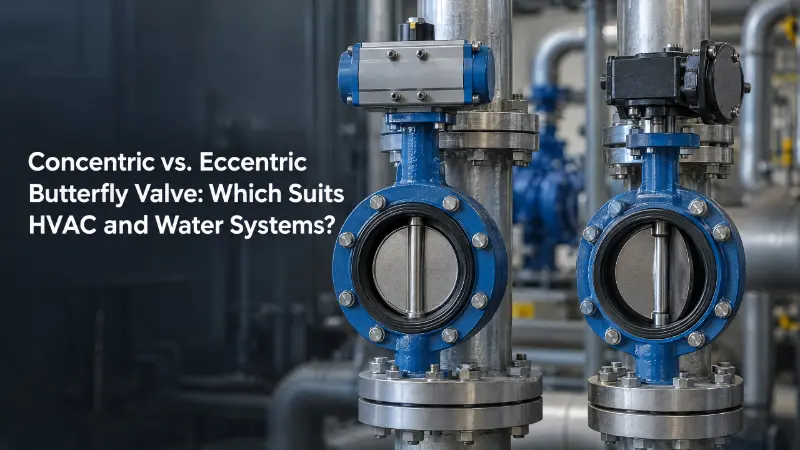 Concentric vs. Eccentric Butterfly Valve: Which Suits HVAC and Water Systems?
 Slurry Knife Gate Valve
 2026 Ranking of the World’s Top 10 Ball Valve Brands
 How to Select Part‑Turn, Linear‑Stroke and Multi‑Turn Electric Actuators
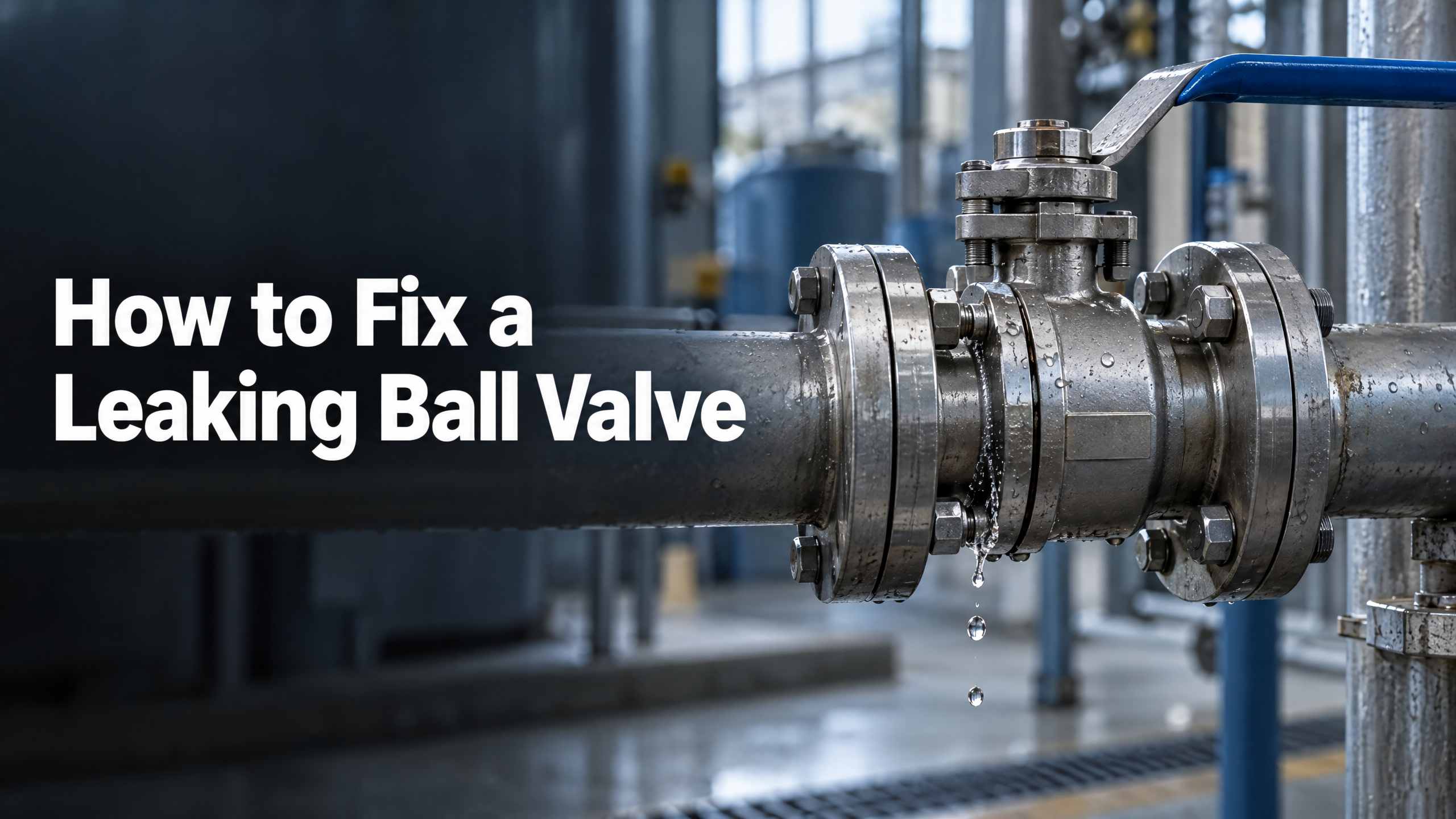 How to Fix a Leaking Ball Valve
 How to Repair a Gate Valve
 Pressure Seal Type Gate Valve for High-Pressure High-Temperature Industrial Isolation
 What Are the Differences Between Forged Valves and Cast Valves?
 Characteristics, Applications and Advantages of Carbon Steel Globe Valves
 Why Are Instrument Valves Indispensable for Industrial Control Systems?
 What is Bi-Directional Valves?
 How Does a Ball Type Check Valve Prevent Pipeline Medium Backflow?
 Selection and Precautions for Natural Gas Valves
 Athena Engineering S.R.L Wraps‑up OGA 2026 Kuala Lumpur
 What is a Gate Valve? What is Its Working Principle?
 T-Type / T-Pattern / Straight Pattern Globe Valve
 Knife Gate Valve vs Wedge Gate Valve: Which Is Better for Your Industrial Piping?
 Cryogenic Ball Valve Comprehensive Product Overview