
Understanding Self-Operated Pressure Control Valves

In fluid control systems, maintaining precise pressure levels is crucial for operational efficiency and safety. Self-operated pressure control valves are essential components designed to regulate pressure automatically without the need for external power sources or complex control systems. This article provides an in-depth look at self-operated pressure control valves, exploring their functionality, advantages, applications, and maintenance. Additionally, we will highlight Athena, a senior valves supplier renowned for its high-quality pressure control solutions.
What is a Self-Operated Pressure Control Valve?
A self-operated pressure control valve is a type of valve that regulates the pressure within a system through automatic adjustments. Unlike valves that require external power sources or control signals, self-operated pressure control valves function autonomously. They adjust the valve position based on the pressure detected within the system to maintain a predefined pressure setpoint.
These valves typically incorporate a pressure sensing mechanism and an actuator that adjusts the valve opening or closing in response to pressure changes. The self-operated nature of these valves simplifies installation and operation, making them a popular choice in various applications.
How Does a Self-Operated Pressure Control Valve Work?
The operation of a self-operated pressure control valve is based on a feedback mechanism that regulates pressure autonomously. Here’s a step-by-step breakdown of how it works:
1. Pressure Sensing: The valve is equipped with a built-in pressure sensing device, such as a diaphragm or sensor, that monitors the pressure within the system.
2. Pressure Adjustment: As the system pressure changes, the sensing device detects these variations and transmits the information to the valve’s actuator.
3. Actuator Response: The actuator adjusts the valve’s opening or closing position in response to the pressure data. If the pressure is too high, the actuator reduces the valve opening to lower the pressure. Conversely, if the pressure is too low, the actuator opens the valve further to increase the pressure.
4. Maintaining Setpoint: The valve continuously adjusts its position to maintain the desired pressure setpoint, ensuring stable and reliable pressure control.
This self-regulating mechanism eliminates the need for external control systems, reducing complexity and installation costs.
Advantages of Self-Operated Pressure Control Valves
Self-operated pressure control valves offer several significant advantages:
1. No External Power Required: One of the main benefits is that these valves do not require external power sources or control signals. They operate autonomously based on system pressure, making them more cost-effective and simpler to install.
2. Lower Installation Costs: Without the need for external controllers or electrical connections, installation costs are reduced. This also simplifies the overall system design.
3. Reliable Pressure Regulation: The automatic adjustment mechanism ensures consistent and reliable pressure control, minimizing the risk of pressure fluctuations that could impact system performance.
4. Ease of Operation: These valves are straightforward to operate, as they do not require complex settings or control adjustments. The built-in mechanism handles all pressure regulation tasks.
- Reduced Maintenance: With fewer external components and a simplified design, maintenance is generally less frequent and less complex compared to valves requiring external controls.
Common Applications for Self-Operated Pressure Control Valves
Self-operated pressure control valves are versatile and find applications across various industries and systems:
1. Water and Wastewater Treatment: In municipal water and wastewater treatment plants, these valves help maintain stable pressure in pipelines and treatment processes, ensuring efficient operation.
2. HVAC Systems: In heating, ventilation, and air conditioning systems, self-operated pressure control valves regulate pressure in fluid distribution systems, contributing to overall system efficiency.
3. Industrial Processes: Various industrial processes, such as chemical manufacturing and oil and gas operations, utilize these valves to maintain pressure levels and ensure safe and efficient operation.
4. Pump Protection: These valves are often used to protect pumps by regulating pressure on the discharge side, preventing overpressure conditions that could damage the pump.
Materials Used in Self-Operated Pressure Control Valves
The materials used in self-operated pressure control valves depend on the specific application and the type of fluid being controlled. Common materials include:
1. Stainless Steel: Known for its corrosion resistance and strength, stainless steel is often used in applications involving corrosive fluids or high temperatures.
2. Brass: Brass is a popular choice for its machinability and resistance to corrosion, making it suitable for many water and industrial applications.
3. Bronze: Bronze is used for its durability and resistance to wear, making it ideal for various industrial applications.
4. Plastics: In some applications, especially those involving corrosive fluids, plastic materials such as PVC or CPVC may be used to reduce the risk of corrosion and chemical reactions.
Setting the Pressure on a Self-Operated Pressure Control Valve
Adjusting the pressure setpoint on a self-operated pressure control valve is typically done using an adjustment mechanism built into the valve. This may include:
1. Adjustment Screw or Dial: Most valves feature a screw or dial that allows you to set the desired pressure level. By turning the screw or dial, you can calibrate the valve to the appropriate pressure setpoint.
2. Calibration: Proper calibration ensures that the valve maintains the desired pressure accurately. It is important to follow the manufacturer’s guidelines for adjusting and calibrating the valve to ensure optimal performance.
Maintenance of Self-Operated Pressure Control Valves
Regular maintenance is essential to ensure the continued performance and reliability of self-operated pressure control valves. Key maintenance tasks include:
1. Inspecting for Leaks: Regularly check the valve for any signs of leakage around the connections or valve body.
2. Checking Operation: Ensure that the valve is functioning correctly by observing its response to pressure changes and verifying that it maintains the setpoint accurately.
3. Cleaning: Keep the valve clean from debris and contaminants that could affect its operation.
4. Replacing Worn Parts: Replace any worn or damaged components, such as seals or diaphragms, to maintain optimal performance.
High-Pressure Applications and Self-Operated Pressure Control Valves
Self-operated pressure control valves are generally suitable for moderate pressure applications. For high-pressure conditions, specialized high-pressure valves or alternative pressure control solutions may be necessary. It is important to select a valve designed to handle the specific pressure requirements of your application to ensure safety and reliability.
Selecting the Right Self-Operated Pressure Control Valve
When selecting a self-operated pressure control valve, consider the following factors:
1. Pressure Range: Choose a valve that can handle the pressure range required for your application. Verify the valve’s pressure rating to ensure it meets your system’s needs.
2. Fluid Type: Ensure the valve material is compatible with the type of fluid being controlled. This helps prevent corrosion and damage.
3. Temperature Conditions: Select a valve that can operate effectively within the temperature range of your system.
- Valve Size: Ensure the valve size matches the flow rate and pipe dimensions of your system for optimal performance.
- System Requirements: Consider the specific requirements of your system, including installation space and operational needs, to select the most appropriate valve.
Athena: A Leading Supplier of Self-Operated Pressure Control Valves
When it comes to high-quality self-operated pressure control valves, Athena stands out as a premier supplier based. Known for its commitment to excellence and innovation, Athena offers a wide range of valve solutions that adhere to rigorous industry standards.
Athena’s self-operated pressure control valves are designed to provide reliable pressure regulation and durable performance across various applications. Their extensive product range and expertise in valve technology make them a trusted partner for businesses seeking dependable pressure control solutions.
Conclusion
Self-operated pressure control valves are essential components in fluid control systems, offering automatic and reliable pressure regulation without the need for external power sources. Their simple design, cost-effectiveness, and ease of operation make them a popular choice for a wide range of applications.
By understanding their operation, advantages, and maintenance requirements, you can make informed decisions for your fluid control needs. When sourcing high-quality self-operated pressure control valves, Athena provides a valuable resource with their extensive product range and industry-leading solutions.
For businesses seeking dependable self-operated pressure control valves, Athena’s expertise and commitment to quality ensure that you receive products that enhance your system’s performance and reliability.
 How Does a Ball Type Check Valve Prevent Pipeline Medium Backflow?
  Selection and Precautions for Natural Gas Valves
  Athena Engineering S.R.L Wraps‑up OGA 2026 Kuala Lumpur
  What is a Gate Valve? What is Its Working Principle?
  T-Type / T-Pattern / Straight Pattern Globe Valve
  Knife Gate Valve vs Wedge Gate Valve: Which Is Better for Your Industrial Piping?
  Cryogenic Ball Valve Comprehensive Product Overview
  Causes and Treatments for Poor Valve Shut‑Off
  Athena Triple Offset Butterfly Valves
  What is the Difference Between Swing Check Valve and NRV? A Complete Explanation
  Common Connection Types of Valves
  5 Piping Design Mistakes That Are Killing Your Valves
  Float Valve: Structure, Principle and Application
  High Pressure Needle Valve High-Precision Fluid Control Valve
  What is a Piston Check Valve?
  Meet Us at OGA 2026 | Booth 6802, Hall 6
  What is a Level Gauge? Working Principles, Types and Industrial Applications
 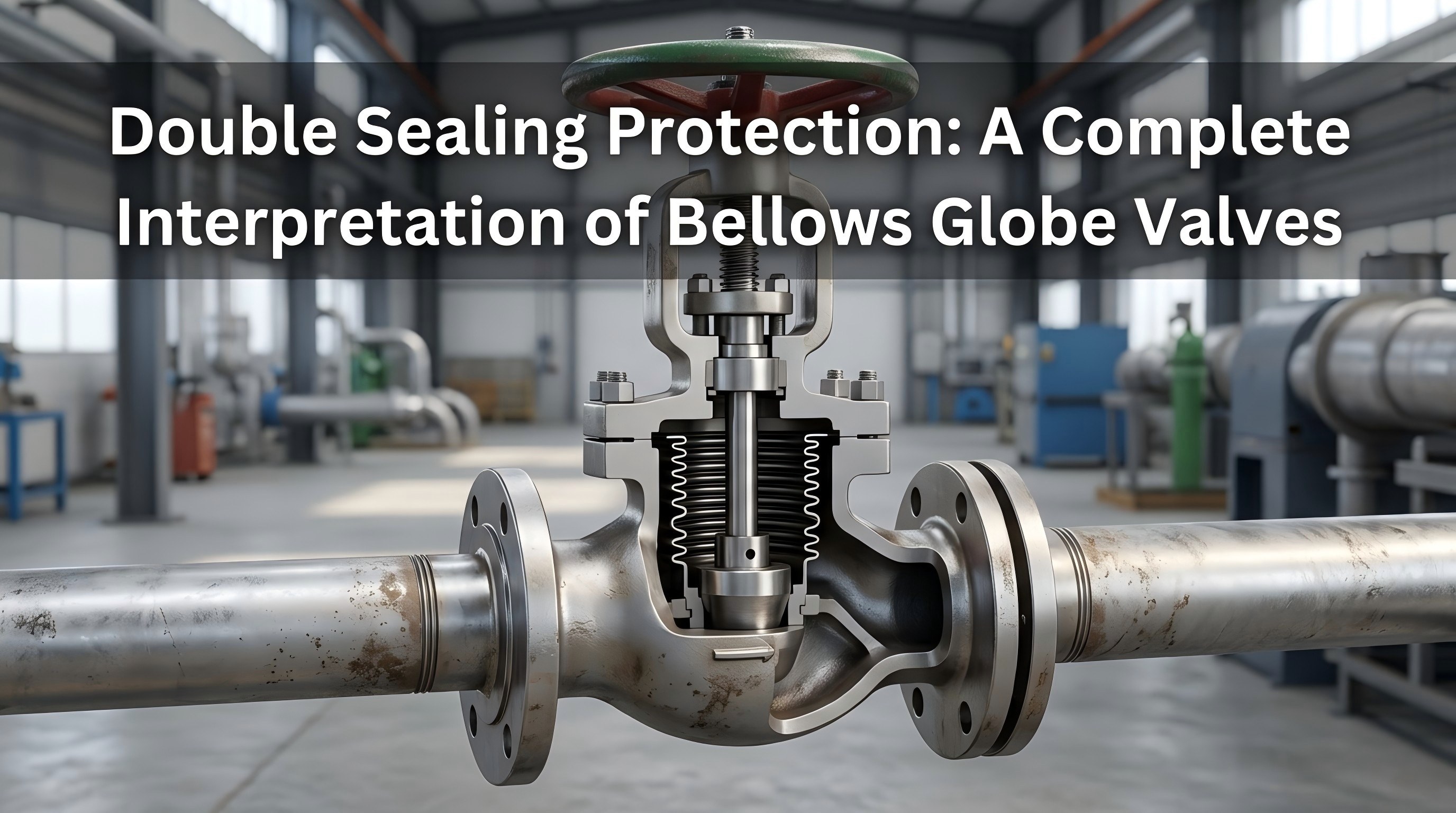 Double Sealing Protection: A Complete Interpretation of Bellows Globe Valves
  End-Suction Pump vs Inline Pumps: Which One Is Right for You?
  Method of Selecting Valve Types Based on Throttling Degree