
Understanding Self-Operated Control Valves: Features, Applications, and Advantages
A self-operated control valve, also known as a self-actuated valve, is an essential piece of equipment in industries that require precise control over fluid or gas flow. These valves operate without external power or control signals, using the system's own energy, making them ideal for applications in remote or hazardous environments. By efficiently regulating pressure or temperature, they help maintain the operational integrity of industrial processes. In this article, we'll explore the various types, applications, and advantages of self-operated control valves while highlighting Athena, a leading supplier of such valves.

What is a Self-Operated Control Valve?
A self-operated control valve adjusts pressure, temperature, or flow rate using the process medium's energy, eliminating the need for external control mechanisms such as electricity or pneumatic systems. These valves can be used in both pressure-reducing and pressure-relieving scenarios, making them highly versatile for a wide range of applications.
How Does a Self-Operated Control Valve Work?
The working principle of a self-operated control valve is based on the direct action of the process fluid, which exerts pressure on a diaphragm or piston. This force is counteracted by a spring, creating a balance that allows the valve to open or close depending on the desired setpoint.
For instance, in pressure control applications, if the downstream pressure increases beyond the setpoint, the valve will close to maintain consistent pressure. On the other hand, if the pressure drops below the setpoint, the valve opens to allow more flow, keeping the system in balance.
Types of Self-Operated Control Valves
There are various types of self-operated control valves, each designed for specific industrial needs:
1. Self-Operated Pressure Reducing Valves
These valves are used to reduce inlet pressure to a stable, predefined outlet pressure. They are commonly employed in gas and liquid systems.
2. Self-Operated Back Pressure Regulators
These valves maintain a constant upstream pressure by allowing excess fluid to flow out of the system when the pressure exceeds the setpoint. They're often used in pipelines to prevent overpressure.
3. Self-Operated Temperature Control Valves
These valves maintain a set temperature by adjusting the flow of heating or cooling media, making them highly useful in HVAC and process heating systems.
Common Questions About Self-Operated Control Valves
1. What are the Benefits of Self-Operated Control Valves?
Self-operated control valves offer several advantages:
a. Energy Efficiency: Since they don't require external power sources, they reduce energy consumption and operational costs.
b. Simplicity: These valves are easy to install and maintain, given their simple design with minimal moving parts.
c. Reliability: Their autonomous operation ensures consistent performance, even in power outage scenarios or remote locations.
d. Cost-Effectiveness: By eliminating the need for additional control systems, installation and maintenance costs are significantly reduced.
2. Where Are Self-Operated Control Valves Used?
Self-operated control valves are widely used across multiple industries:
a. Oil and Gas: These valves regulate pressure in pipelines, helping prevent overpressure scenarios.
b. Chemical Processing: They ensure the safe and consistent flow of chemicals by maintaining stable pressure and temperature.
c. HVAC Systems: These valves are used to regulate temperature in heating and cooling systems, enhancing energy efficiency.
d. Water Treatment: In water and wastewater treatment plants, they help control flow and pressure to ensure system stability.
3. How Do You Maintain a Self-Operated Control Valve?
Regular maintenance is crucial for the longevity and performance of self-operated control valves. Some key tasks include:
a. Checking for Leaks: Periodically inspect the valve for leaks or signs of wear, especially around seals and connections.
b. Cleaning: Ensure the valve is free from debris, which could affect its operation.
c. Replacing Worn Parts: Diaphragms, springs, and seals should be replaced when necessary to maintain optimal functionality.
d. Calibration: Periodically adjust the setpoint and ensure it is correctly calibrated for accurate control.
Choosing the Right Self-Operated Control Valve
When selecting a self-operated control valve, several factors need to be considered:
1. Pressure Range: Ensure the valve can handle the desired operating pressure.
2. Flow Rate: Choose a valve that can manage the flow requirements of your system.
3. Material Compatibility: Ensure the valve material is resistant to the media being controlled, especially in aggressive environments. Materials like stainless steel or Duplex alloys are often used for corrosive media.
4. Temperature Range: If the valve is used in temperature control, it must be rated for the maximum operating temperature of the system.
Maintenance Tips for Self-Operated Control Valves
1. Regular Inspections: Keep a maintenance schedule to routinely inspect the valve for signs of wear or damage.
2. Part Replacement: Replace seals, diaphragms, and other internal components that are subject to wear and tear.
3. Cleanliness: Keeping the valve clean from dust, debris, and chemicals ensures long-term reliability.
4. Calibration: Regularly check and recalibrate the setpoints to ensure precise control.
Why Choose Athena?
When it comes to sourcing reliable self-operated control valves, Athena stands out as a leading supplier. Athena’s valves are known for their durability, precision, and high performance across various industries, including oil and gas, water treatment, and HVAC. With a commitment to innovation and quality, Athena offers a wide range of self-operated valves that meet the highest industry standards. Whether you need pressure-reducing, back pressure, or temperature control valves, Athena provides customized solutions to fit your specific needs.
Conclusion
Self-operated control valves are a cost-effective, energy-efficient solution for various industrial processes. Their autonomous operation and reliability make them ideal for systems requiring constant pressure or temperature control without external power. By choosing a trusted supplier like Athena, industries can ensure the long-term stability and efficiency of their operations. Whether in HVAC, chemical processing, or water treatment, these valves offer unparalleled reliability and performance.
 How Does a Ball Type Check Valve Prevent Pipeline Medium Backflow?
  Selection and Precautions for Natural Gas Valves
  Athena Engineering S.R.L Wraps‑up OGA 2026 Kuala Lumpur
  What is a Gate Valve? What is Its Working Principle?
  T-Type / T-Pattern / Straight Pattern Globe Valve
  Knife Gate Valve vs Wedge Gate Valve: Which Is Better for Your Industrial Piping?
  Cryogenic Ball Valve Comprehensive Product Overview
  Causes and Treatments for Poor Valve Shut‑Off
  Athena Triple Offset Butterfly Valves
  What is the Difference Between Swing Check Valve and NRV? A Complete Explanation
  Common Connection Types of Valves
  5 Piping Design Mistakes That Are Killing Your Valves
  Float Valve: Structure, Principle and Application
  High Pressure Needle Valve High-Precision Fluid Control Valve
  What is a Piston Check Valve?
  Meet Us at OGA 2026 | Booth 6802, Hall 6
  What is a Level Gauge? Working Principles, Types and Industrial Applications
 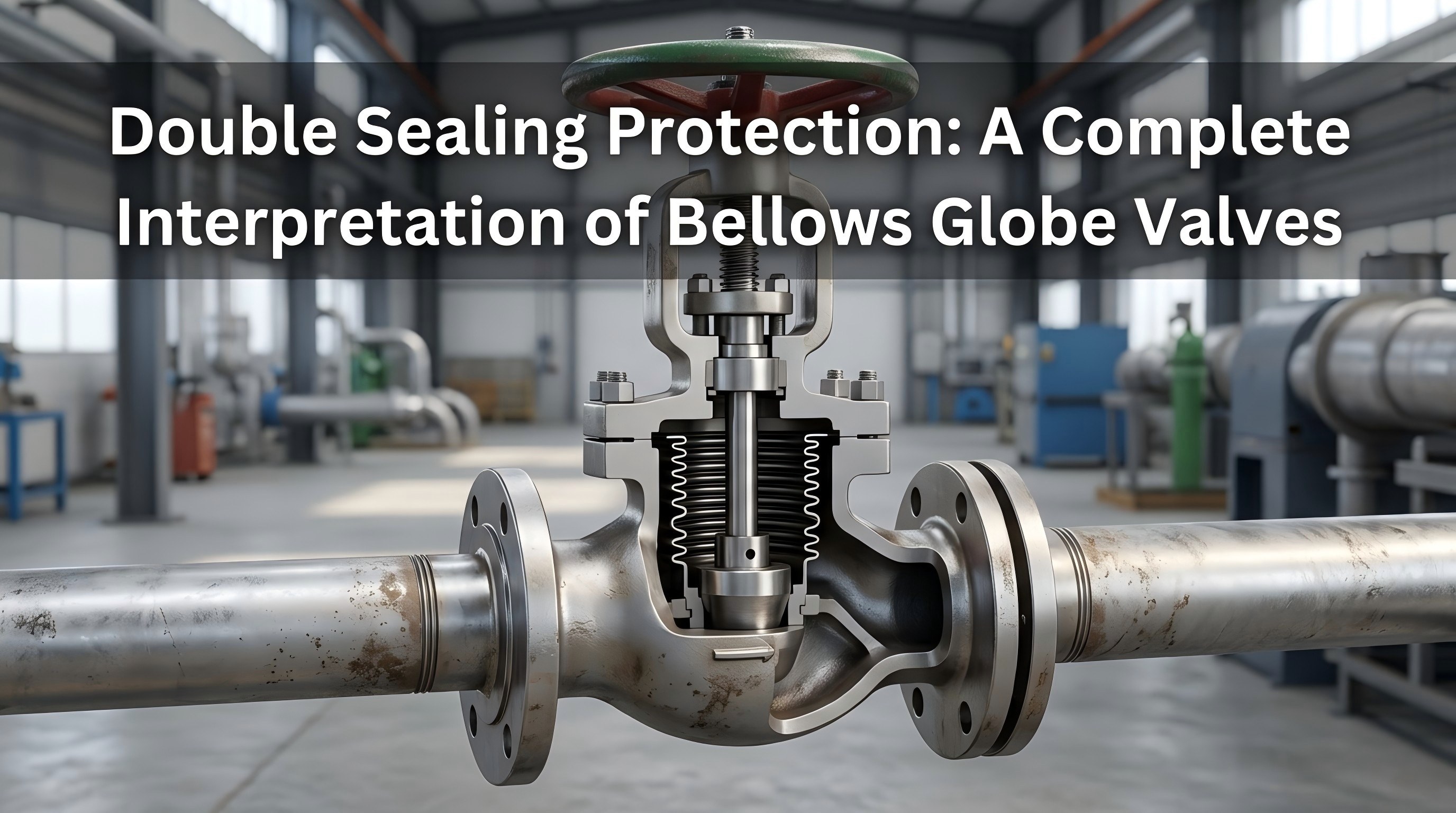 Double Sealing Protection: A Complete Interpretation of Bellows Globe Valves
  End-Suction Pump vs Inline Pumps: Which One Is Right for You?
  Method of Selecting Valve Types Based on Throttling Degree