
Understanding API 608 Ball Valves
2025-01-21
API 608 ball valves are essential components used in high-pressure applications, particularly in the petroleum, chemical, and petrochemical industries. These valves play a vital role in controlling the flow of gases and liquids within a piping system. Manufactured to meet stringent industry standards, API 608 ball valves ensure reliability, safety, and long-lasting performance. Below, we explore the most common questions users have about API 608 ball valves, providing detailed answers and incorporating key information.

1. What is an API 608 Ball Valve?
An API 608 ball valve is a type of ball valve designed to meet the specifications of the American Petroleum Institute (API) standard 608. These valves are used to control the flow of various fluids and gases in high-pressure and high-temperature environments. API 608 ball valves feature a rotating spherical ball that controls the flow through the valve when it is turned to different positions, opening or closing the passage. The valve body typically features flanged or butt-welding ends, making it suitable for industrial applications requiring a robust and leak-free sealing solution.
2. What Are the Key Features of API 608 Ball Valves?
API 608 ball valves come with several key features that make them ideal for high-pressure systems:
Durable Construction: These valves are made of high-strength stainless steel or carbon steel, offering excellent resistance to corrosion and wear, essential in harsh environments like petrochemical plants.
Pressure and Temperature Endurance: API 608 valves are designed to handle extreme pressure and temperature conditions, ensuring safe operation in demanding industrial applications.
Flanged and Butt-Weld End Connections: The valve's flanged or butt-weld connections provide secure, reliable sealing that prevents leakage, making it suitable for high-pressure pipelines and systems.
Fire-Safe Design: Many API 608 ball valves feature fire-safe design standards, ensuring the valve maintains its integrity even in the event of a fire.
3. How Do API 608 Ball Valves Differ from Other Valve Types?
Compared to other valve types, API 608 ball valves offer several distinguishing features:
Ball Valve Mechanism: Unlike gate or globe valves, which use sliding mechanisms to control flow, the API 608 uses a spherical ball that rotates to open or close the valve, offering faster operation and less wear.
API 608 Standard Compliance: API 608 valves adhere strictly to the design, testing, and inspection protocols set by the American Petroleum Institute, ensuring consistent performance and durability across industries like oil, gas, and chemicals.
High-Pressure and High-Temperature Rating: API 608 ball valves are particularly suited for high-pressure applications, offering superior sealing and performance under extreme conditions compared to other valve types.
4. What Are the Applications of API 608 Ball Valves?
API 608 ball valves are widely used across various industries due to their robust design and reliability in controlling fluid and gas flow. Common applications include:
Oil and Gas Industry: For regulating the flow of crude oil, natural gas, and other petroleum products in pipelines and processing plants.
Petrochemical Processing: Used to control the flow of chemicals, gases, and liquids within petrochemical plants.
Power Plants: API 608 valves are used in power plant applications to control steam and water flow, ensuring efficient energy generation.
Water Treatment Systems: Used to control the flow of water and chemicals in municipal water treatment plants and industrial wastewater facilities.
5. What Are the Benefits of Using API 608 Ball Valves?
The benefits of API 608 ball valves include:
High Reliability: These valves are designed to perform consistently even under extreme pressure and temperature conditions, providing reliable service in high-demand environments.
Ease of Operation: The ball valve mechanism allows for quick and easy opening and closing, making it ideal for applications requiring fast response times.
Leak-Free Sealing: With their tight seal and advanced materials, these valves ensure minimal leakage, which is critical in high-pressure systems.
Long Service Life: API 608 valves are constructed with durable materials that ensure a long operational life with minimal maintenance requirements.
6. How Do I Select the Appropriate API 608 Ball Valve for My Application?
Selecting the right API 608 ball valve for your application requires careful consideration of several factors:
Pressure and Temperature Requirements: Ensure the valve is rated for the maximum pressure and temperature it will encounter in your system.
Material Compatibility: Choose materials compatible with the fluids or gases that the valve will handle. For corrosive or abrasive fluids, stainless steel or special alloys may be necessary.
Size and End Connections: The valve size and type of end connection (flanged, butt-weld, etc.) must match the specifications of your piping system for a secure and efficient installation.
Valve Type (Trunnion or Floating): Depending on the specific application, you may choose a floating ball valve for smaller sizes or a trunnion-mounted ball valve for larger sizes and higher-pressure systems.
7. Are There Different Types of API 608 Ball Valves?
Yes, there are different types of API 608 ball valves, each suited to specific applications:
Floating Ball Valves: In these valves, the ball is not fixed and relies on the pressure of the flow to seat tightly against the downstream seat.
Trunnion-Mounted Ball Valves: The ball in these valves is supported at both ends, making them ideal for large sizes and high-pressure applications. They are commonly used for pipelines in the oil and gas industry.
8. What Are the Common Challenges Associated with API 608 Ball Valves?
Common challenges include:
Installation Complexity: Proper installation is crucial to prevent leaks and ensure optimal valve performance. Incorrect installation can lead to valve failure and costly repairs.
High Maintenance Requirements: Regular inspection, cleaning, and maintenance are essential to prevent wear and tear, especially in harsh industrial environments.
Seal Wear: Over time, the seals in API 608 ball valves can wear out due to high pressure and temperature, leading to potential leakage. Regular maintenance and timely replacement of seals can mitigate this issue.
9. How Do API 608 Ball Valves Compare to Other Valve Standards?
Compared to other valve standards, API 608 ball valves are designed to offer superior performance under high pressure and temperature conditions. Other standards, such as API 6D, are used for different valve types, including gate, globe, and check valves, and are suitable for a wider range of applications. API 608 focuses on ball valves and ensures the highest level of safety and durability for industries that deal with extreme conditions.
10. Can API 608 Ball Valves Be Used in All Applications?
While API 608 ball valves are ideal for the oil, gas, and petrochemical industries, they may not be suitable for all applications. For example, in industries with lower-pressure systems or systems that handle non-corrosive fluids, other valve types may be more appropriate. Always consult with a valve specialist to ensure the correct valve is selected for your application.
11. What Maintenance Is Required for API 608 Ball Valves?
To keep your API 608 ball valve in optimal condition, regular maintenance is necessary:
Periodic Inspection: Regularly check the valve for leaks, corrosion, and any signs of wear, especially on the seals and seats.
Lubrication: Ensure that the valve's moving parts, such as the stem and ball, are properly lubricated to reduce friction and ensure smooth operation.
Seal and Seat Replacement: Over time, seals and seats may wear out. Replacing these components at regular intervals will help maintain valve performance and prevent leaks.
Conclusion: Why Choose API 608 Ball Valves?
API 608 ball valves are indispensable for industries requiring high-performance valves that can withstand extreme pressure and temperature. Their robust design, superior sealing capabilities, and long service life make them an essential part of applications in the oil, gas, and petrochemical industries. If you are looking for high-quality API 608 ball valves, Athena Engineering offers a wide range of valves that comply with the highest industry standards. Contact us today to learn more about our products and how they can enhance the efficiency and safety of your operations.
 How Does a Ball Type Check Valve Prevent Pipeline Medium Backflow?
  Selection and Precautions for Natural Gas Valves
  Athena Engineering S.R.L Wraps‑up OGA 2026 Kuala Lumpur
  What is a Gate Valve? What is Its Working Principle?
  T-Type / T-Pattern / Straight Pattern Globe Valve
  Knife Gate Valve vs Wedge Gate Valve: Which Is Better for Your Industrial Piping?
  Cryogenic Ball Valve Comprehensive Product Overview
  Causes and Treatments for Poor Valve Shut‑Off
  Athena Triple Offset Butterfly Valves
  What is the Difference Between Swing Check Valve and NRV? A Complete Explanation
  Common Connection Types of Valves
  5 Piping Design Mistakes That Are Killing Your Valves
  Float Valve: Structure, Principle and Application
  High Pressure Needle Valve High-Precision Fluid Control Valve
  What is a Piston Check Valve?
  Meet Us at OGA 2026 | Booth 6802, Hall 6
  What is a Level Gauge? Working Principles, Types and Industrial Applications
 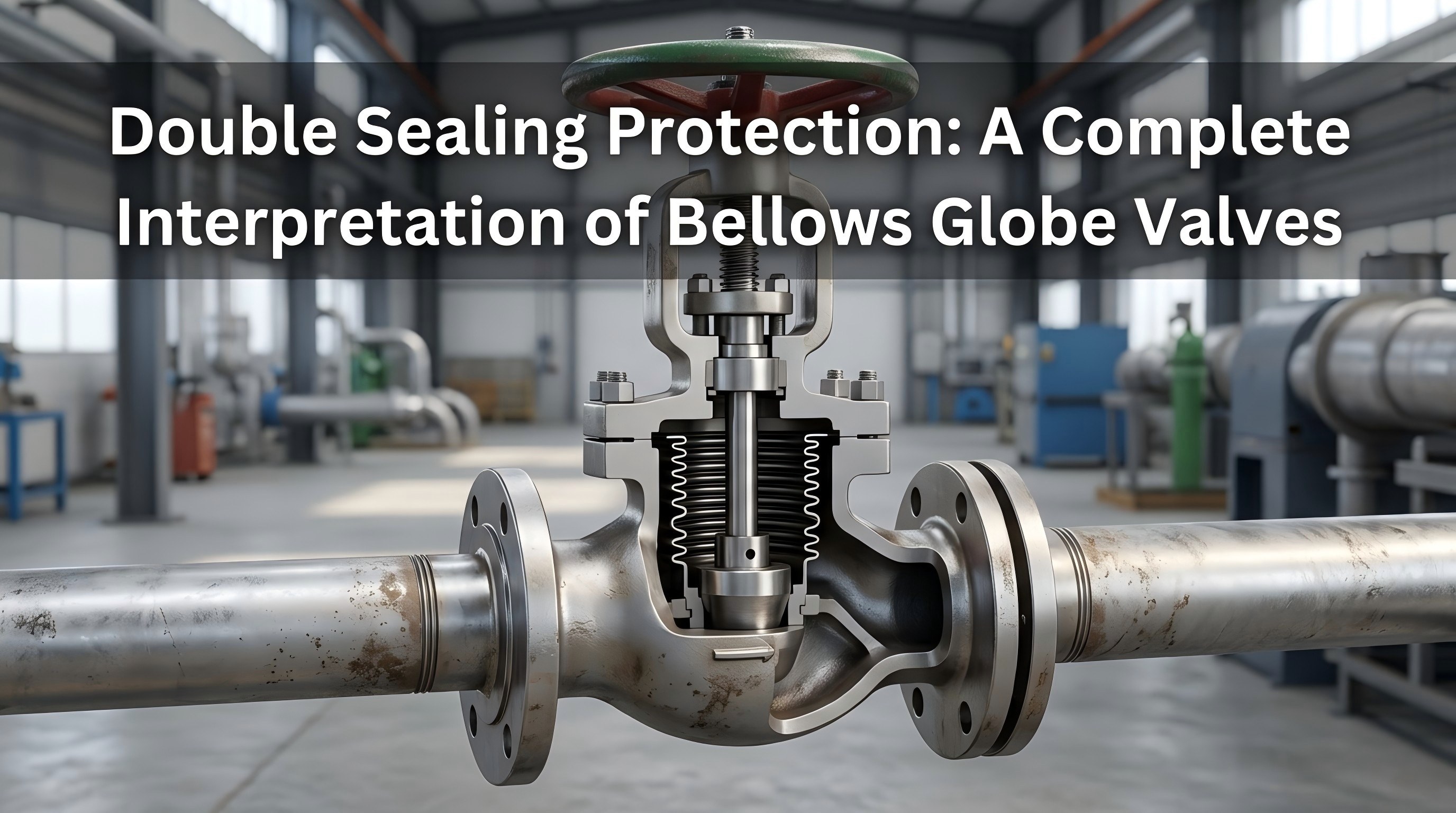 Double Sealing Protection: A Complete Interpretation of Bellows Globe Valves
  End-Suction Pump vs Inline Pumps: Which One Is Right for You?
  Method of Selecting Valve Types Based on Throttling Degree