
Top Entry Ball Valve: A Comprehensive Guide
A top entry ball valve is a crucial component in industrial piping systems, known for its durability, ease of maintenance, and efficient flow control. This article delves into the key aspects of top entry ball valves, addressing frequently asked questions and providing valuable insights into their features, applications, and advantages.

What is a Top Entry Ball Valve?
A top entry ball valve allows access to its internal components (ball, seats, and stem) through the top of the valve, typically without needing to remove the valve from the pipeline. This unique design makes it easier to service and maintain compared to other types of ball valves, like side-entry or split-body designs, which often require full removal from the system.
Advantages of Top Entry Ball Valves
1. Ease of Maintenance
One of the most significant advantages of top entry ball valves is the ease of inline maintenance. Technicians can access the internal parts, such as the seats and ball, by removing the bonnet, reducing downtime and simplifying repair tasks.
2. Reliable Performance
Top entry ball valves offer excellent sealing and are capable of maintaining reliable shut-off, even in severe service conditions. They are particularly effective at reducing fugitive emissions and meeting safety regulations in industries like oil and gas, petrochemicals, and power generation.
3. Variety of Designs
These valves come in both soft-seated and metal-seated designs, allowing for use in a range of temperatures and pressures. Soft-seated valves, typically made of materials like PTFE, are ideal for general-purpose applications, while metal-seated valves are suitable for high-temperature and abrasive environments.
4. Rugged Construction
Designed for durability, top entry ball valves are constructed from materials like stainless steel, carbon steel, and other alloys, making them resistant to corrosion, high pressure, and extreme temperatures. This ruggedness ensures reliable operation over extended periods.
5. Automated Options
Top entry ball valves can be automated, offering compatibility with pneumatic, electric, or hydraulic actuators. This enhances their efficiency and enables remote operation, reducing human error and improving system flexibility.
Common Applications of Top Entry Ball Valves
Top entry ball valves are used in a variety of industries due to their versatility and reliability. Some common applications include:
1. Oil and Gas Industry
In oil refineries and offshore platforms, top entry ball valves play a critical role in controlling the flow of liquids and gases, especially in high-pressure environments.
2. Chemical Processing
These valves are ideal for handling corrosive and abrasive chemicals, ensuring long-term performance without frequent maintenance.
3. Power Generation
In power plants, where heat and pressure are significant concerns, top entry ball valves provide reliable flow control and help maintain safety by preventing leaks.
4. Water Treatment Facilities
These valves are used in water treatment plants for controlling water flow, ensuring smooth operations in filtration and distribution processes.
Differences Between Top Entry and Side Entry Ball Valves
1. Maintenance
Top entry ball valves allow for easier inline maintenance, as they do not need to be removed from the pipeline for internal repairs. In contrast, side entry valves typically require full removal, making maintenance more time-consuming.
2. Durability
While both types of valves are durable, side entry valves often have a heavier construction, making them preferable for extremely high-pressure applications. However, top entry valves excel in environments where space is limited and ease of access is a priority.
3. Cost and Installation
Side entry ball valves tend to be more expensive and harder to install due to their complex design. On the other hand, top entry valves, with fewer parts, offer a more cost-effective solution in certain industrial settings.
Choosing the Right Top Entry Ball Valve
Selecting the right top entry ball valve for your specific industrial application involves considering a wide range of factors. Making the correct choice ensures optimal performance, minimizes maintenance needs, and enhances safety. Here’s an in-depth look at the critical criteria you should assess when choosing the best top entry ball valve for your system.
1. Valve Size and Flow Capacity
The size of the valve is a fundamental consideration when selecting a top entry ball valve. Valve size directly impacts the flow capacity, which is determined by the valve's inner diameter. A larger valve offers higher flow rates, which may be essential in some applications. However, the correct size is largely dependent on the specific system requirements. For example, in applications requiring precise flow control, such as in chemical processing, selecting the right valve size is critical to ensure efficiency and safety.
2. Pressure and Temperature Ratings
When choosing a top entry ball valve, you must consider the operating pressure and temperature of the media passing through the valve. Top entry ball valves are designed to handle various pressure levels, from low to very high, depending on the materials used in construction. Similarly, the temperature resistance is determined by both the body material and seat design. Metal-seated valves, for instance, are preferred for high-temperature applications due to their enhanced durability. On the other hand, soft-seated valves, made from materials like PTFE, perform better in lower temperature ranges and are ideal for general-purpose industrial applications.
3. Material Compatibility
The material of the valve plays a critical role in determining its performance and longevity. Stainless steel is often preferred for its corrosion resistance, making it ideal for chemical processing and water treatment applications. Carbon steel, on the other hand, provides strength and durability in oil and gas industries but may be more susceptible to corrosion in highly acidic or saline environments. For highly corrosive fluids, valves made from special alloys or lined with protective materials are necessary to prevent rapid wear and tear. Ensuring material compatibility between the valve and the media flowing through it can significantly extend the valve's lifespan.
4. Seating Material
The type of seating in the top entry ball valve can significantly influence performance. Soft-seated valves, which use materials like PTFE or elastomers, offer excellent sealing capabilities and are ideal for general applications. These soft materials provide a tight shut-off, preventing leaks and ensuring process integrity. However, in high-temperature or abrasive environments, soft seats may degrade, leading to performance issues. Metal-seated valves are more suitable in these scenarios, providing superior durability and resistance to wear and tear. Selecting the correct seat material based on the operating environment will optimize valve performance and ensure safety.
Why Consider Valve Supplier Athena?
Valve suppliers, such as Athena, are becoming key players in the global valve market. Athena offers a wide range of top entry ball valves, providing high-quality, cost-effective solutions for various industries. Their valves meet international standards, and their extensive manufacturing capabilities allow them to cater to both small-scale and large-scale industrial projects. Whether you need valves for oil and gas, chemical processing, or water treatment, Athena’s top entry ball valves are designed to deliver reliable performance and longevity, all at competitive prices.
Conclusion
Top entry ball valves are a valuable asset in many industrial applications, offering durability, easy maintenance, and reliable sealing. Their design makes them an excellent choice for critical services, especially in industries like oil and gas, chemicals, and power generation. By selecting a reputable supplier like Athena, companies can ensure that they receive top-quality valves that meet the demands of their operations.
Whether you are upgrading your current system or installing new pipelines, investing in top entry ball valves is a smart choice for long-term efficiency and reduced operational downtime.
 How Does a Ball Type Check Valve Prevent Pipeline Medium Backflow?
  Selection and Precautions for Natural Gas Valves
  Athena Engineering S.R.L Wraps‑up OGA 2026 Kuala Lumpur
  What is a Gate Valve? What is Its Working Principle?
  T-Type / T-Pattern / Straight Pattern Globe Valve
  Knife Gate Valve vs Wedge Gate Valve: Which Is Better for Your Industrial Piping?
  Cryogenic Ball Valve Comprehensive Product Overview
  Causes and Treatments for Poor Valve Shut‑Off
  Athena Triple Offset Butterfly Valves
  What is the Difference Between Swing Check Valve and NRV? A Complete Explanation
  Common Connection Types of Valves
  5 Piping Design Mistakes That Are Killing Your Valves
  Float Valve: Structure, Principle and Application
  High Pressure Needle Valve High-Precision Fluid Control Valve
  What is a Piston Check Valve?
  Meet Us at OGA 2026 | Booth 6802, Hall 6
  What is a Level Gauge? Working Principles, Types and Industrial Applications
 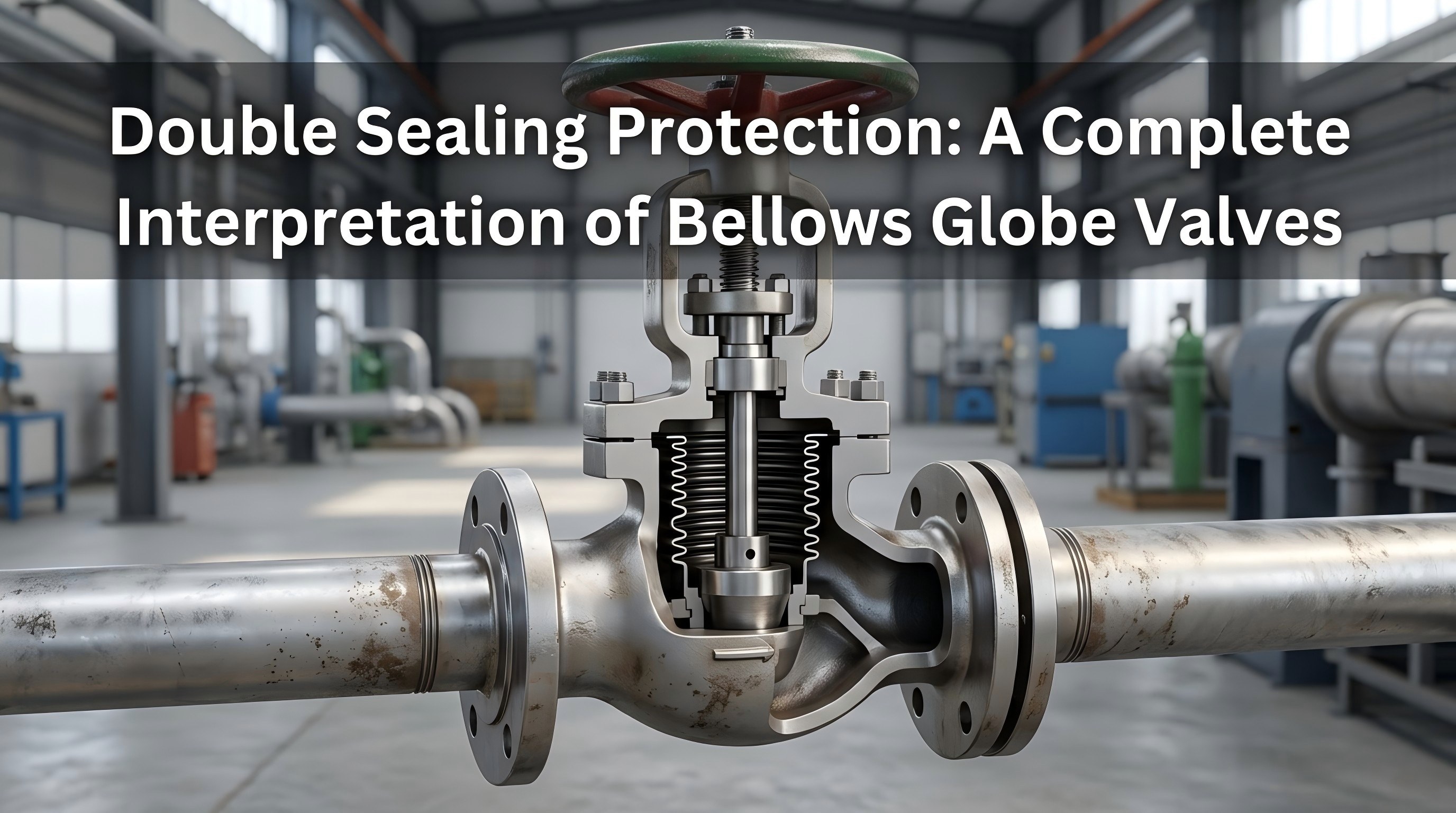 Double Sealing Protection: A Complete Interpretation of Bellows Globe Valves
  End-Suction Pump vs Inline Pumps: Which One Is Right for You?
 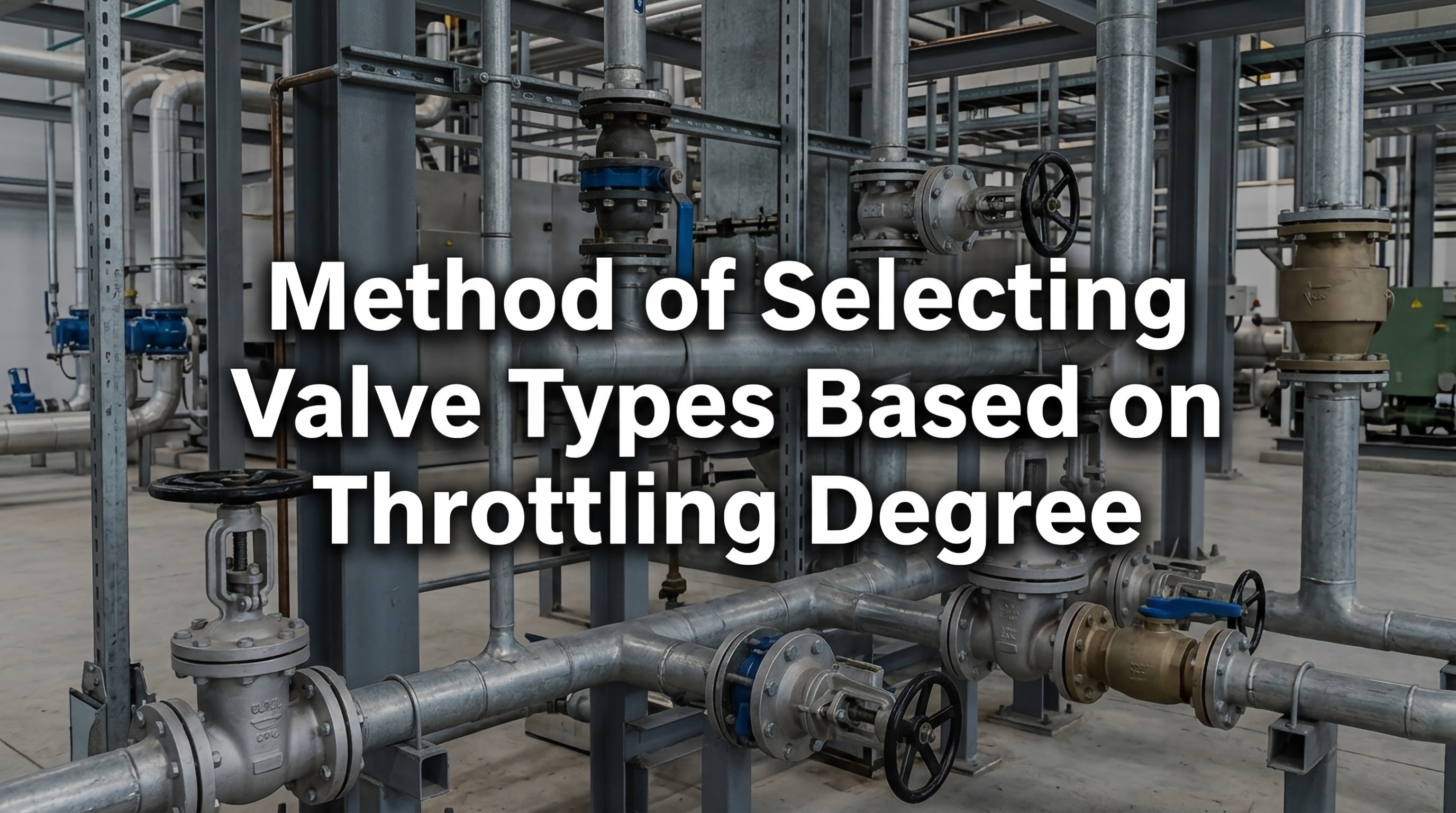 Method of Selecting Valve Types Based on Throttling Degree