
Introduction to SW Ball Valves
2025-01-08
SW ball valves, or socket weld ball valves, are designed for high-pressure applications where secure and leak-proof sealing is crucial. Unlike traditional ball valves that use threaded or flanged connections, SW ball valves are welded directly to the pipe, making them more suitable for applications where reliability and durability are necessary. The compact design, high-pressure tolerance, and robust construction make them popular in industries such as oil and gas, chemical processing, water treatment, and more.
Next, we will explore the key features, benefits, applications, and common issues surrounding SW ball valves, providing you with valuable information to help you choose the right valve for your needs.
What is an SW Ball Valve?
An SW ball valve is a type of quarter-turn valve with a ball inside that controls the flow of fluids. The term "SW" refers to the socket weld type of connection, which is distinct from threaded or flanged connections commonly used in other types of ball valves. In a socket weld ball valve, the pipe is inserted into the valve socket and welded to form a strong, permanent connection.
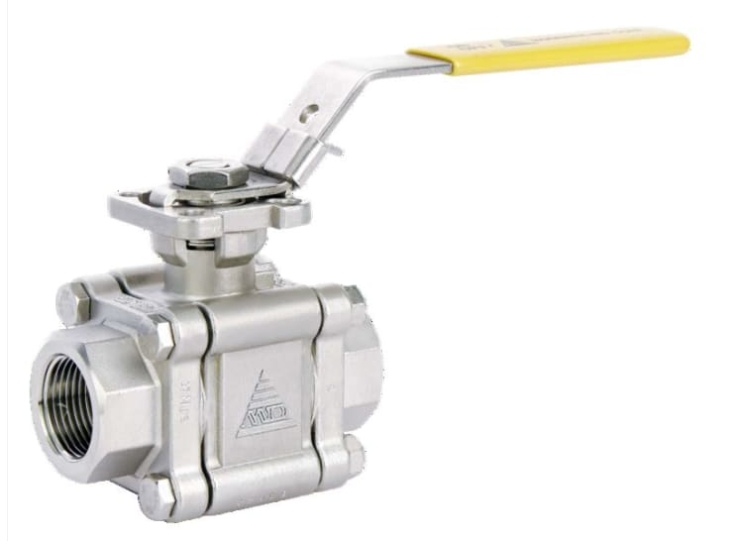
Key Features of SW Ball Valves:
Socket Weld Connection: This type of connection involves welding the valve directly to the pipe, which ensures a more durable, leak-proof seal compared to threaded connections.
Compact and Robust: The SW ball valve design is compact, saving space and offering higher pressure handling capabilities in systems with limited room.
Durability: These valves are constructed from corrosion-resistant materials like stainless steel, ensuring longevity and reliability even in demanding environments.
High-Pressure Tolerance: SW ball valves can handle high pressures, which makes them ideal for industries requiring secure sealing under intense conditions, such as oil and gas pipelines.
Common Applications of SW Ball Valves
SW ball valves are used in a variety of industries, offering versatility and excellent performance in numerous applications. Below are the primary sectors where these valves are commonly employed:
a. Oil and Gas Industry
In the oil and gas sector, SW ball valves are critical components for regulating the flow of oil, gas, and other materials in pipelines. Their high-pressure tolerance and leak-proof design make them perfect for preventing leaks in challenging environments, where safety and reliability are of utmost importance.
b. Chemical Processing
Due to their resistance to corrosion and high chemical compatibility, SW ball valves are frequently used in chemical processing plants. These valves handle aggressive fluids and gases while maintaining a secure seal, minimizing the risk of leakage and contamination.
c. Water and Wastewater Treatment
In water treatment plants, SW ball valves are often employed to control the flow of water through filtration and purification systems. Their compact design makes them ideal for applications where space is limited but reliability is essential.
d. Power Generation
In power plants, particularly in steam and thermal power plants, SW ball valves are used to control the flow of steam and water. Their ability to withstand high-pressure environments ensures that they continue to operate effectively in the harsh conditions found within turbines and heat exchangers.
Advantages of SW Ball Valves
There are numerous reasons why industries choose SW ball valves for their applications. Below are the key advantages of this valve type:
a. Leak-Proof Connection
One of the most significant benefits of SW ball valves is their leak-proof connection. The socket weld design creates a permanent, high-integrity seal that reduces the risk of leakage, even under high-pressure conditions. This makes SW ball valves particularly suited for critical applications in industries like oil and gas, where safety is a top priority.
b. High Pressure and Temperature Tolerance
SW ball valves are designed to handle high-pressure systems, making them ideal for environments that require robust sealing under extreme conditions. Additionally, SW ball valves made from materials like stainless steel can tolerate high temperatures, providing excellent performance in steam systems and other high-heat applications.
c. Easy Installation
The socket weld connection of SW ball valves simplifies the installation process. Unlike flanged ball valves, which may require additional gaskets and bolts, SW ball valves can be directly welded to the pipe, ensuring a quick, secure, and easy installation without the need for extra components.
d. Durability and Longevity
Made from high-quality materials like stainless steel, SW ball valves offer superior resistance to corrosion, wear, and tear. This makes them an excellent choice for applications in aggressive environments, where long-term reliability and performance are essential.
Common Issues with SW Ball Valves
While SW ball valves are known for their durability and efficiency, they do come with some challenges. Below are the common issues users may face when working with these valves:
a. Leaking at the Socket Weld Joint
Improper installation of the socket weld joint is one of the most common issues with SW ball valves. If the welding process is not done correctly or the pipe is not aligned properly with the valve, leakage can occur. Ensuring that the welding process is conducted by experienced professionals can significantly reduce the risk of leakage.
b. Corrosion Over Time
Although SW ball valves are made from corrosion-resistant materials, prolonged exposure to harsh chemicals or environmental factors can lead to corrosion over time. It’s crucial to select SW ball valves made from high-quality stainless steel for added corrosion resistance.
c. Valve Sticking
SW ball valves can experience sticking or difficulty in operation due to the buildup of debris, contaminants, or material degradation inside the valve. Regular maintenance and cleaning are essential to keep the valve working smoothly and prevent sticking issues.
d. High-Pressure Failures
If SW ball valves are not rated to handle the pressure in the system, they may fail under high-pressure conditions. It's important to ensure the SW ball valve selected is rated for the specific pressure requirements of the application.
How to Install SW Ball Valves
Proper installation is crucial for ensuring the SW ball valve performs optimally throughout its service life. Here’s a step-by-step guide to installing a socket weld ball valve:
a. Prepare the Pipe
Before installing the valve, ensure that the pipe ends are clean and free of dirt, debris, or rust. Proper cleaning ensures a tight, secure weld and helps prevent leaks.
b. Install the Valve
Align the valve with the pipe and insert it into the socket. The pipe should fit snugly into the socket weld section of the valve. Weld the connection using the appropriate procedures and materials to create a strong bond between the valve and the pipe.
c. Test for Leaks
Once the installation is complete, pressure-test the system to ensure the valve is properly sealed and that there are no leaks at the socket weld joint.
How to Maintain SW Ball Valves
Regular maintenance is crucial for extending the lifespan and performance of SW ball valves. Below are some maintenance tips:
a. Regular Inspections
Perform periodic inspections to check for signs of leakage, corrosion, or wear on the valve. Ensure the socket weld connections are intact and there are no cracks or faults in the valve body.
b. Cleaning
Keep the valve clean by removing any accumulated dirt, debris, or chemical buildup inside the valve. Cleaning ensures that the ball inside the valve moves freely and does not become stuck.
c. Lubrication
Lubricate the valve stem and other moving parts to ensure smooth operation. This will prevent sticking and ensure the valve operates correctly, even under high-pressure conditions.
d. Replacing Damaged Parts
If any part of the valve is worn or damaged, it’s essential to replace it immediately. This will prevent further damage and ensure that the valve continues to perform optimally.
FAQs About SW Ball Valves
a. What is the difference between SW ball valves and threaded ball valves?
The primary difference lies in the connection type. SW ball valves use a socket weld connection, providing a stronger and more permanent seal, whereas threaded ball valves are screwed into place and can be prone to leakage under high-pressure conditions.
b. Can SW ball valves handle high temperatures?
Yes, SW ball valves made from stainless steel can handle temperatures up to 800°F (427°C), making them suitable for high-temperature steam systems.
c. What industries use SW ball valves?
SW ball valves are widely used in industries such as oil and gas, chemical processing, water treatment, power generation, and more, where high pressure and reliable sealing are essential.
d. How do I choose the right SW ball valve for my application?
When selecting a SW ball valve, consider factors such as the pressure rating, material compatibility, temperature tolerance, and size requirements for your specific application.
Conclusion
SW ball valves are an essential component for various industries that require high-pressure control and secure sealing. With their socket weld design, SW ball valves provide excellent durability, easy installation, and long-term performance. Whether you're working in oil and gas, chemical processing, or water treatment, these valves are an excellent choice for ensuring system integrity and efficiency.
To ensure you’re getting high-quality SW ball valves, choose a reputable supplier like Athena Engineering. They offer a comprehensive range of SW ball valves designed for a wide array of applications, backed by exceptional customer support and technical expertise.
 How Does a Ball Type Check Valve Prevent Pipeline Medium Backflow?
  Selection and Precautions for Natural Gas Valves
  Athena Engineering S.R.L Wraps‑up OGA 2026 Kuala Lumpur
  What is a Gate Valve? What is Its Working Principle?
  T-Type / T-Pattern / Straight Pattern Globe Valve
  Knife Gate Valve vs Wedge Gate Valve: Which Is Better for Your Industrial Piping?
  Cryogenic Ball Valve Comprehensive Product Overview
  Causes and Treatments for Poor Valve Shut‑Off
  Athena Triple Offset Butterfly Valves
  What is the Difference Between Swing Check Valve and NRV? A Complete Explanation
  Common Connection Types of Valves
  5 Piping Design Mistakes That Are Killing Your Valves
  Float Valve: Structure, Principle and Application
  High Pressure Needle Valve High-Precision Fluid Control Valve
  What is a Piston Check Valve?
  Meet Us at OGA 2026 | Booth 6802, Hall 6
  What is a Level Gauge? Working Principles, Types and Industrial Applications
  Double Sealing Protection: A Complete Interpretation of Bellows Globe Valves
  End-Suction Pump vs Inline Pumps: Which One Is Right for You?
  Method of Selecting Valve Types Based on Throttling Degree