
How to Choose the Best Diaphragm Valves Manufacturer?
2025-02-10
Choosing the right diaphragm valves manufacturer is essential for ensuring optimal performance, reliability, and compliance in your projects. Engineers recommend focusing on key criteria such as material certifications, production capacity, customization options, and technical support. By carefully evaluating these factors, you can ensure that the supplier you select aligns with your specific requirements, ultimately enhancing efficiency and minimizing risks.

Selecting a Diaphragm Valve Manufacturer Based on Demand
When selecting a diaphragm valve manufacturer, the decision is not just about cost or availability—it should be based on a clear understanding of your unique needs, the specific requirements of your industry, and the technical capabilities of the supplier. With diaphragm valves being integral in various applications, from pharmaceutical processing to wastewater treatment, it is essential to ensure that you choose a supplier who aligns with your demands.
1. Purchasing Decision Makers' Needs: Verifying Supplier Qualifications and Ensuring Reliability
For purchasing decision-makers, the key factors when selecting a diaphragm valves manufacturer revolve around trust and reliability. This group often seeks to verify the qualifications of potential suppliers by examining key factors:
Supplier Qualifications: Check if the manufacturer holds relevant certifications and industry standards such as ISO 9001 for quality management systems. It’s also essential to ensure that the manufacturer is compliant with international standards like API, CE, or ATEX, especially for industries dealing with hazardous environments.
Quotation Comparison: Get quotations from multiple suppliers to compare prices and terms, keeping in mind that the cheapest option is not always the best when it comes to valve reliability and service.
Production Cycle: Timeliness can be critical for operational efficiency. A reliable diaphragm valves manufacturer should be able to provide transparent timelines and ensure they can meet your demand within the expected lead times.
Industry Certification: Relevant certifications, such as FDA or GMP for the pharmaceutical industry, or WRAS for drinking water applications, ensure that the manufacturer adheres to industry-specific regulations. Certifications also assure you of the manufacturer’s capability in producing valves that meet your technical and compliance needs.
2. Engineers' Needs: Technical Parameters and Customization
Engineers typically focus on the more technical aspects of diaphragm valves, making sure the selected manufacturer can meet the exact specifications required for optimal performance. Here are key considerations:
Material Compatibility: Diaphragm valves are used across a range of industries, and the materials used in the valve must be compatible with the fluids or gases they control. Ensure the diaphragm valves manufacturer offers valves made from materials such as PTFE, EPDM, and NBR, among others, depending on the chemical properties of the media you are handling.
Pressure and Temperature Range: Different applications require valves to operate under specific pressure and temperature ranges. A good diaphragm valve manufacturer will provide detailed technical specifications regarding the maximum allowable pressure, temperature range, and performance parameters of their valves. Always confirm these values match your process conditions to ensure efficient operation.
Customization Capabilities: Not every application is standard. A reputable diaphragm valves manufacturer should be able to offer customization options, whether it’s for unique sizes, specific pressure ratings, or specialized materials. Custom-built valves can help achieve the best performance for your specific needs.
3. Industry Novice Needs: Understanding Working Principles and Applications
For industry novices, understanding how diaphragm valves work and how to maintain them is crucial. Here’s an overview:
Working Principle Diagram: A diaphragm valve typically operates by using a flexible diaphragm that moves in response to pressure changes, sealing off the flow of fluid. The basic working principle involves using pressure to flex the diaphragm against a seat, thus controlling the flow. This mechanism helps ensure tight shutoff and high reliability in various applications.
Application Scenarios: Diaphragm valves are used in applications requiring precise flow control, such as in water treatment, food and beverage, pharmaceuticals, and chemical processing. Understanding the correct application for your industry is crucial. For example, in the pharmaceutical industry, the valve must ensure a sterile, clean environment, whereas in water treatment, it may need to handle various pressures and flow rates.
Maintenance Guide: Regular maintenance is critical to ensure the long-lasting performance of diaphragm valves. Simple steps like inspecting the diaphragm for wear, cleaning the valve regularly, and checking for leaks can prevent costly breakdowns. Manufacturers typically provide maintenance guides that can help novices understand how to care for and troubleshoot their valves.
4. Hidden Needs: Sustainable Manufacturing and Smart Technology Integration
When selecting a diaphragm valves manufacturer, there are other crucial factors to consider that may not be immediately obvious but can influence the long-term value of your purchase:
Sustainable Manufacturing Process: Increasingly, companies are seeking manufacturers who implement sustainable practices. Look for diaphragm valve manufacturers who prioritize eco-friendly materials, energy-efficient production processes, and recycling initiatives. Sustainability is becoming a significant consideration for manufacturers across all industries and ensures that the entire supply chain is responsible.
Smart Valve Technology Trends: With the increasing trend toward automation and digitalization, smart diaphragm valves that are equipped with sensors for real-time monitoring, predictive maintenance, and remote control are becoming more popular. Choosing a manufacturer that offers smart valve technology could be beneficial if you are looking to future-proof your operations.
Localized Service Network: Service and support are often overlooked during the purchasing process, but a localized service network can be crucial for fast troubleshooting, maintenance, and repairs. A diaphragm valve manufacturer with a well-established service network can ensure minimal downtime and quick support, reducing the overall operational risk.
Selecting the right diaphragm valves manufacturer is a critical decision that goes far beyond simply choosing the cheapest option. Whether you are a purchasing decision-maker, an engineer, a novice in the industry, or someone concerned with hidden aspects like sustainability and smart technology, it’s essential to make an informed choice based on your specific needs.
By considering factors like supplier qualifications, technical specifications, material compatibility, and even future trends like smart valve technology, you can ensure that you select a diaphragm valve manufacturer that will meet your performance and operational requirements, today and in the future.
For those in search of a reliable diaphragm valves manufacturer, it's important to carefully evaluate potential suppliers and prioritize factors that align with your unique demands, ensuring long-term reliability, performance, and value. Athena Engineering is a good choice, which can meet your needs from all the above aspects. If you are interested, you can click to learn more.
7 Critical Selection Criteria Top Engineers Recommend for Choosing a Diaphragm Valves Manufacturer
Choosing the right diaphragm valves manufacturer is a pivotal decision that affects the efficiency, safety, and cost-effectiveness of your projects. Engineers and procurement specialists often emphasize a strategic approach when evaluating suppliers, focusing not only on product specifications but also on a manufacturer’s capabilities, certifications, and adaptability.
1. Material Certifications Breakdown: ASME BPE vs. ISO 9001, and FDA Compliance
When selecting a diaphragm valves manufacturer, material certification is one of the first and most essential aspects to verify. Engineers prioritize manufacturers with certifications that guarantee product quality, consistency, and compliance with industry standards.
ASME BPE vs. ISO 9001 Certification: ASME BPE (American Society of Mechanical Engineers Bioprocessing Equipment) certification is critical in industries such as pharmaceuticals, biotechnology, and food processing, where equipment must meet stringent hygienic design and material quality standards. For example, diaphragm valves used in the pharmaceutical sector need to be designed to prevent contamination and be made from materials that are non-reactive with sensitive compounds.
On the other hand, ISO 9001 focuses on quality management systems, ensuring that a manufacturer can consistently meet customer expectations and regulatory requirements. While ASME BPE certifies a manufacturer’s specific capabilities in the bioprocessing field, ISO 9001 reflects overall operational quality standards that apply across industries.
FDA Compliance Certification: For the food and pharmaceutical industries, FDA compliance is a non-negotiable criterion. Manufacturers with FDA-compliant diaphragm valves meet the stringent standards required for sanitary design and materials, ensuring that the valves will not contaminate food or pharmaceuticals. A diaphragm valves manufacturer with FDA compliance offers engineers peace of mind when it comes to product safety, hygiene, and suitability for regulated environments.
2. Production Capacity Benchmark: Ensuring Reliability and Scalability
Production capacity is another critical factor for engineers who must guarantee uninterrupted operations and timely project completion. Evaluating a diaphragm valve manufacturer’s ability to handle high-volume orders can significantly impact the success of your project.
5000+ Units of Monthly Production: A manufacturer capable of producing 5000+ diaphragm valves per month demonstrates robust operational capacity. This ensures that large-scale orders can be met without delays. Engineers and procurement specialists consider this benchmark especially when dealing with large-scale installations or when working with global supply chains that require timely delivery.
72-Hour Emergency Delivery: In industries such as water treatment, emergency situations can arise that demand immediate solutions. A reputable diaphragm valve manufacturer should be able to offer quick response times—such as a 72-hour emergency delivery service—to meet urgent demands. This ensures that even in high-stress scenarios, engineers can rely on their supplier to deliver components promptly, preventing costly project delays.
3. Customization Depth: Adapting to Specific Project Requirements
Customization is an essential selection criterion, particularly for projects that require specialized features or advanced technologies. Engineers often prefer manufacturers who can provide tailored solutions to meet their unique needs.
Military-Grade Special Coating: In applications where durability and resistance to extreme conditions are paramount, such as in chemical processing or defense, specialized coatings are required. A diaphragm valve manufacturer offering military-grade special coatings can deliver components that are resistant to wear, corrosion, and harsh environmental factors. This level of customization ensures that the valves can perform reliably under challenging conditions, thus extending their lifespan and reducing long-term costs.
3D Printing Rapid Prototyping Service: Some engineers also look for manufacturers who offer 3D printing rapid prototyping services, which allow for the quick development and testing of diaphragm valve designs before committing to full-scale production. This technology speeds up the design process, reduces errors, and allows for more flexible adjustments based on real-world performance, all of which are essential when fine-tuning valve solutions for complex systems.
4. Reliability and Track Record: Quality and Performance Consistency
While certifications and production capacity are crucial, the historical performance and reputation of a diaphragm valves manufacturer provide insight into the consistency and reliability of their products. Engineers often evaluate:
Customer Feedback and Case Studies: Reviewing case studies, client testimonials, and feedback from previous customers can offer valuable insight into the manufacturer’s ability to deliver high-quality, durable products. Look for a manufacturer with a track record of success in your specific industry, whether it’s water treatment, food and beverage, or pharmaceuticals.
Warranty and After-Sales Support: A reliable diaphragm valve manufacturer should also offer robust after-sales support, including warranties and responsive technical assistance. Engineers value manufacturers who stand behind their products and provide ongoing support to resolve any performance issues.
5. Technology Integration: Staying Ahead with Smart Valve Solutions
As industries increasingly move toward automation, smart valve technology is becoming a must-have feature. Engineers favor diaphragm valve manufacturers that incorporate advanced technologies into their products, such as sensors and IoT integration, to enable real-time monitoring and predictive maintenance.
Smart valves help improve efficiency, reduce downtime, and ensure better control over process flows. Choosing a manufacturer who is keeping pace with these technological advancements can make a significant difference in the overall performance of your system.
6. Cost-Effectiveness and Pricing Transparency
While engineers prioritize functionality and technical specifications, cost remains a key consideration in selecting a diaphragm valve manufacturer. A good manufacturer should offer competitive pricing that reflects the quality and performance of their products without compromising on standards.
Pricing transparency is essential, as it ensures no hidden costs or surprises. Engineers often work with procurement teams to ensure that the overall project budget aligns with the selected manufacturer’s pricing, factoring in both initial costs and long-term maintenance.
7. Service and Maintenance Capabilities: Ensuring Long-Term Operational Efficiency
Lastly, the ability of a diaphragm valves manufacturer to offer ongoing service and maintenance is essential. Engineers value manufacturers who not only provide high-quality products but also have the infrastructure to support maintenance and servicing needs throughout the lifecycle of the valve.
Spare Parts Availability: A manufacturer with an extensive inventory of spare parts ensures that replacements can be sourced quickly, minimizing downtime. Access to readily available parts can significantly reduce operational disruptions, especially for critical applications.
Training and Technical Support: Comprehensive training and technical support are vital, especially when integrating diaphragm valves into complex systems. Manufacturers who provide training sessions for engineers and operators can ensure the proper setup, usage, and maintenance of their products, optimizing performance and reducing the risk of costly mistakes.
Selecting the right diaphragm valves manufacturer requires a multi-faceted approach. Engineers should consider a wide range of factors beyond just the product price, including material certifications, production capacity, customization options, and technology integration. Ensuring that the manufacturer aligns with your specific operational needs and can support your project throughout its lifecycle will lead to a successful partnership that enhances operational efficiency and reduces long-term costs.
By carefully evaluating each of these critical selection criteria, you can confidently choose a diaphragm valves manufacturer that will meet your technical requirements, offer reliable products, and provide long-term support for your operations.
 How Does a Ball Type Check Valve Prevent Pipeline Medium Backflow?
  Selection and Precautions for Natural Gas Valves
  Athena Engineering S.R.L Wraps‑up OGA 2026 Kuala Lumpur
  What is a Gate Valve? What is Its Working Principle?
  T-Type / T-Pattern / Straight Pattern Globe Valve
  Knife Gate Valve vs Wedge Gate Valve: Which Is Better for Your Industrial Piping?
  Cryogenic Ball Valve Comprehensive Product Overview
  Causes and Treatments for Poor Valve Shut‑Off
  Athena Triple Offset Butterfly Valves
  What is the Difference Between Swing Check Valve and NRV? A Complete Explanation
  Common Connection Types of Valves
  5 Piping Design Mistakes That Are Killing Your Valves
  Float Valve: Structure, Principle and Application
  High Pressure Needle Valve High-Precision Fluid Control Valve
  What is a Piston Check Valve?
  Meet Us at OGA 2026 | Booth 6802, Hall 6
  What is a Level Gauge? Working Principles, Types and Industrial Applications
 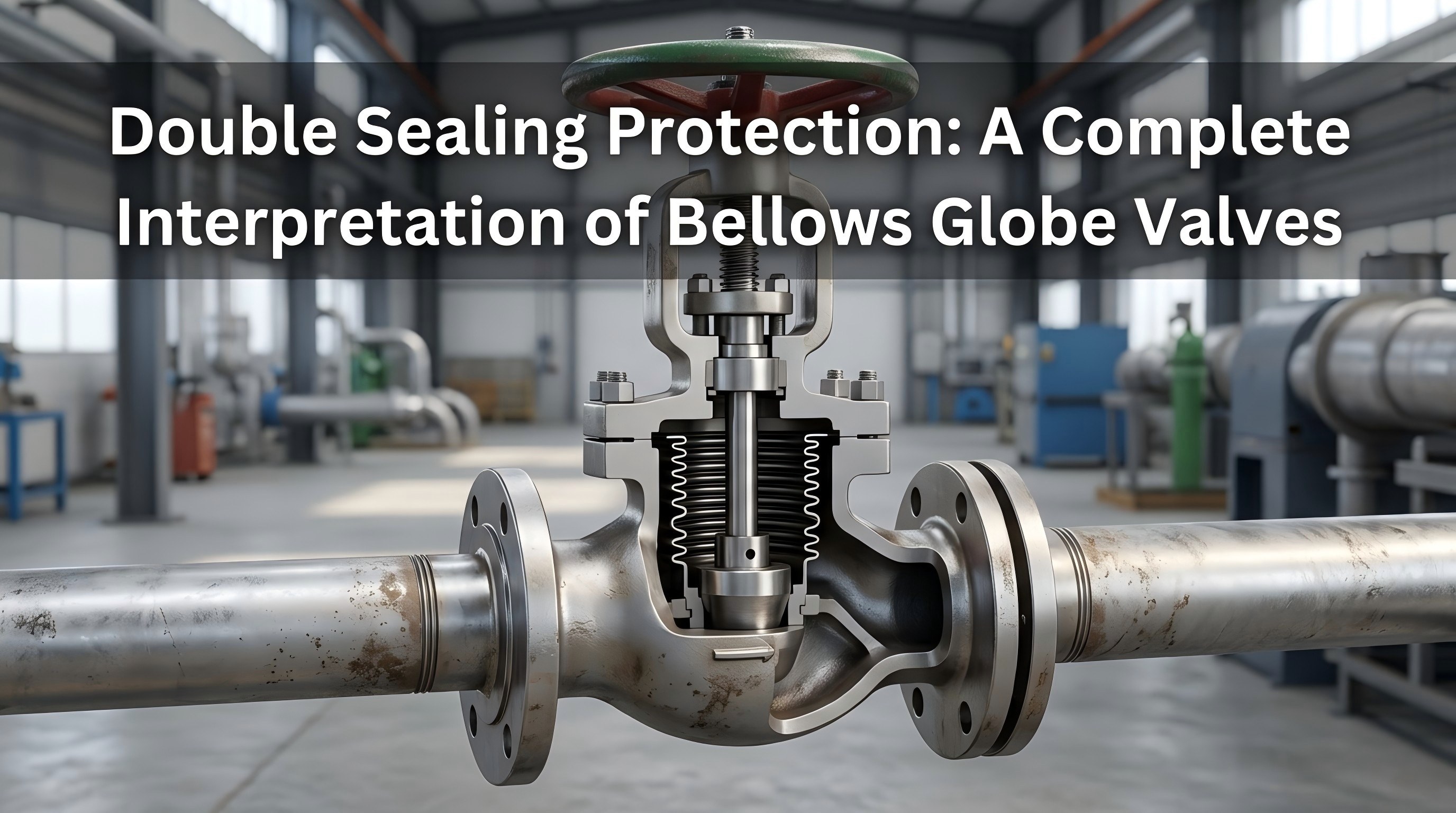 Double Sealing Protection: A Complete Interpretation of Bellows Globe Valves
  End-Suction Pump vs Inline Pumps: Which One Is Right for You?
 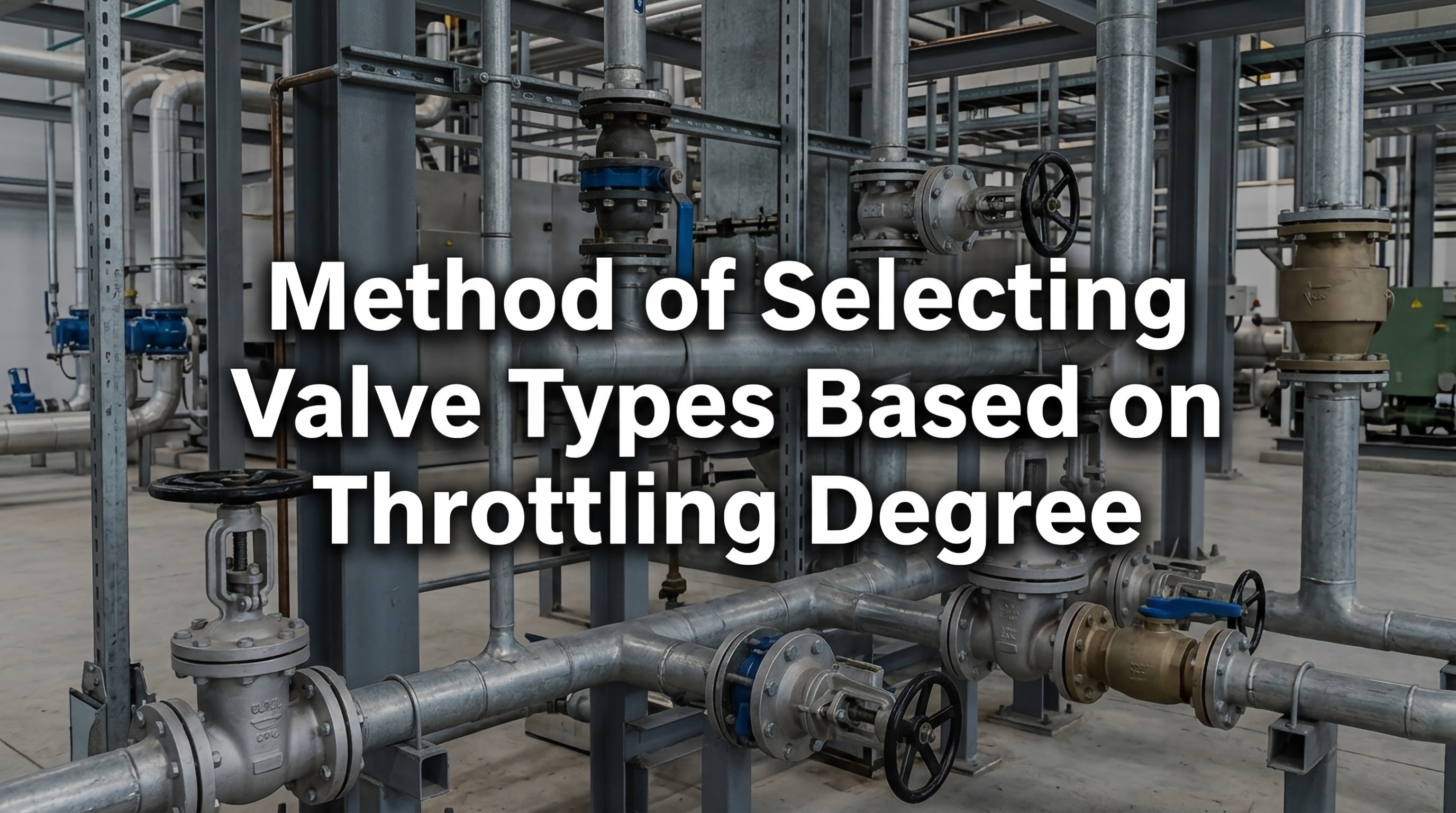 Method of Selecting Valve Types Based on Throttling Degree