
How to Choose a High-Quality Dual Plate Check Valve?
author: ATHENA GROUP
2026-03-18

In industrial fluid control, the dual plate check valve is a critical non-return component ensuring pipeline safety and efficiency. With industrial systems prioritizing stability, energy savings, and space optimization, selecting a high-performance dual plate check valve has become a core focus for enterprises. This article interprets its design, advantages, applications, and selection tips to help you understand this essential equipment.
What is a Dual Plate Check Valve?
A self-acting non-return valve, it features two semicircular plates hinged with spring assistance. Forward fluid pressure opens the plates for low-resistance flow; reversed flow or flow cessation triggers spring-driven rapid, smooth closing to prevent backflow. This design eliminates water hammer and noise, earning it the "silent check valve" title.
Core Advantages of Dual Plate Check Valves
1.Space & Cost-Saving: Wafer-type design is 70% more compact and lightweight than swing valves, ideal for space-limited installations.
2.Safety & Durability: Spring-assisted closing prevents slamming, suppressing water hammer to protect pipelines; corrosion-resistant materials extend service life.
3.Energy Efficiency: Streamlined flow path minimizes pressure drop, reducing pump energy consumption and operational costs.
Widely Applied: Core Application Scenarios
The valve serves diverse industries:
- Oil & Gas: Prevents backflow in crude oil, natural gas, and refining pipelines.
- Power Generation: Safeguards cooling and steam systems from water hammer.
- Municipal Engineering: Ensures reliable water supply, drainage, and heating.
- Chemical & Petrochemical: Resists corrosive media, avoiding leakage risks.
Key Selection Tips for Dual Plate Check Valves
1.Match System Parameters: Align valve material and pressure rating with medium (liquid/gas/steam), temperature, and pressure.
2.Ensure Size Compatibility: Match nominal size with pipeline diameter to avoid flow issues.
3.Choose Qualified Manufacturers: Opt for products meeting API 594, API 594, and ISO 5208 standards, passing strict leakage tests.
Conclusion
As a compact, reliable, and energy-efficient non-return valve, the dual plate check valve is indispensable in modern industrial fluid control. Across oil & gas, power, municipal, and chemical fields, it guards pipeline safety and cuts costs. By matching system needs and prioritizing quality, enterprises can maximize its value. As industry evolves, dual plate check valves will continue to deliver efficient, safe solutions for industrial development.


 How Does a Ball Type Check Valve Prevent Pipeline Medium Backflow?
  Selection and Precautions for Natural Gas Valves
  Athena Engineering S.R.L Wraps‑up OGA 2026 Kuala Lumpur
  What is a Gate Valve? What is Its Working Principle?
  T-Type / T-Pattern / Straight Pattern Globe Valve
  Knife Gate Valve vs Wedge Gate Valve: Which Is Better for Your Industrial Piping?
  Cryogenic Ball Valve Comprehensive Product Overview
  Causes and Treatments for Poor Valve Shut‑Off
  Athena Triple Offset Butterfly Valves
  What is the Difference Between Swing Check Valve and NRV? A Complete Explanation
  Common Connection Types of Valves
  5 Piping Design Mistakes That Are Killing Your Valves
  Float Valve: Structure, Principle and Application
  High Pressure Needle Valve High-Precision Fluid Control Valve
  What is a Piston Check Valve?
  Meet Us at OGA 2026 | Booth 6802, Hall 6
  What is a Level Gauge? Working Principles, Types and Industrial Applications
 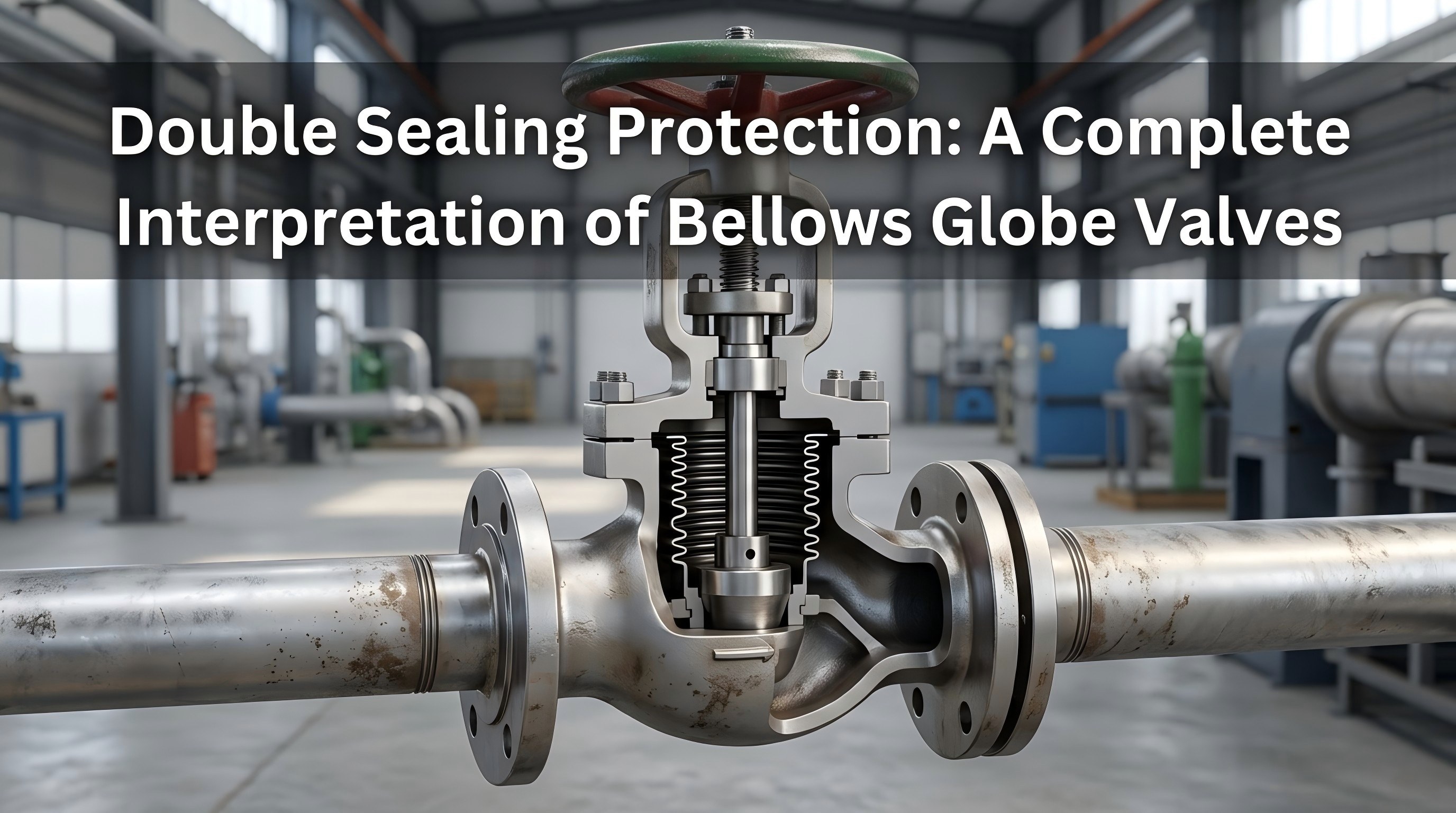 Double Sealing Protection: A Complete Interpretation of Bellows Globe Valves
  End-Suction Pump vs Inline Pumps: Which One Is Right for You?
  Method of Selecting Valve Types Based on Throttling Degree