
End-Suction Pump vs Inline Pumps: Which One Is Right for You?
author: ATHENA GROUP
2026-07-21
A needle valve is a precision throttling valve specially designed for micro-flow fine adjustment and reliable cut-off, widely applied in instrument pipelines, power boilers, chemical sampling and high-pressure hydraulic systems. It adapts to high-pressure, small-flow, high-precision metering and corrosive medium working conditions. Unlike quick-switch ball valves, it features a slender tapered needle-shaped plunger and fine-pitch threaded stem, with small nominal bore as standard, supporting thread, welding and card sleeve connection modes. It matches metal hard sealing for high-temperature high-pressure conditions and soft composite sealing for low-leakage instrument pipelines.

Ⅰ. Classification
- By flow channel: Straight-through needle valve, angle-type needle valve
- By sealing form: Metal hard-sealed, PTFE soft-sealed, spring loaded live sealing
- By connection mode: Threaded, socket welded, butt welded, card sleeve connection
- By driving mode: Manual handwheel, T-bar handle
Ⅱ. Structural Characteristics
Core components: Forged integrated valve body, tapered needle plunger, precision valve seat, fine-thread anti-spray stem, packing sealing assembly and locking handwheel.
1.Integrated forged valve body: Adopts stainless steel/alloy steel one-piece forging, no split flange, reduces external leakage points, withstands high pressure and temperature alternating deformation.
2.Precision needle plunger: Long conical taper surface with high-precision grinding, matching the conical valve seat; tiny stroke per rotation realizes ultra-fine flow regulation.
3.Fine-pitch threaded stem: Slow axial feeding, avoids overshoot during adjustment; anti-blowout stem structure prevents medium ejection under high pressure.
4.Multi-stage sealing structure: Combined packing + spring preloaded live sealing compensates packing wear and thermal expansion, effectively reducing fugitive emission; full metal sealing meets fire-safe standards.
5.Auxiliary design: Optional locking device to prevent accidental flow drift under vibration; small volume for compact instrument layout.

Ⅲ. Working Principle
Rotate the handwheel to drive the threaded stem and needle plunger to move axially. When the needle lifts away from the conical valve seat, a flow gap forms for medium passing; rotating the handwheel clockwise pushes the needle into the seat to narrow the gap and reduce flow, fully screwed down for complete shut-off. The tapered matching surface achieves infinitely variable throttling, tiny rotation corresponds to trace flow change, and the close fit between needle and seat forms zero leakage when closed. It maintains stable flow control under fluctuating pressure and temperature, suitable for continuous micro-flow regulation.
Ⅳ. Core Advantages
1.Ultra-high adjustment precision: Fine thread + long taper realizes trace flow control, ideal for sampling, metering and instrument pressure stabilization.
2.Excellent tightness: Metal-to-metal hard sealing withstands ultra-high pressure up to 100MPa, soft sealing achieves minimal internal leakage.
3.Compact lightweight: Small bore size, occupies little pipeline space, convenient for installation on instrument panels and narrow equipment compartments.
4.Wide medium adaptability: 304/316 stainless steel body resists acid, alkali and corrosive media; high-temperature alloy materials support steam and thermal oil pipelines.
Ⅴ. Differences from Ordinary Ball Valves
Body & core: Small forged integrated body + tapered needle vs large split/welded body + spherical plug
Regulation performance: Infinite micro throttling vs only full open/full close quick switch
Pressure bearing: Ultra-high pressure small flow vs medium-high pressure large flow
Leakage control: Near-zero internal leakage for metering vs acceptable leakage for main pipeline cut-off
Scene suitability: Instrument sampling, hydraulic fine adjustment, laboratory metering vs long-distance large-diameter transmission pipelines
Ⅵ. Application Fields
It serves as core precision control equipment for power plant instrument measuring pipelines, petrochemical sampling pipelines, hydraulic test benches, urban gas pressure monitoring, pharmaceutical sanitary dosing lines, boiler high-pressure steam sampling and laboratory micro-fluid test systems.
 How Does a Ball Type Check Valve Prevent Pipeline Medium Backflow?
  Selection and Precautions for Natural Gas Valves
  Athena Engineering S.R.L Wraps‑up OGA 2026 Kuala Lumpur
  What is a Gate Valve? What is Its Working Principle?
  T-Type / T-Pattern / Straight Pattern Globe Valve
  Knife Gate Valve vs Wedge Gate Valve: Which Is Better for Your Industrial Piping?
  Cryogenic Ball Valve Comprehensive Product Overview
  Causes and Treatments for Poor Valve Shut‑Off
  Athena Triple Offset Butterfly Valves
  What is the Difference Between Swing Check Valve and NRV? A Complete Explanation
  Common Connection Types of Valves
  5 Piping Design Mistakes That Are Killing Your Valves
  Float Valve: Structure, Principle and Application
  High Pressure Needle Valve High-Precision Fluid Control Valve
  What is a Piston Check Valve?
  Meet Us at OGA 2026 | Booth 6802, Hall 6
  What is a Level Gauge? Working Principles, Types and Industrial Applications
 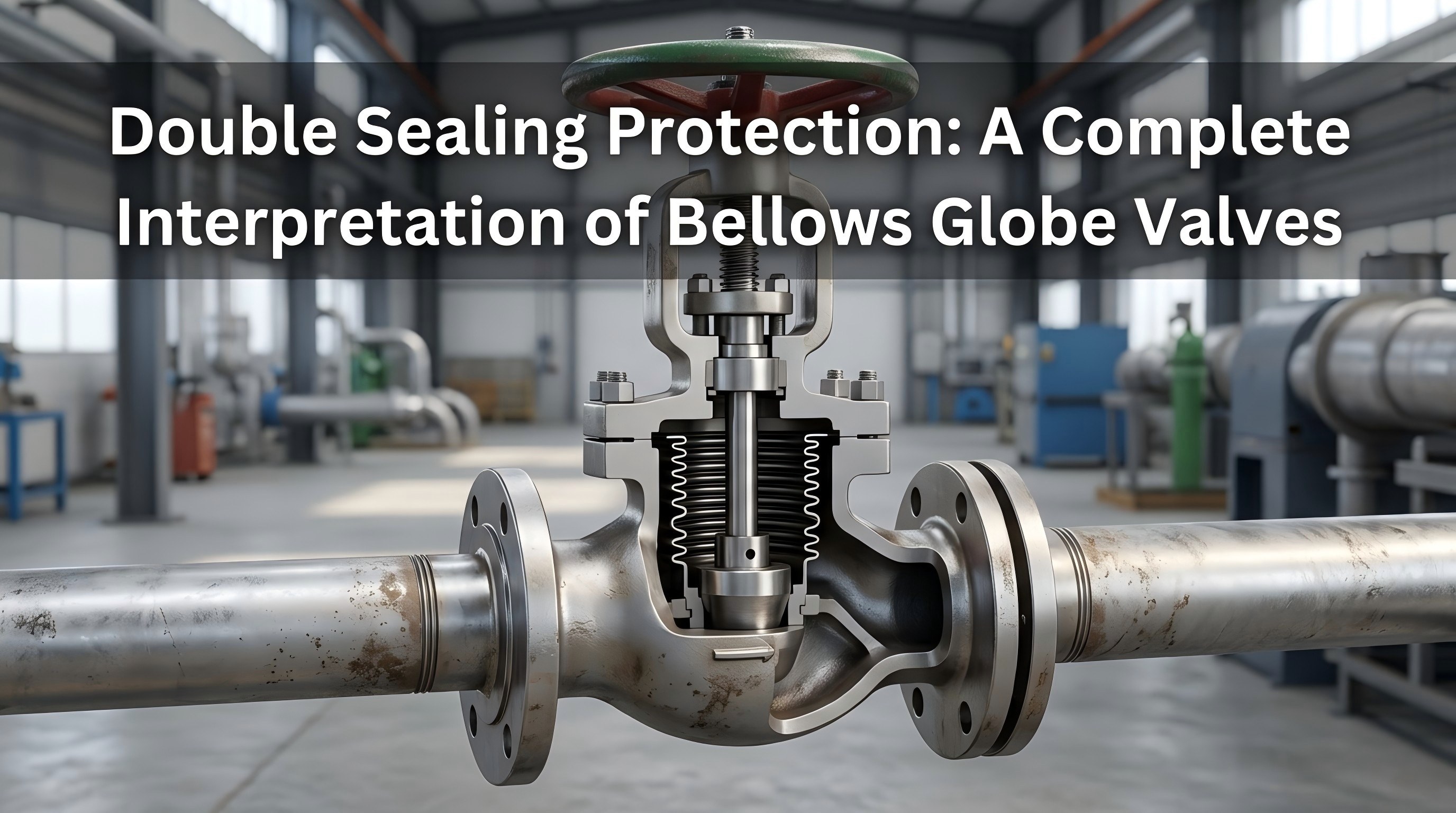 Double Sealing Protection: A Complete Interpretation of Bellows Globe Valves
 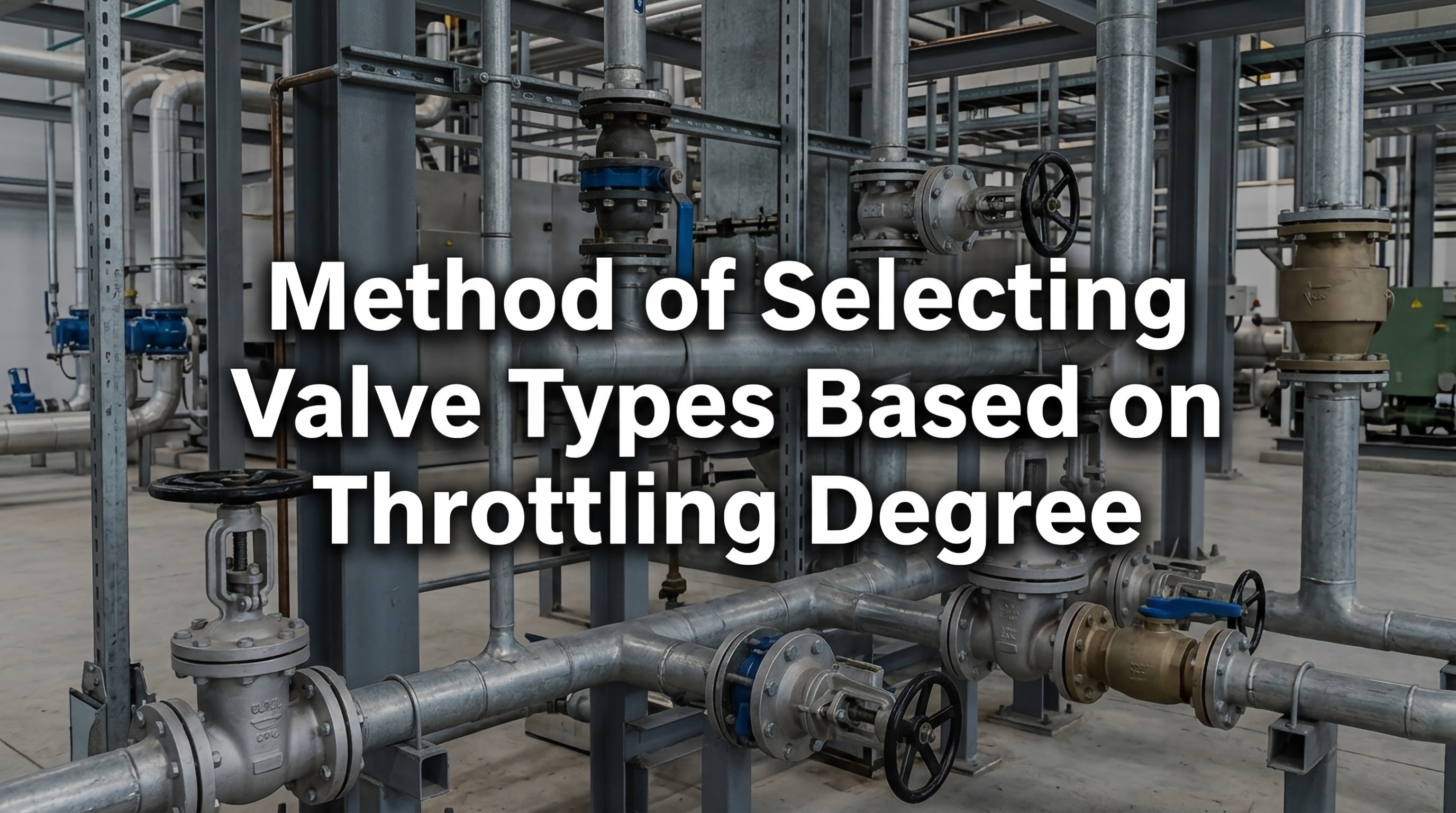 Method of Selecting Valve Types Based on Throttling Degree
  Safety Valves–Core Protection for Pressure Equipment