
Decoding the Core Technical Parameters of Diaphragm Check Valves
2025-02-14
Diaphragm check valves play a crucial role in fluid control systems by preventing reverse flow through the diaphragm’s opening and closing action, ensuring system stability and safety. Understanding the core technical parameters of these valves is essential for selecting the most appropriate model. Below is an in-depth analysis of these key parameters to help you better understand and apply diaphragm check valves.

1. Correlation Between Dynamic Response Speed and Fluid Control Precision
The dynamic response speed of a diaphragm check valve is closely related to fluid control precision, especially in applications requiring rapid switching. The valve’s response time directly affects the speed at which it closes, thus determining whether the system can effectively prevent reverse flow. The choice of diaphragm material plays a key role in determining the valve’s response speed.
Elastic Modulus of the Diaphragm and Its Impact on Closing Time Curve:
The elastic modulus of the diaphragm (stiffness) determines its response speed and durability. Diaphragms made from materials like PTFE (Polytetrafluoroethylene) or FKM (Fluoroelastomer) provide higher tensile strength, making them more suitable for high-pressure and high-temperature environments, offering faster closing response and greater durability. However, overly high elastic modulus may cause the diaphragm to close too quickly, potentially resulting in water hammer effects or reverse leakage. Closing time curves differ across materials—EPDM (Ethylene Propylene Diene Monomer) diaphragms, for instance, close more slowly and are better suited for slower fluid flows.
Laboratory Test Data: Reverse Leakage Rate of Different Viscosity Media:
The reverse leakage rate of diaphragm check valves varies significantly depending on the viscosity of the fluid. In low-viscosity fluids like water, the reverse leakage rate is generally lower, and the valve closes more effectively. In contrast, in high-viscosity oils, especially under lower flow conditions, the reverse leakage rate tends to be higher as the diaphragm may fail to close completely. To address this, some diaphragm check valves are designed with enhanced sealing structures or reinforced diaphragms to improve sealing performance.
2. Structural Design Differentiation Across Industries
The design of diaphragm check valves varies greatly across different industries, reflecting the specific performance requirements for each. Below are two typical design differences.
Hygienic Design (3A Certification) vs. Industrial Design (ANSI B16.34):
Hygienic Design: This design is primarily used in industries such as food processing, pharmaceuticals, and biotechnology, where the valves must meet strict hygiene standards. Hygienic diaphragm check valves typically require 3A certification and have a surface roughness of Ra≤0.4μm to prevent microbial growth and accumulation. All fluid-contacting parts must be made from high-purity, corrosion-resistant materials such as 316L stainless steel.
Industrial Design: Used in industries like oil, gas, and power, industrial-grade valves are designed to withstand higher pressures and temperatures, complying with ANSI B16.34 standards. These valves often need to handle extreme conditions, so materials such as alloy steel and Hastelloy are used for their higher strength and corrosion resistance. While hygienic designs focus on fluid safety and cleanliness, industrial designs emphasize longevity and the ability to perform in extreme environments.
Low Water Hammer Design Patent Analysis:
Low water hammer design patent technology optimizes the internal buffer chamber angle of the valve, significantly reducing water hammer effects when the valve closes. This design allows the fluid to flow more smoothly during closure, preventing sudden flow stoppages that can cause pipeline vibration and pressure surges. Water hammer effects not only risk pipe rupture but can also damage the valve itself. Some high-end diaphragm check valves incorporate specially designed springs or buffer structures to ensure smoother closure, thereby enhancing system stability.
3. Extreme Environment Endurance Testing Standards
As industrial applications demand increasingly higher performance from diaphragm check valves, their ability to withstand extreme environments has become a key parameter. Below are two examples of technical parameters in such environments.
Deep Sea Application (-200m) Pressure Endurance Threshold:
In deep-sea environments, diaphragm check valves must withstand extremely high pressures and temperature fluctuations. At depths of 200 meters, valves may face pressures of several hundred megapascals. The pressure endurance threshold of the valve must meet these requirements, and the materials must possess resistance to seawater corrosion and high-pressure deformation. Valves made from materials such as Hastelloy C276 or titanium alloys provide excellent protection against corrosion and deformation, ensuring the safe operation of industries such as deep-sea oil and gas extraction.
Chemical Corrosion Scenarios: Coating Technology Comparison:
In the chemical industry, diaphragm check valves are exposed to aggressive corrosive media, including sulfur-containing, chlorinated, acidic, or alkaline fluids. Common corrosion-resistant coatings include Hastelloy C276 coatings and ceramic spraying. Hastelloy C276 is a high-corrosion-resistant material suitable for highly aggressive chemicals, while ceramic spraying is effective for less corrosive environments, offering good wear resistance and chemical protection. The choice between these technologies depends on the specific environmental requirements. Hastelloy coatings offer the best protection in extreme corrosive conditions, while ceramic coatings are more cost-effective for medium-corrosion environments.
Why Choose Athena Engineering for Your Diaphragm Check Valve Needs?
If you're looking for high-quality diaphragm check valves that meet the demanding requirements of both hygienic and industrial applications, Athena Engineering offers industry-leading solutions. With decades of experience in valve design and production, Athena provides:
Cutting-edge technology: Incorporating low water hammer design and corrosion-resistant materials.
Customization: Tailored solutions to meet specific needs, from extreme environments to precise fluid control.
Reliability: Tested to withstand the most demanding conditions, ensuring maximum performance and durability.
Athena Engineering is known for its commitment to quality, innovation, and customer satisfaction. Whether you're in the food industry, oil and gas, or pharmaceuticals, Athena’s diaphragm check valves are engineered for excellence.
Customization: Tailored solutions to meet specific needs, from extreme environments to precise fluid control.
Reliability: Tested to withstand the most demanding conditions, ensuring maximum performance and durability.
Athena Engineering is known for its commitment to quality, innovation, and customer satisfaction. Whether you're in the food industry, oil and gas, or pharmaceuticals, Athena’s diaphragm check valves are engineered for excellence.
Get in touch today with Athena Engineering to find the perfect valve solution for your project. Visit [Athena Engineering’s website] or send Email to our sales team ( sales@athenavalve.com ) to discuss how we can meet your unique requirements!
The core technical parameters of diaphragm check valves cover a range of factors, including diaphragm material selection, structural design, and resistance to extreme environments. Understanding the nuances of these parameters will help decision-makers and engineers make more precise choices when selecting valves, ensuring optimal performance under specific operating conditions.
 How Does a Ball Type Check Valve Prevent Pipeline Medium Backflow?
  Selection and Precautions for Natural Gas Valves
  Athena Engineering S.R.L Wraps‑up OGA 2026 Kuala Lumpur
  What is a Gate Valve? What is Its Working Principle?
  T-Type / T-Pattern / Straight Pattern Globe Valve
  Knife Gate Valve vs Wedge Gate Valve: Which Is Better for Your Industrial Piping?
  Cryogenic Ball Valve Comprehensive Product Overview
  Causes and Treatments for Poor Valve Shut‑Off
  Athena Triple Offset Butterfly Valves
  What is the Difference Between Swing Check Valve and NRV? A Complete Explanation
  Common Connection Types of Valves
  5 Piping Design Mistakes That Are Killing Your Valves
  Float Valve: Structure, Principle and Application
  High Pressure Needle Valve High-Precision Fluid Control Valve
  What is a Piston Check Valve?
  Meet Us at OGA 2026 | Booth 6802, Hall 6
  What is a Level Gauge? Working Principles, Types and Industrial Applications
 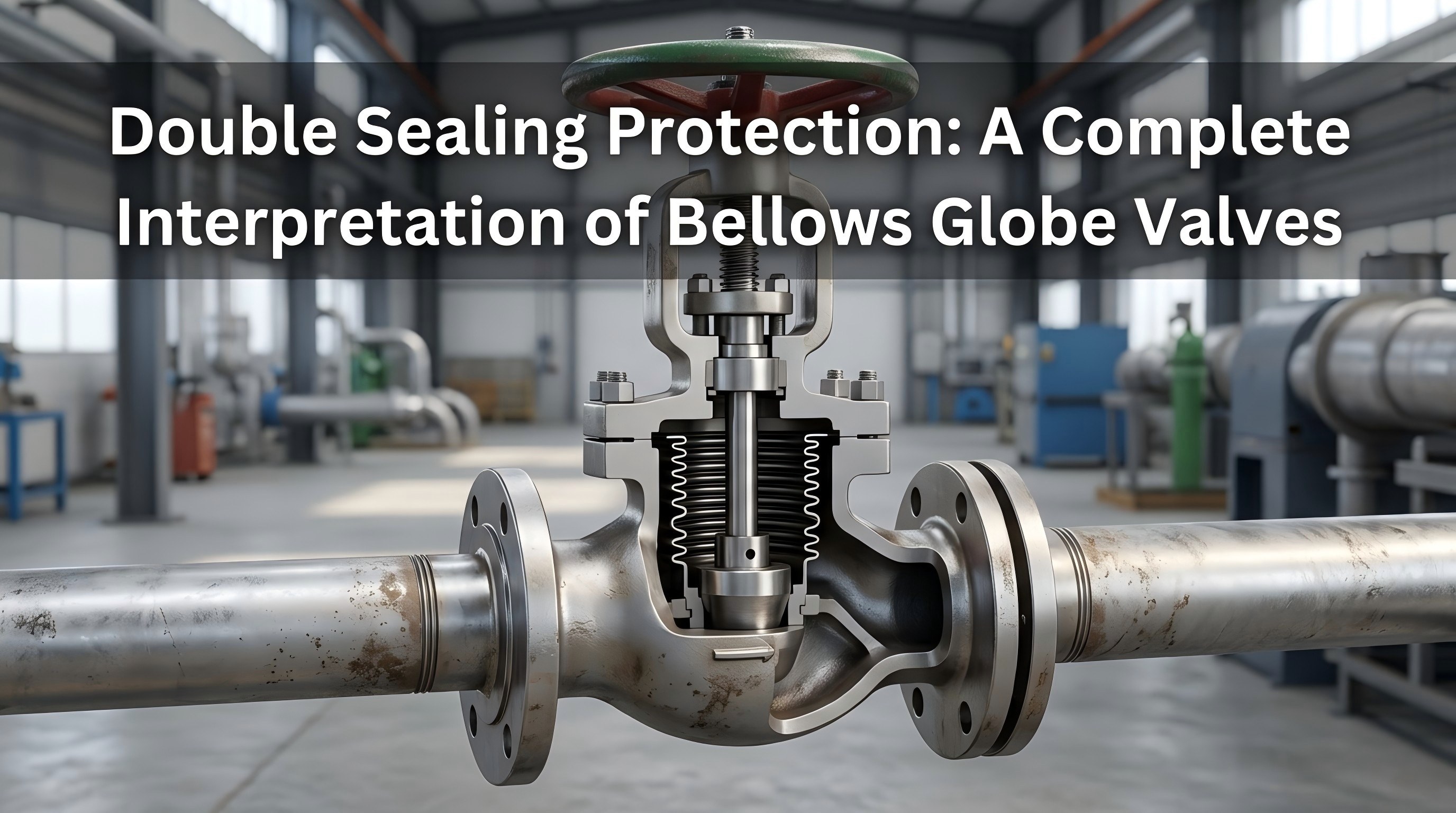 Double Sealing Protection: A Complete Interpretation of Bellows Globe Valves
  End-Suction Pump vs Inline Pumps: Which One Is Right for You?
 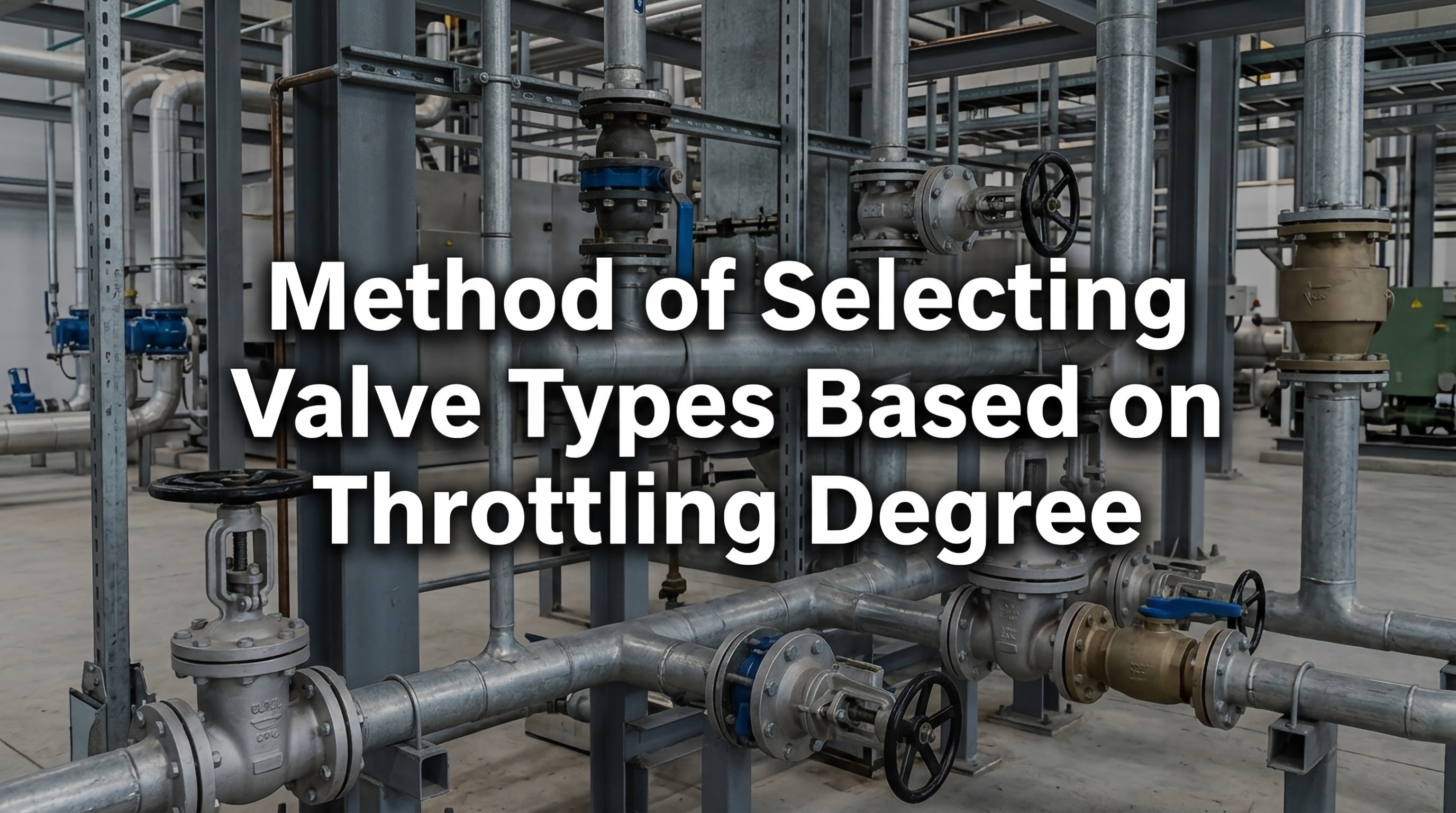 Method of Selecting Valve Types Based on Throttling Degree