
Bi - Directional Valves: Revolutionizing Industrial Fluid Control
author: ATHENA GROUP
2025-09-25
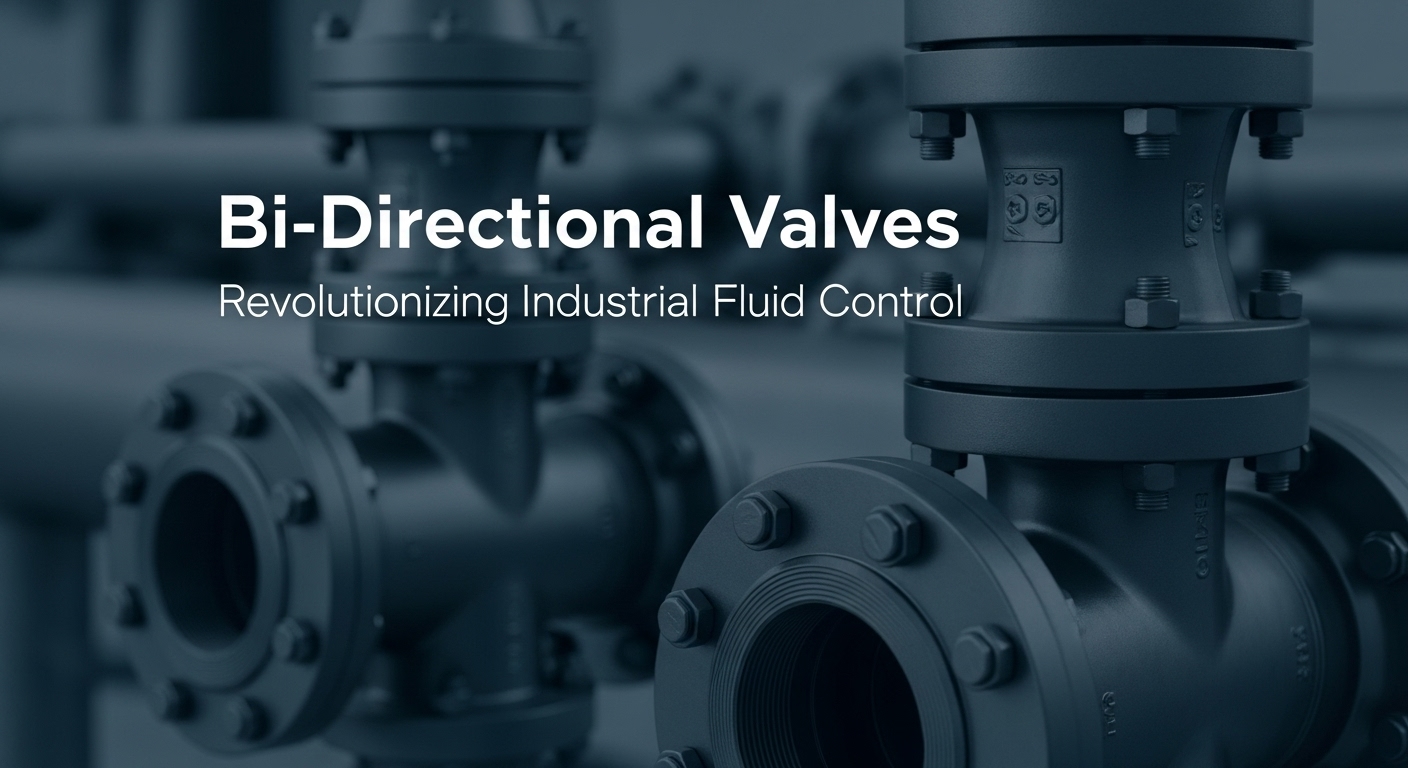
In industrial engineering, bi - directional valves are changing how fluid control systems work. These valves let fluids flow in both directions, offering more flexibility and efficiency than traditional one - way valves. Unlike one - way valves that need complex bypass loops to reverse flow, bi - directional ones use smart designs like symmetric valve cores and dual seals to handle two - way flow. This fundamental design difference not only reduces system complexity but also minimizes pressure drops—tests show bi - directional models typically have 15-20% lower pressure loss compared to multi - valve one - way setups, which directly translates to energy savings.
Key Features and Advantages
Bi - directional valves have standout features. Their biggest plus is handling flow in either direction. This matters in situations where flow direction changes often. For example, in excavators' hydraulic systems, these valves switch oil flow instantly when the cylinder extends or retracts. This cuts response time by 30% compared to using multiple one - way valves. It also simplifies system design, reduces piping needs and extra valves, saving costs and boosting reliability. A construction equipment manufacturer reported a 25% reduction in maintenance costs after switching to bi - directional valves, as fewer components mean fewer points of failure.
These valves also seal well. They use high - quality seals made of materials like PTFE or Viton. These seals stop leaks in both flow directions, keeping fluids contained and lowering spill risks. Top models leak less than 0.1 cc per minute, even under 3000 psi pressure. This is vital for industries like oil and gas, chemicals, and pharmaceuticals, where safe fluid handling is key. In pharmaceutical manufacturing, for instance, zero - leakage performance is critical to maintaining sterile environments and preventing costly product contamination.
Durability is another strength. They are made from strong materials: 316L stainless steel for corrosive areas, brass, and nickel alloys. In high - temp settings like steam pipelines, heat - resistant alloy valves work non - stop at up to 500°C without losing performance. This makes them reliable for tough environments.
Applications Across Industries
Bi - directional valves are used in many industries. In oil and gas, they control hydrocarbons in pipelines, refineries, and offshore platforms. In power generation, they regulate steam, water, and fluids in turbines, boilers, and cooling systems. A German coal - fired plant installed them in its boiler feedwater system, cutting energy use by 15% thanks to better flow control. They also work in renewable energy: wind turbines and solar plants use them for hydraulic fluids and coolants. A large Spanish solar thermal plant uses them to redirect heat transfer fluid between collector arrays, optimizing energy capture based on the sun's position. This has increased the plant's daily energy output by an average of 8%.
Market Trends and Outlook
The bi - directional valve market will grow fast, with a 6.8% annual growth rate from 2023 to 2028. Demand comes from industries focusing on energy efficiency, sustainability, and better processes. These valves offer a more efficient, reliable solution for fluid control. A key driver is the rising adoption of Industry 4.0 practices, where smart valves with bi - directional capabilities are integral to automated systems.
Emerging economies in Asia - Pacific and the Middle East are creating opportunities. India's new refineries and power plants, for example, will drive demand. These regions' industrialization and infrastructure growth need advanced fluid control tech. In Southeast Asia, the expansion of LNG terminals is expected to create $120 million in bi - directional valve demand by 2026, as these facilities require frequent flow reversal during loading and unloading operations.
But challenges exist: competition from traditional valve makers and high R&D costs. To overcome this, manufacturers are innovating. Smart sensors in valves let them monitor performance in real time and enable predictive maintenance, cutting downtime by 40%. Some companies are also developing 3D - printed valve components, which allow more complex internal geometries for improved flow dynamics while reducing production time.
Athena Engineering S.R.L: A Leading Provider
Athena Engineering S.R.L, based in Italy, is a top global supplier with over 10 years of innovation.Their Athena - brand bi - directional valves use advanced CNC machining for ±0.01 mm accuracy, meeting ISO 9001 and API 6D standards.They have a wide range of types of bidirectional valves, such as 2" - 48" 125LB - 150LB Bi-Directional Sealing Function Concentric Butterfly Valves, 1-1/2" - 80" 150LB - 2500LB Double Eccentric Butterfly Valves Bi-directional Function with Zero Leakage,Using elastic pressure self-sealing valve seat structure, which provides two-way zero leakage and can achieve lower torque, reduce the cost of driving device procurement.Athena double eccentric butterfly valve, most often used in water supply applications below ground as an alternative to gate valves. When installing butterfly valves below ground a lower bury depth is required and typically, they are more cost-effective, especially in the large dimensions, compared to gate valves.
In short, bi - directional valves are key in modern industrial fluid control. Their features, wide uses, and growing demand make them a top tech to watch. As makers keep improving them, we'll see even better, more efficient valves, boosting industrial process performance and reliability.
 How Does a Ball Type Check Valve Prevent Pipeline Medium Backflow?
  Selection and Precautions for Natural Gas Valves
  Athena Engineering S.R.L Wraps‑up OGA 2026 Kuala Lumpur
  What is a Gate Valve? What is Its Working Principle?
  T-Type / T-Pattern / Straight Pattern Globe Valve
  Knife Gate Valve vs Wedge Gate Valve: Which Is Better for Your Industrial Piping?
  Cryogenic Ball Valve Comprehensive Product Overview
  Causes and Treatments for Poor Valve Shut‑Off
  Athena Triple Offset Butterfly Valves
  What is the Difference Between Swing Check Valve and NRV? A Complete Explanation
  Common Connection Types of Valves
  5 Piping Design Mistakes That Are Killing Your Valves
  Float Valve: Structure, Principle and Application
  High Pressure Needle Valve High-Precision Fluid Control Valve
  What is a Piston Check Valve?
  Meet Us at OGA 2026 | Booth 6802, Hall 6
  What is a Level Gauge? Working Principles, Types and Industrial Applications
 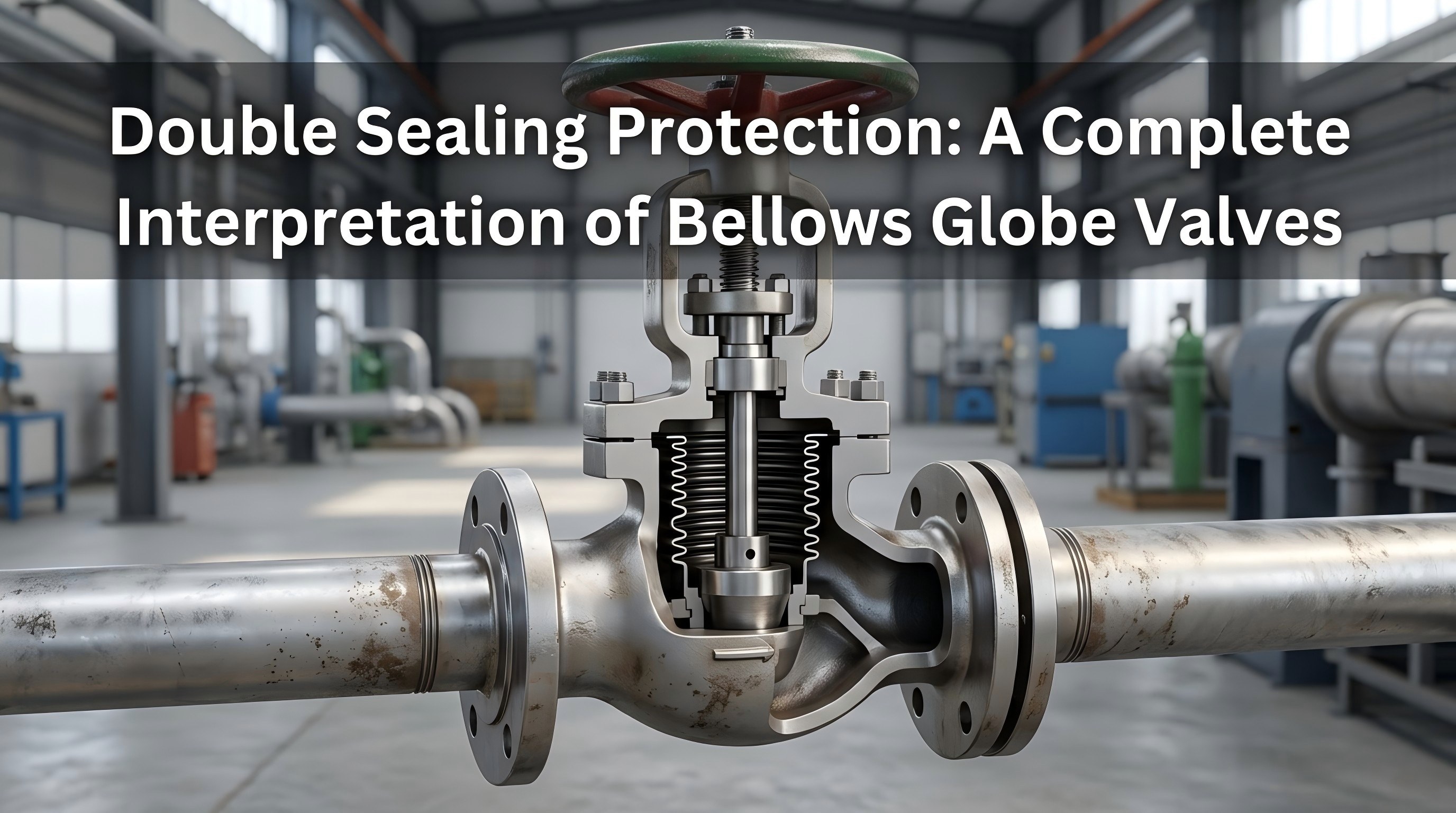 Double Sealing Protection: A Complete Interpretation of Bellows Globe Valves
  End-Suction Pump vs Inline Pumps: Which One Is Right for You?
  Method of Selecting Valve Types Based on Throttling Degree