
A Dive into Cryogenic Ball Valves - Athena Engineering
In the ever-evolving landscape of industrial valves, cryogenic ball valves have emerged as critical components, especially in applications where extreme cold conditions prevail. These valves, designed to operate in cryogenic environments, play a pivotal role in industries such as liquefied natural gas (LNG), petrochemicals, aerospace, and medical gases. In this article, we delve into the intricacies of cryogenic ball valves, shedding light on their design, applications, and the noteworthy contributions of Athena Engineering, an experienced manufacturer certified with ISO 9001 and fire safety credentials.

Unveiling the Dynamics of Cryogenic Ball Valves
1. Understanding Cryogenic Environments:
Cryogenic environments involve temperatures below -150°C (-238°F), a range where conventional materials and valves may fail. In applications like LNG processing, transportation, and storage, maintaining the integrity of systems handling extremely low temperatures is paramount. Cryogenic ball valves are specifically engineered to address the challenges posed by such harsh conditions.
2. Design Features:
Cryogenic ball valves share similarities with their conventional counterparts but are equipped with design enhancements to withstand the challenges of cryogenic service. These features include extended bonnets to shield the stem and packing from extreme temperatures, materials selected for low-temperature applications, and specialized sealing mechanisms to ensure tight shut-off even in sub-zero conditions. Design innovations for cryogenic environments:
A. Extended Bonnets: One of the hallmark features of cryogenic ball valves is the incorporation of extended bonnets. These elongated structures serve a crucial role in safeguarding the valve's internal components, such as the stem and packing, from the intense cold. By minimizing heat transfer to these critical elements, extended bonnets ensure the valve's continued functionality in sub-zero conditions.
B. Materials Tailored for Low Temperatures: Cryogenic ball valves are crafted from materials specifically chosen for their ability to withstand extreme cold. Common materials include stainless steels, nickel alloys, and other exotic materials that maintain their structural integrity and mechanical properties even at cryogenic temperatures. This careful selection prevents brittleness and ensures the valves can operate seamlessly in low-temperature applications.
C. Specialized Sealing Mechanisms: Achieving a reliable seal is paramount in cryogenic applications. Cryogenic ball valves are designed with specialized sealing mechanisms, often incorporating materials like polymeric or elastomeric seals that remain pliable in extremely low temperatures. This ensures a tight shut-off, preventing leakage and ensuring the safety and integrity of the systems they regulate.
Applications of Cryogenic Ball Valves:
1. LNG Industry: Cryogenic ball valves are extensively used in LNG facilities, from liquefaction plants to storage and transportation. Their ability to handle the ultra-low temperatures and maintain reliable performance makes them indispensable in this sector.
2. Medical Gases: In the medical field, cryogenic ball valves play a crucial role in handling and regulating medical gases stored at cryogenic temperatures. Oxygen, nitrogen, and other medical gases are often stored in liquid form at extremely low temperatures, necessitating the use of valves designed for cryogenic service.
4. Industrial Gases: Industries dealing with industrial gases, such as nitrogen and argon, often at cryogenic temperatures, rely on cryogenic ball valves for the safe and efficient handling of these substances. Whether in gas production or distribution, these valves contribute to the smooth operation of industrial gas systems.
Athena Engineering: A Leading Force in Cryogenic Ball Valve Manufacturing
1. ISO 9001 Certification:
Athena Engineering, as a leading manufacturer of cryogenic ball valves, operates under the umbrella of ISO 9001 certification. This international standard underscores the company's commitment to quality management systems, ensuring that its products consistently meet customer requirements and adhere to stringent quality benchmarks.
2. Fire Safe Certification:
Fire safety is a paramount concern in industries dealing with volatile substances, and Athena Engineering takes this seriously. The company's cryogenic ball valves are endowed with fire-safe certification, assuring end-users of the valves' ability to maintain functionality even in the presence of fire. This certification aligns with industry standards, providing an added layer of safety in critical applications.
3. Extensive Experience:
With years of experience in the valve manufacturing domain, Athena Engineering has honed its expertise in producing cryogenic ball valves that meet and exceed industry expectations. The company's seasoned engineers and technicians bring a wealth of knowledge to the table, ensuring that each valve is crafted with precision and reliability in mind.
4. Customized Solutions:
Understanding that different industries have unique requirements, Athena Engineering offers customized solutions for cryogenic ball valves. This flexibility allows clients to tailor valves to their specific operational needs, ensuring optimal performance in diverse cryogenic applications.
Advantages of Athena Engineering's Cryogenic Ball Valves
1. Material Selection:
Athena Engineering pays meticulous attention to material selection, utilizing alloys and materials specifically designed for cryogenic applications. This ensures the durability and longevity of their cryogenic ball valves in extreme low-temperature conditions.
2. Extended Service Life:
The combination of precision engineering, quality materials, and adherence to international standards contributes to the extended service life of Athena Engineering's cryogenic ball valves. This reliability is crucial in industries where downtime can have significant consequences.
3. Compliance with Stringent Standards:
Athena Engineering's commitment to ISO 9001 and fire safety certifications attests to the company's dedication to manufacturing cryogenic ball valves that not only meet but exceed industry standards. This compliance provides end-users with confidence in the reliability and safety of the valves.
As industries continue to push the boundaries of what is possible, the need for robust and reliable components, such as cryogenic ball valves, becomes increasingly pronounced. Athena Engineering, with its ISO 9001 certification, fire-safe credentials, and extensive experience, stands out as a leading force in the manufacturing of cryogenic ball valves. Their commitment to precision engineering, material excellence, and customization options makes them a trusted partner for industries navigating the challenges of extreme low-temperature applications. In the intricate dance of cryogenic environments, Athena Engineering's cryogenic ball valves take center stage, ensuring the seamless and reliable flow of fluids in some of the world's most demanding industrial settings.
 How Does a Ball Type Check Valve Prevent Pipeline Medium Backflow?
  Selection and Precautions for Natural Gas Valves
  Athena Engineering S.R.L Wraps‑up OGA 2026 Kuala Lumpur
  What is a Gate Valve? What is Its Working Principle?
  T-Type / T-Pattern / Straight Pattern Globe Valve
  Knife Gate Valve vs Wedge Gate Valve: Which Is Better for Your Industrial Piping?
  Cryogenic Ball Valve Comprehensive Product Overview
  Causes and Treatments for Poor Valve Shut‑Off
  Athena Triple Offset Butterfly Valves
  What is the Difference Between Swing Check Valve and NRV? A Complete Explanation
  Common Connection Types of Valves
  5 Piping Design Mistakes That Are Killing Your Valves
  Float Valve: Structure, Principle and Application
  High Pressure Needle Valve High-Precision Fluid Control Valve
  What is a Piston Check Valve?
  Meet Us at OGA 2026 | Booth 6802, Hall 6
  What is a Level Gauge? Working Principles, Types and Industrial Applications
 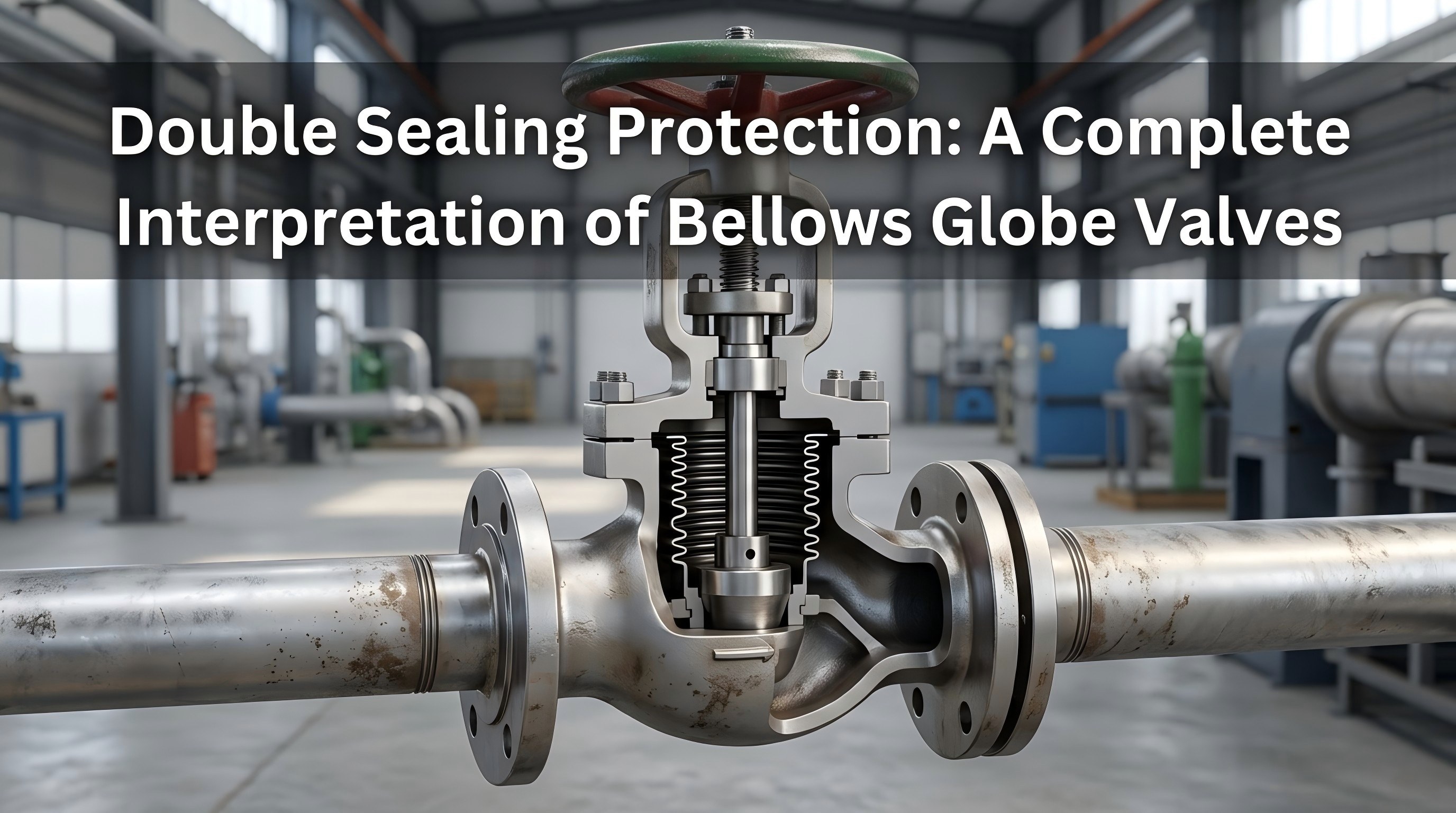 Double Sealing Protection: A Complete Interpretation of Bellows Globe Valves
  End-Suction Pump vs Inline Pumps: Which One Is Right for You?
  Method of Selecting Valve Types Based on Throttling Degree