
Why use butterfly valve instead of ball valve?
2025-03-13
In the intricate world of fluid handling, the selection of the right valve is paramount. Butterfly valves and ball valves, while both serving flow regulation purposes, cater to distinct application needs. Understanding their fundamental differences is crucial for optimizing system performance, minimizing costs, and ensuring long-term reliability.

I. Introduction: The Diverging Paths of Flow Control
The choice between a butterfly valve and a ball valve is not a simple one. It necessitates a thorough analysis of operational parameters, fluid characteristics, and budgetary constraints. Butterfly valves, with their rotating disc design, excel in applications requiring throttling and space efficiency. Ball valves, with their spherical closure mechanism, are renowned for their high-pressure capabilities and leak-tight sealing. Both valve types have evolved significantly over time, adapting to the ever-increasing demands of modern industries.
II. Cost Considerations: The Economics of Flow Regulation
The initial cost of a valve is a significant factor in project planning. Butterfly valves generally offer a cost advantage, especially in larger sizes. This is primarily due to their simpler design, requiring fewer intricate parts compared to ball valves. The manufacturing process for butterfly valves is less complex, leading to lower production costs.
Material and Manufacturing: The choice of materials, such as cast iron, ductile iron, or stainless steel, influences the cost of both valve types. However, the simpler design of butterfly valves allows for more cost-effective material utilization.
Installation Costs: Butterfly valves, particularly wafer and lug types, are lighter and more compact, reducing installation costs. Their simpler flange connections further contribute to cost savings.
Long-Term Cost Analysis: While the initial cost of a ball valve may be higher, its robust design can translate to lower maintenance and repair costs in demanding applications. However, for large diameter applications, the cost savings of a butterfly valve can be extremely high. Athena Engineering understands the importance of providing cost-effective solutions without compromising quality.
III. Size and Weight Advantages: The Space-Saving Solution
In applications where space is a premium, butterfly valves offer a significant advantage. Their compact design, especially in larger diameters, minimizes space requirements.
Compact Design: The disc-based design of butterfly valves results in a smaller face-to-face dimension compared to ball valves. This compactness is crucial in applications with limited space, such as offshore platforms or crowded industrial facilities.
Weight Reduction: Butterfly valves are significantly lighter than ball valves, particularly in larger sizes. This weight reduction simplifies installation, reduces transportation costs, and minimizes the need for heavy-duty support structures.
Flange Connections: Wafer and lug-style butterfly valves further optimize space utilization by eliminating the need for full-flanged connections.
IV. Pressure Rating Comparisons: Navigating Pressure Limits
Pressure limitations are a critical consideration when selecting a valve. Ball valves are renowned for their high-pressure capabilities, while butterfly valves are generally suited for lower to medium pressure applications.
Butterfly Valve Limitations: Butterfly valves are generally limited in high-pressure applications. The design of the disc and seat can become problematic at high pressures. The pressure rating is also affected by seat material, disc design, and body material.
Ball Valve Strengths: Ball valves, with their spherical closure mechanism, can withstand significantly higher pressures. Their design allows for even pressure distribution, minimizing stress on the valve components.
Application-Specific Considerations: It is crucial to match the valve's pressure rating to the specific application requirements to ensure safe and reliable operation.
V. Flow Characteristics and Control: The Art of Flow Regulation
The flow characteristics of butterfly and ball valves differ significantly. Butterfly valves excel in throttling applications, while ball valves are primarily used for on/off control.
Throttling Capabilities: The disc design of butterfly valves allows for precise throttling, enabling fine-tuned flow control. The relationship between disc position and flow rate is relatively linear, making it easy to regulate flow.
On/Off vs. Throttling: Ball valves are primarily used for on/off control. Their spherical design makes them less suitable for throttling, as the flow characteristics are non-linear.
Cv Values and Flow Restriction: The "Cv" value, a measure of flow capacity, is generally higher for butterfly valves compared to ball valves of the same size. This means that butterfly valves offer less flow restriction.
VI. Maintenance and Accessibility: Ensuring Long-Term Operation
Maintenance considerations are crucial for ensuring the long-term reliability of a valve.
Butterfly Valve Ease of Maintenance: The simpler design of butterfly valves simplifies maintenance procedures. Access to internal components for inspection and repair is generally easier compared to ball valves.
Ball Valve Maintenance Considerations: Ball valves, particularly high-pressure variants, may require more complex maintenance procedures. Seal replacement and internal component inspection can be challenging.
VII. Application Specifics: Matching Valves to Industries
The selection of a valve depends heavily on the specific application requirements.
Butterfly Valve Applications: Butterfly valves are widely used in water treatment, HVAC, chemical processing, and other industries requiring throttling and space efficiency.
Ball Valve Applications: Ball valves are prevalent in oil and gas, high-pressure pipelines, and other demanding applications requiring high-pressure ratings and leak-tight sealing.
When to Use Each Valve Type: Butterfly valves are ideal for large diameter, low to medium pressure applications. Ball valves are better suited for high pressure, smaller diameter applications. Athena Engineering provides valves for a very wide range of applications.
VIII. Sealing Considerations: Ensuring Leak-Tight Operation
Sealing is a critical aspect of valve performance.
Butterfly Valve Sealing: Butterfly valves utilize seat materials such as EPDM, PTFE, and metal to achieve sealing. However, they may not provide a bubble-tight seal in high-pressure applications.
Ball Valve Sealing: Ball valves, with their spherical design, offer excellent sealing capabilities, particularly in high-pressure applications.
Pressure Effects: High pressure can deform butterfly valve seats, reducing sealing effectiveness. Ball valve seals are less susceptible to pressure deformation.
IX. Conclusion: A Strategic Choice for Optimal Flow Control
The choice between a butterfly valve and a ball valve is a strategic decision that requires careful consideration of various factors. Butterfly valves offer cost-effectiveness, space efficiency, and throttling capabilities, making them ideal for a wide range of applications. Ball valves, on the other hand, excel in high-pressure applications requiring leak-tight sealing.
When selecting a valve, it is crucial to consider the specific application requirements, including fluid type, pressure, temperature, flow rate, and operational frequency. Consulting with valve experts or manufacturers like Athena Engineering can ensure optimal valve selection and system performance. Their expertise and comprehensive product line can help industries navigate the complexities of flow control.
 How Does a Ball Type Check Valve Prevent Pipeline Medium Backflow?
  Selection and Precautions for Natural Gas Valves
  Athena Engineering S.R.L Wraps‑up OGA 2026 Kuala Lumpur
  What is a Gate Valve? What is Its Working Principle?
  T-Type / T-Pattern / Straight Pattern Globe Valve
  Knife Gate Valve vs Wedge Gate Valve: Which Is Better for Your Industrial Piping?
  Cryogenic Ball Valve Comprehensive Product Overview
  Causes and Treatments for Poor Valve Shut‑Off
  Athena Triple Offset Butterfly Valves
  What is the Difference Between Swing Check Valve and NRV? A Complete Explanation
  Common Connection Types of Valves
  5 Piping Design Mistakes That Are Killing Your Valves
  Float Valve: Structure, Principle and Application
  High Pressure Needle Valve High-Precision Fluid Control Valve
  What is a Piston Check Valve?
  Meet Us at OGA 2026 | Booth 6802, Hall 6
  What is a Level Gauge? Working Principles, Types and Industrial Applications
 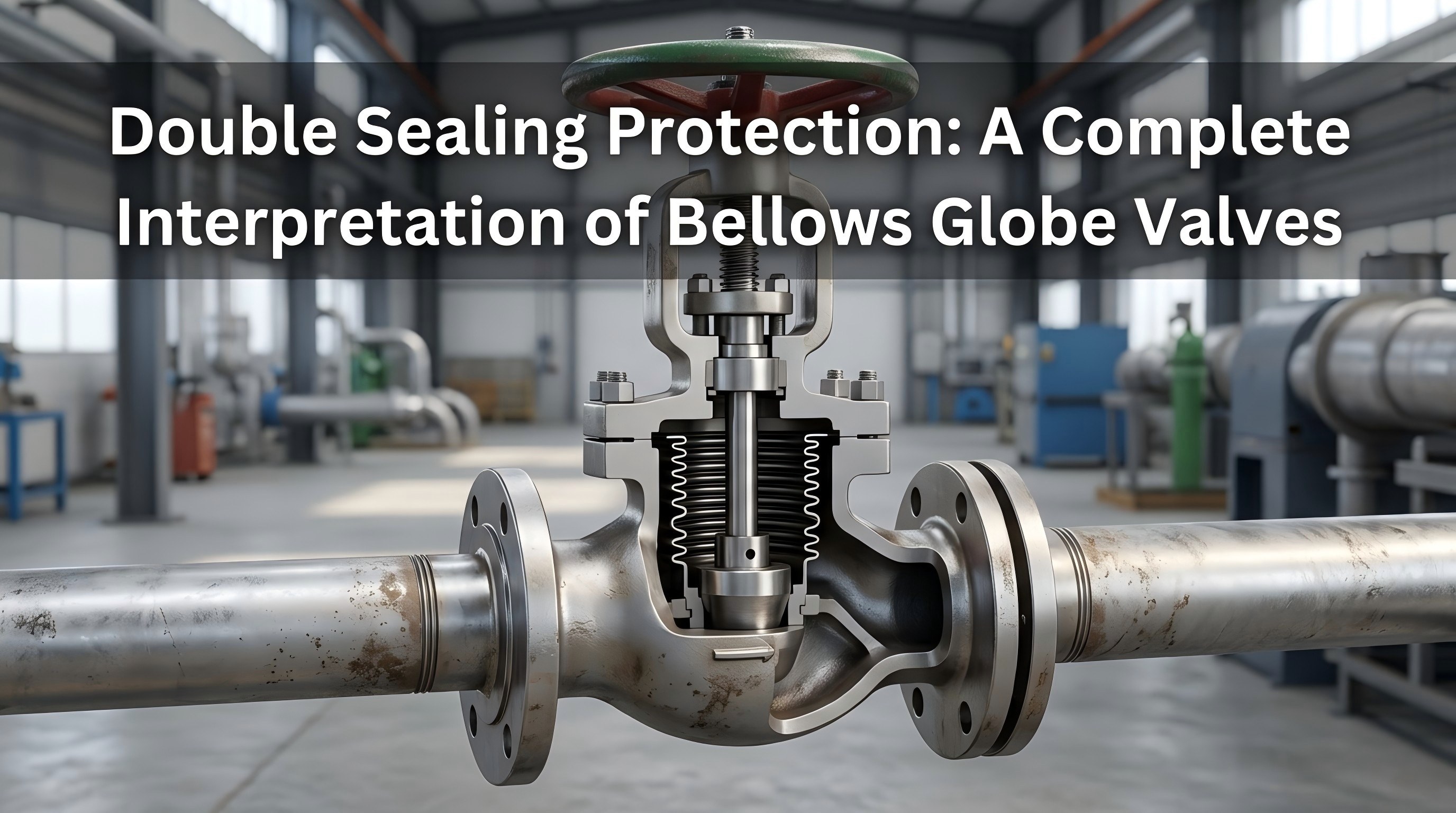 Double Sealing Protection: A Complete Interpretation of Bellows Globe Valves
  End-Suction Pump vs Inline Pumps: Which One Is Right for You?
  Method of Selecting Valve Types Based on Throttling Degree