
Why is check valve cleaning crucial for industrial pipeline safety?
author: ATHENA GROUP
2026-02-24

As the "silent guardians" of fluid systems in industries such as oil and gas, water treatment, and medical equipment, check valves play a crucial role in preventing backflow of media and protecting upstream equipment from damage. However, long-term operation leads to the accumulation of debris, corrosion, and mineral scale inside the check valve, severely affecting its performance and even causing pipeline leaks and system shutdowns.
Check valve cleaning, as a low-cost and high-efficiency maintenance method, has gradually become a key link in ensuring the stable operation of industrial systems, attracting widespread attention from enterprises and maintenance personnel.
Check valve cleaning, as a low-cost and high-efficiency maintenance method, has gradually become a key link in ensuring the stable operation of industrial systems, attracting widespread attention from enterprises and maintenance personnel.
What risks arise from neglecting check valve cleaning?
Common Misconceptions Among Enterprises
For a long time, many enterprises have neglected the importance of checking valve cleaning, mistakenly believing that simple checking valves do not require regular maintenance. In fact, one of the causes of check valve failure is inadequate cleaning, and these failures often lead to serious consequences.
For a long time, many enterprises have neglected the importance of checking valve cleaning, mistakenly believing that simple checking valves do not require regular maintenance. In fact, one of the causes of check valve failure is inadequate cleaning, and these failures often lead to serious consequences.
What specific hazards can improper check valve maintenance cause?
In the oil and gas pipeline industry, the accumulation of debris inside check valves can cause valve disc jamming, resulting in problems such as incomplete closure and backflow of crude oil or natural gas. This not only wastes resources but may also cause safety hazards such as explosions and fires.
In water treatment systems, mineral scale and biological slime inside check valves can reduce fluid flow efficiency, increase pump energy consumption, and even cause secondary pollution of water sources due to valve leaks.
How to properly clean a check valve?
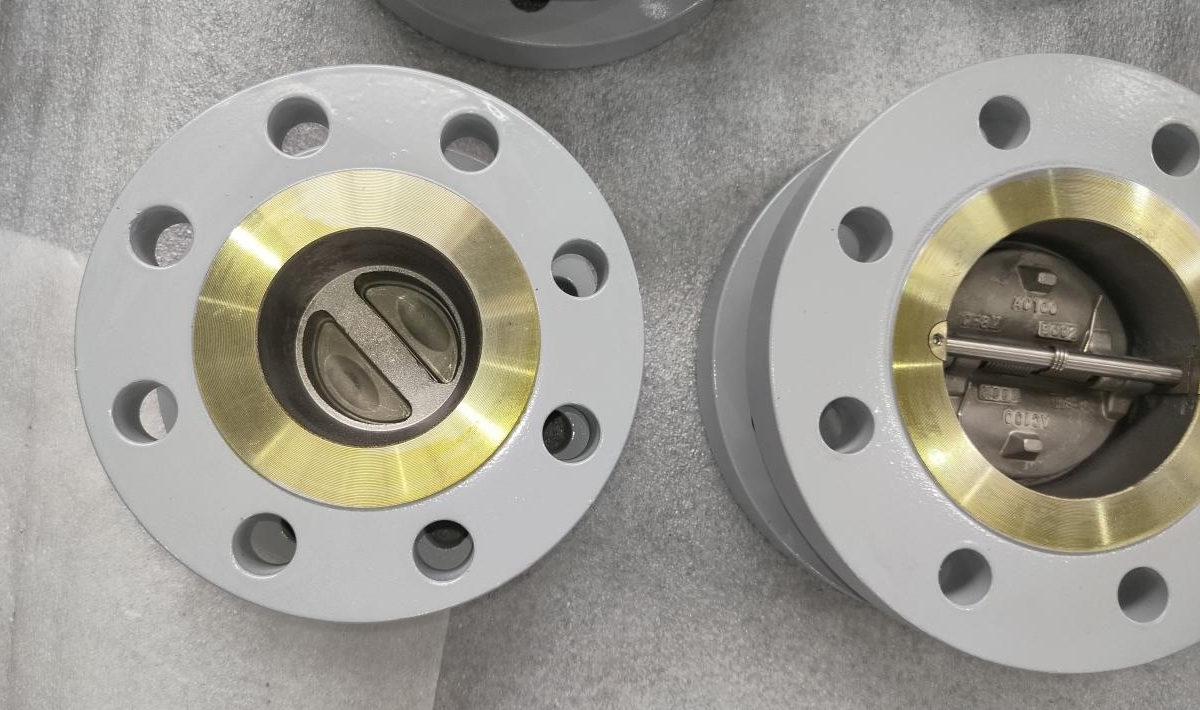
To help companies and maintenance personnel conduct check valve cleaning scientifically and efficiently, the following is a standard operating procedure. This procedure consists of four key steps and is applicable to most types of check valves, including swing, lift, and ball valves.
Step 1: Safety Preparation. Before cleaning, shut off the fluid supply to the pipeline containing the check valve, release internal pressure, and wear safety gloves, goggles, and other professional protective equipment to avoid fluid splashes or injury during valve disassembly.
Step 2: Disassembly and Inspection. Use a wrench or other professional tools to remove the check valve from the pipeline and disassemble its components. While cleaning, carefully inspect key parts such as the valve seat and valve disc for corrosion, scratches, wear, or other damage.
Step 3: Targeted Cleaning. For surface dust and loose debris, wipe clean with a clean cloth or wire brush. For stubborn scale and oil stains, soak or ultrasonically clean with a cleaning solution compatible with the pipeline medium (such as methanol, hydraulic oil, etc.). Rinse thoroughly with clean water after cleaning to avoid residual cleaning agents affecting valve performance.
Step 4: Reassembly and Testing. After ensuring all components are completely dry and clean, reassemble the check valve in the reverse order of disassembly, ensuring the valve's installation direction is consistent with the fluid flow direction. After reassembly, perform pressure and flow tests to confirm that the valve is leak-free and functions normally.
Step 2: Disassembly and Inspection. Use a wrench or other professional tools to remove the check valve from the pipeline and disassemble its components. While cleaning, carefully inspect key parts such as the valve seat and valve disc for corrosion, scratches, wear, or other damage.
Step 3: Targeted Cleaning. For surface dust and loose debris, wipe clean with a clean cloth or wire brush. For stubborn scale and oil stains, soak or ultrasonically clean with a cleaning solution compatible with the pipeline medium (such as methanol, hydraulic oil, etc.). Rinse thoroughly with clean water after cleaning to avoid residual cleaning agents affecting valve performance.
Step 4: Reassembly and Testing. After ensuring all components are completely dry and clean, reassemble the check valve in the reverse order of disassembly, ensuring the valve's installation direction is consistent with the fluid flow direction. After reassembly, perform pressure and flow tests to confirm that the valve is leak-free and functions normally.


How often should a check valve be cleaned?
The cleaning frequency of check valves is not fixed and must be determined based on the valve's operating environment and the characteristics of the medium. For pipelines conveying clean media such as tap water, it is recommended to clean them every 6 to 12 months. For pipelines operating in harsh environments, such as those conveying brackish water, crude oil, or chemical media, the cleaning frequency should be shortened to once every 1 to 3 months.
How can companies better manage check valve cleaning?
In addition, companies should establish check valve maintenance files, detailing cleaning time, cleaning methods, inspection results, etc., and adjust the cleaning plan promptly based on the valve's operating status. Valves operating under high pressure, high temperature, or other high-pressure stress environments require more frequent inspections and cleaning to ensure long-term stable operation.
Why does check valve cleaning create long-term value for industry?
With increasing emphasis on industrial safety and energy conservation, check valve cleaning is no longer an optional maintenance step but an essential measure to ensure the safe and efficient operation of fluid systems. It not only helps extend the service life of check valves and reduce maintenance costs and unplanned downtime losses for enterprises, but also provides a solid guarantee for the safety and stability of industrial production, water quality safety, medical security and other fields.
 How Does a Ball Type Check Valve Prevent Pipeline Medium Backflow?
  Selection and Precautions for Natural Gas Valves
  Athena Engineering S.R.L Wraps‑up OGA 2026 Kuala Lumpur
  What is a Gate Valve? What is Its Working Principle?
  T-Type / T-Pattern / Straight Pattern Globe Valve
  Knife Gate Valve vs Wedge Gate Valve: Which Is Better for Your Industrial Piping?
  Cryogenic Ball Valve Comprehensive Product Overview
  Causes and Treatments for Poor Valve Shut‑Off
  Athena Triple Offset Butterfly Valves
  What is the Difference Between Swing Check Valve and NRV? A Complete Explanation
  Common Connection Types of Valves
  5 Piping Design Mistakes That Are Killing Your Valves
  Float Valve: Structure, Principle and Application
  High Pressure Needle Valve High-Precision Fluid Control Valve
  What is a Piston Check Valve?
  Meet Us at OGA 2026 | Booth 6802, Hall 6
  What is a Level Gauge? Working Principles, Types and Industrial Applications
  Double Sealing Protection: A Complete Interpretation of Bellows Globe Valves
  End-Suction Pump vs Inline Pumps: Which One Is Right for You?
  Method of Selecting Valve Types Based on Throttling Degree