
Why High-Quality Fully Welded Ball Valves are Important for Industrial Applications
author: ATHENA GROUP
2026-03-07

Full-welded ball valves are key components in industrial pipeline systems, often used to control the flow of high-pressure, high-temperature or corrosive media. If welded properly, these valves can provide seamless and leak-free seals, preventing media leakage and maintaining the integrity of the pipeline system. If the welding process is not done correctly, it may result in weak welds, leakage of hazardous media, and even failure of the entire pipeline system. Understanding how to weld full-welded ball valves correctly can ensure the reliability and longevity of your industrial fluid control projects.
Preparation for Welding a Fully Welded Ball Valve
Proper preparation is the first step to successful welding of fully welded ball valves. Before you begin, make sure you have all the necessary tools and materials:
This includes welding equipment (such as TIG or MIG welding machines suitable for valve materials), matching welding rods or wires (compatible with the alloy grade of the valve), cleaning tools (steel brushes, sandpaper or chemical cleaners) to remove rust and contaminants, as well as safety equipment (welding helmets, heat-resistant gloves and protective clothing). Additionally, you should prepare alignment tools to ensure that the valve and pipeline are in the correct position. If the valve material requires it, you should also prepare preheating equipment - all of these lay the foundation for a strong and sealed welding joint.
Step 1: Clean the Valve and Pipeline
Before starting welding, clean the welding surfaces of the fully welded ball valve and pipeline. Remove rust, oil and oxide layers on joint surfaces to ensure good fusion during welding.
Step 2: Cut the Pipeline to a Suitable Length
Use a pipe cutter for a precise cut on the pipeline. Cutting to the right length ensures a good fit when connecting to the fully welded ball valve. After cutting, use sandpaper to smooth rough edges to avoid damaging the valve’s welding interface.
Step 3: Apply Welding Flux
Welding flux is essential in welding as it cleans the metal and helps welding consumables flow more smoothly. Apply a proper layer of flux to both the pipeline’s outside and the fully welded ball valve’s welding interface. This prevents oxidation and ensures the weld bonds properly.
Step 4: Align and Secure the Valve and Pipeline
Align the fully welded ball valve with the pipeline to ensure no misalignment. Secure both parts firmly with clamps to keep them stable during welding. Proper alignment and fixation prevent uneven welds and potential leaks.
Step 5: Preheat the Welding Joint
Preheat the joint area of the valve and pipeline if using alloy or thick-walled materials. Use a preheating torch to heat evenly to the required temperature. Proper preheating reduces welding stress and prevents cracks in the weld.
Step 6: Start Welding
Use a suitable welding machine to weld the joint evenly. Keep a steady welding speed and control the temperature to avoid overheating. Ensure the weld covers the joint completely for a strong, leak-tight bond.
Step 7: Check the Weld After Welding
Allow the weld to cool naturally before inspection. Check for cracks, pores or uneven surfaces. Ensure the weld is intact and leak-tight to guarantee the valve and pipeline work safely.
Following these steps carefully ensures high-quality welding results. Proper operation of fully welded ball valves helps extend the service life of the entire pipeline system.
Core Advantages of Fully Welded Ball Valves
1.Precise Control: Flow Regulation "Precision Commander", tailored for zero deviation
This fully welded ball valve is equipped with a high-precision spherical valve core and a hardened and wear-resistant valve stem. It features an integrated fully welded transmission structure, ensuring that the coaxiality between the valve stem and the spherical valve core is controlled within 0.02 millimeters, guaranteeing accurate transmission of each opening and closing operation to the flow path without delay. Whether it is precise flow regulation in low-flow scenarios, stable control of the medium flow in high-pressure pipelines, or rapid on-off operation for large-diameter fluid transmission, it can achieve a flow regulation accuracy of ±0.8%, easily meeting the requirements of various media such as petroleum and natural gas, steam, corrosive chemicals, and high-viscosity media. Combined with advanced actuators (manual/electric/pneumatic options available), the response speed can reach 0.3 seconds, enabling real-time adaptation to changes in system pressure and flow, avoiding energy waste or pipeline shock caused by flow fluctuations, and making high-pressure fluid control more precise and intelligent.
2.Sealing reliability: Achieves "zero leakage" perfect fit, and can maintain stability under extreme conditions.
The sealing performance is the core key feature of the fully welded ball valve. It has reached the highest level in terms of sealing design and process. This valve adopts a dual protection measure of "fully welded valve body + multi-layer composite seal": the valve body is fully welded without any seams, thereby eliminating the leakage risk caused by the gap between the flange connection, and the welding seams have undergone non-destructive testing (NDT) to ensure that the welding quality complies with ASME and GB standards; the valve seat uses metal-to-metal seal or polytetrafluoroethylene composite seal, which is customized according to the characteristics of the medium, and the sealing surface is precisely polished to closely fit with the spherical core, with a leakage rate as low as GB/T 13927 VI level (close to zero leakage). Whether in ultra-high pressure (up to 63 MPa) or extreme temperature (from -196°C to 550°C) environments, or under long-term exposure to strong acids, strong alkalis and solid particles erosion, it can maintain stable and reliable sealing performance, fundamentally eliminating the safety hazards and economic losses caused by fluid leakage in harsh industrial scenarios.
3.Structural Stability: Robust framework "Sturdy and durable, resistant to wear and tear", with no stress effects during long-term operation
The structural stability of the fully welded ball valve stems from the selection of high-quality materials and the scientific design of the structure. The valve body is made of 304/316L stainless steel, duplex steel or special alloy materials through overall forging and welding, featuring extremely high structural stiffness and excellent resistance to deformation. It can withstand harsh working conditions such as pipeline vibration and pressure shock. The fully welded structure not only enhances the overall pressure-bearing capacity of the valve but also avoids the risk of valve body loosening or damage caused by flange connections, ensuring stable operation even under long-term high-frequency switching and high-pressure working conditions. Moreover, the internal flow channel design of the valve is smooth and streamlined, reducing the impact and wear of the medium on the valve core and sealing surface. Compared with ordinary ball valves, its service life can be extended by more than 50%, significantly reducing the maintenance costs and unplanned downtime losses of industrial systems.
Fully Welded Ball Valves: Core Guarantee for Industrial Fluid Control & Customized Solutions:
From the high-pressure transmission of oil and gas pipelines, to the corrosion resistance control of chemical media, and to the high-temperature operation of thermal power generation systems, the fully welded ball valve, with its core advantages of "no deformation under high pressure, zero leakage sealing performance, and wear-resistant structure to achieve long-term stable operation", has become the core guarantee for fluid control in harsh industrial operating environments.
Customized solutions are available to meet your specific needs, including medium properties, pressure & temperature parameters, and on-site installation conditions. Our fully welded ball valves range from DN50 to DN2000 in size, supporting various international connection standards and multiple actuation methods (manual, electric, and pneumatic). Reach out to us today to customize your exclusive fully welded ball valve solution, which will further improve the safety of high-pressure fluid control and enhance the stable operation of your system. We are looking forward to establishing cooperation with you to construct an efficient, safe and durable industrial fluid operation ecosystem.
 How Does a Ball Type Check Valve Prevent Pipeline Medium Backflow?
  Selection and Precautions for Natural Gas Valves
  Athena Engineering S.R.L Wraps‑up OGA 2026 Kuala Lumpur
  What is a Gate Valve? What is Its Working Principle?
  T-Type / T-Pattern / Straight Pattern Globe Valve
  Knife Gate Valve vs Wedge Gate Valve: Which Is Better for Your Industrial Piping?
  Cryogenic Ball Valve Comprehensive Product Overview
  Causes and Treatments for Poor Valve Shut‑Off
  Athena Triple Offset Butterfly Valves
  What is the Difference Between Swing Check Valve and NRV? A Complete Explanation
  Common Connection Types of Valves
  5 Piping Design Mistakes That Are Killing Your Valves
  Float Valve: Structure, Principle and Application
  High Pressure Needle Valve High-Precision Fluid Control Valve
  What is a Piston Check Valve?
  Meet Us at OGA 2026 | Booth 6802, Hall 6
  What is a Level Gauge? Working Principles, Types and Industrial Applications
 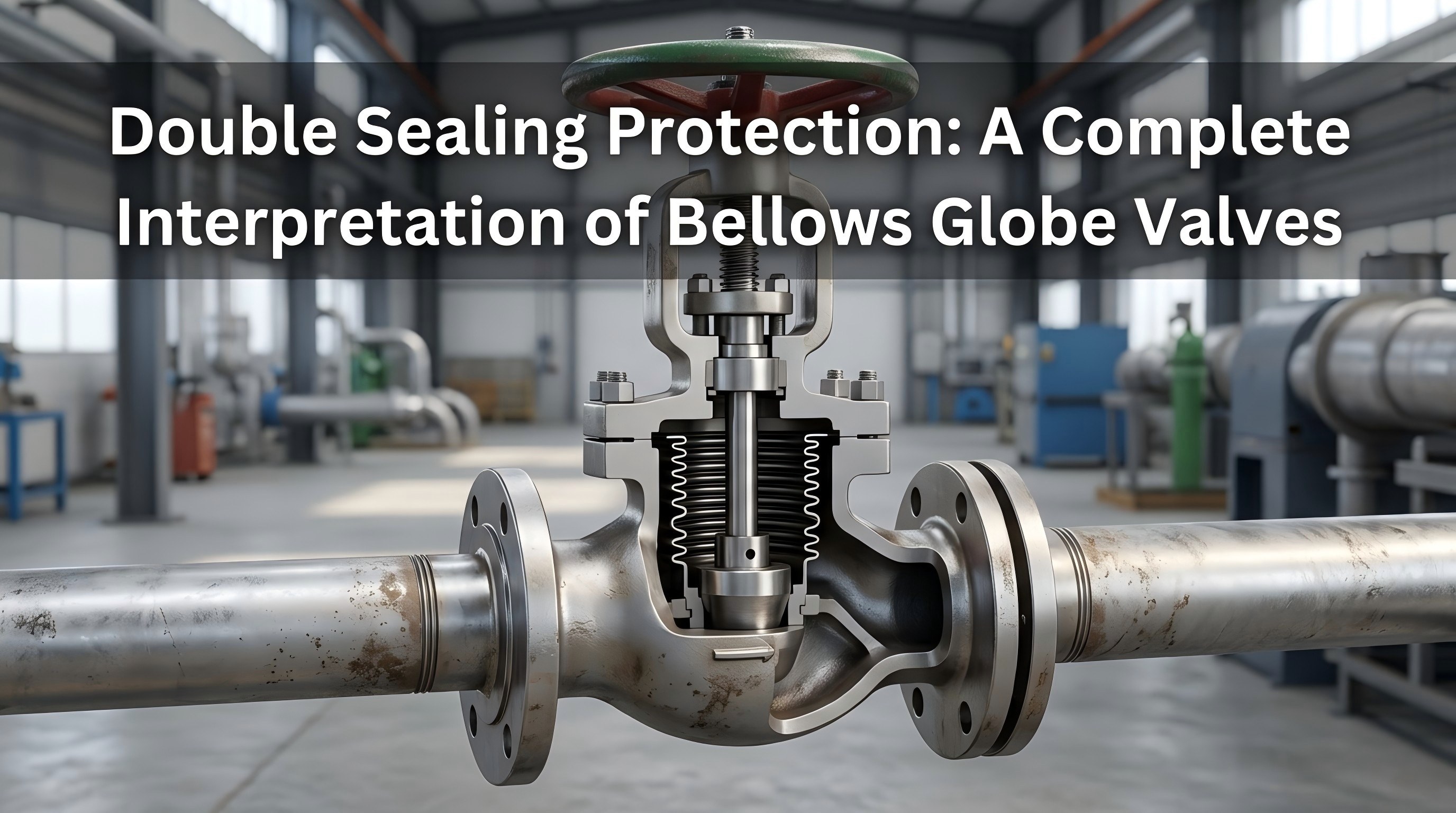 Double Sealing Protection: A Complete Interpretation of Bellows Globe Valves
  End-Suction Pump vs Inline Pumps: Which One Is Right for You?
  Method of Selecting Valve Types Based on Throttling Degree