
What is the difference between a damper and a butterfly valve?
2025-03-25
In the realm of industrial and building systems, the control of fluid and air is paramount. While both dampers and butterfly valves regulate flow, their applications, design principles, and operational characteristics differ significantly. Athena Engeneering delves into these distinctions, providing a comprehensive understanding of when to employ each device.

Fundamental Design and Purpose: Precision vs. Volume
Butterfly valves are precision instruments, engineered for the meticulous control of fluid (liquid or gas) flow within piping systems. Their design prioritizes a tight shut-off, vital for preventing leaks and maintaining system integrity, especially under pressure. The robust construction of butterfly valves, with thicker discs and bodies, reflects their industrial applications, where reliability and durability are non-negotiable. The disc's rotational axis allows for accurate flow modulation, enabling precise adjustments to fluid rates.
Dampers, conversely, are volumetric regulators, primarily designed for airflow control within ducting systems. They are indispensable in HVAC, industrial ventilation, and exhaust systems, where managing large air volumes is critical. Dampers balance airflow, isolate zones, and control emissions. Their construction, often lighter than butterfly valves, reflects their operation at low pressures.
Key Differences in Application: Confined vs. Expansive Environments
The core distinction lies in the medium controlled: butterfly valves handle fluids within confined piping, while dampers manage air in expansive ducting. This translates to differences in pressure containment and operational requirements. Butterfly valves must withstand significant pressure, ensuring safe fluid transfer. Dampers, operating at low pressures, focus on volumetric airflow regulation.
Piping systems, where butterfly valves reside, demand robust construction to contain pressurized fluids. Ducting systems, housing dampers, are less pressurized, prioritizing efficient airflow management. This difference in environments shapes the design and materials of each device.
Differences in Construction and Sealing: Robustness vs. Efficiency
Butterfly valves, designed for industrial rigor, boast robust construction. Their thicker discs and bodies ensure resilience against pressurized fluids. Dampers, operating in low-pressure settings, prioritize efficiency, often featuring lighter, more streamlined designs.
Sealing requirements also diverge. Butterfly valves, especially in liquid applications, demand tight shut-off to prevent leaks. Damper sealing varies, with some HVAC applications tolerating minimal leakage, while industrial exhaust systems may require tighter seals.
Materials further distinguish these devices. Butterfly valves, handling diverse fluids, employ a wide range of materials for chemical compatibility. Dampers, primarily managing air, often utilize cost-effective materials like galvanized steel or aluminum.
User Concerns and Considerations: Practical Application and Performance
Users rightfully prioritize application-specific selection. Understanding the nuances of fluid versus air control is crucial. Butterfly valves excel in precise fluid management within piping, while dampers optimize airflow in ducting.
Sealing performance is another key concern. Butterfly valves, especially those provided by reputable manufacturers like Athena Engineering, are engineered for tight shut-off, crucial for preventing leaks. Athena Engineering provides a wide range of butterfly valves, with various materials, and designs, that allow for the right valve to be selected for the application. Dampers, depending on their design and application, may tolerate some leakage.
Pressure handling is paramount. Users must ensure devices operate within their rated capacities. Butterfly valves, designed for high-pressure environments, are robustly constructed. Dampers, operating at low pressures, prioritize efficiency.
Size and installation also factor into device selection. Piping systems, accommodating butterfly valves, differ significantly from ducting systems, housing dampers. This difference can mean that the size and installation of each device is very different.
Cost considerations are inevitable. Butterfly valves, with their robust construction and material diversity, may incur higher costs. Dampers, often utilizing cost-effective materials, balance performance with budgetary constraints.
Athena Engineering: Expertise in Valve Solutions
In navigating the complexities of flow control, partnering with experienced providers like Athena Engineering is essential. Athena Engineering offers a comprehensive range of butterfly valves, designed for diverse applications and operating conditions. Their expertise in material selection, valve design, and application engineering ensures optimal performance and reliability. They are committed to providing the right valve for the job, and can help to determine if a butterfly valve, or a damper is the correct product for the application.
Dampers vs. Butterfly Valves: Key Differences Explained
While both control flow, dampers and butterfly valves are tailored for distinct environments and media.
Butterfly valves |
Dampers |
|
| Media and Environment: | Handle liquids and gases in pressurized pipes. | Manage airflow in low-pressure ductwork. |
| Function and Precision: | Precise fluid control, tight shut-off. | Volumetric airflow regulation, less focus on tight seals. |
| Construction and Robustness: | Robust, designed for high pressures, diverse materials. | Lighter, efficient design, often galvanized steel or aluminum. |
| Application Focus: | Industrial piping, chemical processing, water treatment. | HVAC, ventilation, exhaust systems. |
| Sealing Requirements: | Critical, leakage prevention. | Variable, some leakage acceptable. |
| Pressure Handling: | High-pressure containment. | Low-pressure airflow. |
Practical Considerations:
Fluid vs. Air: This is the most fundamental difference. If you're dealing with liquids or pressurized gases, you need a butterfly valve. For air movement in ducting, a damper is the correct choice.
Precision vs. Volume: Butterfly valves are about precision, controlling the flow of fluids with accuracy. Dampers are about volume, moving large quantities of air efficiently.
Material Compatibility: Butterfly valves have a much wider material selection, due to the variety of fluids they are exposed to.
Installation: Pipe and ducting systems are very different, so the physical installation of the devices is also very different.
Cost: Butterfly valves are often more expensive, due to their robust design and material requirements.
Key Takeaway:
Choose butterfly valves for pressurized fluid control requiring tight sealing, and dampers for volumetric airflow management in ducting systems. Athena Engineering can provide expertise in selecting the correct valve for your fluid control needs.
Conclusion
Dampers and butterfly valves, while both regulating flow, serve distinct purposes in different environments. Butterfly valves excel in precise fluid control within piping, while dampers optimize airflow in ducting. Understanding these distinctions, and partnering with experienced providers like Athena Engineering, ensures optimal system performance and efficiency.
 How Does a Ball Type Check Valve Prevent Pipeline Medium Backflow?
  Selection and Precautions for Natural Gas Valves
  Athena Engineering S.R.L Wraps‑up OGA 2026 Kuala Lumpur
  What is a Gate Valve? What is Its Working Principle?
  T-Type / T-Pattern / Straight Pattern Globe Valve
  Knife Gate Valve vs Wedge Gate Valve: Which Is Better for Your Industrial Piping?
  Cryogenic Ball Valve Comprehensive Product Overview
  Causes and Treatments for Poor Valve Shut‑Off
  Athena Triple Offset Butterfly Valves
  What is the Difference Between Swing Check Valve and NRV? A Complete Explanation
  Common Connection Types of Valves
  5 Piping Design Mistakes That Are Killing Your Valves
  Float Valve: Structure, Principle and Application
  High Pressure Needle Valve High-Precision Fluid Control Valve
  What is a Piston Check Valve?
  Meet Us at OGA 2026 | Booth 6802, Hall 6
  What is a Level Gauge? Working Principles, Types and Industrial Applications
 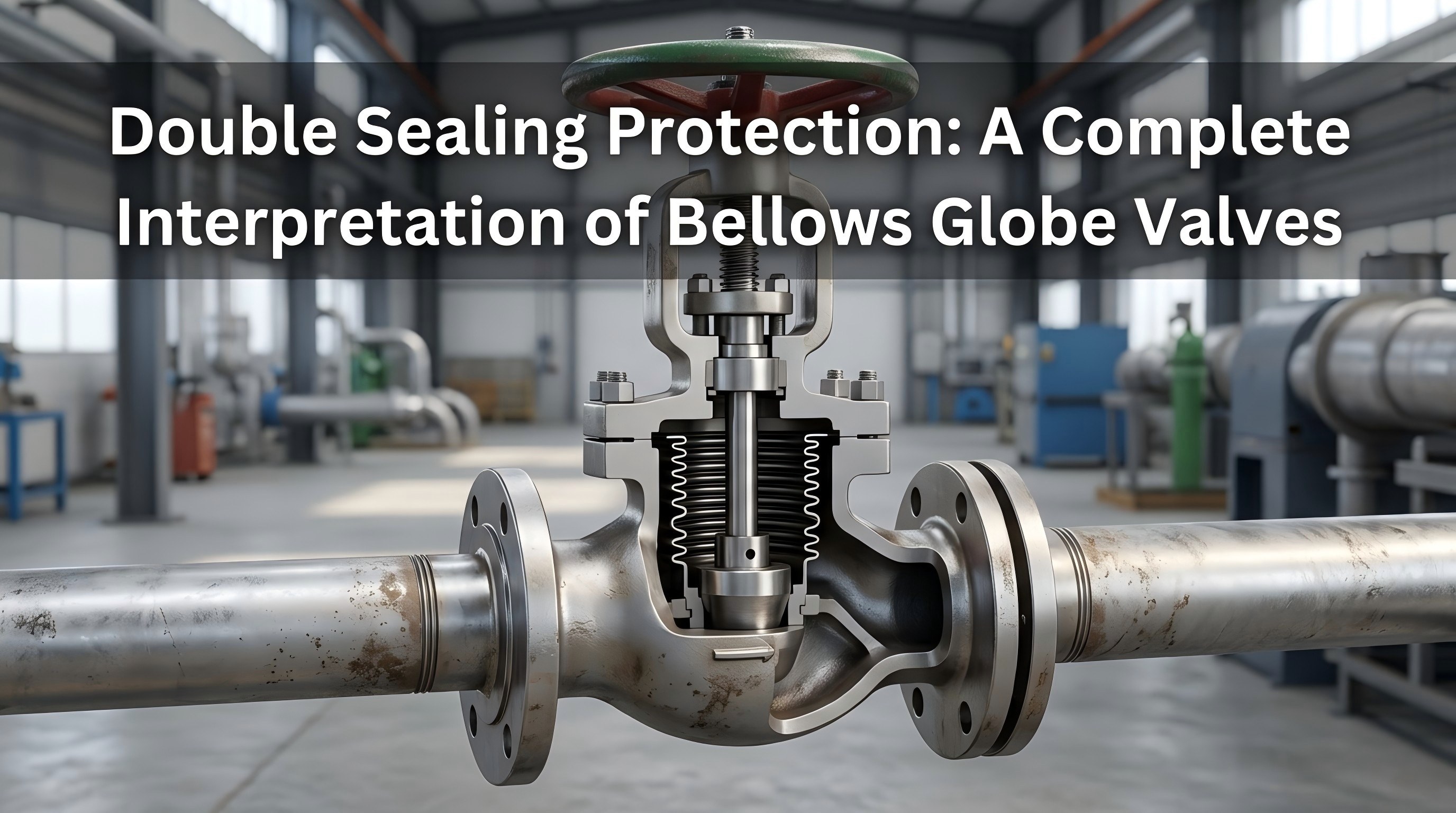 Double Sealing Protection: A Complete Interpretation of Bellows Globe Valves
  End-Suction Pump vs Inline Pumps: Which One Is Right for You?
 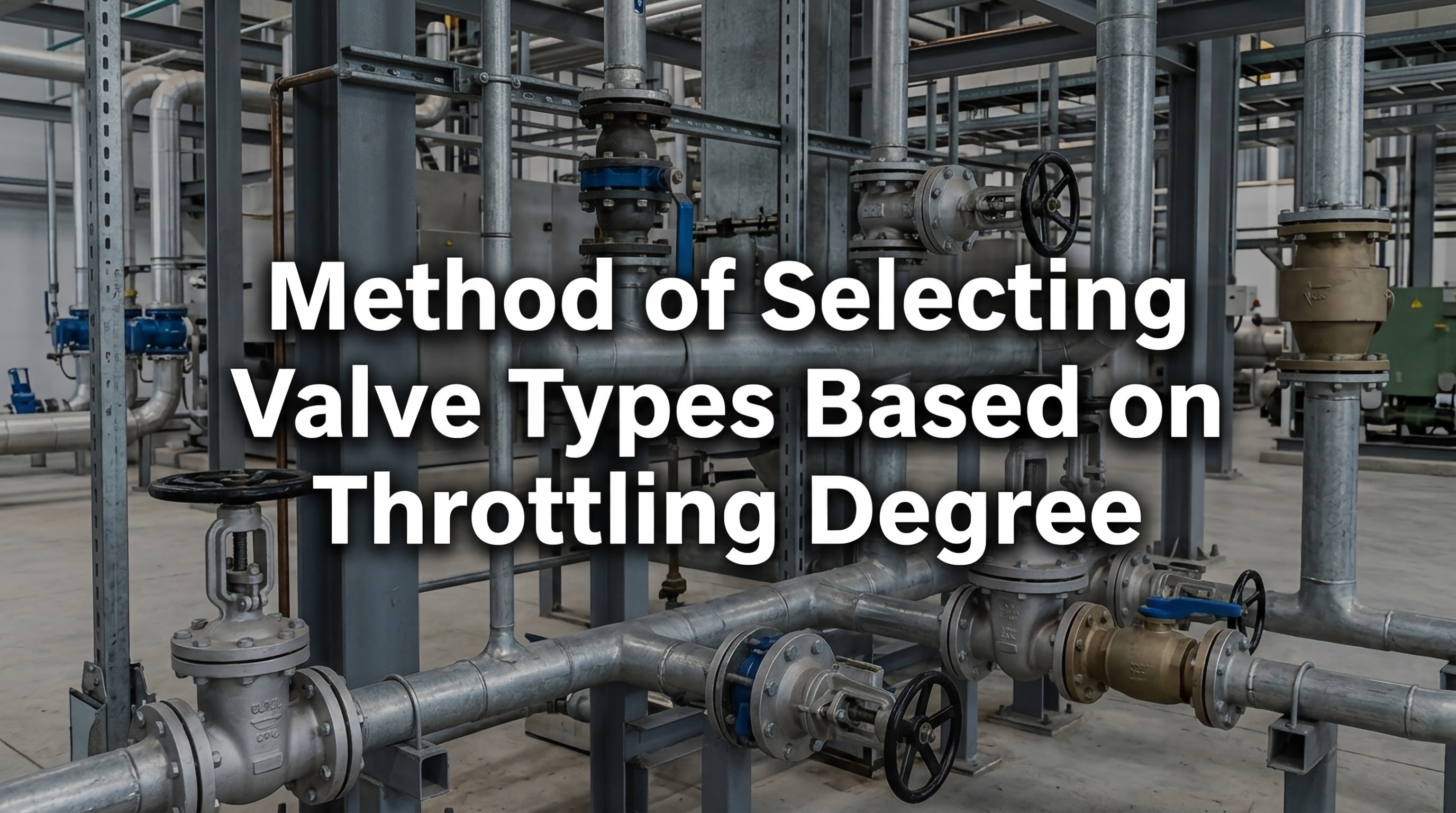 Method of Selecting Valve Types Based on Throttling Degree