
What is a Sleeve Type Plug Valve?
author: ATHENA GROUP
2026-05-09
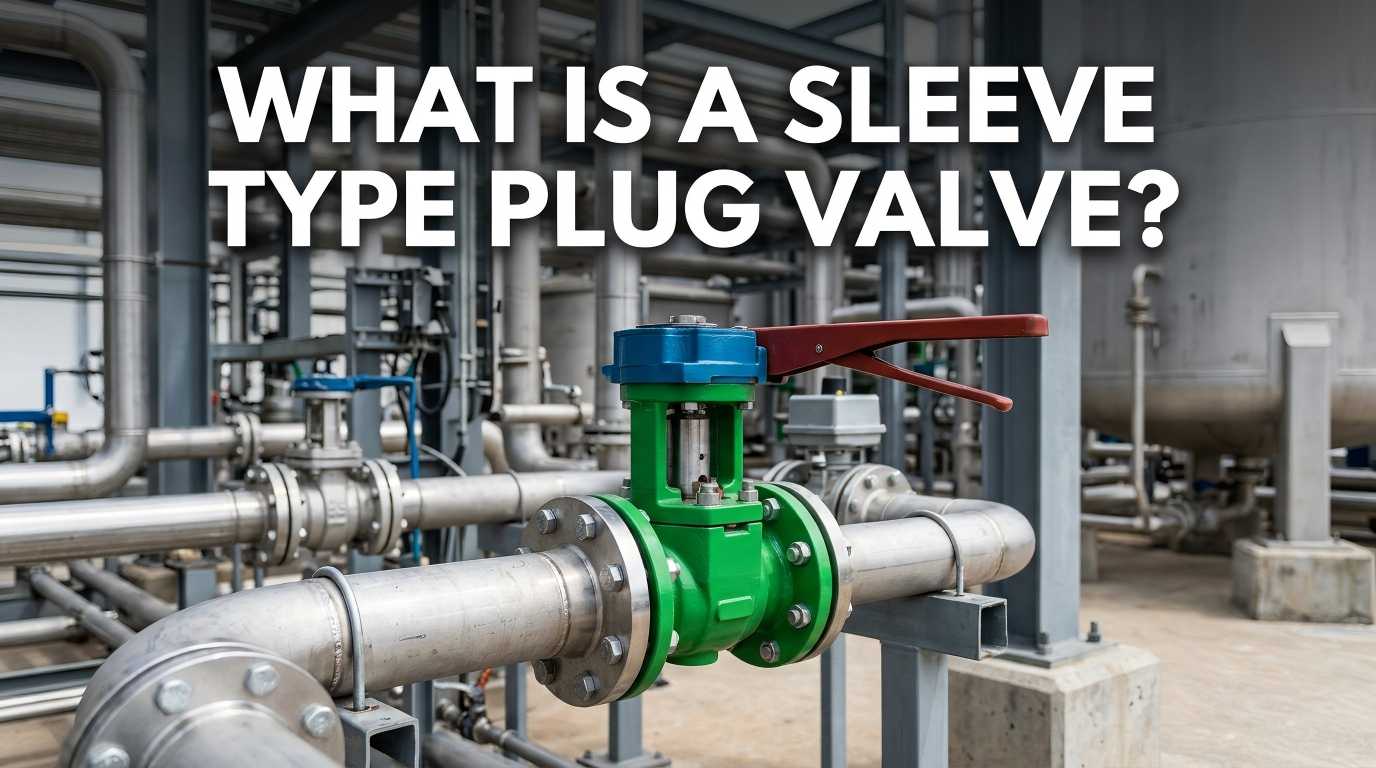
A sleeve type plug valve is a rotary fluid control valve that integrates a sleeve structure with the core functions of a traditional plug valve. Thanks to its unique structural design, it achieves breakthroughs in sealing performance, erosion resistance, and flow control accuracy. It is widely used in petroleum, chemical, petrochemical, power, municipal, and other industrial fields, serving as key equipment for fluid shut‑off and regulation under complex working conditions.
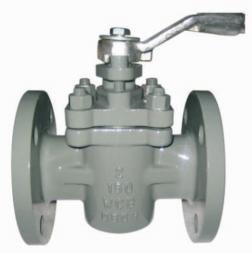
1. Core Structural Components
The design of a sleeve type plug valve centers on reliable sealing, uniform stress distribution, and easy maintenance. Its key components work together to ensure stable operation:
• Body: The basic load‑bearing component with a hollow internal flow passage. Commonly made of cast steel (WCB), low‑temperature steel (LCB), stainless steel (304/316), or special materials such as duplex stainless steel and super duplex steel for enhanced corrosion and pressure resistance. The body is bolted to pipelines and acts as the flow channel and mounting base.
• Plug: The core opening and closing element, usually cylindrical or conical, coaxially matched with the sleeve. Its precision‑machined surface has holes or slots matching the flow passage. Rotating the plug aligns or misaligns the holes to control flow; some plugs feature V‑notches for shearing, suitable for viscous or slightly contaminated media.
• Sleeve: A critical protective and guiding component fixed in the body flow passage, closely fitting the plug’s outer circumference. It guides and supports the plug, protects sealing surfaces, and distributes fluid pressure to reduce erosion. The sleeve has trapezoidal or rectangular holes for flow control. Some designs include a 360° metal lip to protect ferrules and provide self‑cleaning for scaling‑prone conditions.
• Sealing assembly: Includes ferrules, packing, seats, etc. Ferrule seals deform under nut tightening to provide triple sealing (front, rear, outer cone) for high‑pressure and vibrating environments. Packing is typically PTFE, compressed by a gland to prevent leakage along the plug. Seats are available in soft or metal‑hard types for different temperatures and pressures.
• Actuator: Drives plug rotation, either manual (lever, handwheel) or automatic (electric, pneumatic, worm gear). Manual is simple for small valves or low‑frequency operation; automatic enables remote control and automation for large systems. Some actuators use bevel gears or couplings for smooth, even torque.
2. Operating Principle
sleeve type plug valves work on the principle of rotary sealing and flow regulation. The actuator rotates the plug around its axis, and flow is controlled by aligning the plug and sleeve ports:
1. Open position: Rotate the plug 90° to fully align the holes. Media flows smoothly through the body, sleeve, and plug with low resistance and no dead space.
2. Closed position: Rotate the plug 90° in reverse to fully misalign the holes. The plug sealing face tightly contacts the sleeve, forming a double seal with packing to block flow completely.
3. Regulating position: Rotate the plug to any intermediate angle to adjust the overlapping flow area, enabling precise flow control. Various port shapes (quick‑opening, low‑flow, proportional) meet different regulation needs.
The sleeve uniformly distributes fluid pressure, reduces unbalanced forces, stabilizes operation, isolates the body from direct fluid contact, minimizes corrosion and erosion, and extends service life.

3. Core Features (Advantages and Limitations)
3.1 Core Advantages
• Excellent sealing: Double sealing (precision plug‑sleeve fit + packing) and optional triple ferrule sealing prevent leakage even for high‑pressure, toxic, or volatile fluids. Sealing can be restored by adjusting packing or replacing sleeves/plugs at low cost.
• Strong erosion and wear resistance: The sleeve bears direct fluid impact, protecting the plug and body. Wear‑resistant alloy sleeves handle particles and high viscosity without sticking or failure. Self‑cleaning lip designs suit scaling conditions.
• Precise flow regulation: Continuous flow adjustment via plug rotation; various port profiles support quick‑opening, low‑flow, and proportional control for precise processes such as chemical feeding and gas pressure regulation.
• Easy operation with low torque: High‑precision plug‑sleeve fit reduces friction; 90° rotation enables fast on/off for emergency shutdown. Automated models support remote and intelligent control.
• Simple structure and easy maintenance: Compact design allows quick replacement of plugs and sleeves without full disassembly. No internal cavities avoid media buildup, ideal for viscous fluids.
• Wide applicability: Flexible material, sealing, and connection options (flange, ferrule, thread) cover low to high pressure and temperature. Bi‑directional flow simplifies installation.
3.2 Limitations
• Higher cost: High machining precision and special materials increase cost compared to conventional plug valves, gate valves, etc.
• Relatively large size: Larger footprint than small globe valves or ball valves, limiting use in compact spaces.
• Media limitations: Standard models not suitable for highly corrosive or extreme high‑temperature/high-pressure fluids without customization; not for large solid particles that may cause jamming.
• Maintenance requirements: Regular inspection of seals, sleeves, and plugs is needed. Delayed maintenance may reduce sealing and increase leakage risk.
In summary, the sleeve type plug valve’s unique structure solves the problems of easy wear and poor erosion resistance of traditional plug valves while ensuring easy operation and reliability. It plays an irreplaceable role in demanding industrial applications. With ongoing technical improvements, its application scope will continue to expand, making it a core device in fluid control systems.
 How Does a Ball Type Check Valve Prevent Pipeline Medium Backflow?
  Selection and Precautions for Natural Gas Valves
  Athena Engineering S.R.L Wraps‑up OGA 2026 Kuala Lumpur
  What is a Gate Valve? What is Its Working Principle?
  T-Type / T-Pattern / Straight Pattern Globe Valve
  Knife Gate Valve vs Wedge Gate Valve: Which Is Better for Your Industrial Piping?
  Cryogenic Ball Valve Comprehensive Product Overview
  Causes and Treatments for Poor Valve Shut‑Off
  Athena Triple Offset Butterfly Valves
  What is the Difference Between Swing Check Valve and NRV? A Complete Explanation
  Common Connection Types of Valves
  5 Piping Design Mistakes That Are Killing Your Valves
  Float Valve: Structure, Principle and Application
  High Pressure Needle Valve High-Precision Fluid Control Valve
  What is a Piston Check Valve?
  Meet Us at OGA 2026 | Booth 6802, Hall 6
  What is a Level Gauge? Working Principles, Types and Industrial Applications
  Double Sealing Protection: A Complete Interpretation of Bellows Globe Valves
  End-Suction Pump vs Inline Pumps: Which One Is Right for You?
  Method of Selecting Valve Types Based on Throttling Degree