
What Is A NRV Horizontal Type Valve
2025-06-19
In fluid systems where controlling flow direction is critical, Non-Return Valves (NRVs) play a pivotal role. Among the various types, the horizontal NRV is a specialized solution designed for pipelines that run horizontally, often facing unique challenges related to gravity, debris, vibration, and maintenance.
This in-depth article explores every key aspect of NRV horizontal type valves, from technical design and operation principles to installation, troubleshooting, and maintenance. Moreover, we highlight Athena Engineering, a renowned manufacturer specializing in horizontal NRVs, emphasizing why their products stand out in quality, reliability, and global compliance.
What Are NRV Horizontal Type Valves?
A Non-Return Valve (NRV) is an automatic valve that permits fluid to flow only in one direction, preventing backflow that could damage equipment or contaminate clean water supplies. While NRVs can be installed in vertical or horizontal pipelines, the horizontal NRV is engineered specifically to function optimally in horizontal piping systems.

Why Orientation Matters
The valve’s orientation affects its operational efficiency and longevity. Vertical NRVs rely on gravity to aid valve closure; however, in horizontal pipelines, gravity impacts the valve differently, necessitating designs that ensure reliable closing without the benefit of downward force.
Improper orientation can cause:
Valve fluttering or chattering due to insufficient closure force
Premature wear or failure of valve components
Increased risk of water hammer and vibration damage
Debris accumulation leading to blockage or damage
Horizontal NRVs address these concerns through specialized mechanisms and materials that ensure stable, silent operation, even under challenging flow conditions.
Why Choose Horizontal NRVs?
a. Addressing Real-World Installation Challenges
Horizontal pipeline runs are common in municipal waterworks, sewage pumping stations, industrial processes, HVAC systems, and irrigation networks. These environments pose several issues for NRVs, which horizontal-specific designs overcome:
Space Constraints: Vertical installation may be impossible or impractical due to ceiling height restrictions or underground pipelines.
Solids-Laden Flow: Horizontal valves prevent solids from settling in vertical valve bodies, reducing clogging risks.
Reduced Noise and Vibration: Spring-assisted horizontal NRVs minimize water hammer and valve chatter common in swing valves.
b. Enhanced Durability and Reliability
In horizontal configurations, valves often face different mechanical stresses. Horizontal NRVs engineered by Athena Engineering use carefully calibrated springs, balanced discs, and corrosion-resistant materials to deliver consistent performance, even under fluctuating flow and pressure conditions.
c. Energy Efficiency
Horizontal NRVs reduce system pressure loss compared to poorly oriented valves. This improvement lowers pump energy consumption and extends equipment life, contributing to more sustainable operations.
Common Types of Horizontal NRVs and Their Applications
Different designs serve various operational needs. The choice depends on flow characteristics, pressure, media type, and installation space.
Swing Check Valve
Features a hinged disc that swings open with forward flow.
Relies on gravity and backpressure to close.
Best suited for clean water, horizontal pipelines, and low-pressure systems.
Challenges: Slow closure can cause water hammer; susceptible to chatter at low flows.
Athena Advantage: Athena’s swing check valves feature optimized hinge designs and premium materials to reduce noise and extend service life.
Spring-Loaded Check Valve
Uses a spring to close the valve disc quickly after flow reversal.
Operates well in both horizontal and vertical lines.
Provides fast shutoff, reducing water hammer.
Common in pump discharge lines, HVAC, and booster systems.
Athena Advantage: Athena manufactures spring-loaded valves with corrosion-resistant springs and adjustable spring tension, allowing customization for diverse system pressures.
Dual-Plate Wafer Check Valve
Compact design with two spring-loaded semicircular plates mounted on a central hinge.
Minimal face-to-face length and weight, fitting easily between flanges.
Fast response, low pressure drop.
Common in petrochemical, water treatment, and HVAC industries.
Athena Advantage: Athena offers dual-plate valves with advanced sealing materials and surface treatments to maximize durability.
Ball Check Valve
A ball moves to seal the valve when flow reverses.
Suitable for slurry or particulate-laden fluids.
Simple, self-cleaning design.
Athena Advantage: Athena produces ball check valves in various materials and sizes, optimized for industrial wastewater applications.
Diaphragm/Duckbill Valve
No moving parts; flexible rubber diaphragm or duckbill opens with forward flow and collapses to seal reverse flow.
Ideal for sanitary or corrosive environments.
Athena Advantage: Athena’s duckbill valves use FDA-approved elastomers with excellent chemical resistance.
Key User Concerns and Technical Considerations
a. Vibration and Chattering
A major user concern in horizontal NRVs is vibration or chatter, caused when the valve oscillates due to flow instability or insufficient closure force.
Root Causes: Low flow velocity, valve oversizing, or hinge pin misalignment.
Solutions:
Spring-assisted valves reduce flutter by ensuring rapid closure.
Athena Engineering’s valves come with precision springs and balanced discs designed to minimize vibration.
Correct valve sizing and installation alignment also mitigate chatter.
b. Proper Valve Orientation
Swing check valves require the hinge pin to be perfectly horizontal with the disc swinging upward to avoid debris trapping.
Spring-loaded and wafer-type valves offer more flexible orientation.
Athena’s valves include clear directional arrows and installation instructions to prevent common user errors.
c. Head Loss and Flow Efficiency
Users often worry about the pressure drop introduced by NRVs:
Swing valves generally have higher head loss due to disc obstruction.
Dual-plate and spring-loaded valves offer lower resistance.
Athena provides detailed pressure drop curves and flow coefficient (Cv) data to assist engineers in selecting the optimal valve.
d. Handling Debris and Solids
Horizontal lines, especially in sewage and industrial effluent systems, carry solids that can damage or clog valves.
Swing valves can trap debris near the hinge.
Ball check and spring-assisted valves are preferable for contaminated flow.
Athena Engineering specializes in valves with abrasion-resistant coatings and replaceable seats for harsh environments.
Installation Best Practices for Horizontal NRVs
Successful NRV performance depends heavily on installation quality:
a. Follow Directional Arrows and Orientation Guidelines
Ensure the valve is installed with the correct flow direction.
Confirm hinge pins are level for swing valves.
Use spring-assisted valves where orientation is flexible.
b. Provide Adequate Straight Pipe Length
Minimum 5× pipe diameter upstream and 3× downstream reduces turbulence and aids valve function.
c. Support the Pipeline Correctly
Valves should not bear pipeline weight.
Use hangers and supports to prevent valve body stress.
d. Use Upstream Strainers
Protect valves from debris by installing strainers or filters.
Athena valves are often paired with compatible strainers for turnkey solutions.
e. Utilize Manufacturer Installation Guides
Athena Engineering supplies detailed manuals and CAD drawings.
Installation training and technical support are available globally.
Maintenance and Troubleshooting
Regular maintenance ensures long valve life and reliable operation.
a. Inspection Routine
Visual checks for leaks and unusual noises.
Test valve closure time and inspect for flutter or vibration.
b. Cleaning and Seat Replacement
Remove sediment and debris buildup.
Replace worn or damaged elastomer seats and springs.
c. Upgrading for Persistent Issues
Replace swing valves prone to water hammer with Athena’s spring-assisted models.
Use corrosion-resistant materials in aggressive media.
d. Athena’s Maintenance Support
Provides spare parts kits.
Offers troubleshooting consultation.
Facilitates remote technical support.
Material and Valve Style Comparison
| Valve Type | Suitable Media | Material Options | Pressure Rating | Head Loss | Maintenance |
| Swing Check Valve | Clean water, low solids | Cast iron, ductile iron, stainless steel | Up to 16 bar | Medium-high | Moderate |
| Spring-Loaded Valve | Water, steam, chemicals | Stainless steel, brass, carbon steel | Up to 40 bar | Low | Low |
| Dual-Plate Wafer | Industrial fluids, HVAC | Stainless steel, carbon steel | Up to 25 bar | Low | Low |
| Ball Check Valve | Wastewater, slurry | Stainless steel, rubber | Up to 10 bar | Medium | Moderate |
| Diaphragm/Duckbill | Sanitary, corrosive fluids | EPDM, Viton, PTFE-lined rubber | Up to 8 bar | Very low | Low |
Athena Engineering manufactures valves across all these types with customizable materials and pressure classes, ensuring broad application coverage.
Athena Engineering: Leading Horizontal NRV Manufacturer
Company Profile
Over 15 years of experience manufacturing industrial valves.
ISO 9001, CE, WRAS certifications.
Focus on innovation, quality, and customer service.
Product Range
Full line of horizontal NRVs: swing, spring-loaded, dual-plate, ball, diaphragm.
Custom sizes from DN15 to DN600+.
Material options for potable water, wastewater, chemical, and industrial sectors.
Unique Advantages
Precision engineering reduces vibration and water hammer.
In-house R&D allows tailored spring tension and disc balancing.
Robust quality control with rigorous testing.
OEM services for branding and packaging.
Strong global after-sales and technical support.
Why Choose Athena?
Competitive pricing without sacrificing quality.
Flexible customization for unique applications.
Fast lead times due to streamlined production.
Proven track record in diverse international projects.
Case Study: Reducing Water Hammer in a Municipal Pump Station
A municipal water treatment facility experienced excessive noise and pipe stress due to check valve chatter on horizontal lines. Athena Engineering supplied dual-plate wafer check valves with optimized spring settings.
Results:
Chatter eliminated.
Maintenance frequency reduced by 70%.
System reliability improved significantly.
This project exemplifies Athena’s commitment to engineering solutions matched to real-world challenges.
Frequently Asked Questions (FAQs)
Q1: Can I install a swing check valve vertically?
No. Swing valves require horizontal orientation to allow the disc to swing properly. For vertical lines, use spring-loaded valves.
Q2: How do I prevent valve chatter?
Ensure proper valve sizing and consider spring-assisted designs like those from Athena.
Q3: Are Athena’s horizontal NRVs suitable for potable water?
Yes. Athena offers WRAS and NSF-approved models designed for drinking water.
Q4: How often should I inspect and maintain horizontal NRVs?
At least once every six months, or more frequently in harsh environments.
Q5: Can Athena customize valves for my specific pressure and temperature needs?
Absolutely. Athena provides tailored solutions to meet exact project specifications.
Conclusion: Trust Athena Engineering for Your Horizontal NRV Needs
Selecting the right NRV horizontal type valve is crucial to protecting your fluid systems, reducing maintenance costs, and ensuring smooth operation. Horizontal valves face unique challenges, but with expert design, quality manufacturing, and proper installation, these can be effectively managed.
Athena Engineering, a trusted Chinese manufacturer, offers a comprehensive portfolio of horizontal NRVs engineered for durability, low noise, and reliable performance. Their global certifications, extensive product range, and responsive technical support make them the ideal partner for industrial, municipal, and commercial water projects.
Contact Athena Engineering today to get expert advice, request datasheets, or order samples. Secure your system with quality valves built for horizontal flow conditions.
 What is Bi-Directional Valves?
  How Does a Ball Type Check Valve Prevent Pipeline Medium Backflow?
  Selection and Precautions for Natural Gas Valves
  Athena Engineering S.R.L Wraps‑up OGA 2026 Kuala Lumpur
  What is a Gate Valve? What is Its Working Principle?
  T-Type / T-Pattern / Straight Pattern Globe Valve
  Knife Gate Valve vs Wedge Gate Valve: Which Is Better for Your Industrial Piping?
  Cryogenic Ball Valve Comprehensive Product Overview
  Causes and Treatments for Poor Valve Shut‑Off
  Athena Triple Offset Butterfly Valves
  What is the Difference Between Swing Check Valve and NRV? A Complete Explanation
  Common Connection Types of Valves
  5 Piping Design Mistakes That Are Killing Your Valves
  Float Valve: Structure, Principle and Application
  High Pressure Needle Valve High-Precision Fluid Control Valve
  What is a Piston Check Valve?
  Meet Us at OGA 2026 | Booth 6802, Hall 6
  What is a Level Gauge? Working Principles, Types and Industrial Applications
 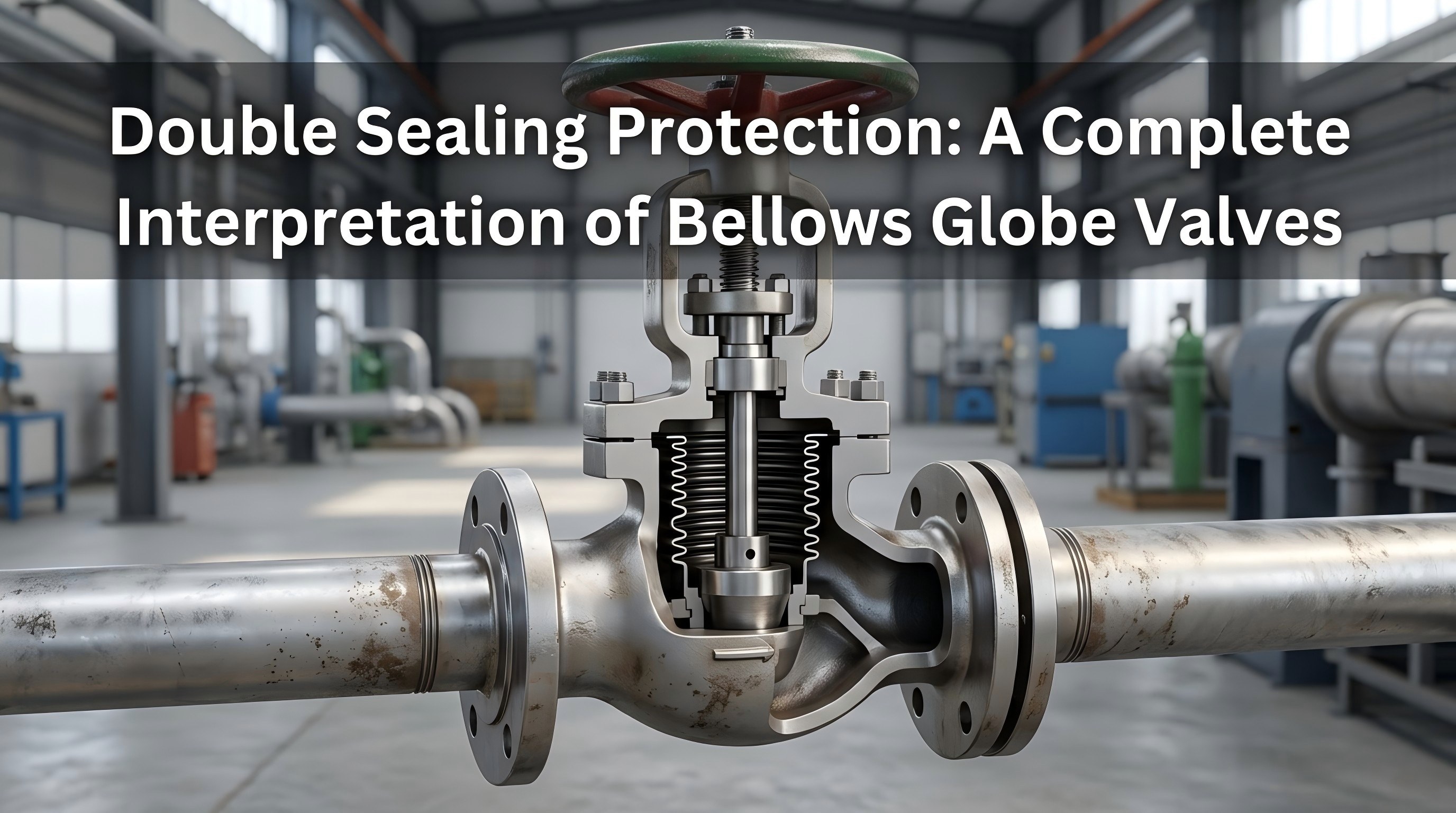 Double Sealing Protection: A Complete Interpretation of Bellows Globe Valves
  End-Suction Pump vs Inline Pumps: Which One Is Right for You?