
What is a Level Gauge? Working Principles, Types and Industrial Applications
author: ATHENA GROUP
2026-07-29

ATHENA VALVE specializes in the R&D and manufacturing of high-end industrial fluid control valves and instruments, delivering professional and reliable industrial liquid level monitoring solutions. As core equipment, level gauges enable direct monitoring of liquid levels inside storage tanks, pipelines and pressure vessels. They provide real-time and intuitive liquid level readings without complex electronic conversion, and are widely applied in oil & gas, chemical, petrochemical, water treatment and other sectors to ensure safe, stable and efficient operation of fluid systems. They serve as critical instruments for on-site liquid level monitoring.
Working Principles of Level Gauges
Standard level gauges operate based on classic fluid statics equilibrium and the communicating vessel principle. The device is vertically mounted on the side of a storage tank or pressure vessel, with its internal flow channel directly connected to the vessel’s interior space.
Under natural pressure balance, the liquid level inside the level gauge aligns with that inside the vessel. Operators can read accurate liquid level values directly via calibrated scales on the dial. For special working conditions involving high pressure or corrosive media, level gauges are equipped with float o
 r magnetic induction structures. Floating bodies move synchronously with the rise and fall of the liquid level, driving external indicators to update data in real time and deliver stable, reliable liquid level measurement.
Common Types of Level Gauges
Classified by structural design and applicable working conditions, level gauges cover most industrial liquid level monitoring scenarios. The mainstream types are as follows:
1.Glass Tube Level Gauge
The most basic and cost-effective type, it displays liquid levels directly through transparent glass or acrylic tubes. Suitable for low-pressure, normal-temperature and non-corrosive media such as water and light oil products, it is extensively used in general industrial and civil equipment.
2.Magnetic Level Gauge
The mainstream model for industrial use, it adopts a sealed metal tube paired with a magnetic float structure to completely eliminate risks such as liquid leakage and pipeline rupture. It boasts outstanding resistance to high pressure and high temperature, suitable for harsh industrial working conditions in petroleum, chemical and other industries.
3.Reflex and Transparent Plate Level Gauges
Featuring a high-strength sealed glass plate structure, they fit medium-to-high pressure pressure vessels. Reflex level gauges can clearly distinguish gas and liquid phases with high measurement accuracy, and are mostly deployed in core equipment systems including boilers and pressure storage tanks.
Industrial Applications of Level Gauges
With a simple structure, strong stability and virtually maintenance-free performance, level gauges are widely favored by various industrial enterprises. Their core application scenarios are listed below:
In the oil & gas industry, level gauges monitor liquid levels of crude oil, diesel oil and natural gas condensate inside storage tanks, effectively preventing medium overflow or insufficient reserves during storage and transportation. In petrochemical plants, they conduct real-time monitoring of corrosive chemical media to ensure continuous and safe production processes.
In the water treatment and power industries, level gauges are installed on water tanks, boilers and sewage treatment containers to steadily control liquid levels and avoid equipment malfunctions. They are also extensively adopted in pharmaceutical, food, light industry and other sectors for liquid level monitoring of clean media.
Summary
Summary
A level gauge is a simple, practical and highly reliable liquid level measuring device. It features a diverse product range and strong scenario adaptability, capable of meeting all types of industrial liquid level monitoring requirements ranging from low to high pressure and normal to high temperature. For industrial fluid system management and equipment procurement, high-quality level gauges stand as the most cost-effective optimal solution for on-site real-time liquid level detection.
For product selection, technical consultation and procurement cooperation, please visit our official website www.athenavalve.com or send inquiry emails to sales@athenavalve.com.
A level gauge is a simple, practical and highly reliable liquid level measuring device. It features a diverse product range and strong scenario adaptability, capable of meeting all types of industrial liquid level monitoring requirements ranging from low to high pressure and normal to high temperature. For industrial fluid system management and equipment procurement, high-quality level gauges stand as the most cost-effective optimal solution for on-site real-time liquid level detection.
For product selection, technical consultation and procurement cooperation, please visit our official website www.athenavalve.com or send inquiry emails to sales@athenavalve.com.
 How Does a Ball Type Check Valve Prevent Pipeline Medium Backflow?
  Selection and Precautions for Natural Gas Valves
  Athena Engineering S.R.L Wraps‑up OGA 2026 Kuala Lumpur
  What is a Gate Valve? What is Its Working Principle?
  T-Type / T-Pattern / Straight Pattern Globe Valve
  Knife Gate Valve vs Wedge Gate Valve: Which Is Better for Your Industrial Piping?
  Cryogenic Ball Valve Comprehensive Product Overview
  Causes and Treatments for Poor Valve Shut‑Off
  Athena Triple Offset Butterfly Valves
  What is the Difference Between Swing Check Valve and NRV? A Complete Explanation
  Common Connection Types of Valves
  5 Piping Design Mistakes That Are Killing Your Valves
  Float Valve: Structure, Principle and Application
  High Pressure Needle Valve High-Precision Fluid Control Valve
  What is a Piston Check Valve?
  Meet Us at OGA 2026 | Booth 6802, Hall 6
 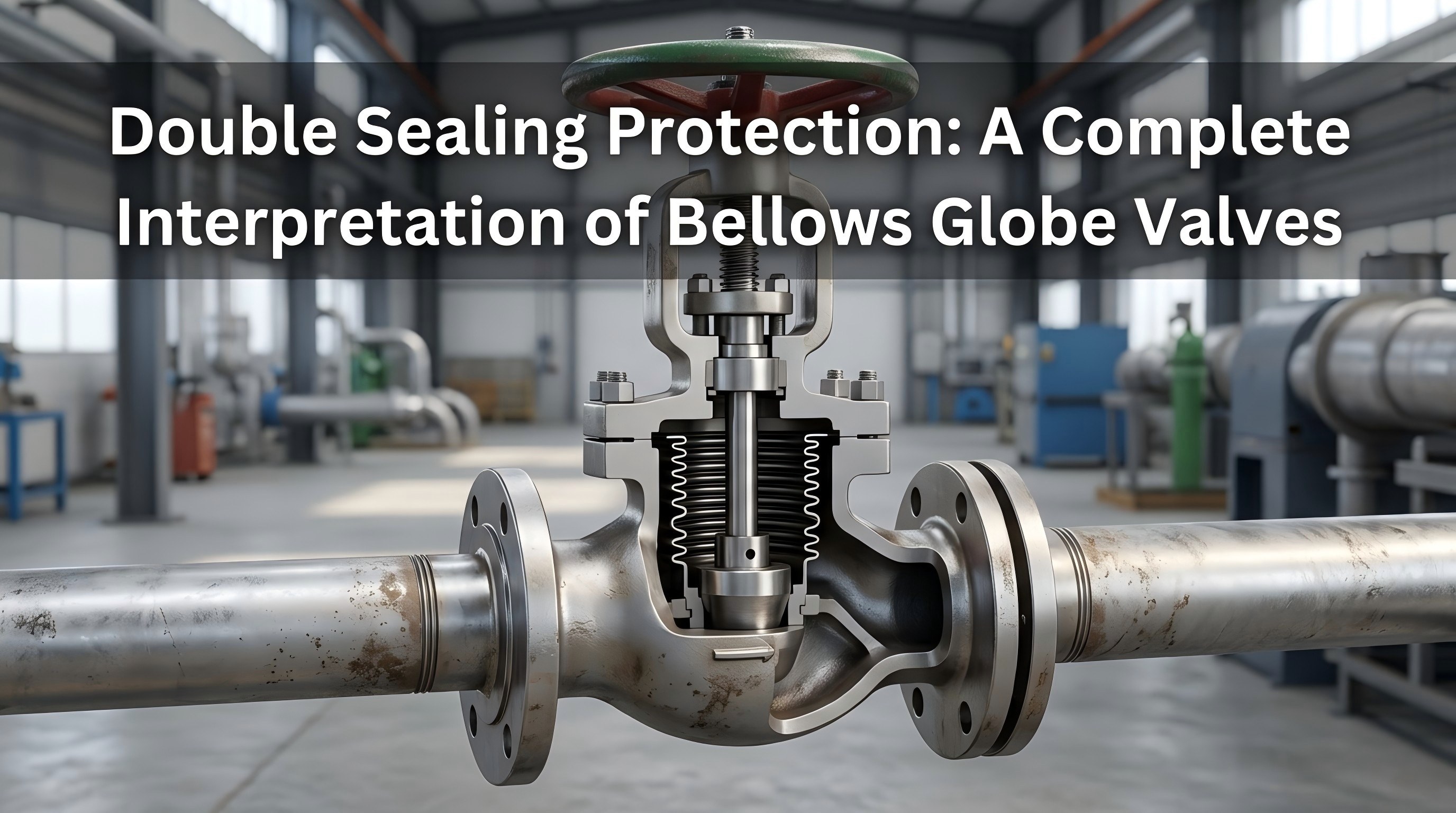 Double Sealing Protection: A Complete Interpretation of Bellows Globe Valves
  End-Suction Pump vs Inline Pumps: Which One Is Right for You?
  Method of Selecting Valve Types Based on Throttling Degree
  Safety Valves–Core Protection for Pressure Equipment