
What is a High Performance Butterfly Valve?
Introduction to High Performance Butterfly Valves
High performance butterfly valves (HPBVs) are pivotal in various industrial applications due to their exceptional ability to regulate flow and provide tight sealing under high pressure and temperature conditions. These valves represent an advanced evolution of traditional butterfly valves, designed to deliver superior performance, reliability, and efficiency in demanding environments.
High performance butterfly valves are specifically engineered to withstand harsh conditions while maintaining precise control over the flow of liquids and gases. Their significance is underscored in industries such as oil and gas, chemical processing, power generation, and water treatment, where safety, durability, and operational efficiency are critical.
The evolution of butterfly valve technology has been driven by the need for more reliable and robust solutions. Early butterfly valves, known for their simplicity and cost-effectiveness, often fell short in high-pressure applications. The development of high performance butterfly valves addressed these limitations, incorporating advanced materials and innovative design features to enhance their functionality and performance.

Design and Functionality of High Performance Butterfly Valves
Technical Specifications
High performance butterfly valves are constructed using high-quality materials that ensure durability and resistance to corrosion and wear. Common materials for the valve body include stainless steel, carbon steel, and alloys designed to withstand extreme temperatures and pressures. The disc and seat materials are selected based on the specific application requirements, with options such as PTFE, metal, and elastomers offering varying levels of chemical resistance and sealing capabilities.
Key design features of high performance butterfly valves include double offset (double eccentric) and triple offset (triple eccentric) configurations. The double offset design moves the disc away from the seat, reducing friction and wear during operation. The triple offset design further enhances this by incorporating a conical sealing element, which eliminates contact between the disc and seat until the valve is fully closed, providing a metal-to-metal seal that ensures zero leakage.
Standards and Certifications
High performance butterfly valves must meet stringent industry standards to guarantee their reliability and safety. Notable standards include API 609, which specifies the requirements for butterfly valves in pipeline systems, and ASME B16.34, which covers pressure-temperature ratings and material specifications. Certification processes involve rigorous testing to verify the valves' performance under simulated operating conditions, ensuring they can withstand the demands of their intended applications.
Performance Characteristics
The performance of high performance butterfly valves is characterized by their ability to handle high pressure and temperature ranges, making them suitable for both cryogenic and high-temperature applications. These valves offer precise flow control, enabling operators to regulate the flow of media with high accuracy. Additionally, the robust sealing mechanisms ensure leak-tight performance, minimizing the risk of contamination and product loss.
Applications and Benefits
Industry Applications
High performance butterfly valves are versatile and find applications across various industries:
Oil and Gas: Used in pipelines, refineries, and offshore platforms to control the flow of hydrocarbons and other fluids.
Chemical Processing: Essential for managing the flow of aggressive chemicals and corrosive substances.
Water Treatment: Utilized in desalination plants, wastewater treatment facilities, and potable water systems.
Power Generation: Deployed in power plants to regulate steam and cooling water flows.
HVAC Systems: Applied in heating, ventilation, and air conditioning systems to manage airflow and maintain environmental control.
Advantages of High Performance Butterfly Valves
The primary advantages of high performance butterfly valves include:
Enhanced Sealing and Leak Prevention: The advanced sealing mechanisms provide a tight seal, preventing leaks even under high pressure and temperature conditions.
Durability and Longevity: Constructed from robust materials, these valves offer long-term performance with minimal maintenance.
Cost-Effectiveness: Despite their advanced design, high performance butterfly valves are cost-effective, offering a balance of performance and affordability.
Ease of Maintenance: The design of these valves allows for easy maintenance and replacement of components, reducing downtime and operational costs.
Product Recommendation by Athena Engineering
Company Overview
Athena Engineering is a leading supplier of high performance butterfly valves, renowned for our commitment to quality and innovation. With extensive experience in valve manufacturing, Athena Engineering has established itself as a trusted partner for industries requiring reliable and high-quality valve solutions.
Product Portfolio
Athena Engineering offers a diverse range of high performance butterfly valves designed to meet the most demanding industrial requirements. Our product portfolio includes:
Standard High Performance Butterfly Valves: Featuring double offset design for general industrial applications, providing excellent sealing and durability.
Cryogenic High Performance Butterfly Valves: Engineered for low-temperature applications, ensuring reliable performance in cryogenic environments.
High-Temperature High Performance Butterfly Valves: Designed to withstand extreme temperatures, ideal for applications in power generation and chemical processing.
Chemical-Resistant High Performance Butterfly Valves: Made with materials that resist aggressive chemicals, suitable for the chemical processing industry.
Each valve is meticulously tested and certified to ensure it meets the highest standards of performance and safety.
Customer Testimonials and Case Studies
Our high performance butterfly valves have been successfully deployed in numerous high-profile projects, earning acclaim for their reliability and performance. For example, a major chemical plant in Southeast Asia implemented Athena’s high performance butterfly valves in its processing lines, significantly enhancing operational efficiency and safety. Testimonials from satisfied clients highlight the exceptional quality and dependability of our valves.
Why Choose Athena Engineering
Athena Engineering stands out due to our unwavering commitment to innovation, quality, and customer service. Our high performance butterfly valves are designed with the latest technological advancements, ensuring superior performance and reliability. We prioritize customer satisfaction by offering tailored solutions, prompt support, and comprehensive after-sales service. Choosing Athena Engineering means investing in safety, quality, and peace of mind.
Conclusion
High performance butterfly valves are indispensable in ensuring safety, reliability, and efficiency in high-risk industrial environments. With their robust design, adherence to stringent standards, and ability to withstand extreme conditions, these valves play a crucial role in preventing catastrophic failures and ensuring compliance with safety regulations.
Athena Engineering, with its extensive experience and commitment to quality, offers a range of high performance butterfly valves that meet the highest standards of performance and safety. By choosing Athena Engineering, industries can trust that they are investing in the best protection for their operations. For more information on our products and to discuss your specific needs, contact Athena Engineering today.
 How Does a Ball Type Check Valve Prevent Pipeline Medium Backflow?
  Selection and Precautions for Natural Gas Valves
  Athena Engineering S.R.L Wraps‑up OGA 2026 Kuala Lumpur
  What is a Gate Valve? What is Its Working Principle?
  T-Type / T-Pattern / Straight Pattern Globe Valve
  Knife Gate Valve vs Wedge Gate Valve: Which Is Better for Your Industrial Piping?
  Cryogenic Ball Valve Comprehensive Product Overview
  Causes and Treatments for Poor Valve Shut‑Off
  Athena Triple Offset Butterfly Valves
  What is the Difference Between Swing Check Valve and NRV? A Complete Explanation
  Common Connection Types of Valves
  5 Piping Design Mistakes That Are Killing Your Valves
  Float Valve: Structure, Principle and Application
  High Pressure Needle Valve High-Precision Fluid Control Valve
  What is a Piston Check Valve?
  Meet Us at OGA 2026 | Booth 6802, Hall 6
  What is a Level Gauge? Working Principles, Types and Industrial Applications
 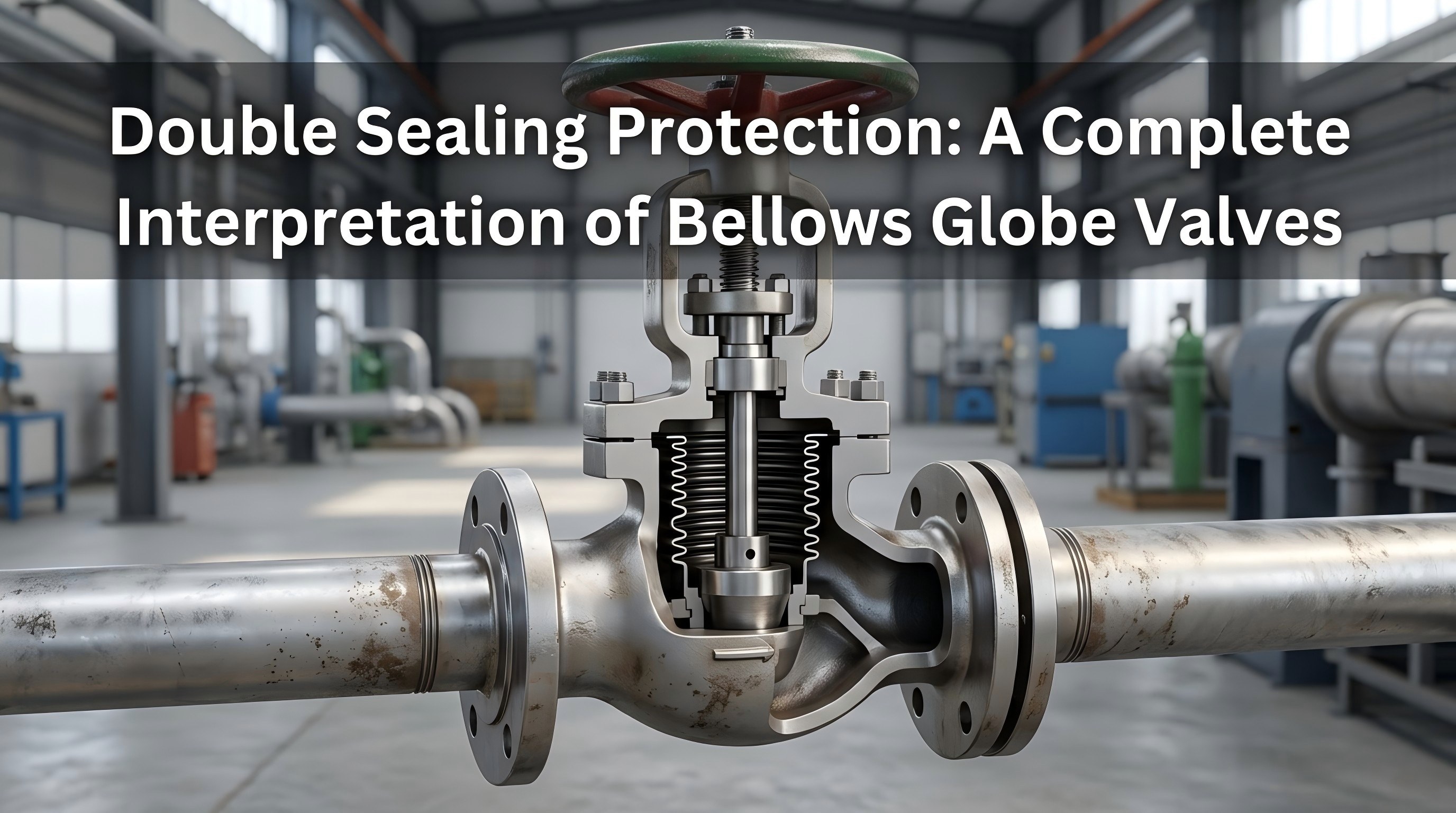 Double Sealing Protection: A Complete Interpretation of Bellows Globe Valves
  End-Suction Pump vs Inline Pumps: Which One Is Right for You?
  Method of Selecting Valve Types Based on Throttling Degree