
What is A Gear-Operated Butterfly Valves?
2025-03-06
In the realm of fluid handling, precision and reliability are paramount. Gear-operated butterfly valves stand as a testament to this principle, offering robust flow control solutions for diverse industrial applications. These valves, distinguished by their gear-driven mechanism, provide a level of control and durability that surpasses simpler alternatives.
I. The Essence of Gear-Operated Butterfly Valves
At their core, gear-operated butterfly valves are designed to regulate fluid flow through a pipe using a rotating disc, or "butterfly." Unlike their lever-operated counterparts, they employ a gearbox that significantly enhances torque and control. This gearbox, typically featuring a worm gear and worm wheel, translates rotational input from a handwheel or actuator into precise disc movement. This design is particularly advantageous when dealing with large-diameter pipes or high-pressure applications where manual force alone would be insufficient.
The selection of materials plays a crucial role in the valve's performance. Seat and disc materials, such as EPDM, PTFE, or metal, determine chemical compatibility and temperature ratings. Body materials, ranging from cast iron to stainless steel, provide corrosion resistance and pressure containment. For instance, Athena Engineering (//www.athenavalve.com/) offers a range of butterfly valves with carefully selected materials, ensuring longevity and reliability in various environments. Their focus on quality and durability underscores the importance of material science in valve design.

II. Tailoring Operation: The Spectrum of Gear Types
The versatility of gear-operated butterfly valves is further amplified by the availability of different gear types:
Manual Gear Operated: These valves offer direct, hands-on control, ideal for applications requiring precise flow regulation. Users can "feel" the disc's position, allowing for fine-tuned adjustments.
Electric Gear Operated: Automated control and remote operation are the hallmarks of electric actuators. They integrate seamlessly with process control systems, providing precise positioning and feedback signals.
Pneumatic Gear Operated: Driven by compressed air, these actuators offer rapid response times, crucial for emergency shutdown systems and hazardous environments. Their reliability and simplicity make them a preferred choice in demanding applications.
Hydraulic Gear Operated: For high-pressure applications, hydraulic actuators deliver exceptional torque and control. They are indispensable in industries like oil and gas, where extreme conditions prevail.
Athena Engineering understands the importance of matching the right actuator to the application. Their expertise in valve selection ensures that clients receive optimal solutions for their specific needs.
Electric Gear Operated: Automated control and remote operation are the hallmarks of electric actuators. They integrate seamlessly with process control systems, providing precise positioning and feedback signals.
Pneumatic Gear Operated: Driven by compressed air, these actuators offer rapid response times, crucial for emergency shutdown systems and hazardous environments. Their reliability and simplicity make them a preferred choice in demanding applications.
Hydraulic Gear Operated: For high-pressure applications, hydraulic actuators deliver exceptional torque and control. They are indispensable in industries like oil and gas, where extreme conditions prevail.
Athena Engineering understands the importance of matching the right actuator to the application. Their expertise in valve selection ensures that clients receive optimal solutions for their specific needs.
III. The Mechanics of Flow Regulation: Inside the Gearbox
The gearbox is the heart of the gear-operated butterfly valve. It acts as a torque multiplier, transforming the input force into a powerful rotational output. The worm gear and worm wheel interaction provides a high gear ratio in a compact space, enabling the operation of large-diameter valves with minimal effort. This mechanism also offers a self-locking feature, preventing backdriving and ensuring that the disc remains in its set position.
Stem design and sealing are critical for preventing leakage. O-rings or packing materials, combined with robust stem materials, ensure long-term reliability. The disc profile, whether flat or contoured, influences flow characteristics and pressure drop, impacting the valve's overall performance.
IV. Advantages: Beyond Basic Functionality
Gear-operated butterfly valves offer a multitude of advantages:
Cost-Effectiveness: Their relatively simple design and fewer moving parts translate to lower manufacturing and maintenance costs.
Durability and Reliability: Robust construction and minimal maintenance requirements ensure long-term performance.
Space and Weight Savings: Their compact design and lightweight construction are particularly beneficial in large-diameter applications.
Precise Flow Control: The gear mechanism allows for fine adjustments, ensuring accurate flow regulation.
Athena Engineering's product line reflects these advantages, providing clients with reliable and efficient flow control solutions.
Durability and Reliability: Robust construction and minimal maintenance requirements ensure long-term performance.
Space and Weight Savings: Their compact design and lightweight construction are particularly beneficial in large-diameter applications.
Precise Flow Control: The gear mechanism allows for fine adjustments, ensuring accurate flow regulation.
Athena Engineering's product line reflects these advantages, providing clients with reliable and efficient flow control solutions.
V. Disadvantages and User Concerns: Addressing the Challenges
Despite their numerous benefits, gear-operated butterfly valves are not without limitations:
Potential for Leakage: The two-part body design can be prone to leakage if not properly installed or if seals are damaged.
Slower Response Times: Compared to electric or lever-operated valves, gear-operated valves have slower response times.
Cavitation and Water Hammer: These phenomena can occur in high-velocity applications, potentially damaging the valve.
Seat Wear and Tear: Abrasive fluids and high velocities can accelerate seat wear, requiring regular maintenance.
Athena Engineering addresses these concerns through rigorous quality control and comprehensive customer support, ensuring that clients are well-equipped to handle potential challenges.
Slower Response Times: Compared to electric or lever-operated valves, gear-operated valves have slower response times.
Cavitation and Water Hammer: These phenomena can occur in high-velocity applications, potentially damaging the valve.
Seat Wear and Tear: Abrasive fluids and high velocities can accelerate seat wear, requiring regular maintenance.
Athena Engineering addresses these concerns through rigorous quality control and comprehensive customer support, ensuring that clients are well-equipped to handle potential challenges.
VI. Comparison with Lever Operated Butterfly Valves: A Matter of Scale
Lever-operated butterfly valves offer fast operation and direct control, ideal for smaller diameters. However, as pipe sizes and pressures increase, gear-operated valves become essential. The gear mechanism provides the necessary torque and control, ensuring reliable operation in demanding applications. Torque requirements are significantly higher for lever operated valves on large diameter pipe. The positioning accuracy of gear driven valves is also far superior.
VII. Installation and Maintenance: Best Practices
Proper installation and maintenance are crucial for ensuring optimal performance and longevity. Flange alignment, gasket selection, and actuator calibration are critical steps. Regular inspections and timely maintenance can prevent costly downtime and ensure safe operation. Athena Engineering provides detailed guidelines and support to assist clients with installation and maintenance procedures. Their commitment to customer satisfaction extends beyond product delivery.
Conclusion: The Indispensable Role of Gear-Operated Butterfly Valves in Modern Industry
Gear-operated butterfly valves, with their intricate mechanics and diverse applications, stand as a testament to the engineering prowess demanded by modern industry. Their ability to precisely regulate flow, withstand varying pressures, and adapt to diverse environments makes them indispensable across numerous sectors. From the meticulous control required in chemical processing to the high-pressure demands of the oil and gas industry, these valves deliver reliability and efficiency.
The integration of advanced materials, precise gearing, and versatile actuation options further enhances their utility. Companies like Athena Engineering, with their commitment to quality and customer support, play a crucial role in ensuring that these valves meet the stringent demands of their applications. By providing expert guidance on selection, installation, and maintenance, they help industries optimize their flow control systems.
While challenges like potential leakage and maintenance complexities exist, they are mitigated through careful design, rigorous testing, and adherence to best practices. Ultimately, the gear-operated butterfly valve, when properly selected and maintained, represents a critical component in ensuring the safe, efficient, and reliable operation of countless industrial processes. Their continued evolution, driven by innovation and industry needs, solidifies their position as a cornerstone of modern fluid handling.
 How Does a Ball Type Check Valve Prevent Pipeline Medium Backflow?
  Selection and Precautions for Natural Gas Valves
  Athena Engineering S.R.L Wraps‑up OGA 2026 Kuala Lumpur
  What is a Gate Valve? What is Its Working Principle?
  T-Type / T-Pattern / Straight Pattern Globe Valve
  Knife Gate Valve vs Wedge Gate Valve: Which Is Better for Your Industrial Piping?
  Cryogenic Ball Valve Comprehensive Product Overview
  Causes and Treatments for Poor Valve Shut‑Off
  Athena Triple Offset Butterfly Valves
  What is the Difference Between Swing Check Valve and NRV? A Complete Explanation
  Common Connection Types of Valves
  5 Piping Design Mistakes That Are Killing Your Valves
  Float Valve: Structure, Principle and Application
  High Pressure Needle Valve High-Precision Fluid Control Valve
  What is a Piston Check Valve?
  Meet Us at OGA 2026 | Booth 6802, Hall 6
  What is a Level Gauge? Working Principles, Types and Industrial Applications
 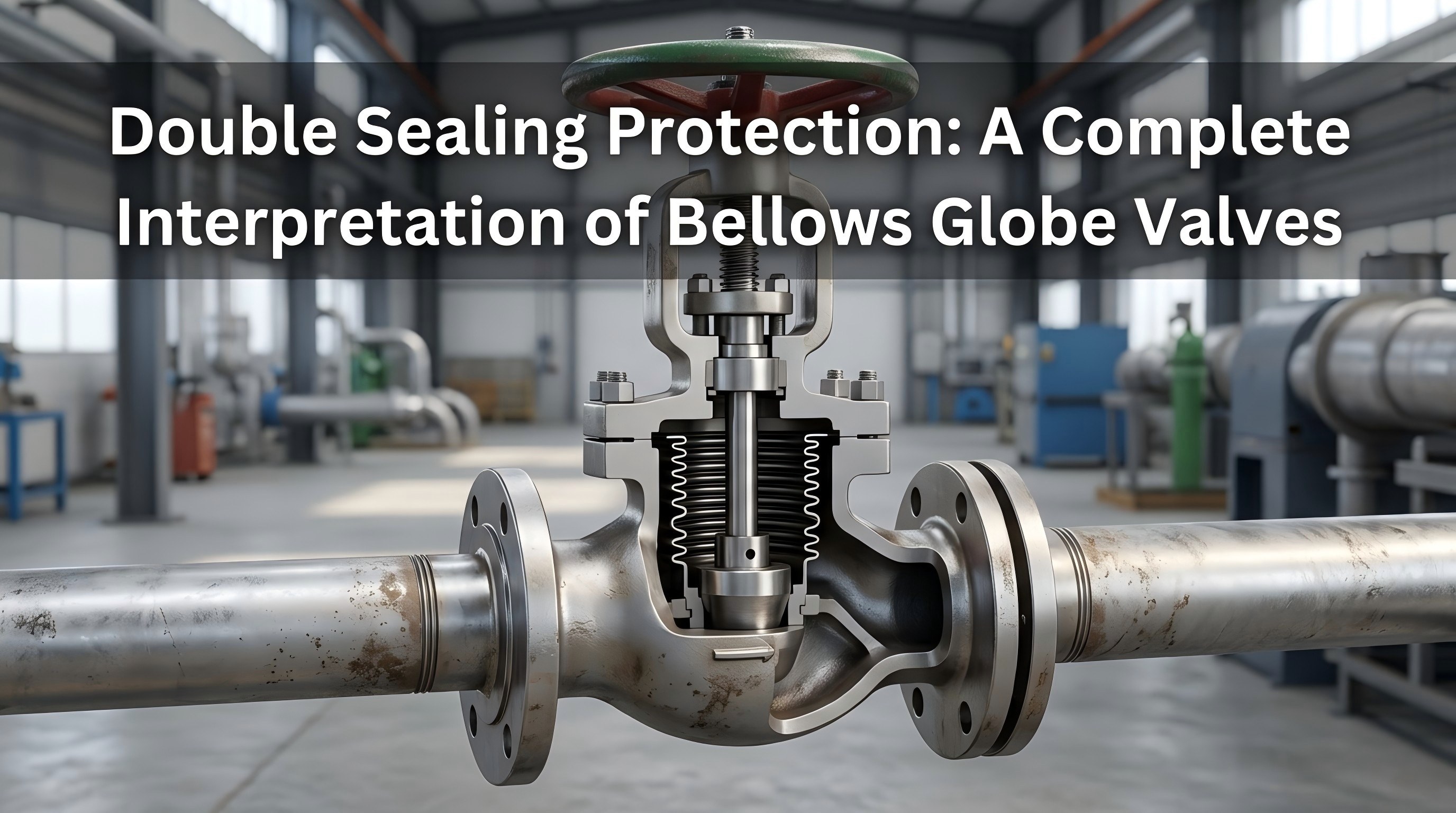 Double Sealing Protection: A Complete Interpretation of Bellows Globe Valves
  End-Suction Pump vs Inline Pumps: Which One Is Right for You?
 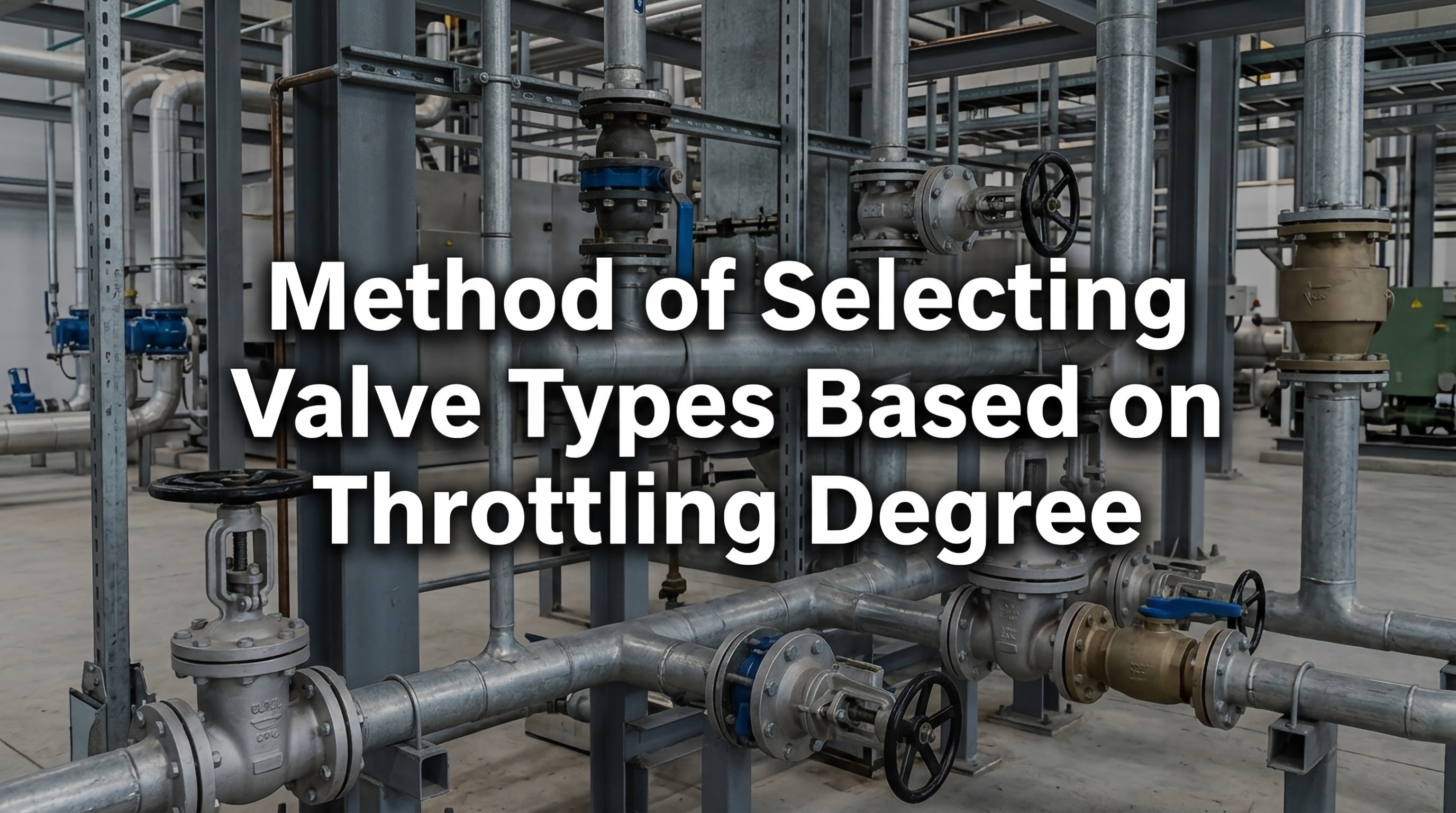 Method of Selecting Valve Types Based on Throttling Degree