
What Are the Key Valve Types and Their Applications in the Oil and Gas Industry?
author: ATHENA GROUP
2026-05-18
Valves serve as the unsung "gatekeepers" of the oil and gas industry; without them, the safe transportation of crude oil, natural gas, and refined products would be impossible. From upstream wellheads to downstream refineries, these compact yet critical components control fluid flow, regulate pressure, and prevent catastrophic leaks—directly safeguarding operational safety and minimizing economic losses. The following sections will break down the industry's most essential valve types, explaining their practical functions and their vital significance in day-to-day operations.
Why Are Valves Indispensable to Oil and Gas Production?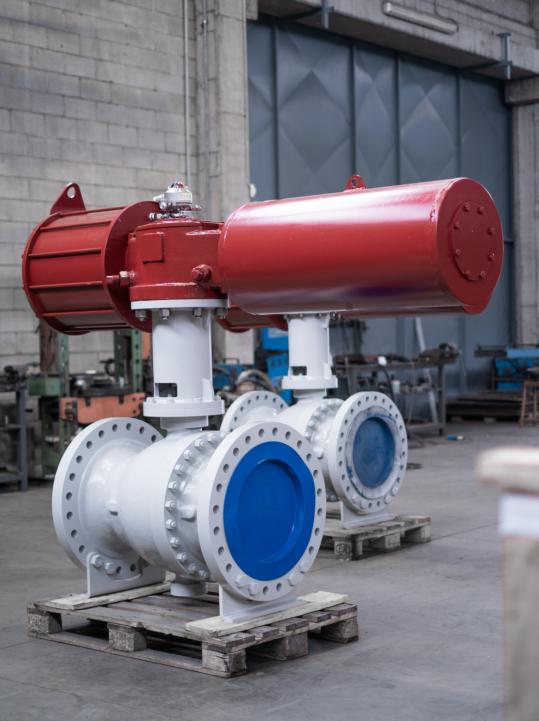
In the oil and gas industry—where high pressure, extreme temperatures, and corrosive fluids are the norm—valves act as the first line of defense. They not only facilitate the starting and stopping of fluid flow, pressure regulation, and backflow prevention, but can also trigger emergency shutdowns to avert accidents. High-quality valves that comply with rigorous API (American Petroleum Institute) and ASME (American Society of Mechanical Engineers) standards help reduce operating costs and ensure regulatory compliance, representing a discreet yet profoundly impactful investment.
Key Valve Types and Their Practical Applications
1. Gate Valves: The Workhorse for Pipeline "On/Off" Control
Designed specifically for full-open or full-close control, gate valves offer minimal flow resistance when fully open, making them ideally suited for major crude oil and natural gas trunk pipelines. Compliant with API 6A and API 600 standards, they are the preferred choice for refineries and wellhead piping, particularly in scenarios requiring unobstructed fluid flow.
2. Ball Valves: The Hero of Emergency Shutdowns
Featuring a 90-degree rotational design, ball valves can cut off fluid flow within seconds, making them perfectly suited for emergency situations. Categorized into two types—floating ball valves and trunnion ball valves—they are widely utilized in upstream production and natural gas processing plants, thanks to their exceptional sealing capabilities.
3. Globe Valves: The Master of Precise Flow Regulation
Globe valves excel in systems requiring precise flow control, such as fuel lines within refineries. Their vertical plug design allows for fine-tuned adjustment; although they incur slightly higher pressure loss during operation, this trade-off is well worth it for applications where high precision is paramount.
4. Check Valves: Guardians Against Backflow
Operating automatically without the need for manual intervention, check valves prevent fluid backflow, thereby safeguarding pumps and compressors against damage. Swing-type and dual-plate check valves are widely utilized in piping and pressure vessel systems, playing a vital role in extending equipment service life and ensuring production stability.
Conclusion
Valves serve as the core pillars underpinning safe and efficient operations within the oil and gas industry. Each specific type addresses a unique challenge—ranging from rapid emergency shutdowns to precise flow control—making every component indispensable. Gate valves, ball valves, globe valves, and check valves work in concert to ensure the smooth operation of the entire energy value chain, demonstrating that even seemingly minor components can play a pivotal role in enhancing both industry safety and production capacity.
 How Does a Ball Type Check Valve Prevent Pipeline Medium Backflow?
  Selection and Precautions for Natural Gas Valves
  Athena Engineering S.R.L Wraps‑up OGA 2026 Kuala Lumpur
  What is a Gate Valve? What is Its Working Principle?
  T-Type / T-Pattern / Straight Pattern Globe Valve
  Knife Gate Valve vs Wedge Gate Valve: Which Is Better for Your Industrial Piping?
  Cryogenic Ball Valve Comprehensive Product Overview
  Causes and Treatments for Poor Valve Shut‑Off
  Athena Triple Offset Butterfly Valves
  What is the Difference Between Swing Check Valve and NRV? A Complete Explanation
  Common Connection Types of Valves
  5 Piping Design Mistakes That Are Killing Your Valves
  Float Valve: Structure, Principle and Application
  High Pressure Needle Valve High-Precision Fluid Control Valve
  What is a Piston Check Valve?
  Meet Us at OGA 2026 | Booth 6802, Hall 6
  What is a Level Gauge? Working Principles, Types and Industrial Applications
 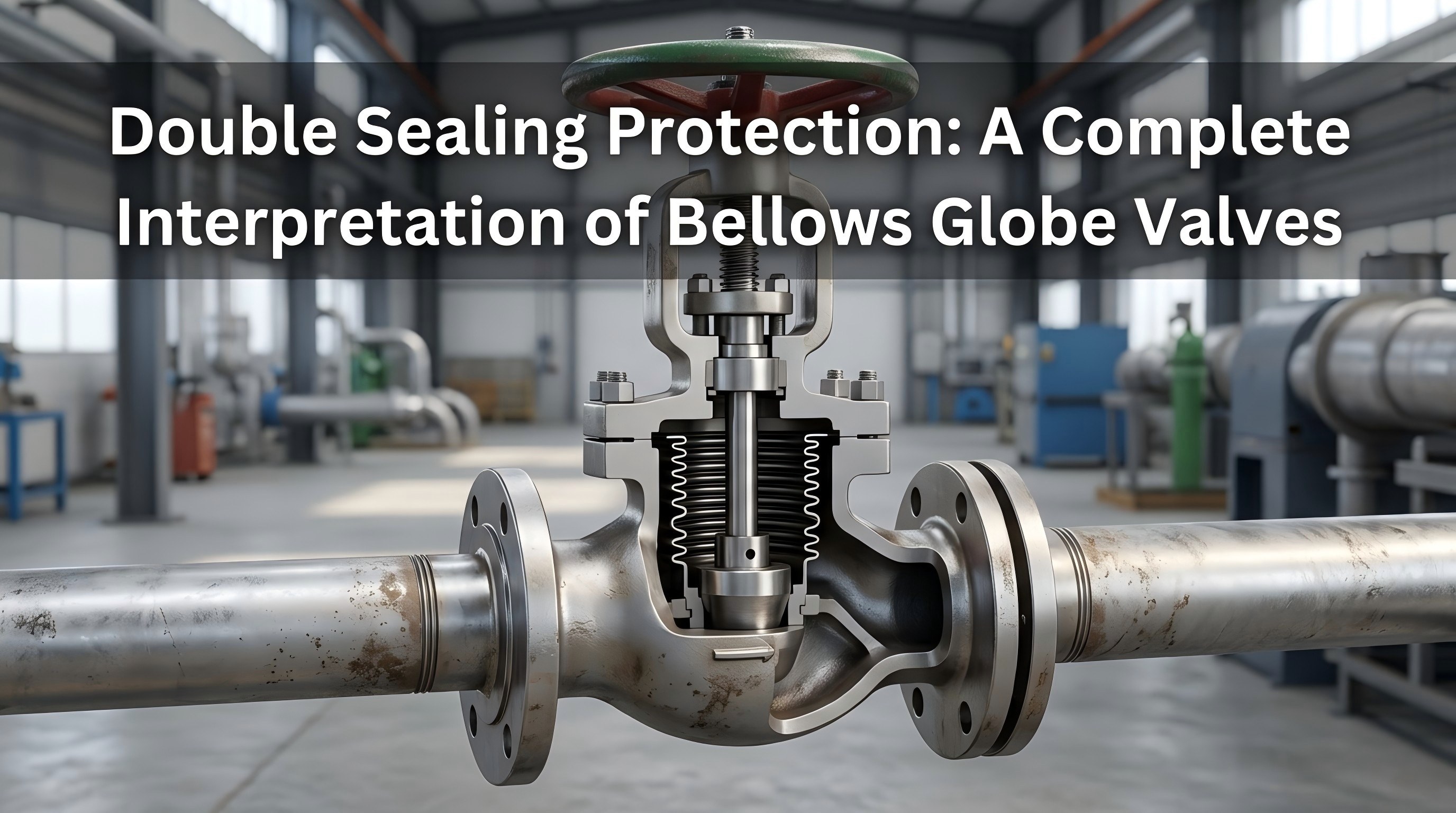 Double Sealing Protection: A Complete Interpretation of Bellows Globe Valves
  End-Suction Pump vs Inline Pumps: Which One Is Right for You?
  Method of Selecting Valve Types Based on Throttling Degree