
Valve Used in Steam Line: Complete Guide to Selection, Types, and Industrial Applications
author: ATHENA GROUP
2026-04-20

In industrial steam systems, selecting the right valve used in steam line is essential for maintaining safety, efficiency, and long-term operational stability. Steam pipelines operate under high temperature and high pressure conditions, making valve performance a critical factor in preventing leakage, energy loss, and system failure. Choosing a suitable valve used in steam line ensures reliable isolation, precise flow control, and protection of downstream equipment.
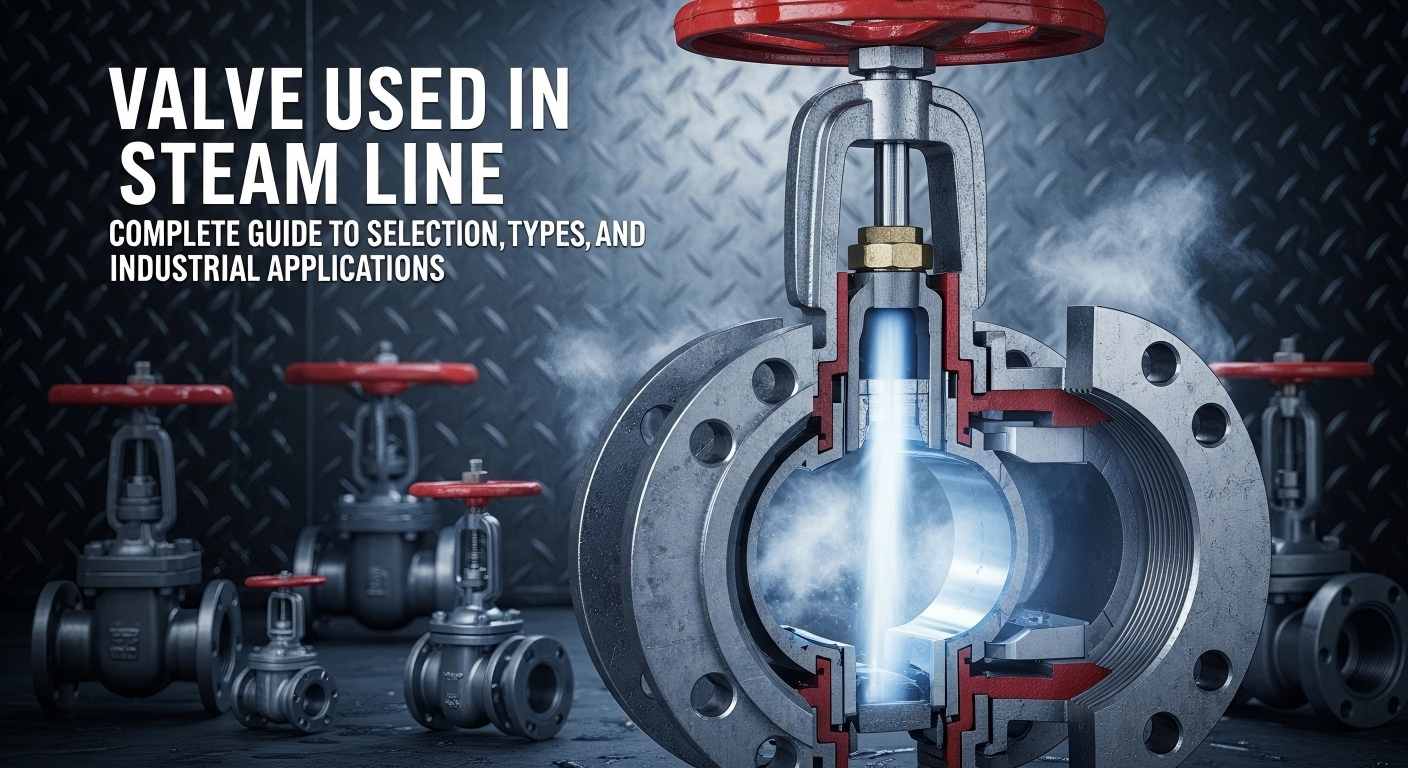
Why Valve Selection in Steam Lines Is Critical
Steam service presents unique challenges compared to other media such as water or gas. Key operating conditions include:
- High temperature (200°C to 600°C or higher)
- High pressure environments
- Thermal expansion and cyclic stress
- Risk of corrosion, cavitation, and erosion
Because of these factors, not every industrial valve is suitable. A properly engineered valve used in steam line must be designed to withstand extreme service conditions while maintaining tight sealing and structural integrity.
Main Types of Valve Used in Steam Line
Gate Valve for Steam Line Isolation
Gate valves are one of the most commonly used valves in steam pipelines. They are ideal for on/off applications where full flow is required.
Key benefits:
- Full bore design with minimal pressure drop
- Excellent high-temperature resistance
- Long service life in stable operating conditions
Globe Valve for Steam Flow Control
Globe valves are widely used when throttling or regulating steam flow is necessary.
Advantages:
- Precise flow control capability
- Better sealing performance compared to gate valves
- Suitable for frequent operation in steam systems
Check Valve for Backflow Prevention
Check valves play a critical role in protecting steam systems by preventing reverse flow.
Functions include:
- Protecting boilers and pumps
- Reducing risk of water hammer
- Maintaining system pressure stability
Ball Valve in Steam Applications
Although less common, specially designed ball valves can serve as a valve used in steam line when equipped with high-temperature seats.
Features:
- Fast quarter-turn operation
- Compact structure
- Reliable shut-off performance
Industrial Applications of Steam Line Valves
A valve used in steam line is widely applied across multiple industries:
- Power generation plants (steam turbines and boilers)
- Oil & gas processing facilities
- Petrochemical and chemical plants
- Textile and food processing industries
- District heating and steam distribution systems
Each application requires specific valve configurations depending on pressure class, temperature range, and operational function.
Material Selection for Steam Valves
Selecting the correct material is essential for ensuring durability and safety. Common materials for a valve used in steam line include:
- ASTM A216 WCB – suitable for medium temperature steam
- ASTM A217 WC6 / WC9 – ideal for high-temperature service
- Alloy steel (e.g., F11, F22) – used in critical high-pressure applications
Material selection directly impacts resistance to oxidation, thermal fatigue, and long-term deformation.
Conclusion
In conclusion, selecting the right valve used in steam line is a key factor in ensuring safe, efficient, and reliable steam system operation. From choosing the appropriate valve type—such as gate, globe, check, or ball valves—to selecting high-quality materials and implementing proper maintenance strategies, every step contributes to optimal performance. Working with an experienced valve manufacturer ensures that each valve used in steam line meets industry standards and delivers long-term value.
 How Does a Ball Type Check Valve Prevent Pipeline Medium Backflow?
  Selection and Precautions for Natural Gas Valves
  Athena Engineering S.R.L Wraps‑up OGA 2026 Kuala Lumpur
  What is a Gate Valve? What is Its Working Principle?
  T-Type / T-Pattern / Straight Pattern Globe Valve
  Knife Gate Valve vs Wedge Gate Valve: Which Is Better for Your Industrial Piping?
  Cryogenic Ball Valve Comprehensive Product Overview
  Causes and Treatments for Poor Valve Shut‑Off
  Athena Triple Offset Butterfly Valves
  What is the Difference Between Swing Check Valve and NRV? A Complete Explanation
  Common Connection Types of Valves
  5 Piping Design Mistakes That Are Killing Your Valves
  Float Valve: Structure, Principle and Application
  High Pressure Needle Valve High-Precision Fluid Control Valve
  What is a Piston Check Valve?
  Meet Us at OGA 2026 | Booth 6802, Hall 6
  What is a Level Gauge? Working Principles, Types and Industrial Applications
 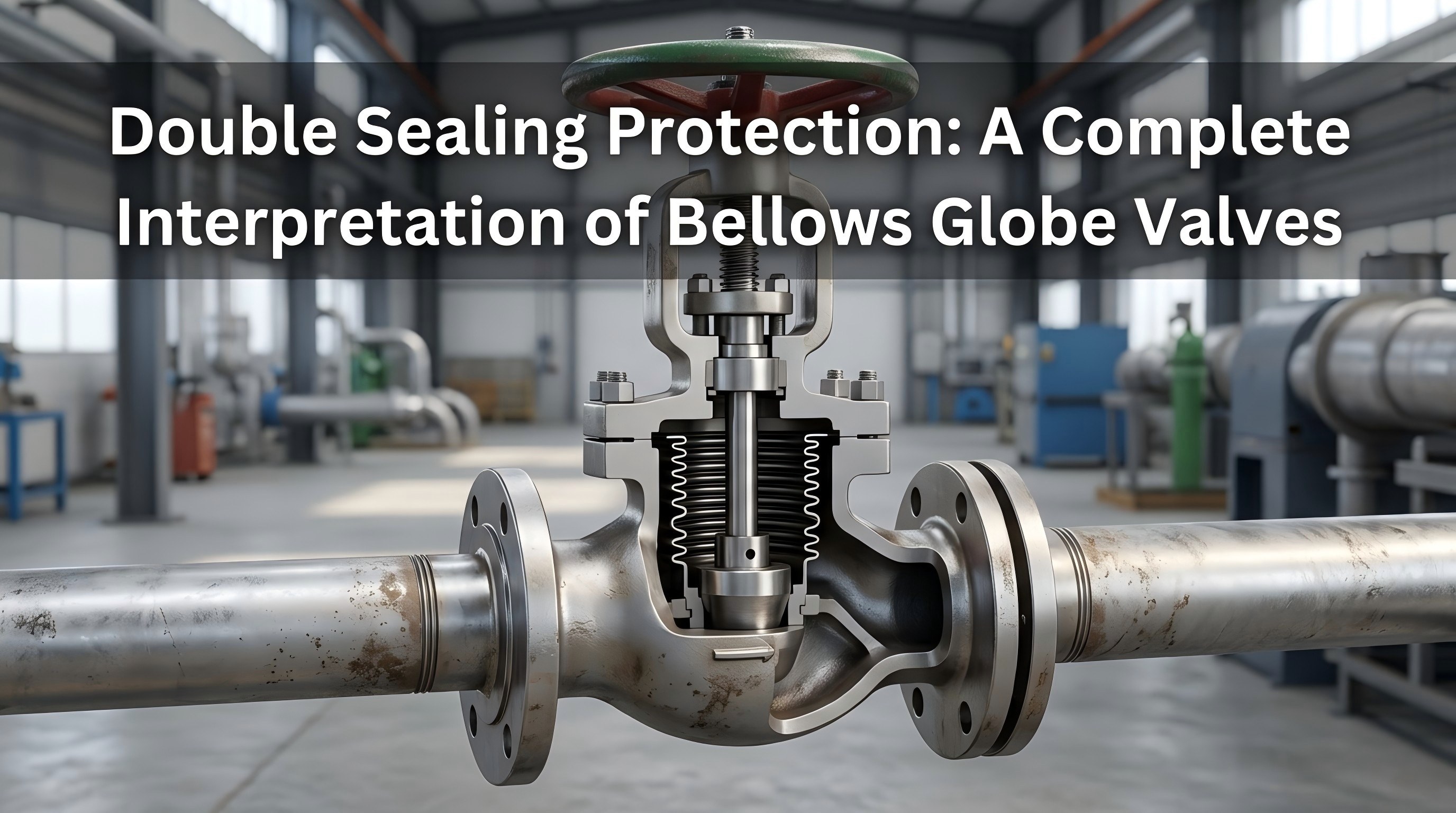 Double Sealing Protection: A Complete Interpretation of Bellows Globe Valves
  End-Suction Pump vs Inline Pumps: Which One Is Right for You?
  Method of Selecting Valve Types Based on Throttling Degree