
Understanding Non Return Valve SS

Non return valves, also known as check valves, play a critical role in various industrial applications. These valves allow fluid to flow in only one direction, preventing backflow and ensuring system efficiency and safety. When it comes to materials, stainless steel (SS) is a popular choice due to its durability, resistance to corrosion, and suitability for a wide range of temperatures and pressures. Next, we'll explore everything you need to know about non return valve SS, addressing common concerns and providing detailed insights into their applications, benefits, and maintenance.
At Athena Engineering S.R.L., we are dedicated to delivering unparalleled engineering solutions that drive efficiency, innovation, and excellence across industries. With a steadfast commitment to quality and customer satisfaction, Athena Engineering S.R.L. stands out as a leader in the engineering sector, providing top-tier products and services designed to meet the unique needs of our diverse clientele.
What is a Non Return Valve SS?
A non return valve SS is a type of check valve made from stainless steel. Its primary function is to allow fluid (liquid or gas) to flow in one direction while preventing backflow. This mechanism is crucial in systems where backflow could cause damage, contamination, or inefficiency.
Types of Non Return Valves
Non return valves come in various designs, each suitable for specific applications:
Swing Check Valve: Utilizes a swinging disc to block reverse flow.
Lift Check Valve: Features a piston or ball that lifts to allow flow and falls back to block reverse flow.
Wafer Check Valve: Compact design suitable for limited space installations.
Ball Check Valve: Uses a ball to seal against a seat, allowing flow in one direction.
Benefits of Using Stainless Steel for Non Return Valves
Corrosion Resistance
One of the primary benefits of using stainless steel for non return valves is its excellent resistance to corrosion. This makes SS valves ideal for applications involving corrosive fluids or harsh environments.
Durability and Longevity of Non Return Valves
Stainless steel non return valves are known for their durability. They can withstand high pressure and temperature variations, ensuring a long service life even in demanding conditions.
Hygiene and Cleanliness of Non Return Valves
In industries such as food and beverage, pharmaceuticals, and water treatment, maintaining hygiene is crucial. Stainless steel is easy to clean and does not harbor bacteria, making it a preferred choice for these applications.
Applications of Non Return Valve SS
Industrial Processes
In industrial settings, non return valve SS is used to prevent backflow in pipelines carrying liquids, gases, and slurries. Their robustness and resistance to harsh chemicals make them suitable for chemical processing plants, oil and gas refineries, and manufacturing units.
Water and Wastewater Management
Non return valves are essential in water treatment and wastewater management systems to prevent contaminated water from flowing back into clean water supplies. Stainless steel's resistance to rust and corrosion ensures reliability and safety in these critical applications.
HVAC Systems
Heating, ventilation, and air conditioning (HVAC) systems often incorporate non return valves to maintain proper flow direction and prevent backflow. Stainless steel valves are preferred due to their ability to withstand high temperatures and pressures common in HVAC systems.
Food and Beverage Industry
In the food and beverage industry, maintaining product purity is vital. Non return valve SS helps prevent contamination by ensuring unidirectional flow in processing lines, enhancing product safety and quality.
Key Features to Look for in Non Return Valve SS
Material Grade
Stainless steel comes in various grades, each offering different properties. Common grades for non return valves include 304 and 316 stainless steel. Grade 316 offers higher corrosion resistance, making it suitable for more aggressive environments.
Pressure and Temperature Ratings
It's essential to choose a non return valve SS that can handle the specific pressure and temperature conditions of your application. Check the valve's ratings to ensure compatibility with your system requirements.
Size and Connection Type
Non return valves come in various sizes and connection types, including threaded, flanged, and welded connections. Selecting the appropriate size and connection type ensures proper fit and functionality within your system.
Flow Rate
Consider the valve's flow rate capabilities to ensure it can handle the volume of fluid in your system without causing excessive pressure drops or flow restrictions.
Installation and Maintenance of Non Return Valve SS
Installation Tips
Proper Orientation: Ensure the valve is installed in the correct orientation to allow fluid to flow in the desired direction.
Avoid Stress: Do not apply excessive force during installation, as this can damage the valve and connections.
System Cleanliness: Before installation, clean the pipeline to remove any debris that could interfere with the valve's operation.
Regular Maintenance
Routine Inspections: Regularly inspect the valve for signs of wear, corrosion, or damage.
Cleaning: Periodically clean the valve to prevent buildup of debris that could affect its performance.
Lubrication: Some non return valves may require lubrication of moving parts to ensure smooth operation.
Troubleshooting Common Issues
Leakage: If the valve is leaking, check for damage to the seal or seat. Replace damaged components as necessary.
Stuck Valve: If the valve is stuck in the open or closed position, inspect for debris or corrosion and clean or replace parts as needed.
Noise: Unusual noises may indicate turbulent flow or internal damage. Investigate and address the cause to prevent further issues.
How to Select the Right Non Return Valve SS for Your Needs
Assessing Application Requirements
To choose the right non return valve SS, start by assessing the specific requirements of your application. Consider factors such as fluid type, pressure, temperature, and flow rate.
Consulting with Experts
When in doubt, consult with valve manufacturers or industry experts. They can provide valuable insights and recommendations based on your unique needs and conditions.
Budget Considerations
While stainless steel non return valves may have a higher upfront cost compared to other materials, their durability and low maintenance requirements often result in long-term cost savings.
Conclusion
Non return valve SS is an indispensable component in various industrial, commercial, and residential systems. Its ability to prevent backflow, coupled with the benefits of stainless steel, makes it a reliable and efficient choice for ensuring system integrity and safety. By understanding the different types, benefits, applications, and maintenance practices, you can make informed decisions and optimize the performance of your systems with non return valve SS.
Investing in high-quality non return valve SS not only enhances the efficiency and safety of your operations but also provides peace of mind knowing that your systems are protected against the risks of backflow and contamination. Whether you are involved in industrial processes, water management, HVAC systems, or the food and beverage industry, choosing the right non return valve SS is crucial for achieving optimal results and maintaining the longevity of your equipment.
 How Does a Ball Type Check Valve Prevent Pipeline Medium Backflow?
  Selection and Precautions for Natural Gas Valves
  Athena Engineering S.R.L Wraps‑up OGA 2026 Kuala Lumpur
  What is a Gate Valve? What is Its Working Principle?
  T-Type / T-Pattern / Straight Pattern Globe Valve
  Knife Gate Valve vs Wedge Gate Valve: Which Is Better for Your Industrial Piping?
  Cryogenic Ball Valve Comprehensive Product Overview
  Causes and Treatments for Poor Valve Shut‑Off
  Athena Triple Offset Butterfly Valves
  What is the Difference Between Swing Check Valve and NRV? A Complete Explanation
  Common Connection Types of Valves
  5 Piping Design Mistakes That Are Killing Your Valves
  Float Valve: Structure, Principle and Application
  High Pressure Needle Valve High-Precision Fluid Control Valve
  What is a Piston Check Valve?
  Meet Us at OGA 2026 | Booth 6802, Hall 6
  What is a Level Gauge? Working Principles, Types and Industrial Applications
 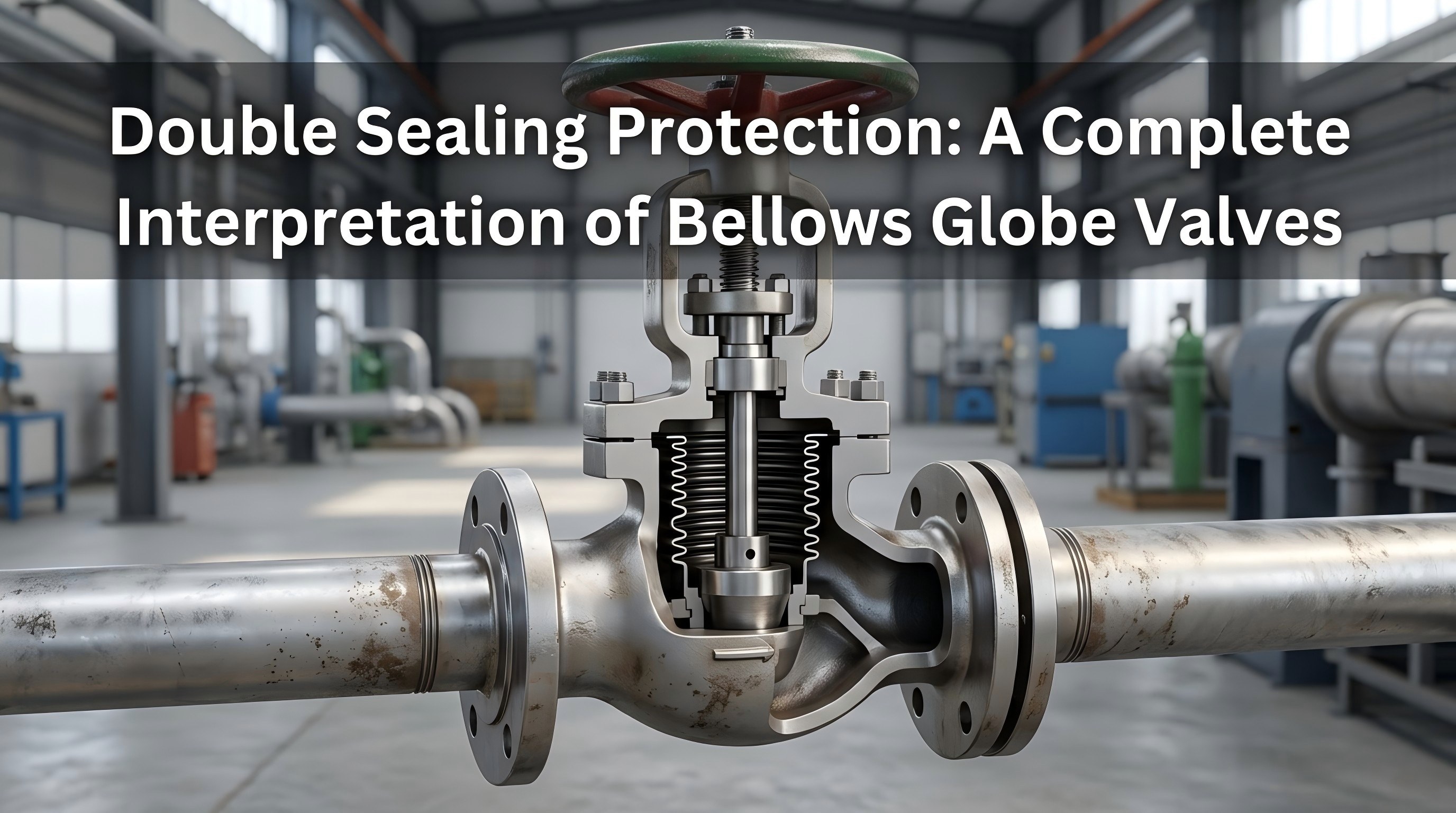 Double Sealing Protection: A Complete Interpretation of Bellows Globe Valves
  End-Suction Pump vs Inline Pumps: Which One Is Right for You?
  Method of Selecting Valve Types Based on Throttling Degree