
Understanding Block and Bleed Ball Valves
Block and bleed ball valves are vital components in various industrial systems, ensuring reliable isolation and venting capabilities for processes involving gases and fluids. This article delves into their functionality, key features, typical applications, benefits, disadvantages, maintenance, and selection criteria. By understanding these aspects, users can make informed decisions to ensure the safety and efficiency of their operations.

What is a Block and Bleed Ball Valve?
A block and bleed ball valve consists of two block valves and a bleed valve positioned between them. This configuration allows for the isolation of a pipeline section, enabling maintenance or depressurization without the risk of leaks or contamination. The bleed valve releases any trapped pressure or fluid, ensuring a safe and controlled environment for maintenance activities.
How Does a Block and Bleed Ball Valve Work?
The primary function of a block and bleed ball valve is to isolate a section of the pipeline and safely vent the trapped pressure or fluid. Here’s how it works:
1. Isolation: The block valves on either side of the valve section are closed to isolate the fluid flow.
2. Bleeding: The bleed valve is then opened to release any residual pressure or fluid trapped between the block valves.
3. Maintenance: With the pressure relieved, maintenance or repairs can be performed safely.
4. Reconnection: Once the maintenance is complete, the bleed valve is closed, and the block valves are reopened to resume normal operation.
Key Features of Block and Bleed Ball Valves
Block and bleed ball valves are designed with several critical features to ensure their reliability and efficiency in industrial applications:
1. Double Isolation: Provides two levels of isolation, enhancing safety by preventing leaks and ensuring that no fluid passes through the valve during maintenance.
2. Pressure Relief: The bleed valve allows for the safe release of trapped pressure, preventing potential hazards associated with pressure build-up.
3. Compact Design: These valves are designed to be more compact than traditional multiple-valve systems, making them easier to install and maintain.
4. Material Versatility: Available in various materials, such as stainless steel, carbon steel, and different alloys, to suit different industrial applications and fluid types.
5. Enhanced Safety: The ability to isolate and vent sections of the pipeline significantly reduces the risk of accidents and ensures a safer working environment for maintenance personnel.
Typical Applications of Block and Bleed Ball Valves
Block and bleed ball valves are used in a variety of industries, each with specific requirements for isolation and pressure relief:
1. Oil and Gas: These valves are crucial in isolating sections of pipelines for maintenance, preventing leaks of hazardous materials, and ensuring safe handling of hydrocarbons.
2. Chemical Industry: In chemical plants, these valves are used to handle hazardous chemicals safely, preventing cross-contamination and ensuring safe operations during maintenance.
3. Power Industry: They are used to isolate different sections of power plants for maintenance and emergency shutdowns, ensuring safe and efficient operations.
4. Refineries: Refineries use block and bleed ball valves to manage the flow of different fluids and to ensure safe operations during maintenance and inspections.
5. Pharmaceuticals: In pharmaceutical manufacturing, these valves help maintain sterile environments by isolating sections of the processing lines during cleaning and maintenance.
Benefits of Using Block and Bleed Ball Valves
1. Enhanced Safety: Double isolation and pressure relief features significantly reduce the risk of leaks and accidents, ensuring a safer working environment.
2. Operational Efficiency: Their compact design and reliable performance reduce installation and maintenance time, leading to cost savings and improved operational efficiency.
3. Versatility: Suitable for a wide range of applications, thanks to the availability of various materials and configurations.
4. Durability: Designed to withstand high pressures and harsh environments, these valves offer long-lasting performance and reliability.
Disadvantages of Block and Bleed Ball Valves
1. Complexity: The multiple components of block and bleed ball valves can make them more complex to install and maintain compared to single or double isolation valves.
2. Higher Cost: Due to their advanced design and features, these valves are generally more expensive upfront.
3. Flow Rate Limitations: They may not be suitable for applications with very high flow rates or pressure drops, as their design can create turbulence within the pipeline.
Maintenance of Block and Bleed Ball Valves
Regular maintenance is crucial for ensuring the longevity and reliability of block and bleed ball valves. Here are some essential maintenance practices:
1. Regular Inspections: Conduct periodic inspections to check for signs of wear, corrosion, or damage to the valve components.
2. Cleaning: Ensure that the bleed valve and block valves are free from obstructions to maintain optimal performance.
3. Testing: Periodically test the valves to ensure they operate correctly under pressure.
4. Lubrication: Keep the moving parts well-lubricated to ensure smooth operation and prevent premature wear.
How to Select the Right Block and Bleed Ball Valve?
Choosing the right block and bleed ball valve involves considering several factors to ensure it meets the specific requirements of your application:
1. Pressure Ratings: Ensure the valve can handle the pressure requirements of your system.
2. Temperature Range: Choose a valve that can operate effectively within your system’s temperature range.
3. Material Compatibility: Select a valve made from materials compatible with the fluids or gases in your system.
4. Size and Flow Requirements: Ensure the valve size and flow capacity match your system’s specifications.
5. Application-Specific Features: Consider any additional features that may be required for your specific application, such as fire-safe designs or corrosion-resistant coatings.
Conclusion
Block and bleed ball valves are indispensable components in various industrial applications, offering enhanced safety, operational efficiency, and versatility. Understanding their functionality, key features, typical applications, benefits, disadvantages, maintenance, and selection criteria is essential for ensuring their effective use in your operations. By selecting the right valve and maintaining it properly, you can ensure the safety, reliability, and efficiency of your industrial systems.
Discover the advanced features and benefits of block and bleed ball valves by visiting Athena, your comprehensive resource for all valve-related information and solutions. Contact us to get more details.
 How Does a Ball Type Check Valve Prevent Pipeline Medium Backflow?
  Selection and Precautions for Natural Gas Valves
  Athena Engineering S.R.L Wraps‑up OGA 2026 Kuala Lumpur
  What is a Gate Valve? What is Its Working Principle?
  T-Type / T-Pattern / Straight Pattern Globe Valve
  Knife Gate Valve vs Wedge Gate Valve: Which Is Better for Your Industrial Piping?
  Cryogenic Ball Valve Comprehensive Product Overview
  Causes and Treatments for Poor Valve Shut‑Off
  Athena Triple Offset Butterfly Valves
  What is the Difference Between Swing Check Valve and NRV? A Complete Explanation
  Common Connection Types of Valves
  5 Piping Design Mistakes That Are Killing Your Valves
  Float Valve: Structure, Principle and Application
  High Pressure Needle Valve High-Precision Fluid Control Valve
  What is a Piston Check Valve?
  Meet Us at OGA 2026 | Booth 6802, Hall 6
  What is a Level Gauge? Working Principles, Types and Industrial Applications
 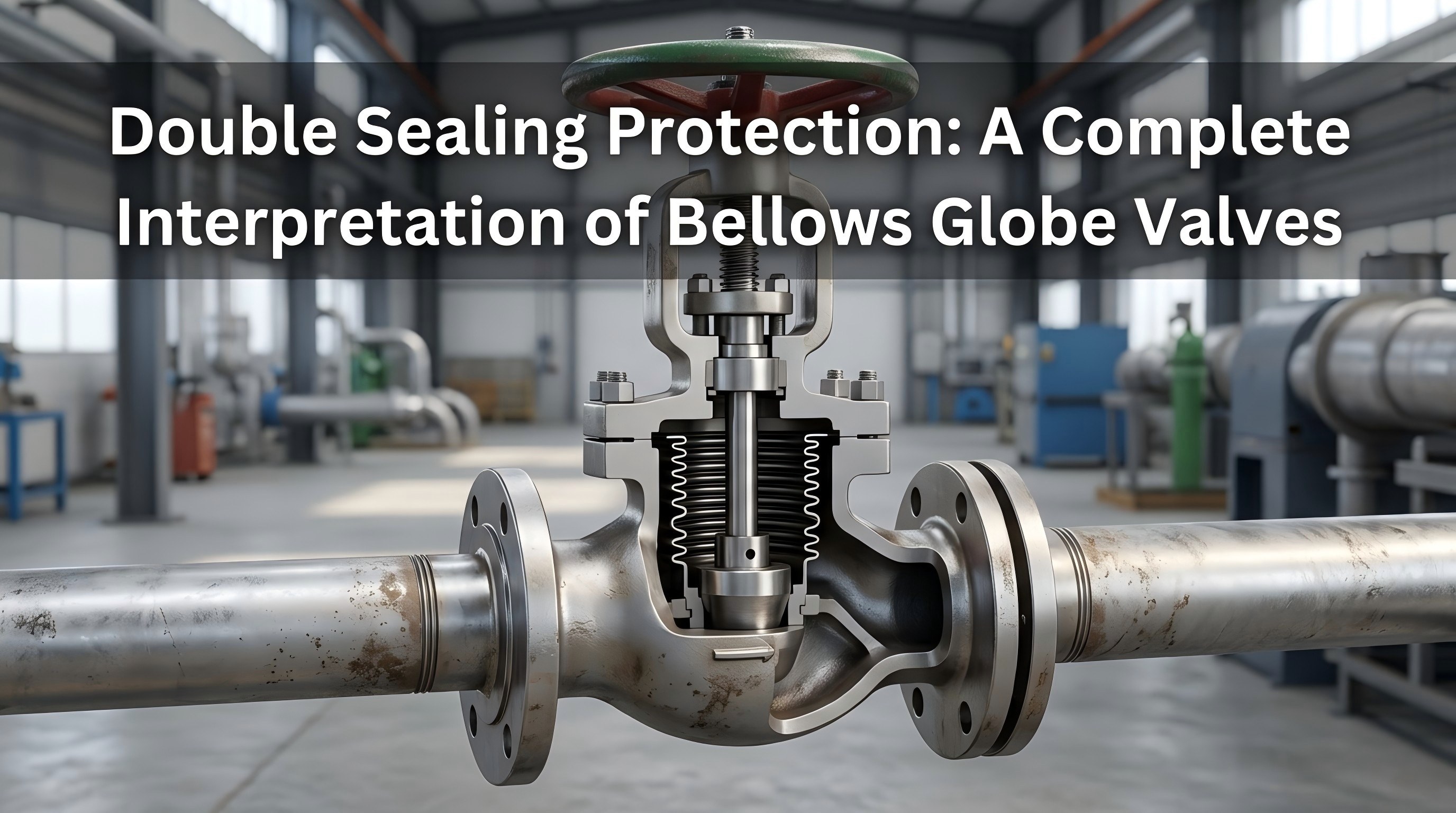 Double Sealing Protection: A Complete Interpretation of Bellows Globe Valves
  End-Suction Pump vs Inline Pumps: Which One Is Right for You?
  Method of Selecting Valve Types Based on Throttling Degree