
Enhancing Steam Systems: The Importance of Check Valves for Steam Applications

1. Introduction to Check Valves for Steam
In the intricate web of industrial processes, where efficiency and safety are paramount, the role of check valves in steam systems stands out as indispensable. These valves serve as vigilant gatekeepers, ensuring the unidirectional flow of steam and preventing the catastrophic consequences of backflow. Let's delve into the essence of check valves for steam applications, understanding their significance and primary functions.
Definition of Check Valves for Steam Applications
Check valves, specifically designed for steam applications, are mechanical devices that allow steam to flow in one direction while preventing reverse flow. Unlike traditional valves that regulate flow manually or automatically, check valves operate solely based on the direction of fluid flow. Their innate design enables them to swiftly close when steam attempts to backtrack, thus maintaining the integrity of steam systems.
Overview of Their Significance in Steam Systems
Steam systems play a pivotal role in various industrial sectors, including power generation, manufacturing, food processing, and more. These systems rely on the controlled movement of steam to drive turbines, heat processes, sterilize equipment, and perform numerous other critical functions. Any disruption in steam flow, such as backflow, can lead to equipment damage, process inefficiency, and safety hazards. Check valves serve as vital safeguards in such systems, preventing the reversal of steam flow and ensuring uninterrupted operation.
Brief Explanation of Their Primary Functions
The primary function of check valves in steam systems is to maintain the unidirectional flow of steam. When steam flows in the desired direction, the valve remains open, allowing passage with minimal resistance. However, if there is a reversal in steam flow due to pressure differentials or pump shutdowns, the check valve swiftly closes to block the backflow. This action prevents steam from entering areas where it shouldn't be, protecting equipment from damage and maintaining process efficiency.
Check valves also help to alleviate water hammer, a phenomenon caused by the sudden cessation of steam flow, which can lead to damaging pressure surges within the system. By preventing backflow, check valves mitigate the risk of water hammer, ensuring the smooth and safe operation of steam systems.
In essence, check valves for steam applications act as silent sentinels, silently standing guard to uphold the integrity and efficiency of industrial processes reliant on steam. Their seamless operation ensures the continuous flow of steam while averting the potential pitfalls of backflow, making them indispensable components in the intricate machinery of industrial operations.
2. Working Principle of Check Valves for Steam
In the labyrinthine world of steam systems, where precision and reliability reign supreme, understanding the working principle of check valves becomes imperative. These valves, meticulously designed to uphold the sanctity of unidirectional steam flow, operate on a principle that balances simplicity with efficacy. Let's unravel the intricacies of their operation and explore their critical role in maintaining the integrity of steam systems.
Explanation of How Check Valves Operate in Steam Systems
one way valve for steam applications function based on a rudimentary yet ingenious principle: allowing steam to flow in one direction while preventing reverse flow. Their design incorporates a mechanism that opens or closes depending on the direction of steam flow, ensuring seamless operation without the need for external intervention.
When steam flows in the desired direction, the check valve remains in an open position, allowing the steam to pass through unhindered. This enables the efficient movement of steam within the system, facilitating various industrial processes reliant on its energy and thermal properties.
Description of Their Reaction During Normal Steam Flow and Reverse Flow Situations
During normal steam flow, the check valve's internal mechanism is configured to facilitate the passage of steam with minimal resistance. This ensures that steam can traverse through the system unimpeded, delivering its energy payload to where it is needed most.
However, in the event of reverse flow, such as when there is a sudden change in pressure or a pump shutdown, the check valve promptly springs into action. Sensing the backflow of steam, the valve swiftly closes, forming a barrier that prevents steam from moving in the wrong direction. This instantaneous response is crucial in averting potential damage to equipment, safeguarding the integrity of the steam system, and maintaining operational efficiency.
Importance of Preventing Steam Backflow in Industrial Processes
The significance of preventing steam backflow in industrial processes cannot be overstated. Backflow can lead to a myriad of detrimental consequences, including equipment damage, process inefficiency, safety hazards, and even catastrophic accidents.
In steam systems used in power generation, manufacturing, food processing, and other industries, maintaining the unidirectional flow of steam is paramount. Backflow not only disrupts the smooth operation of processes but can also cause damage to sensitive equipment such as turbines, boilers, and condensers.
Furthermore, backflow can compromise the safety of personnel working in the vicinity of steam systems. Steam under pressure poses significant risks, and any breach in containment can result in steam leaks, scalding, or even explosions. By preventing steam backflow, check valves play a pivotal role in mitigating these risks and ensuring the safety of industrial operations.
In conclusion, the working principle of check valves for steam applications underscores their critical role in maintaining the integrity and efficiency of industrial processes. By facilitating unidirectional steam flow and preventing backflow, these valves safeguard equipment, optimize process performance, and uphold the safety of personnel, making them indispensable components in the intricate machinery of steam systems.
Senior check valves for steam supplier - Athena
Athena stands as a beacon of excellence in the realm of valve manufacturing, particularly renowned for its top-tier senior check valves tailored for steam applications. With a steadfast commitment to quality, innovation, and customer satisfaction, Athena has established itself as a trusted partner for industries reliant on steam systems worldwide.
Exceptional Product Quality
At the heart of Athena's success lies its unwavering dedication to product quality. Each senior check valve manufactured by Athena undergoes rigorous quality control measures, ensuring adherence to international standards and specifications. Employing advanced manufacturing techniques and utilizing premium-grade materials, Athena's check valves are engineered to deliver unparalleled performance, reliability, and longevity in demanding steam environments.
Comprehensive Product Portfolio
Athena boasts a comprehensive product portfolio encompassing a wide range of senior check valves suitable for diverse steam system configurations and operational requirements. From swing check valves and lift check valves to disc check valves and more, Athena offers a variety of valve types, sizes, and materials to meet the needs of its discerning clientele. Whether for power generation, manufacturing, food processing, HVAC systems, or other industrial applications, Athena has the perfect check valve solution to ensure the safety, efficiency, and reliability of steam systems.
Customer-Centric Approach
Central to Athena's ethos is its customer-centric approach, focused on understanding and addressing the unique needs and challenges of its customers. The company's team of experienced engineers and technical experts work closely with clients to provide personalized consultation, engineering support, and after-sales service. From initial product selection and customization to installation guidance and ongoing technical assistance, Athena is committed to delivering value-added solutions and exceeding customer expectations at every stage of the project lifecycle.
Global Reach and Recognition
With a strong global presence and distribution network, Athena serves customers across the globe, spanning Asia, Europe, North America, and beyond. Its reputation for excellence, reliability, and integrity has earned Athena the trust and recognition of industry leaders and stakeholders worldwide. As a testament to its commitment to quality and continuous improvement, Athena holds various certifications and accreditations, further solidifying its position as a leading supplier of senior check valves for steam applications.
 How Does a Ball Type Check Valve Prevent Pipeline Medium Backflow?
  Selection and Precautions for Natural Gas Valves
  Athena Engineering S.R.L Wraps‑up OGA 2026 Kuala Lumpur
  What is a Gate Valve? What is Its Working Principle?
  T-Type / T-Pattern / Straight Pattern Globe Valve
  Knife Gate Valve vs Wedge Gate Valve: Which Is Better for Your Industrial Piping?
  Cryogenic Ball Valve Comprehensive Product Overview
  Causes and Treatments for Poor Valve Shut‑Off
  Athena Triple Offset Butterfly Valves
  What is the Difference Between Swing Check Valve and NRV? A Complete Explanation
  Common Connection Types of Valves
  5 Piping Design Mistakes That Are Killing Your Valves
  Float Valve: Structure, Principle and Application
  High Pressure Needle Valve High-Precision Fluid Control Valve
  What is a Piston Check Valve?
  Meet Us at OGA 2026 | Booth 6802, Hall 6
  What is a Level Gauge? Working Principles, Types and Industrial Applications
 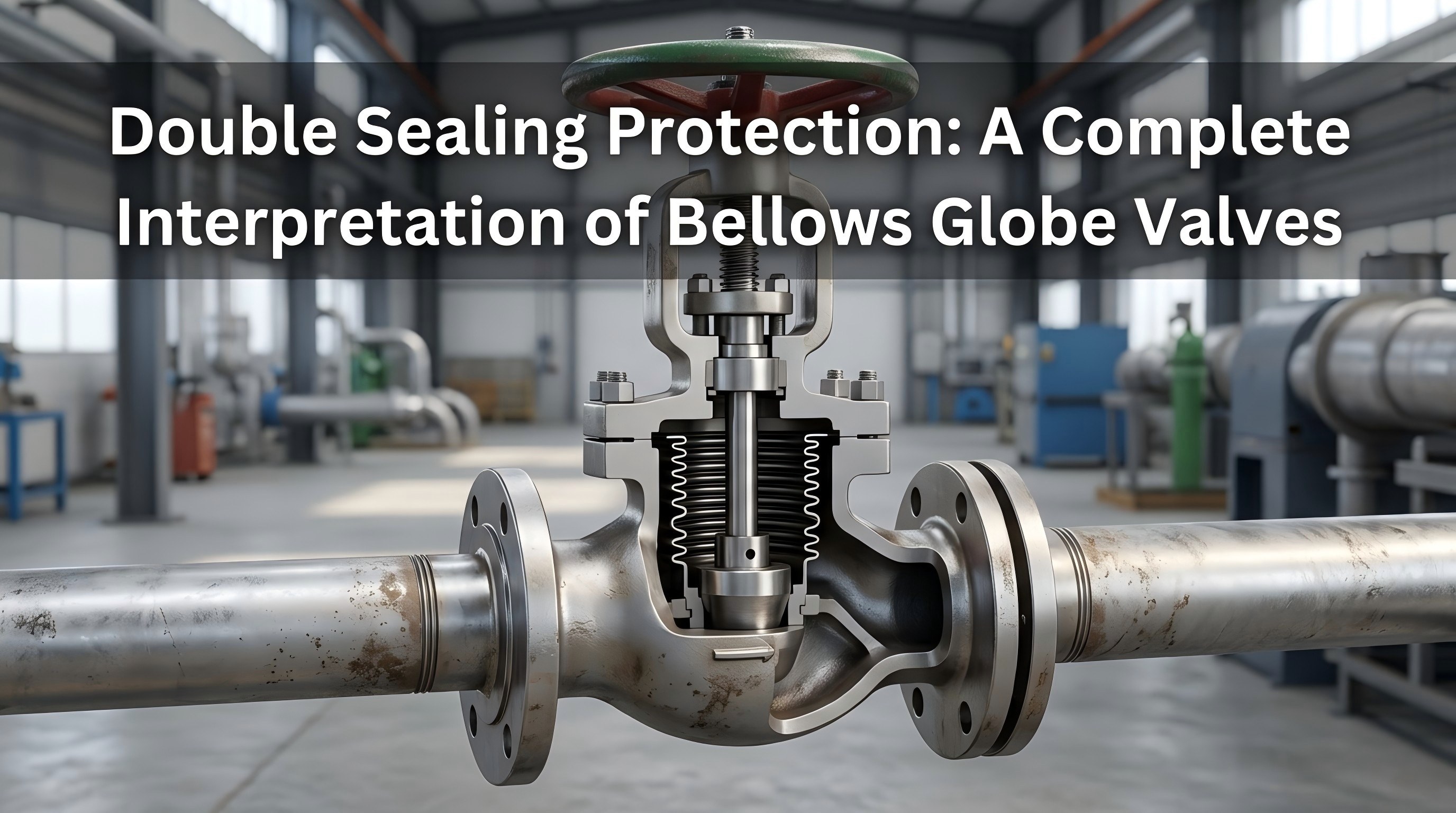 Double Sealing Protection: A Complete Interpretation of Bellows Globe Valves
  End-Suction Pump vs Inline Pumps: Which One Is Right for You?
  Method of Selecting Valve Types Based on Throttling Degree