
Enhancing Pipeline Integrity: The Crucial Role of Brass Non-Return Valves

1. Introduction to Brass Non-Return Valve
Brass non-return valves, also known as check valves, are indispensable components in fluid systems, allowing flow in one direction while preventing backflow. Crafted from durable brass materials, these valves exhibit excellent corrosion resistance and mechanical strength, making them ideal for a wide range of applications. Brass non-return valves are essential for maintaining the integrity of pipelines and preventing contamination or damage caused by reverse flow.
2. Working Principle of Brass Non-Return Valve
The working principle of brass non-return valves is straightforward yet effective. During normal flow, the valve's internal mechanism allows fluid to pass through unhindered, with minimal resistance. However, when there is a reversal in flow direction, such as in the event of pressure fluctuations or pump shutdowns, the valve swiftly closes to prevent fluid from flowing back into the system. This action ensures that the fluid remains contained within the designated pipeline, protecting downstream equipment and preventing contamination of clean water sources.
3. Application Scenarios of Brass Non-Return Valve
Brass non-return valves find extensive application in various fluid systems, including water supply networks, sewage treatment plants, irrigation systems, and industrial pipelines. In water distribution systems, these valves prevent the backflow of contaminated water, ensuring the safety of drinking water supplies. In sewage treatment plants, brass non-return valves help maintain optimal flow direction, preventing the mixing of untreated sewage with treated effluent. Moreover, in industrial processes, these valves play a critical role in safeguarding equipment from damage due to fluid backflow.
4. Different Types of Brass Non-Return Valve
Brass non-return valves are available in several types, each designed to suit specific application requirements:
One-way Check Valves: These valves allow fluid to flow in one direction only, preventing reverse flow effectively. They are commonly used in applications where backflow prevention is critical, such as water distribution systems and sewage pipelines.
Ball Check Valves: Ball check valves feature a spherical ball that moves freely within the valve body to control flow. When fluid flows in the desired direction, the ball is pushed aside, allowing passage. However, when there is backflow, the ball quickly seats against the valve orifice, preventing reverse flow.
Swing Check Valves: Swing check valves utilize a swinging disc or flap to regulate flow. During normal flow, the disc swings open, allowing fluid to pass through. When there is a reversal in flow direction, the disc swings shut, preventing backflow.
Each type of brass non-return valve offers unique characteristics and advantages, making it essential to select the most suitable valve for the intended application.
5. Factors to Consider When Choosing a Brass Non-Return Valve
When selecting a brass non-return valve, several factors should be taken into account to ensure optimal performance and reliability:
Material: Brass non-return valves are commonly made from high-quality brass materials, offering excellent corrosion resistance and durability.
Size: The valve size should be selected based on the flow rate and pipe diameter of the system.
Pressure Rating: The valve's pressure rating should match or exceed the maximum operating pressure of the system to ensure safety and performance.
Compatibility: The valve should be compatible with the fluid being handled and capable of operating effectively in the intended environment.
Additionally, factors such as installation requirements, maintenance considerations, and compliance with industry standards should also be considered when choosing a brass non-return valve.
6. Advantages of Athena Brass Non-Return Valve
Athena stands out as a premier supplier of high-quality brass non-return valves, offering numerous advantages to customers:
Exceptional Quality: Athena brass non-return valves are crafted from premium materials and manufactured to stringent quality standards, ensuring superior performance and durability.
Reliable Performance: These valves are engineered for reliable operation, providing effective backflow prevention and long-term service life.
Customization Options: Athena offers customization options to meet specific application requirements, allowing customers to tailor valves to their unique needs.
Technical Support: With a team of experienced engineers and technical experts, Athena provides comprehensive support to customers, assisting with valve selection, installation, and troubleshooting.
7. How to Properly Install and Maintain Brass Non-Return Valve
Proper installation and maintenance are essential for maximizing the performance and longevity of brass non-return valves:
Installation: Valves should be installed according to manufacturer guidelines, ensuring proper orientation and sealing. Care should be taken to prevent debris or contaminants from entering the valve during installation.
Maintenance: Regular inspection and cleaning are necessary to remove any buildup or debris that may affect valve operation. Lubrication of moving parts and replacement of worn components should be performed as needed to ensure optimal performance.
8. Summary and Appeal
In summary, brass non-return valves play a vital role in maintaining the integrity and efficiency of fluid systems, preventing backflow, and protecting downstream equipment. By choosing high-quality valves from reputable suppliers like Athena and adhering to proper installation and maintenance practices, stakeholders can ensure the reliability and longevity of their fluid systems. Let us collectively prioritize the maintenance of pipeline systems and environmental protection, safeguarding our communities and ecosystems for future generations.
Athena Engineering S.R.L is a leading supplier of industrial products and engineering services.Headquartered in Italy, Athena has grown from a regional valve & level gauge manufacturer to a global diversified group after years of continuous exploration and innovation. We have four subsidiaries including brand Athena for valve & level gauge,brand GE-STAR for pump, brand ROSITATECH for controlling instruments and brand ASAPHTECH for filtration system.Athena Group provides customers with innovative products and comprehensive solutions through five major brands to create business advantages. We provide products and services around the world for power, oil & gas, pulp & paper, water & wastewater, mining & metallurgy, food & beverage, process control and automation solutions for the chemical industry, as well as other fields.
 How Does a Ball Type Check Valve Prevent Pipeline Medium Backflow?
  Selection and Precautions for Natural Gas Valves
  Athena Engineering S.R.L Wraps‑up OGA 2026 Kuala Lumpur
  What is a Gate Valve? What is Its Working Principle?
  T-Type / T-Pattern / Straight Pattern Globe Valve
  Knife Gate Valve vs Wedge Gate Valve: Which Is Better for Your Industrial Piping?
  Cryogenic Ball Valve Comprehensive Product Overview
  Causes and Treatments for Poor Valve Shut‑Off
  Athena Triple Offset Butterfly Valves
  What is the Difference Between Swing Check Valve and NRV? A Complete Explanation
  Common Connection Types of Valves
  5 Piping Design Mistakes That Are Killing Your Valves
  Float Valve: Structure, Principle and Application
  High Pressure Needle Valve High-Precision Fluid Control Valve
  What is a Piston Check Valve?
  Meet Us at OGA 2026 | Booth 6802, Hall 6
  What is a Level Gauge? Working Principles, Types and Industrial Applications
 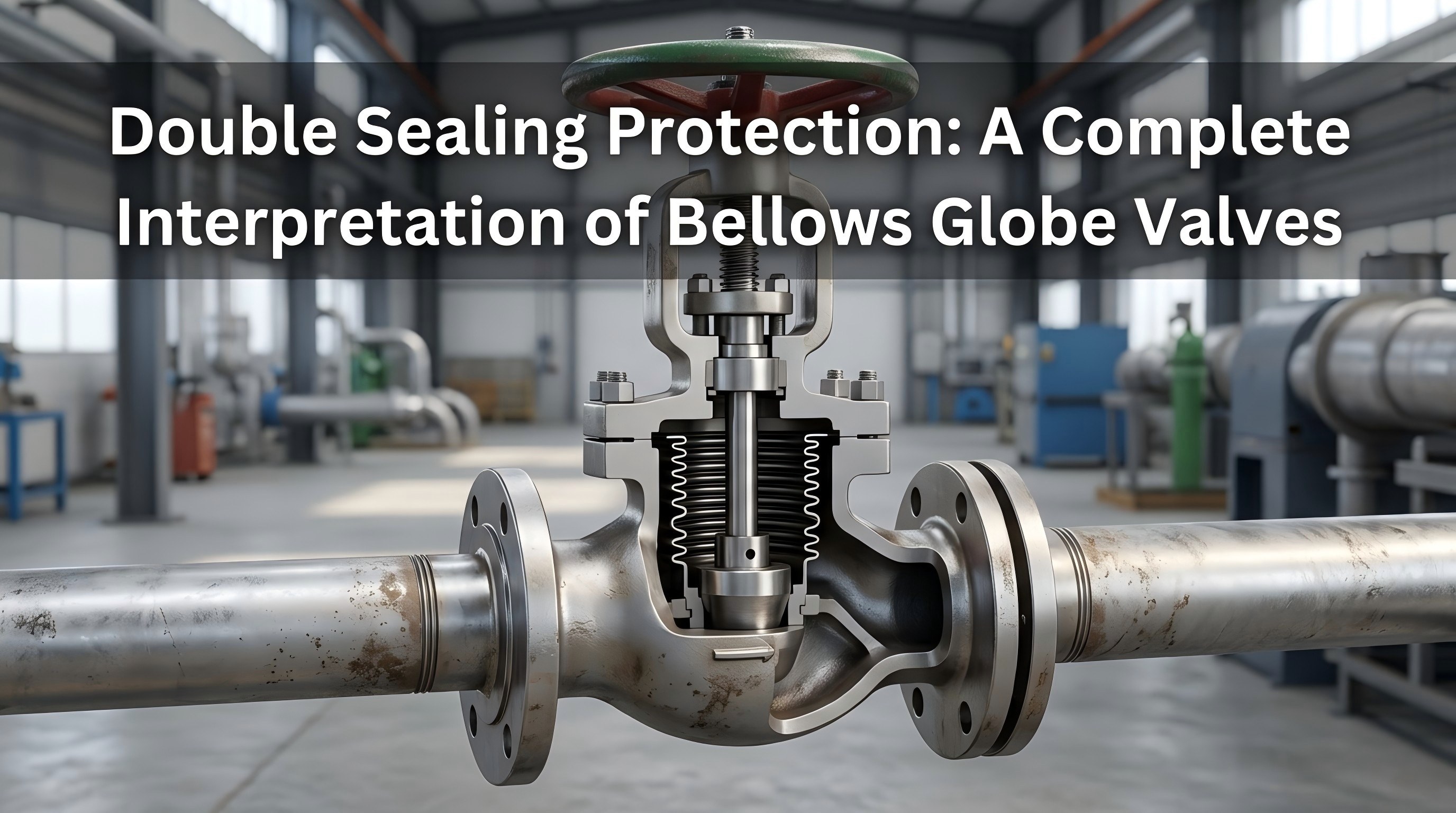 Double Sealing Protection: A Complete Interpretation of Bellows Globe Valves
  End-Suction Pump vs Inline Pumps: Which One Is Right for You?
 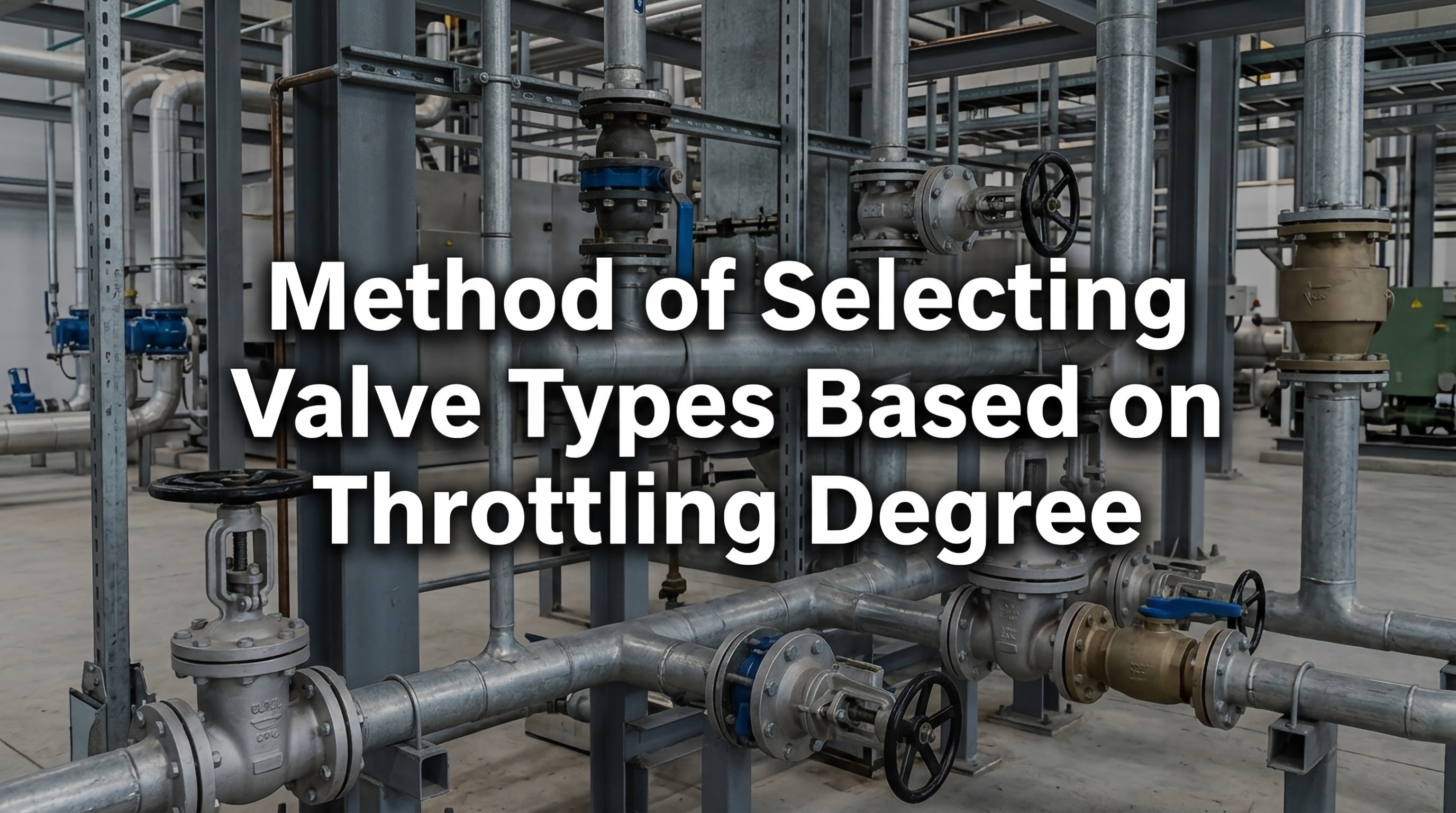 Method of Selecting Valve Types Based on Throttling Degree