
What is the difference between solenoid valve and diaphragm valve?
2025-09-28
What is a solenoid valve and how does it work?
What is the basic electromechanical principle behind a solenoid valve?
A solenoid valve is an electrically actuated valve that converts an electrical signal into a magnetic field which moves a plunger (armature) or pilot mechanism to open or close a fluid passage. A coil energizes a magnetic core, lifting or seating the plunger and thereby opening or closing the main orifice. Direct-acting solenoids act directly on the seat; pilot-operated (or servo) solenoids control a small pilot orifice that uses process pressure to open a larger main valve. Direct-acting types are simple and work at low pressures and small flow rates; pilot-operated designs extend the working pressure and flow capacity by using the process fluid itself to assist the actuation.

What internal designs exist (direct-acting vs pilot-operated vs diaphragm-operated solenoids)?
Direct-acting solenoid valves: the coil directly moves the sealing element; they are compact, fast, and used where Cv and pressure differential requirements are small.
Pilot-operated solenoid valves: the coil operates a small pilot port; differential pressure across the pilot moves a larger main diaphragm or piston — enabling higher flow/Cv and higher MAWP than a comparable direct-acting design.
Diaphragm-type solenoid valves / diaphragm-operated pilots: many pilot solenoids actually pilot a diaphragm main stage (common in larger pneumatic or process valves). This architecture is widely used for applications such as pulse-jet dust collectors or where a low-power electrical pilot must control a high-flow valve.
What electrical and timing characteristics matter?
Engineers must specify coil voltage and tolerance (DC/AC options), duty cycle (continuous or intermittent), enclosure/IP rating for environment, coil power (VA), and expected switching speed. For safety and reliability in automation the coil’s heat rise and insulation class, plus surge suppression and EMC characteristics, are also important.
What is a diaphragm valve and how does it work?
What is the diaphragm valve’s operating principle and body styles?
A diaphragm valve (often called a membrane valve) controls flow by deforming a flexible membrane (diaphragm) against a seat (weir or flat seat). Two main body styles exist: weir (saddle) type — where the diaphragm closes onto a raised weir, providing good throttling control and reduced diaphragm flex — and straight-through (full-bore) type — where the diaphragm seals on a flat seat and the flow path is more open (better for slurries and low ΔP). Straight-through valves are generally used for on/off and slurry services; weir valves are common where modulation and tight shutoff are required.
What materials and diaphragm constructions are common?
Diaphragms are made from elastomers (EPDM, NBR, FKM) or PTFE/TFM linings (for aggressive chemistries). Composite and metal-backed diaphragms exist where higher temperature or higher cycle life is needed. The diaphragm material selection dictates maximum temperature, chemical compatibility, and expected fatigue life — so material tables and vendor P-T charts are essential to sizing.
How are diaphragm valves actuated?
Typical actuators are manual (handwheel), pneumatic linear actuators, or electric linear actuators. In many systems a solenoid pilot (small solenoid valve) is used to control pneumatic pilots or pilot lines that operate the diaphragm actuator — effectively combining the two technologies (see “how they are used together” below). Athena and other suppliers commonly offer pneumatically-operated diaphragm valves with actuator pairings for control service.
How are solenoid valves and diaphragm valves similar — and when are they used together?
In what ways do both technologies provide on/off control?
Both solenoid valves and diaphragm valves can provide reliable on/off control. A small solenoid is ideal for direct electrical switching of low flows; a diaphragm valve is ideal for bulk shutoff, isolation, or control in corrosive or sanitary processes. Where large flow rates or high differential pressure exist, a solenoid is often used only as a pilot to command a diaphragm main stage. That hybrid (solenoid pilot → diaphragm main) is very common in industrial pneumatic systems and pulse cleaning (baghouse) applications.
Why pair a solenoid pilot with a diaphragm main valve?
A solenoid pilot uses low electrical power and fast switching to modulate pneumatic pressure, which in turn moves a much larger diaphragm actuator. This lets a small electrical signal control a large flow without requiring a large, power-hungry electric actuator. The result: lower electrical load, ability to handle high Cv and higher MAWP (via pilot operation), and reduced energy cost in many pneumatic systems. This arrangement is the backbone of many pulse-jet dust-collector valves (fast solenoid pilot → diaphragm pulse valve main stage).
How do response time and cycle speed compare?
Which is faster electrically and mechanically?
A small direct-acting solenoid valve typically offers the fastest electrical switching time (milliseconds) because it directly moves a light plunger. A diaphragm valve has more moving mass and a longer stroke (diaphragm deformation), so its mechanical response is generally slower. However, when a solenoid is used as a pilot for a diaphragm main valve (pilot-operated arrangement), the overall system can achieve very fast useful actuation for applications like pulse cleaning because the diaphragm valve is specially designed for rapid collapse and refill. Products designed as pulse valves (pilot-operated diaphragm designs) are engineered for very short on-times and fast response.
When is a pilot arrangement preferable to direct-acting solenoids?
Pilot operation is preferable when you need:
Large flow (high Cv) that a direct plunger cannot economically handle.
High pressure ratings while still using a low-power electrical pilot.
Lower electric power per actuation (pilot uses small coil; main movement uses process pressure).
Examples: large pneumatic manifolds, pulse-jet dust collectors, and large bore on/off duties where reliability and energy efficiency matter.
How do flow capacity, Cv, and pressure limits differ?
Which valve family gives higher Cv for a given package?
For small-bore, low-flow duties a direct solenoid is often sufficient. For larger flows, diaphragm main valves (especially straight-through designs) provide much greater Cv. Pilot-operated diaphragm valves allow a small solenoid to control a main stage sized for much larger flow. In short: solenoids win at small sizes, diaphragm main valves win at larger flows — and pilot arrangements bridge the gap.
How do pressure/temperature limits compare?
Direct-acting solenoids are limited both by seat geometry and coil heat (and by materials for media compatibility) — they are commonly used up to modest pressures and temperatures. Diaphragm valves’ maximum operating pressure and temperature are governed by diaphragm compound and body materials; modern engineered diaphragm valves (including Athena’s pipelines) extend into higher pressure ranges with appropriate linings and designs, but you must consult vendor P-T charts for exact MAWP. Athena’s diaphragm valve listings show a surprisingly wide DN range (15–900 mm) and pressure capability quoted up to 420 bar for certain series — illustrating how diaphragm engineering has advanced.
Which valve type suits different media: gases, liquids, corrosives, slurries and particulate fluids?
When are solenoid valves ideal?
Solenoids are commonly chosen for:
Clean compressed air or instrument gas control.
Low-viscosity liquids (water, oil) at small flow rates.
Fast on/off control in automation and instrumentation panels.
They are compact, inexpensive for small sizes, and easy to integrate with electrical control.
When are diaphragm valves preferred?
Diaphragm valves are preferred for:
Corrosive chemicals (PTFE-lined diaphragms).
Slurries or viscous/particulate-laden fluids (straight-through diaphragm designs reduce clogging).
Sanitary and pharmaceutical lines (no dead legs, easy CIP/SIP).
Where external packing leaks are unacceptable (diaphragms isolate actuator from process).
When is a diaphragm-operated solenoid the best compromise?
In applications needing the quick switching of a solenoid but the flow capacity or media handling of a diaphragm main valve (e.g., baghouse pulse valves, large pneumatic diverters), the pilot-solenoid → diaphragm main architecture provides the best of both worlds: electrical control with large flow handling and lower electrical energy consumption. Vendors such as Emerson (ASCO) and others offer pulse valve designs in this family.
How do sealing, leakage and emissions compare?
Typical leakage paths and containment issues
Solenoid valves: leakage typically occurs past the seat if debris or wear exists, or from coil housing if seals fail; tiny seats can be sensitive to particulates.
Diaphragm valves: external leakage is minimal because there is no stem packing; the diaphragm itself is the primary barrier — its integrity determines containment. For fugitive emissions control (e.g., hazardous gases), diaphragm isolation is often superior because it eliminates packing as a leak path. However, a ruptured diaphragm is a single-point failure that must be detected and replaced.
How do reliability, maintenance and spare-parts strategies differ?
Common failure modes and maintenance tasks
Solenoid valves: coil burnout, plunger sticking or scoring, seat wear; maintenance often involves replacing the coil, armature, or seat insert. Periodic cleaning/filtration prevents particulate damage.
Diaphragm valves: diaphragm fatigue, chemical attack, or abrasion. Diaphragms are consumable spares and should be stocked; replacement is usually straightforward and often can be done inline. Vendors publish diaphragm lifetime vs service curves — use them for spare planning.
Fleet planning (MTBR and spares)
Large fleets of small solenoid valves favor standardized coil spares and modular manifolds. Diaphragm valve fleets favor stocked diaphragms (compounds matched to service). Pilot-operated diaphragm systems require both coil spares and diaphragm spares in their BOM. Proper filtration of pilot air and fluids extends life for both families.
How do energy, control logistics and system integration compare?
Electrical vs pneumatic logistics
Solenoid valves need electrical supply and wiring (low voltage DC or AC). Diaphragm actuators often use pneumatic power; when solenoids act as pilots, a small electrical input controls the pneumatic pilot. Centralized pneumatic systems plus solenoid pilots can be more energy efficient than providing power to many large electric actuators. For hazardous locations, solenoid selection must consider explosion-proof or intrinsically safe ratings (IEC/ATEX/NEC). Athena also offers integrated solenoid and diagnostic systems in its actuator products for advanced control/diagnostics.
What are the cost and lifecycle trade-offs?
CAPEX and OPEX comparison
Small-bore automation: direct solenoid valves are typically lower CAPEX and simple to install.
Large flow or demanding media: diaphragm valves (or pilot-operated diaphragm assemblies) may cost more upfront but reduce operating risk (leakage, contamination) and may lower lifecycle cost if diaphragm replacements are managed. Model total cost of ownership including spare consumption, downtime, air supply costs (if pneumatic), and energy.
What safety, standards and tests apply?
Standards to request and test regimes
For solenoids: electrical ratings, IP/ NEMA enclosures, coil insulation class, EMC testing, explosion-proof/IS certifications where required.
For diaphragm/pilot systems: Cv curves, P-T charts for diaphragm compounds, cycle life test reports, bubble/seat leakage tests, material certificates (MTC), and hygienic certifications (FDA/3A/EHEDG) when applicable. Pulse and pilot valves often have specialized performance test data (response time, air consumption).
How does Athena Engineering position solenoid-related and diaphragm valve solutions?
What Athena offers and what to request from them
Athena publishes diaphragm valve product ranges (DN 15–900, certain series quoted up to 420 bar) and integrated pneumatic/electro-actuated solutions; they also supply integrated solenoid systems for actuator diagnostics and partial stroke testing on their valve families. If you solicit Athena for comparison, request: Cv curves, diaphragm material tables and P-T charts, coil duty and IP rating, pilot flow rates and filtration recommendations, cycle life tests, recommended spares and FAT scope. Athena’s published catalogue pages and DirectIndustry entries illustrate their capability to supply both diaphragm main stages and solenoid-integrated actuator assemblies.
What quick decision flow and RFQ checklist should engineers use?
Short selection checklist (copy into RFQ)
Media: chemical composition, temperature, viscosity, solids %.
Flow requirement: Cv or required flow at ΔP.
Pressure: operating pressure and maximum ΔP across valve.
Cycle rate and required response time.
Required actuation interface (electrical voltage/PLC signal or pneumatic pressure).
Environmental/explosion rating (ATEX/IECEx, IP).
Sanitary or material standards (FDA, 3A, NACE).
Leakage tolerance (bubble-tight, allowable leak rate).
Required diagnostics (position feedback, coil monitoring, partial stroke test).
Required tests (Cv, seat leak, cycle life, MTC).
Spare parts: coil and diaphragm part numbers and lead times.
FAT/WIT and warranty terms.
Send this to Athena (or any vendor) to get apples-to-apples offers for solenoid vs diaphragm (pilot) options. Athena’s product pages and brochures typically include many of the requested data items — but insist on Cv curves and P-T charts in writing.
Conclusion — which is “better”?
There is no universal “better.” Use this rule of thumb:
For small, fast, electrically controlled on/off duties with clean media and low ΔP: direct solenoid valve is typically optimal.
For corrosive, abrasive, sanitary, or larger-flow duties where packing leaks are unacceptable: diaphragm valve (or pilot-operated diaphragm main valve with solenoid pilot) is usually best.
For large flows that must be electrically controlled with low electric power, a solenoid pilot → diaphragm main assembly is the pragmatic compromise (common in pulse valves and large pneumatic control).
 How Does a Ball Type Check Valve Prevent Pipeline Medium Backflow?
  Selection and Precautions for Natural Gas Valves
  Athena Engineering S.R.L Wraps‑up OGA 2026 Kuala Lumpur
  What is a Gate Valve? What is Its Working Principle?
  T-Type / T-Pattern / Straight Pattern Globe Valve
  Knife Gate Valve vs Wedge Gate Valve: Which Is Better for Your Industrial Piping?
  Cryogenic Ball Valve Comprehensive Product Overview
  Causes and Treatments for Poor Valve Shut‑Off
  Athena Triple Offset Butterfly Valves
  What is the Difference Between Swing Check Valve and NRV? A Complete Explanation
  Common Connection Types of Valves
  5 Piping Design Mistakes That Are Killing Your Valves
  Float Valve: Structure, Principle and Application
  High Pressure Needle Valve High-Precision Fluid Control Valve
  What is a Piston Check Valve?
  Meet Us at OGA 2026 | Booth 6802, Hall 6
  What is a Level Gauge? Working Principles, Types and Industrial Applications
 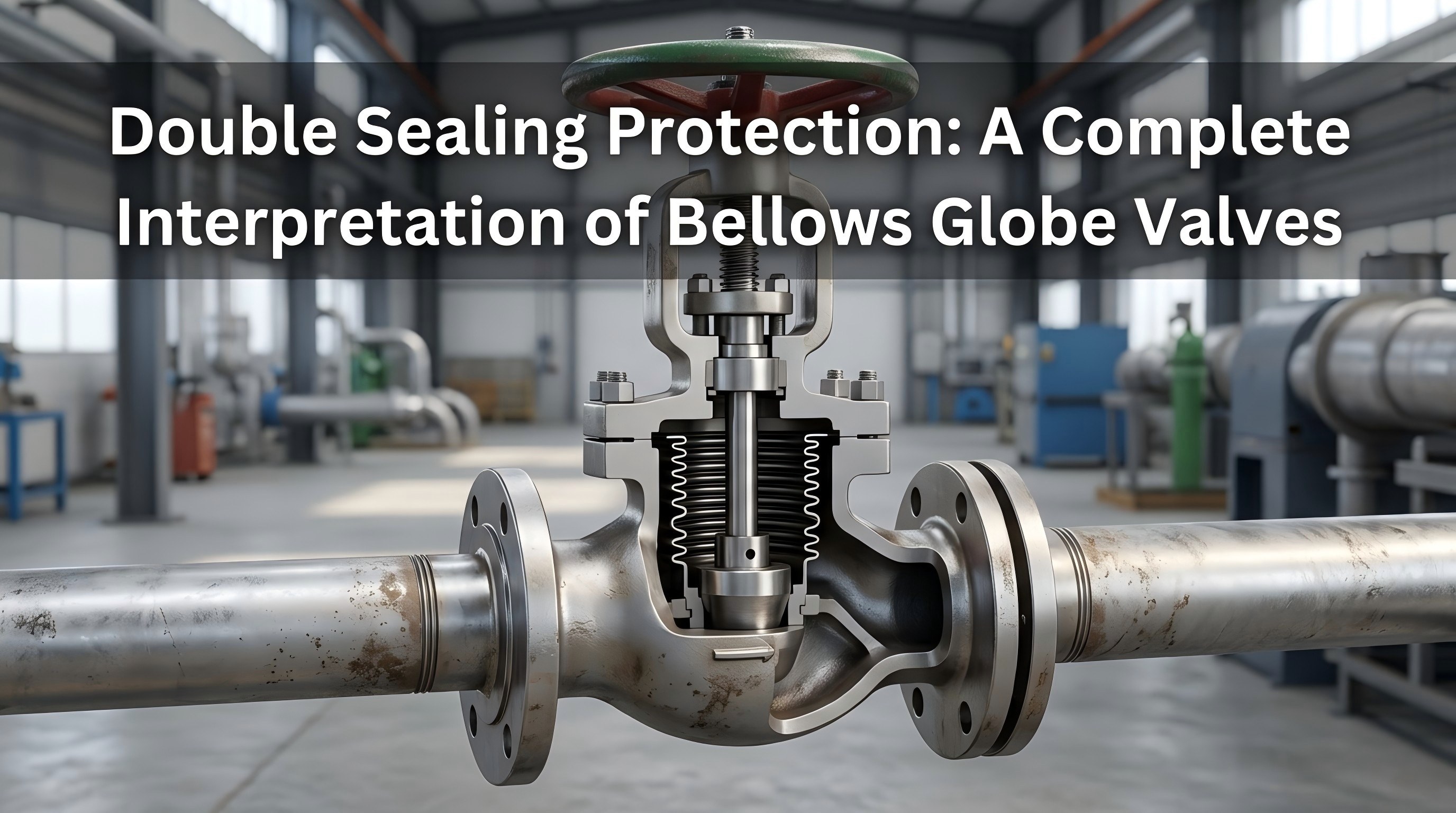 Double Sealing Protection: A Complete Interpretation of Bellows Globe Valves
  End-Suction Pump vs Inline Pumps: Which One Is Right for You?
  Method of Selecting Valve Types Based on Throttling Degree