
Plug Valve vs Ball Valve from Athena Engineering S.R.L
author: ATHENA GROUP
2026-07-04

1. Overview: Two Main Categories of Quarter-Turn Valves
Ball valves and plug valves are the most widely used quarter-turn valves in oil & gas, chemical processing, mining, water treatment and general manufacturing industries. Both achieve pipeline opening and closing through 90-degree rotation, featuring fast switching and simple operation logic.
However, significant differences in their internal core structures lead to huge disparities in pressure loss, anti-blocking capacity, maintenance cycles and service life.
Engineering practices prove that mismatched valve types and working conditions can easily cause internal medium leakage, unplanned production shutdowns and soaring long-term operation costs. Therefore, clearly distinguishing the advantages, disadvantages and applicable scenarios of the two types of valves is a critical link in industrial project design.
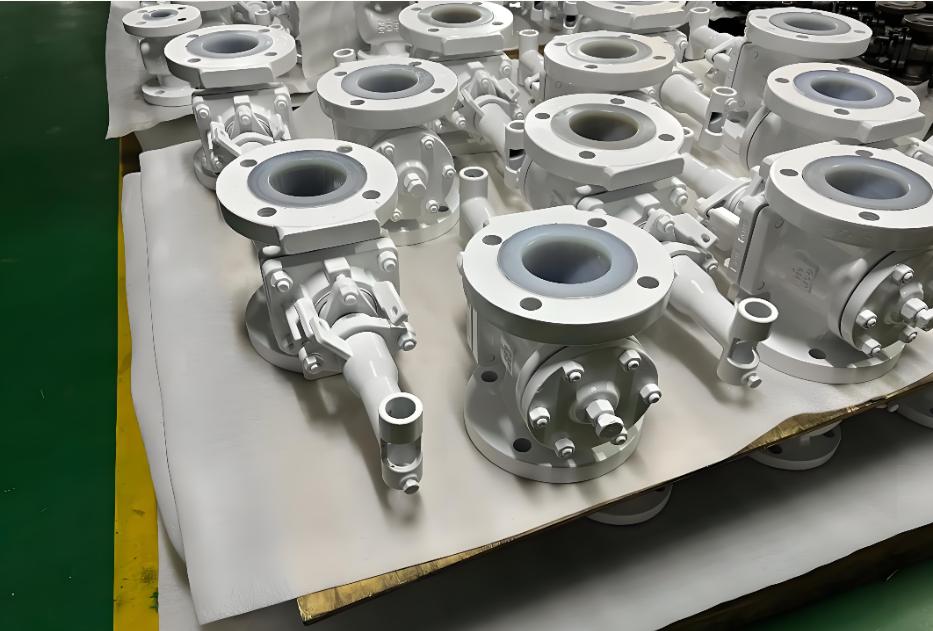
2. Core Structural Differences: Sealing Components Determine Basic Performance
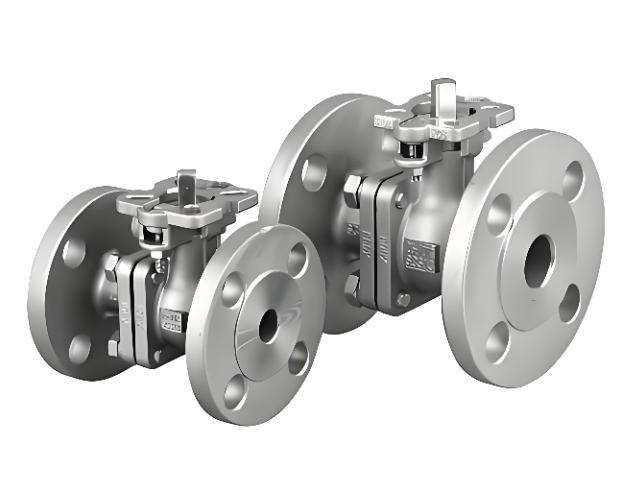
2.1 Ball Valves: Hollow Spherical Trim with Large Flow Capacity and Low Flow Resistance
Ball valves adopt a hollow sphere with a straight through-hole as the closure member. The smooth spherical inner wall creates unobstructed flow with minimal pipeline pressure loss and maximum flow capacity.
Low torque is required to rotate the sphere, making ball valves ideal for frequent on-off cycles. Most models support inline maintenance; valve seats and gaskets can be replaced without removing the entire valve from piping, greatly cutting maintenance time for pipelines carrying clean media.
Disadvantages: Dead cavities exist between the sphere and valve body. When transporting viscous crude oil, mineral slurry or media with solid particles, impurities tend to accumulate in these cavities. Deposits scratch soft valve seats and trigger internal leakage. In severe cases, the sphere may jam, drastically shortening service cycles.
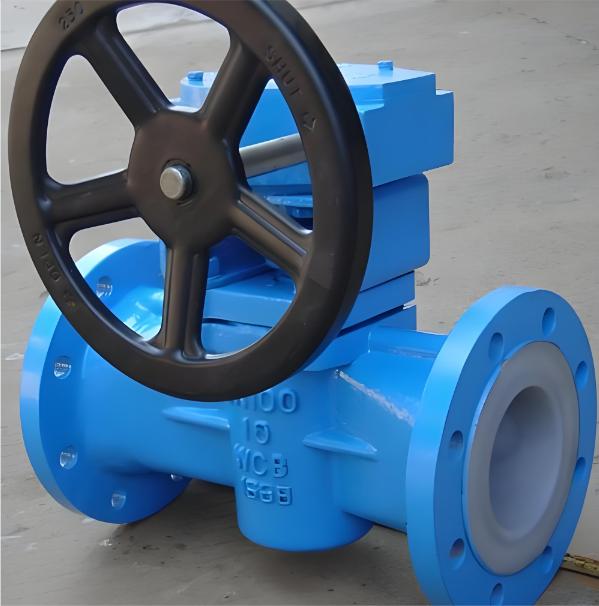
2.2 Plug Valves: Solid Tapered/Cylindrical Plug with Dead-Zone-Free Self-Cleaning Structure
Plug valves feature a tapered or cylindrical solid plug with a flow passage, eliminating all dead cavities inside the valve body.
Every opening and closing rotation of the plug continuously scrapes and wipes the sealing surfaces, creating a natural self-cleaning mechanism that flushes away sludge, crystals and granular impurities during each switch.
This unique characteristic enables plug valves to handle harsh media unsuitable for ball valves, including mining tailings, high-viscosity polymer fluids, heavy fuel oil and highly abrasive slurries. Industry test data shows plug valves maintain stable tight shut-off 3 to 4 times longer than standard floating ball valves when conveying particle-laden media.
Disadvantages: Constant friction between the plug and sealing liner requires regular injection of special lubricants to prevent sticking or seizure, resulting in heavier daily inspection and maintenance workload compared with low-maintenance ball valves.
3. Division of Applicable Working Conditions: Clean Fluids vs Harsh Abrasive Media
3.1 Ball Valves: Cost-Effective General Choice for Clean Non-Abrasive Fluids
Mass-produced ball valves feature low upfront costs and simple daily maintenance, serving as the universal preferred option for clean, low-risk fluid systems.
Ball valves are prioritized for municipal water supply pipelines, natural gas transmission, food-grade clean liquid transportation and standard light chemical pipelines. They deliver the best overall cost performance under working conditions free of solid particles and low-viscosity clean media, forming the standard general solution for the industry.
3.2 Plug Valves: Heavy-Duty High-Performance Solution for Complex Corrosive and Abrasive Media
Plug valves are engineered for high-load harsh working conditions prone to blockage, crystallization and abrasion.
Mineral processing plants, waste slurry discharge lines, asphalt transportation pipelines and chemical factories handling crystallizing liquids all adopt plug valves as standard to eliminate valve blockage failures from the source.
Case of offshore oil pipelines carrying sand-mixed crude oil: After replacing ball valves with lined plug valves in 2025, operators reported a 70% drop in valve replacement frequency.

4. Core Guidelines for Engineering Selection: Do Not Judge Merely by Initial Purchase Price
Leading valve manufacturers released updated industry selection guidelines in 2026, clarifying that selection shall not rely solely on initial procurement cost:
- Deploying low-cost ball valves for slurry and particle-laden media: Recurring repair expenses and production loss far exceed the extra investment in durable plug valves;
- Installing plug valves for clean water and gas pipelines: Unnecessary labor and material costs for regular lubrication maintenance will be incurred.
5. Development Trends of the Industrial Market
As global industrial raw material processing grows more complex and demands for continuous equipment operation rise, market segmentation between ball valves and plug valves continues to widen:
- Ball valves: Maintain dominant market share in civil and light industrial fluid control;
- High-performance anti-abrasion plug valves: Receive growing orders from mining, new energy material and heavy petrochemical sectors.
A thorough understanding of the core differences between these two quarter-turn valves helps plant managers and process designers improve fluid control system stability, cut full-cycle operation costs and extend the overall service life of fluid control equipment.
 How Does a Ball Type Check Valve Prevent Pipeline Medium Backflow?
  Selection and Precautions for Natural Gas Valves
  Athena Engineering S.R.L Wraps‑up OGA 2026 Kuala Lumpur
  What is a Gate Valve? What is Its Working Principle?
  T-Type / T-Pattern / Straight Pattern Globe Valve
  Knife Gate Valve vs Wedge Gate Valve: Which Is Better for Your Industrial Piping?
  Cryogenic Ball Valve Comprehensive Product Overview
  Causes and Treatments for Poor Valve Shut‑Off
  Athena Triple Offset Butterfly Valves
  What is the Difference Between Swing Check Valve and NRV? A Complete Explanation
  Common Connection Types of Valves
  5 Piping Design Mistakes That Are Killing Your Valves
  Float Valve: Structure, Principle and Application
  High Pressure Needle Valve High-Precision Fluid Control Valve
  What is a Piston Check Valve?
  Meet Us at OGA 2026 | Booth 6802, Hall 6
  What is a Level Gauge? Working Principles, Types and Industrial Applications
  Double Sealing Protection: A Complete Interpretation of Bellows Globe Valves
  End-Suction Pump vs Inline Pumps: Which One Is Right for You?
  Method of Selecting Valve Types Based on Throttling Degree