
Mastering the When and Where of Non-Return Valve Installation
2025-04-24
The seemingly simple act of preventing backflow in a fluid system carries profound implications for the longevity of equipment, the integrity of processes, and the safety of operations. The non-return valve (NRV), in its various forms – be it a swing check, lift check, or wafer design – stands as the steadfast guardian against this often-insidious threat. However, the mere presence of an NRV within a pipeline is no guarantee of its effectiveness. The true power of these unidirectional sentinels is unlocked only through a deep understanding of when they should be integrated into a system and, equally crucial, where they should be strategically positioned. Incorrect placement or a delayed installation can render an NRV impotent, failing to provide the intended protection and potentially leading to costly damage, contamination, or even hazardous situations. For engineers, technicians, and system designers, mastering the nuances of NRV installation timing and location is paramount to ensuring the reliable, efficient, and safe operation of any fluid-handling network.

The integration of non-return valves should ideally commence during the initial system design and construction phase. Proactive consideration of potential backflow points at this stage allows for the seamless incorporation of the most suitable NRV types into the pipeline layout. This foresight offers several key advantages. It enables the selection of valves with optimal performance characteristics for specific locations, ensuring compatibility with fluid properties, operating pressures, and flow rates right from the outset. Furthermore, integrating NRVs into the initial design is often more cost-effective than retrofitting them later, as pipeline routes and support structures can be planned to accommodate the valves efficiently. Most importantly, this proactive approach ensures immediate protection and functionality from the moment the system becomes operational, safeguarding valuable equipment and preventing potential issues before they even arise. Reputable manufacturers like Athena Engineering offer a diverse range of NRVs designed for seamless integration into new system designs, emphasizing the importance of early consideration for optimal performance.
A critical juncture for NRV installation is when installing new equipment susceptible to backflow. The immediate vicinity of such equipment often presents the highest risk of damage or malfunction due to reverse flow. Placing an NRV immediately downstream of pumps is a cardinal rule in fluid system design. Upon pump shutdown, the NRV acts as a barrier, preventing the fluid column from flowing back through the pump, which can cause reverse rotation, leading to motor damage, seal failure, and impeller damage. Moreover, in centrifugal pumps, a properly placed NRV can help maintain prime, ensuring efficient restart. Similarly, at the inlet of sensitive instruments or meters, an NRV acts as a vital shield against back pressure and reverse flow, which could compromise their accuracy or even cause irreparable damage to their delicate internal mechanisms. Furthermore, any critical component that, if subjected to backflow, could potentially contaminate the upstream fluid necessitates the installation of an NRV before its inlet. This is particularly crucial in applications involving potable water, pharmaceuticals, or sensitive chemical processes.
Modifications and expansions of existing fluid systems also present key opportunities for strategic NRV installation. When modifying or expanding existing systems, it is imperative to meticulously identify any new potential backflow points introduced by the alterations. Integrating new equipment or altering flow paths can create unforeseen avenues for reverse flow. Installing NRVs at these newly identified risk points ensures that the expanded system maintains its integrity and the protection of its components. Similarly, any new equipment being integrated into an existing system should be assessed for its susceptibility to backflow and have appropriate NRVs installed to safeguard it from potential damage.
The need for NRVs becomes acutely apparent when experiencing backflow issues. If tangible evidence of backflow is observed – such as the reverse rotation of pumps, unexplained pressure fluctuations, or the contamination of upstream fluid sources – the installation of an NRV at the appropriate point becomes a necessary corrective action. Identifying the precise location where backflow is occurring is crucial for effective remediation. Furthermore, during preventative maintenance and system overhauls, it is prudent to proactively consider adding NRVs at potential risk points, even if backflow has not been a historical problem. This proactive approach can significantly enhance the overall reliability and safety of the system, mitigating future risks before they manifest.
In certain industries and applications, the installation of NRVs is not merely a matter of best practice but a legal requirement. Following regulatory requirements or best practices often mandates the strategic placement of NRVs at specific locations. For instance, potable water systems frequently have stringent regulations requiring the installation of backflow preventers (which invariably incorporate one or more NRVs) at service connections and before certain fixtures to protect the public water supply from contamination. Similarly, industries handling hazardous materials may have specific guidelines dictating the placement of NRVs to prevent accidental backflow and ensure containment. Adherence to these regulations and industry best practices is paramount for both safety and compliance.
The strategic placement of non-return valves hinges on a thorough understanding of potential backflow scenarios within a given fluid system. Immediately downstream of pumps is a fundamental location to prevent reverse flow and protect the pump itself. In systems with parallel pump configurations, an NRV should be installed at the discharge of each pump. This prevents backflow through an idle pump when one or more other pumps are actively operating, ensuring that flow is directed only through the active units, maximizing efficiency and preventing potential damage to the inactive pump. For discharge lines with a significant vertical rise, installing an NRV at the lowest point of the vertical section can prevent siphoning back into the fluid source when the pump stops, a crucial consideration for well pumps and systems feeding elevated tanks.
When dealing with the confluence of different fluids, placing NRVs before a mixing point is essential. This ensures that each fluid flows in its intended direction and prevents unwanted backflow and potential contamination or adverse reactions at the mixing zone. Similarly, on branch lines connecting to a main line, strategically placed NRVs can prevent backflow from the main line into the branch or vice versa, ensuring proper distribution of flow throughout the network. In gravity-fed systems where the potential for reverse flow exists when the driving force is removed, NRVs should be installed at key points to counteract this tendency. Before entering a vessel or tank, especially in applications where the contents could be siphoned back into the supply line if pressure drops, an NRV is a vital safeguard against back siphonage. HVAC systems benefit from NRVs in condensate lines to prevent the backflow of collected condensate into the air handling unit. Even downstream of control valves, an NRV can be beneficial in preventing back pressure from affecting the control valve's precise operation or causing leakage.
The selection and placement of NRVs must also take into account the valve type and its optimal orientation. As noted earlier, swing check valves often rely on gravity for effective closure and thus typically perform best in horizontal pipelines. Lift check valves, particularly those without spring assistance, may require specific orientations, such as upward flow in vertical lines, to function correctly. Therefore, always consulting the manufacturer's recommendations regarding the optimal orientation for each specific valve type is crucial. Furthermore, while ensuring proper functionality is the primary goal, the chosen location should also prioritize accessibility for future maintenance and inspection. Burying valves or placing them in hard-to-reach areas can significantly complicate routine checks and necessary repairs.
Several key factors influence the decision-making process for NRV installation location. The system layout and piping configuration, including elevation changes and the placement of equipment, will dictate potential backflow pathways. The fluid properties, such as viscosity, density, and the presence of solids, can influence both the type of NRV selected and its optimal orientation. The operating pressure and temperature of the system must be considered, as they can affect the performance and longevity of the valve and may influence placement considerations. A thorough analysis of potential backflow scenarios – where and why reverse flow might occur – is crucial for determining strategic placement. Assessing the potential consequences of backflow at different points within the system, in terms of damage, contamination, or inefficiency, helps prioritize where NRVs are most critical. As mentioned, maintenance requirements and accessibility, as well as cost considerations (balanced against the potential for far more significant losses due to backflow), are also important factors. Finally, industry standards and regulations may mandate specific NRV locations, and the placement should also be considered in integration with other control devices within the fluid network.
Consider a few illustrative scenarios. In a residential well pump system, an NRV installed immediately above the pump is essential to prevent the pumped water from draining back into the well when the pump is off, ensuring the system remains primed. In an industrial cooling water system with multiple pumps operating in parallel, an NRV at the discharge of each pump is crucial to prevent backflow through inactive pumps, maximizing efficiency and protecting the idle units. For a potable water supply to a garden hose bib, a backflow preventer (incorporating an NRV) is a vital safety measure to prevent potentially contaminated garden water from flowing back into the household water supply. These examples underscore the importance of considering the specific application and potential backflow risks when determining NRV placement.
The potential pitfalls of incorrect placement or delayed installation are significant. The most obvious risk is inadequate backflow prevention, which defeats the very purpose of the NRV and can lead to the problems it was intended to solve. Incorrect placement or the absence of an NRV in a critical location can also increase water hammer, leading to damaging pressure surges within the system. Backflow or siphoning due to improper NRV implementation can result in system inefficiencies and wasted energy. The damage caused by backflow due to inadequate protection can lead to higher maintenance costs and reduced equipment lifespan. In systems handling hazardous materials, incorrect NRV placement can lead to safety compromises and potentially dangerous situations. Failure to install NRVs where mandated by regulations can result in regulatory non-compliance. Diagnosing backflow issues in a system lacking strategically placed NRVs can be significantly more challenging, leading to difficult troubleshooting. Ultimately, the lack of proper backflow protection due to incorrect or delayed NRV installation can substantially reduce the lifespan of critical equipment.
To mitigate these risks and ensure optimal fluid system performance, adhering to best practices for NRV installation timing and location is paramount. Prioritizing NRV integration during the initial design phase offers the most effective and cost-efficient approach. Always install NRVs immediately upstream or downstream of vulnerable equipment to provide direct protection. Diligently adhere to manufacturer recommendations regarding installation procedures and optimal orientation for each specific valve model. Ensure compliance with relevant industry best practices and regulations. Conduct a thorough system analysis to identify all potential backflow points. Plan for accessibility when choosing installation locations to facilitate future maintenance. Carefully consider the specific characteristics of the fluid and operating conditions when selecting the NRV type and material. Maintain accurate records of NRV locations within the system for future reference. When dealing with complex systems, seek expert advice from engineers or experienced technicians to ensure optimal placement. Finally, remember that reputable suppliers like Athena Engineering offer not only a wide range of high-quality NRVs but also valuable technical resources and support to assist in selecting the right valve for the intended location and ensuring proper installation timing.
In conclusion, while non-return valves may appear to be simple components, their strategic implementation is fundamental to maintaining the integrity, efficiency, and safety of fluid systems across all industries. The timing of their installation, ideally during the initial design phase or immediately when new vulnerable equipment is introduced, and their precise location at critical junctures within the pipeline network are as vital as selecting the correct valve type. By understanding the principles guiding when and where to install NRVs, recognizing the potential pitfalls of incorrect implementation, and adhering to best practices, engineers and system designers can effectively safeguard equipment, prevent contamination, minimize energy losses, and ensure the reliable and safe operation of their fluid handling systems for years to come. The expertise and comprehensive product offerings of companies like Athena Engineering serve as a valuable resource in achieving this crucial aspect of fluid control.
 How Does a Ball Type Check Valve Prevent Pipeline Medium Backflow?
  Selection and Precautions for Natural Gas Valves
  Athena Engineering S.R.L Wraps‑up OGA 2026 Kuala Lumpur
  What is a Gate Valve? What is Its Working Principle?
  T-Type / T-Pattern / Straight Pattern Globe Valve
  Knife Gate Valve vs Wedge Gate Valve: Which Is Better for Your Industrial Piping?
  Cryogenic Ball Valve Comprehensive Product Overview
  Causes and Treatments for Poor Valve Shut‑Off
  Athena Triple Offset Butterfly Valves
  What is the Difference Between Swing Check Valve and NRV? A Complete Explanation
  Common Connection Types of Valves
  5 Piping Design Mistakes That Are Killing Your Valves
  Float Valve: Structure, Principle and Application
  High Pressure Needle Valve High-Precision Fluid Control Valve
  What is a Piston Check Valve?
  Meet Us at OGA 2026 | Booth 6802, Hall 6
  What is a Level Gauge? Working Principles, Types and Industrial Applications
 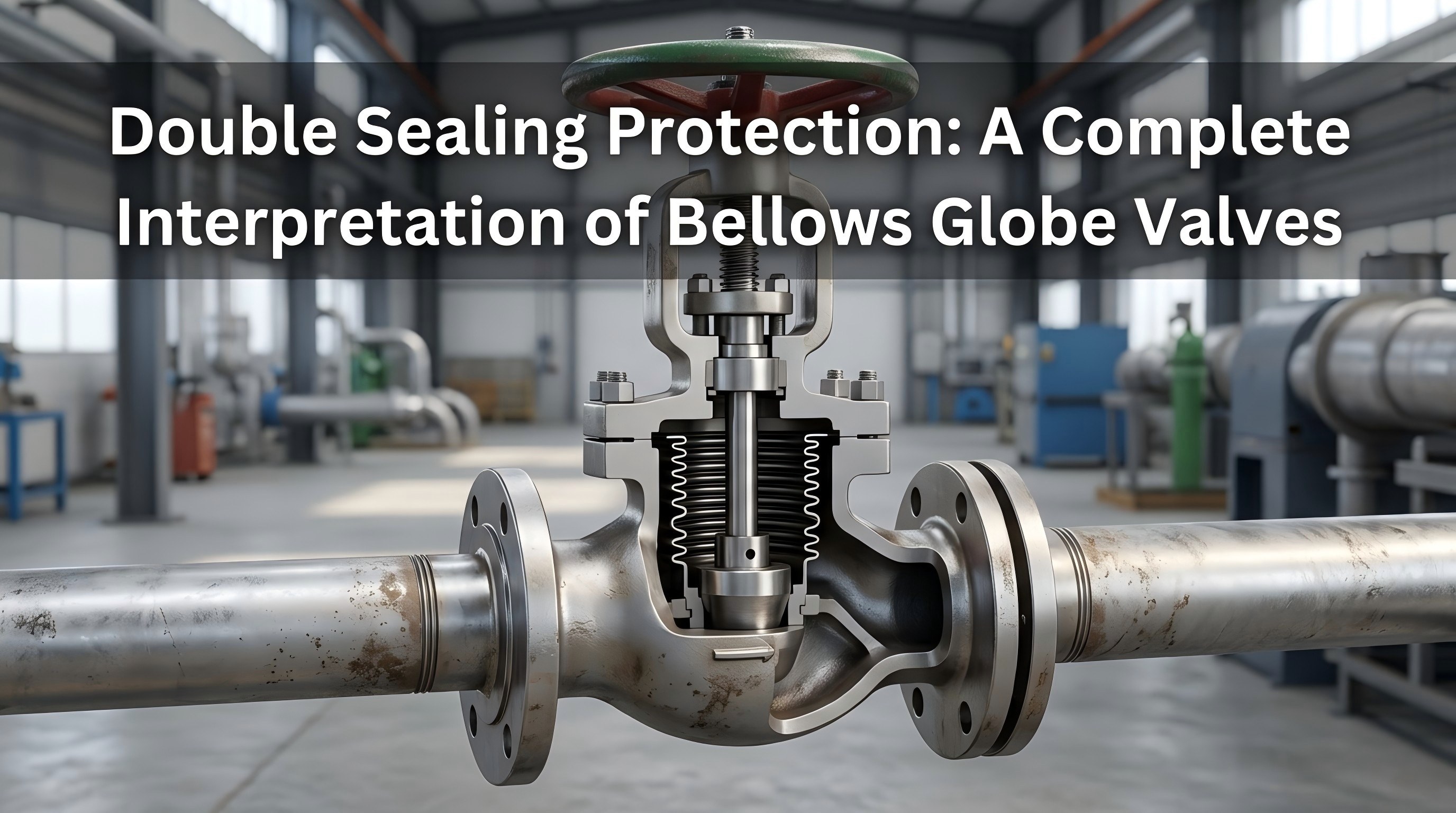 Double Sealing Protection: A Complete Interpretation of Bellows Globe Valves
  End-Suction Pump vs Inline Pumps: Which One Is Right for You?
  Method of Selecting Valve Types Based on Throttling Degree