
Case Studies, Testimonials, Proper Installation and Maintenance Guidelines of Check Valves for Steam

Case Study 1: Power Generation Plant
Background:
A large power generation plant was experiencing issues with steam turbine shutdowns due to backflow from the turbine condenser. This backflow not only caused damage to the turbine blades but also resulted in prolonged downtime and decreased overall plant efficiency.
Solution:
The plant implemented high-quality swing check valves in the steam lines leading to the turbine condenser. These check valves were specifically designed to provide tight shut-off and prevent backflow, even under high-pressure conditions.
Results:
After installing the high-quality check valves, the power generation plant experienced a significant reduction in turbine shutdowns due to backflow. The check valves effectively prevented steam from flowing back into the condenser, ensuring the uninterrupted operation of the turbine. As a result, the plant saw improved efficiency, reduced downtime, and increased overall productivity.
Testimonial:
John Smith, Chief Engineer at the power generation plant, stated, "The installation of high-quality check valves has been a game-changer for our operations. We no longer experience costly turbine shutdowns due to backflow, and our plant efficiency has improved significantly. I highly recommend these check valves for any steam system application."
Case Study 2: Food Processing Facility
Background:
A food processing facility was struggling with steam leakage issues in its sterilization equipment, leading to product contamination and compromised food safety.
Solution:
The facility replaced its existing check valves with high-quality disc check valves specifically designed for steam applications. These valves featured a robust construction and tight sealing mechanism to prevent steam leakage.
Results:
Following the installation of the high-quality disc check valves, the food processing facility saw a dramatic reduction in steam leakage and product contamination incidents. The non return valve provided reliable sealing, ensuring that steam flowed only to the sterilization equipment without backflow. As a result, the facility was able to maintain the highest standards of food safety and quality.
Testimonial:
Mary Johnson, Production Manager at the food processing facility, commented, "The high-quality disc check valves have been a lifesaver for our operations. We no longer have to worry about steam leakage and product contamination, allowing us to focus on delivering safe and high-quality products to our customers. These valves have exceeded our expectations in terms of performance and reliability."
Case Study 3: Chemical Processing Plant
Background:
A chemical processing plant was facing challenges with steam hammer in its steam distribution system, leading to equipment damage and safety hazards for workers.
Solution:
The plant implemented high-quality lift check valves in its steam distribution lines to mitigate the effects of steam hammer. These valves were designed to provide rapid closure in response to sudden pressure changes, preventing water hammer.
Results:
After installing the high-quality lift check valves, the chemical processing plant experienced a significant reduction in steam hammer incidents. The non return valve effectively prevented the transmission of pressure surges, protecting equipment from damage and ensuring worker safety. The plant saw improved system reliability and reduced maintenance costs as a result.
Testimonial:
David Lee, Plant Manager at the chemical processing plant, remarked, "The high-quality lift check valves have made a tremendous difference in our operations. We no longer have to deal with the damaging effects of steam hammer, and our equipment reliability has improved significantly. These valves have proven to be a valuable investment for our plant."
These case studies and testimonials highlight the real-world impact of high-quality check valves on steam system safety, efficiency, and reliability. From power generation plants to food processing facilities and chemical processing plants, these valves have consistently delivered superior performance and customer satisfaction.
Proper Installation and Maintenance Guidelines of Check Valves for Steam
Proper installation and regular maintenance are essential for ensuring the optimal performance, reliability, and longevity of check valves in steam systems. Here are some recommendations for the installation and maintenance of check valves:
1. Installation Techniques:
a. Proper Valve Orientation: Ensure that the check valve is installed in the correct orientation with the flow arrow pointing in the direction of steam flow. Installing the valve backwards can prevent it from functioning correctly and may lead to premature failure.
b. Avoiding Flow Obstructions: Install the check valve in a location free from any flow obstructions or restrictions. Ensure that there is sufficient clearance around the valve to allow for proper operation and maintenance access.
c. Proper Sealing: Ensure that the valve is properly sealed using appropriate sealing materials such as gaskets or sealant compounds. Tighten the valve connections to the manufacturer's specifications to prevent steam leakage.
d. Consideration of System Dynamics: Consider the dynamic conditions of the steam system, such as pressure fluctuations and water hammer, when selecting the installation location for the check valve. Install the valve in a location where it can effectively mitigate these effects without compromising performance.
2. Maintenance Tips:
a. Regular Inspection: Conduct regular visual inspections of the check valve and surrounding piping to check for signs of leaks, corrosion, or mechanical damage. Address any issues promptly to prevent further damage or system downtime.
b. Cleaning and Lubrication: Clean the valve internals periodically to remove any debris or buildup that may affect its operation. Lubricate moving parts, such as the hinge mechanism in swing check valves, to ensure smooth operation and prevent sticking or binding.
c. Testing: Perform periodic testing of the check valve to verify its functionality and tight sealing. This can be done by manually testing the valve or using diagnostic tools such as pressure gauges or flow meters to assess its performance under operating conditions.
d. Calibration: If the check valve is equipped with adjustable settings, such as cracking pressure or closing pressure, ensure that these settings are calibrated correctly according to the manufacturer's specifications. Incorrect calibration can lead to improper valve operation and reduced performance.
e. Replacement of Wear Parts: Over time, wear parts such as sealing elements or springs may degrade and require replacement to maintain optimal valve performance. Follow the manufacturer's recommended maintenance schedule for replacing wear parts to ensure continued reliability.
f. Documentation: Keep detailed records of all maintenance activities performed on the check valve, including inspection reports, maintenance schedules, and any repairs or replacements conducted. This documentation can help track the valve's performance over time and identify any recurring issues that may require attention.
By following these installation and maintenance guidelines, operators can ensure the proper functioning, reliability, and longevity of check valves in steam systems. Proper installation techniques and regular maintenance practices are essential for maximizing valve performance, preventing downtime, and ensuring the safety and efficiency of steam system operations.
 How Does a Ball Type Check Valve Prevent Pipeline Medium Backflow?
  Selection and Precautions for Natural Gas Valves
  Athena Engineering S.R.L Wraps‑up OGA 2026 Kuala Lumpur
  What is a Gate Valve? What is Its Working Principle?
  T-Type / T-Pattern / Straight Pattern Globe Valve
  Knife Gate Valve vs Wedge Gate Valve: Which Is Better for Your Industrial Piping?
  Cryogenic Ball Valve Comprehensive Product Overview
  Causes and Treatments for Poor Valve Shut‑Off
  Athena Triple Offset Butterfly Valves
  What is the Difference Between Swing Check Valve and NRV? A Complete Explanation
  Common Connection Types of Valves
  5 Piping Design Mistakes That Are Killing Your Valves
  Float Valve: Structure, Principle and Application
  High Pressure Needle Valve High-Precision Fluid Control Valve
  What is a Piston Check Valve?
  Meet Us at OGA 2026 | Booth 6802, Hall 6
  What is a Level Gauge? Working Principles, Types and Industrial Applications
 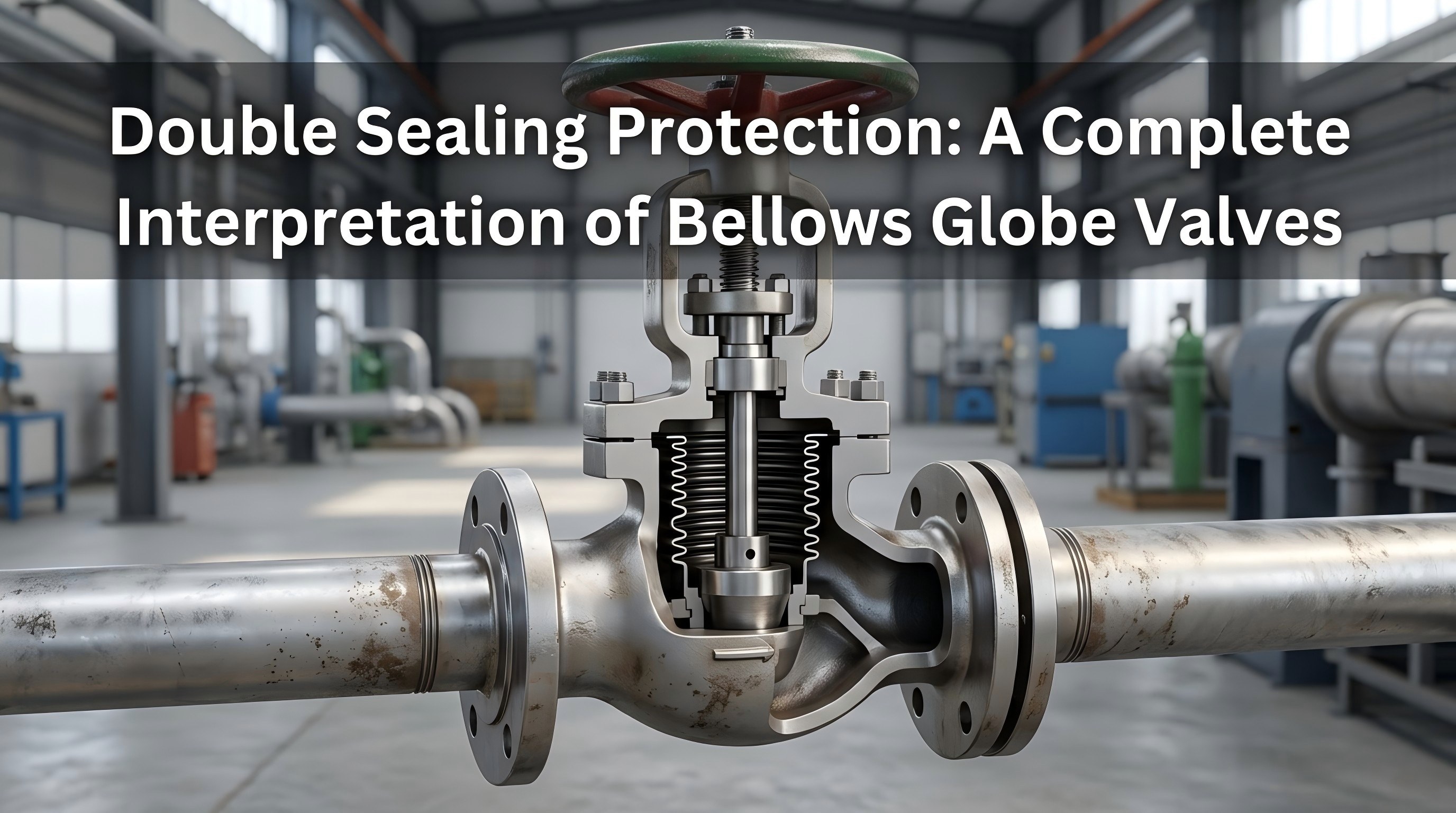 Double Sealing Protection: A Complete Interpretation of Bellows Globe Valves
  End-Suction Pump vs Inline Pumps: Which One Is Right for You?
  Method of Selecting Valve Types Based on Throttling Degree