
Lined Plug Valve: Structure, Lining Materials, Advantages and Applications
author: ATHENA GROUP
2026-04-28
A lined plug valve is a specialized quarter-turn rotary valve, which is improved on the basis of the traditional plug valve. Its core feature is that the inner surface of the valve body and the surface of the plug are covered with a corrosion-resistant, wear-resistant lining material. It is widely used in industries involving strong corrosive, toxic, high-viscosity or particle-containing media, such as chemical, pharmaceutical, food processing and wastewater treatment. This document elaborates on the lined plug valve from five key aspects to provide a comprehensive and professional explanation.
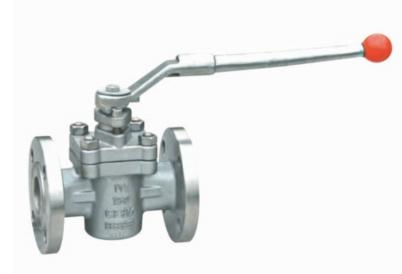
1. Structural Characteristics
The structure of the lined plug valve is composed of basic components and special lining parts, which is simple in overall structure but focuses on corrosion and wear protection. Its main structural features are as follows:
•Basic Structure: It consists of valve body, plug, stem, sealing seat, actuator and lining layer. The basic structure is consistent with the traditional plug valve, adopting a quarter-turn opening and closing mode, which is easy to operate and maintain.
•Lining Design: The inner cavity of the valve body, the contact surface of the plug and the fluid, and even the inner wall of the valve port are all lined with special materials. The lining is closely combined with the base metal (usually carbon steel or cast iron) to avoid direct contact between the corrosive medium and the base metal, thus protecting the valve body from corrosion.
•Sealing Structure: The sealing between the plug and the valve seat is realized by the lining material. Most lined plug valves adopt soft sealing or semi-soft sealing, which not only ensures the sealing performance but also reduces the operating torque, avoiding the problem of jamming caused by corrosion and wear.
•Installation and Maintenance: It is usually designed with top-entry or side-entry structure, which is convenient for on-site disassembly and maintenance. The lining layer is replaceable, which can extend the service life of the valve and reduce the use cost.
2. Common Lining Materials and Their Characteristics
The performance of the lined plug valve mainly depends on the lining material. Different lining materials have different corrosion resistance, temperature resistance and wear resistance, which are suitable for different working conditions. The common lining materials are as follows:
•PTFE (Polytetrafluoroethylene): It is the most widely used lining material, with excellent corrosion resistance (resistant to almost all strong acids, alkalis and organic solvents), good high and low temperature resistance (-200℃ to +260℃), and low friction coefficient. It is suitable for most corrosive medium occasions, but not suitable for media containing sharp particles (easy to scratch the lining).
•PFA (Perfluoroalkoxy Alkane): It is an improved material of PTFE, which has the same excellent corrosion resistance as PTFE, and has better thermal stability and processing performance. It is suitable for high-temperature and high-pressure corrosive environments, and is widely used in chemical and pharmaceutical industries.
•Rubber Lining (NBR, EPDM): It has good elasticity and sealing performance, and is suitable for low-temperature, low-pressure occasions and media containing a small amount of particles. NBR is suitable for oil-containing media, while EPDM is suitable for corrosive media such as acids and alkalis.

3. Working Principle
The working principle of the lined plug valve is basically the same as that of the traditional plug valve, which realizes the opening and closing of the valve through the quarter-turn rotation of the plug, and the lining layer plays a key role in corrosion protection and sealing during the working process:
•Opening State: When the actuator (handle, handwheel or electric/pneumatic actuator) drives the stem to rotate 90 degrees, the flow channel inside the plug is aligned with the flow channel of the valve body. The fluid flows through the valve body and the plug channel smoothly, and the lining layer isolates the fluid from the base metal of the valve, avoiding corrosion.
•Closing State: When the plug is rotated 90 degrees again, the plug blocks the flow channel of the valve body. The lining on the surface of the plug is closely attached to the lining of the valve seat, forming a reliable seal, preventing the fluid from leaking, and at the same time avoiding the direct contact between the plug and the valve seat base metal, reducing wear.
•Lubrication and Protection: For some lined plug valves used in high-viscosity or slightly abrasive media, a small amount of lubricating grease can be injected between the plug and the lining to reduce friction, improve the service life of the lining, and ensure flexible operation.
4. Core Advantages
Compared with traditional plug valves and other types of valves, lined plug valves have unique advantages, which make them irreplaceable in corrosive and harsh working conditions:
•Excellent Corrosion Resistance: The lining layer can effectively isolate corrosive media from the valve body and plug, avoiding corrosion, erosion and damage of the valve, and greatly extending the service life of the valve.
•Good Sealing Performance: The soft or semi-soft sealing structure formed by the lining material has good sealing performance, which can effectively prevent the leakage of toxic, flammable and corrosive media, ensuring the safety of production and the environment.
•Low Operating Torque: The lining material has a low friction coefficient, which reduces the friction between the plug and the valve seat, making the opening and closing operation light and labor-saving, and suitable for automatic control (electric, pneumatic actuator matching).
•Strong Adaptability to Media: Different lining materials can be selected according to the type of medium (corrosive, viscous, particle-containing), temperature and pressure, which can meet the needs of various harsh working conditions.
•Cost-Effective: The base metal of the valve body can use ordinary carbon steel or cast iron (low cost), and the lining material is used to achieve corrosion resistance, which is more economical than valves made of all corrosion-resistant alloys (such as stainless steel, Hastelloy).
5. Industrial Applications
Due to its excellent corrosion resistance and adaptability, lined plug valves are widely used in various industrial fields involving corrosive media, mainly including:
•Chemical Industry: Used in the transportation and control of corrosive media such as sulfuric acid, nitric acid, hydrochloric acid, alkali liquor and organic solvents, such as in the production process of chemical fertilizers, pesticides and dyes.
•Pharmaceutical Industry: Suitable for the transportation of pharmaceutical raw materials, intermediates and finished products, which require high corrosion resistance and cleanliness to avoid pollution of the medicine.
•Food Processing Industry: Used in the transportation of acidic, alkaline or corrosive food materials (such as fruit juice, vinegar, dairy products), the lining material is non-toxic and meets food safety standards.
•Wastewater Treatment Industry: Used in the treatment process of industrial wastewater and domestic sewage, which can resist the corrosion of various harmful substances in the wastewater and ensure the normal operation of the treatment system.
•Other Fields: It is also used in metallurgy, electroplating, papermaking and other industries, for the control of corrosive media such as plating solution, pulp and chemical additives.

6. Conclusion
As a specialized corrosion-resistant valve, the lined plug valve combines the advantages of simple structure, convenient operation and reliable sealing of the traditional plug valve, and solves the problem of corrosion of the valve in harsh working conditions through the special lining design. With the continuous development of lining material technology, the performance of lined plug valves is constantly improved, and their application scope is also expanding. They have become an important part of fluid control systems in various corrosive industrial fields, providing a safe, reliable and economical solution for fluid transportation and control.
 How Does a Ball Type Check Valve Prevent Pipeline Medium Backflow?
  Selection and Precautions for Natural Gas Valves
  Athena Engineering S.R.L Wraps‑up OGA 2026 Kuala Lumpur
  What is a Gate Valve? What is Its Working Principle?
  T-Type / T-Pattern / Straight Pattern Globe Valve
  Knife Gate Valve vs Wedge Gate Valve: Which Is Better for Your Industrial Piping?
  Cryogenic Ball Valve Comprehensive Product Overview
  Causes and Treatments for Poor Valve Shut‑Off
  Athena Triple Offset Butterfly Valves
  What is the Difference Between Swing Check Valve and NRV? A Complete Explanation
  Common Connection Types of Valves
  5 Piping Design Mistakes That Are Killing Your Valves
  Float Valve: Structure, Principle and Application
  High Pressure Needle Valve High-Precision Fluid Control Valve
  What is a Piston Check Valve?
  Meet Us at OGA 2026 | Booth 6802, Hall 6
  What is a Level Gauge? Working Principles, Types and Industrial Applications
  Double Sealing Protection: A Complete Interpretation of Bellows Globe Valves
  End-Suction Pump vs Inline Pumps: Which One Is Right for You?
  Method of Selecting Valve Types Based on Throttling Degree