
Is a Ball Valve an Isolation Valve? Understanding the Differences and Applications
2024-10-28
When discussing valves in fluid control systems, the terms "isolation valve" and "ball valve" often arise. This article will explore whether a ball valve qualifies as an isolation valve, examine different types of isolation valves, and highlight the distinctions between isolation valves and ball valves. By the end, you'll have a comprehensive understanding of these essential components in piping systems, their applications, and their advantages.
What Is a Ball Valve?
A ball valve is a type of quarter-turn valve that uses a hollow, perforated, and pivoting ball to control fluid flow. When the ball's hole aligns with the flow path, the valve is open; when it is perpendicular to the flow, the valve is closed. Ball valves are known for their durability, reliability, and ability to maintain a tight seal, making them popular in various industries, including oil and gas, water treatment, and chemical processing.
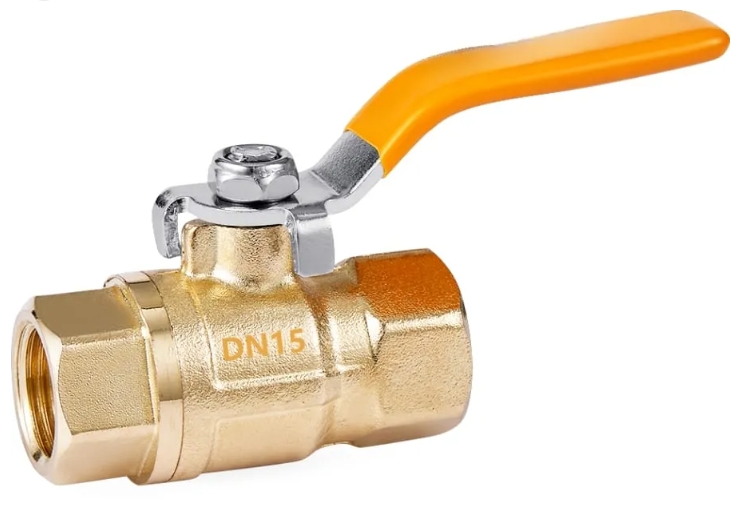
Is a Ball Valve an Isolation Valve?
Yes—a ball valve can serve as an isolation valve. Isolation valves are designed to stop the flow of fluid in a pipeline, allowing for maintenance or repairs without affecting the entire system. Ball valves are particularly effective as isolation valves because they provide a tight seal and can be quickly operated with a simple turn of the handle.
However, it’s essential to note that not all ball valves are intended for isolation purposes. Some are designed for throttling, which allows for flow control rather than complete shut-off. Therefore, while a ball valve can function as an isolation valve, its specific design and intended use should be considered.

What Type of Valve Is an Isolation Valve?
Isolation valves come in several types, each designed for specific applications.
Here are some common types:
Gate Valves: These are commonly used as isolation valves in pipelines. They offer minimal flow resistance and can be fully opened or closed. However, they are not ideal for applications requiring frequent operation.
Globe Valves: Known for their throttling capabilities, globe valves can also function as isolation valves. They offer better flow control than gate valves but come with higher resistance when fully opened.
Ball Valves: As mentioned earlier, ball valves can effectively serve as isolation valves due to their ability to provide a tight seal and quick operation.
Butterfly Valves: These valves are used for on-off control and isolation in large-diameter pipes. They are lightweight and require less space compared to gate and globe valves.
Check Valves: While primarily designed to prevent backflow, certain configurations can serve isolation purposes in specific applications.

Differences Between Isolation Valve and Ball Valve:
While ball valves can serve as isolation valves, there are key differences between the two:
| Ball Valve | Isolation Valve | |
| Functionality | Primarily designed for on/off control of fluid flow. They can provide quick shut-off with minimal leakage. | Specifically designed to isolate sections of a piping system. Isolation valves can include various types, such as gate, globe, and ball valves. |
| Flow Control | Offers limited throttling capability; not suitable for controlling flow rates. | Can be designed for throttling (e.g., globe valves), allowing for precise flow regulation. |
| Design | Typically has a spherical closure element (the ball) that rotates to open or close the valve. | May have various designs (e.g., gate, globe) depending on the specific requirements of the application. |
| Applications | Ideal for applications requiring rapid on/off control, such as in oil and gas pipelines or water distribution systems. | Used in situations where maintenance or repair is necessary without interrupting the flow in the entire system. |
Advantages of Ball Valves as Isolation Valves
Quick Operation: Ball valves can be opened or closed with a quarter turn, making them suitable for quick isolation of sections in a system.
Low Pressure Drop: They provide minimal flow resistance when fully open, allowing for efficient fluid transport.
Durability: Ball valves are generally resistant to wear and corrosion, making them suitable for harsh environments.
Leakage Prevention: When fully closed, ball valves create a tight seal, significantly reducing the chance of leaks.
Low Pressure Drop: They provide minimal flow resistance when fully open, allowing for efficient fluid transport.
Durability: Ball valves are generally resistant to wear and corrosion, making them suitable for harsh environments.
Leakage Prevention: When fully closed, ball valves create a tight seal, significantly reducing the chance of leaks.
When to Use Ball Valves as Isolation Valves
Using ball valves as isolation valves is particularly advantageous in applications that require rapid shutdowns.
Common scenarios include:
Pipeline Maintenance: When a section of the pipeline requires repair, a ball valve can quickly isolate the area.
Chemical Processing: In systems where hazardous materials are handled, ensuring a reliable seal is critical for safety.
Water Supply Systems: Ball valves can be used to isolate sections of the distribution network for maintenance or emergency response.
Chemical Processing: In systems where hazardous materials are handled, ensuring a reliable seal is critical for safety.
Water Supply Systems: Ball valves can be used to isolate sections of the distribution network for maintenance or emergency response.
Potential Limitations of Ball Valves as Isolation Valves
While ball valves are effective isolation valves, they do have some limitations:
Not Ideal for Throttling: Ball valves are not designed for flow regulation; using them for throttling can lead to damage and reduced performance.
Limited Use in Certain Applications: In high-pressure or high-temperature applications, other types of isolation valves, such as gate valves, may be more suitable.
Limited Use in Certain Applications: In high-pressure or high-temperature applications, other types of isolation valves, such as gate valves, may be more suitable.
FAQs
1. Can a ball valve be used for throttling?
While ball valves can technically be used for throttling, they are not recommended for this purpose due to the potential for damage and reduced sealing capabilities.
While ball valves can technically be used for throttling, they are not recommended for this purpose due to the potential for damage and reduced sealing capabilities.
2. How do I choose the right isolation valve for my application?
Consider factors such as pressure, temperature, fluid type, and the specific requirements of your system. Consulting with a valve specialist can also provide valuable insights.
Consider factors such as pressure, temperature, fluid type, and the specific requirements of your system. Consulting with a valve specialist can also provide valuable insights.
3. Are there maintenance requirements for ball valves?
Ball valves generally require minimal maintenance. However, regular inspections and lubrication of the stem may be necessary to ensure smooth operation.
Ball valves generally require minimal maintenance. However, regular inspections and lubrication of the stem may be necessary to ensure smooth operation.
Conclusion
In conclusion, a ball valve can indeed function as an isolation valve, making it a versatile component in fluid control systems. While there are various types of isolation valves, ball valves stand out for their quick operation and tight sealing capabilities. Understanding the differences between ball valves and other isolation valves can help in selecting the right type for your specific application.
For optimal performance, it’s essential to consider the intended use, operating conditions, and maintenance requirements when selecting an isolation valve. By doing so, you can ensure that your piping systems operate efficiently and safely.
Athena is a leading manufacturer renowned for its high-quality ball valves, designed to meet the diverse needs of various industries, including oil and gas, water treatment, and chemical processing. With a commitment to innovation and excellence, Athena employs advanced manufacturing techniques and rigorous quality control processes to ensure durability and reliability in every product. Our extensive range of ball valves is tailored to provide optimal performance in even the most demanding environments. Discover the difference that quality makes—visit Athena Valve today and explore our exceptional offerings.
 How Does a Ball Type Check Valve Prevent Pipeline Medium Backflow?
  Selection and Precautions for Natural Gas Valves
  Athena Engineering S.R.L Wraps‑up OGA 2026 Kuala Lumpur
  What is a Gate Valve? What is Its Working Principle?
  T-Type / T-Pattern / Straight Pattern Globe Valve
  Knife Gate Valve vs Wedge Gate Valve: Which Is Better for Your Industrial Piping?
  Cryogenic Ball Valve Comprehensive Product Overview
  Causes and Treatments for Poor Valve Shut‑Off
  Athena Triple Offset Butterfly Valves
  What is the Difference Between Swing Check Valve and NRV? A Complete Explanation
  Common Connection Types of Valves
  5 Piping Design Mistakes That Are Killing Your Valves
  Float Valve: Structure, Principle and Application
  High Pressure Needle Valve High-Precision Fluid Control Valve
  What is a Piston Check Valve?
  Meet Us at OGA 2026 | Booth 6802, Hall 6
  What is a Level Gauge? Working Principles, Types and Industrial Applications
  Double Sealing Protection: A Complete Interpretation of Bellows Globe Valves
  End-Suction Pump vs Inline Pumps: Which One Is Right for You?
  Method of Selecting Valve Types Based on Throttling Degree