
In-Depth Guide to Vertical Lift Check Valve
2025-06-25
In fluid systems ranging from water treatment plants to oil and gas pipelines, maintaining unidirectional flow is critical to ensure safety, efficiency, and equipment longevity. Vertical lift check valves (VLCVs) are a fundamental solution designed to prevent backflow by allowing fluid to move in only one direction. Their unique design enables smooth operation with minimal pressure loss, making them popular across industries.
This comprehensive article explores the detailed working principles, advantages, limitations, applications, installation practices, and maintenance of vertical lift check valves. Furthermore, we will introduce Athena Engineering, a top-tier manufacturer specializing in vertical lift check valves, highlighting their superior manufacturing quality, customization capabilities, and global certifications.
1. What is a Vertical Lift Check Valve?
1.1 Definition and Basic Principle
A vertical lift check valve is a type of check valve in which the disc moves vertically off its seat to allow forward flow and returns downward onto the seat to prevent reverse flow. Unlike swing check valves that rotate on a hinge, VLCVs operate by lifting the disc along a guide, which ensures precise movement and alignment.
The valve opens when upstream pressure overcomes the cracking pressure (minimum pressure required to open the valve), allowing fluid to flow. When the upstream pressure falls or flow reverses, gravity and backpressure push the disc back down to seal the valve tightly.

1.2 Design Features
Disc and Seat Mechanism: The disc is often guided by a stem or guide rods to maintain alignment during operation.
Vertical Orientation: Designed strictly for vertical installation, with the flow moving upward through the valve.
Material Construction: Typically made of durable metals such as stainless steel, cast steel, or bronze, with seats made from metal or elastomers depending on application.
1.3 Variations of Vertical Lift Check Valves
Standard Vertical Lift Check Valve: Relies solely on gravity and pressure for operation; suitable for systems with consistent flow rates and pressures.
Spring-Assisted Vertical Lift Check Valve: Equipped with springs to assist closure, particularly useful in systems with low backpressure or varying flow conditions.
Silent Vertical Lift Check Valve: Incorporates design enhancements such as cushioning mechanisms or special disc profiles to reduce noise and vibration caused by sudden valve closure.
Athena Engineering’s Expertise
Athena Engineering produces all these types of vertical lift check valves, applying precision machining and advanced materials to ensure consistent, leak-free performance even in demanding environments. Their valves include advanced guide and disc designs to minimize wear and extend service life.
2. Advantages of Vertical Lift Check Valves
Vertical lift check valves offer several benefits that make them a preferred choice in many industrial and municipal systems.
2.1 Reliable Backflow Prevention
The guided vertical disc ensures a tight seal when closed, effectively preventing reverse flow which can damage pumps, compressors, or contaminate clean fluids. The precise alignment reduces the risk of valve misseating.
2.2 Low Pressure Drop and High Flow Efficiency
Because the valve opens fully with the disc lifting vertically out of the flow path, there is minimal obstruction to fluid passage. This results in lower pressure drop compared to other check valve types like swing or ball check valves, improving pump efficiency and reducing energy costs.
2.3 Durability and Longevity
Constructed from corrosion-resistant materials such as stainless steel or alloy steels, VLCVs withstand high pressures, temperature fluctuations, and aggressive media. Athena Engineering uses stringent material selection and heat treatment processes to enhance valve longevity and corrosion resistance.
2.4 Versatility Across Applications
Vertical lift check valves perform well in diverse environments, including:
Water and wastewater treatment plants
Steam and condensate return lines
Oil and gas pipelines
Chemical processing plants
Power generation facilities
2.5 Ease of Maintenance
The design allows relatively simple disassembly for inspection and maintenance. Athena Engineering’s valves are designed for easy access to internal components, with modular parts for quick replacement, minimizing downtime.
2.6 Enhanced Safety Features
Vertical lift check valves prevent dangerous water hammer effects and pressure surges better than some other check valve types when properly installed, contributing to system safety.
3. Disadvantages and Limitations
While vertical lift check valves offer many benefits, it’s important to recognize their limitations to make informed system design choices.
3.1 Strict Orientation Requirements
VLCVs must be installed vertically with flow moving upward. Improper installation orientation can cause valve malfunction, leakage, or damage due to misalignment or debris accumulation.
3.2 Size and Weight
Vertical lift check valves tend to be larger and heavier compared to wafer-style check valves for the same diameter, which can affect piping layout and require more support.
3.3 Not Suitable for Pulsating or Low Flow Systems
Because the valve relies on pressure differential and gravity, systems with pulsating flow or very low flow velocity may experience valve flutter or chatter, potentially causing noise or wear.
3.4 Higher Initial Cost
Compared with simpler swing check valves, vertical lift check valves often have a higher upfront cost due to their complexity and materials, though this is offset by their longevity and reliability.
Athena Engineering provides cost-effective options without compromising quality, backed by global certifications and custom engineering support to ensure valve choice fits specific system needs.
4. Applications of Vertical Lift Check Valves
4.1 Water Treatment and Distribution Systems
VLCVs prevent reverse flow that could contaminate potable water supplies or damage pumps in treatment plants and municipal pipelines.
4.2 Steam and Condensate Lines
Used extensively in steam boiler systems to prevent backflow of condensate, protecting boiler integrity and enhancing energy efficiency.
4.3 Oil and Gas Industry
They are used in pipeline and processing equipment to protect expensive pumps and compressors from reverse flow and potential damage.
4.4 Power Plants and Industrial Processes
VLCVs maintain unidirectional flow in cooling water circuits, feedwater lines, and various chemical processes where precision and reliability are paramount.
4.5 Fire Protection Systems
In fire water pump discharge lines, vertical lift check valves ensure immediate closure upon pump shutdown, preventing water backflow and maintaining system readiness.
Athena Engineering’s valves are designed for these demanding sectors, offering tailored materials, sizes, and pressure ratings to match industry standards such as API, ANSI, and ISO.
5. Installation Best Practices
Correct installation is critical to maximizing valve performance and service life.
5.1 Ensure Proper Orientation
Always install the valve vertically with the flow arrow pointing upward.
Verify that the valve is free from stress due to piping misalignment.
5.2 Provide Adequate Support
Vertical lift check valves can be heavy, so use pipe hangers and supports to avoid stressing the valve body or stem.
5.3 Maintain Clean Pipelines
Install strainers upstream to prevent debris from damaging the seat or disc.
Inspect pipelines for sediment or scale before valve installation.
5.4 Follow Manufacturer Guidelines
Athena Engineering provides detailed installation manuals and CAD drawings for precise alignment.
Use torque specifications and gasket recommendations to ensure leak-free connections.
6. Maintenance and Troubleshooting
Routine maintenance is essential for reliable valve operation.
6.1 Inspection Schedule
Visual inspections every 6 months to check for corrosion, leakage, or damage.
Functional tests to ensure smooth disc movement and proper sealing.
6.2 Cleaning and Replacement
Clean seats and discs to remove deposits or corrosion.
Replace worn-out seals, gaskets, or springs as needed.
6.3 Common Issues and Solutions
| Issue | Cause | Solution |
| Leakage | Worn seat or debris | Clean or replace seat; install strainers |
| Valve Stuck Open/Closed | Corrosion or sediment build-up | Clean internals; replace damaged parts |
| Noise/Vibration | Water hammer or improper sizing | Add cushioning devices; consult Athena for valve sizing |
| Valve Flutter | Low flow velocity | Use spring-assisted VLCV |
Athena Engineering offers spare parts kits and technical support to guide customers through troubleshooting and repairs.
7. Material Selection and Valve Specifications
Materials significantly impact valve performance depending on the application.
| Application | Common Valve Body Material | Seat Material | Temperature Range |
| Potable Water | Stainless Steel 316 | EPDM or NBR | Up to 80°C |
| Steam | Carbon Steel or Stainless Steel | Metal-to-metal | Up to 450°C |
| Oil & Gas | Alloy Steel, Stainless Steel | Metal or PTFE | High pressures/temp |
| Chemical Processing | Duplex Stainless Steel, Hastelloy | PTFE or Viton | Corrosive conditions |
| Wastewater | Ductile Iron with Epoxy Coating | Buna-N | Moderate temps |
Athena Engineering produces valves with a broad range of materials, all certified to meet international standards including API 594, ISO 9001, and CE.
8. Why Choose Athena Engineering for Vertical Lift Check Valves?
8.1 Manufacturing Excellence
Athena Engineering equipped with CNC machining, precision casting, and advanced testing laboratories.
8.2 Product Quality and Certification
All valves undergo strict quality control and pressure testing.
Compliance with ISO 9001, CE, API, and other global standards.
Use of premium raw materials ensures corrosion resistance and mechanical strength.
8.3 Customization and Flexibility
Athena works closely with clients to provide:
Customized valve sizes up to DN1200 and higher
Special material grades for extreme environments
OEM branding and packaging
Technical consultation and engineering support
8.4 Competitive Pricing and Lead Times
Athena combines efficient manufacturing processes with lean logistics to offer competitive pricing and short delivery times, even for large-scale projects.
8.5 Global Customer Support
24/7 technical assistance
Comprehensive after-sales service
Spare parts availability worldwide
9. Case Study: Athena Vertical Lift Check Valves in a Thermal Power Plant
A thermal power plant in Southeast Asia faced recurrent damage to their boiler feedwater pumps due to backflow issues. After installing Athena Engineering’s stainless steel vertical lift check valves with enhanced seating and guided discs, they observed:
90% reduction in pump failures
Extended valve maintenance intervals from 6 to 18 months
Significant reduction in noise and vibration complaints
Athena provided on-site installation training and custom valve sizing, ensuring seamless integration into the existing pipeline.
10. Frequently Asked Questions (FAQs)
Q1: Can vertical lift check valves be installed horizontally?
No. They must be installed vertically with upward flow to function correctly.
Q2: How do I size a vertical lift check valve for my system?
Consult flow rates, pressure ratings, and Athena’s sizing charts or request engineering support for precise selection.
Consult flow rates, pressure ratings, and Athena’s sizing charts or request engineering support for precise selection.
Q3: What is the typical service life of a vertical lift check valve?
With proper maintenance and quality manufacturing (like Athena’s), valves can last 10–20 years or more.
With proper maintenance and quality manufacturing (like Athena’s), valves can last 10–20 years or more.
Q4: Are Athena Engineering’s vertical lift check valves suitable for corrosive fluids?
Yes. They offer valves made from duplex stainless steel and other corrosion-resistant alloys.
Yes. They offer valves made from duplex stainless steel and other corrosion-resistant alloys.
Q5: How do I request a quote or sample from Athena Engineering?
Contact Athena’s global sales team via their website or authorized distributors.
Contact Athena’s global sales team via their website or authorized distributors.
Conclusion
Vertical lift check valves are indispensable components in ensuring safe, efficient, and reliable fluid flow in numerous industries. Their precise operation, durability, and low pressure loss make them ideal for critical applications where backflow prevention is non-negotiable.
Partnering with a trusted manufacturer like Athena Engineering, a leading supplier of high-quality vertical lift check valves, guarantees superior products engineered to meet the highest standards. Athena’s commitment to customization, quality assurance, and global support ensures your fluid system remains protected and efficient.
Whether designing a water treatment plant, steam system, or oil pipeline, choosing Athena Engineering’s vertical lift check valves means investing in safety, reliability, and long-term performance.
Contact Athena Engineering today to discuss your project requirements, request detailed technical specifications, or obtain competitive quotations.
 How Does a Ball Type Check Valve Prevent Pipeline Medium Backflow?
  Selection and Precautions for Natural Gas Valves
  Athena Engineering S.R.L Wraps‑up OGA 2026 Kuala Lumpur
  What is a Gate Valve? What is Its Working Principle?
  T-Type / T-Pattern / Straight Pattern Globe Valve
  Knife Gate Valve vs Wedge Gate Valve: Which Is Better for Your Industrial Piping?
  Cryogenic Ball Valve Comprehensive Product Overview
  Causes and Treatments for Poor Valve Shut‑Off
  Athena Triple Offset Butterfly Valves
  What is the Difference Between Swing Check Valve and NRV? A Complete Explanation
  Common Connection Types of Valves
  5 Piping Design Mistakes That Are Killing Your Valves
  Float Valve: Structure, Principle and Application
  High Pressure Needle Valve High-Precision Fluid Control Valve
  What is a Piston Check Valve?
  Meet Us at OGA 2026 | Booth 6802, Hall 6
  What is a Level Gauge? Working Principles, Types and Industrial Applications
 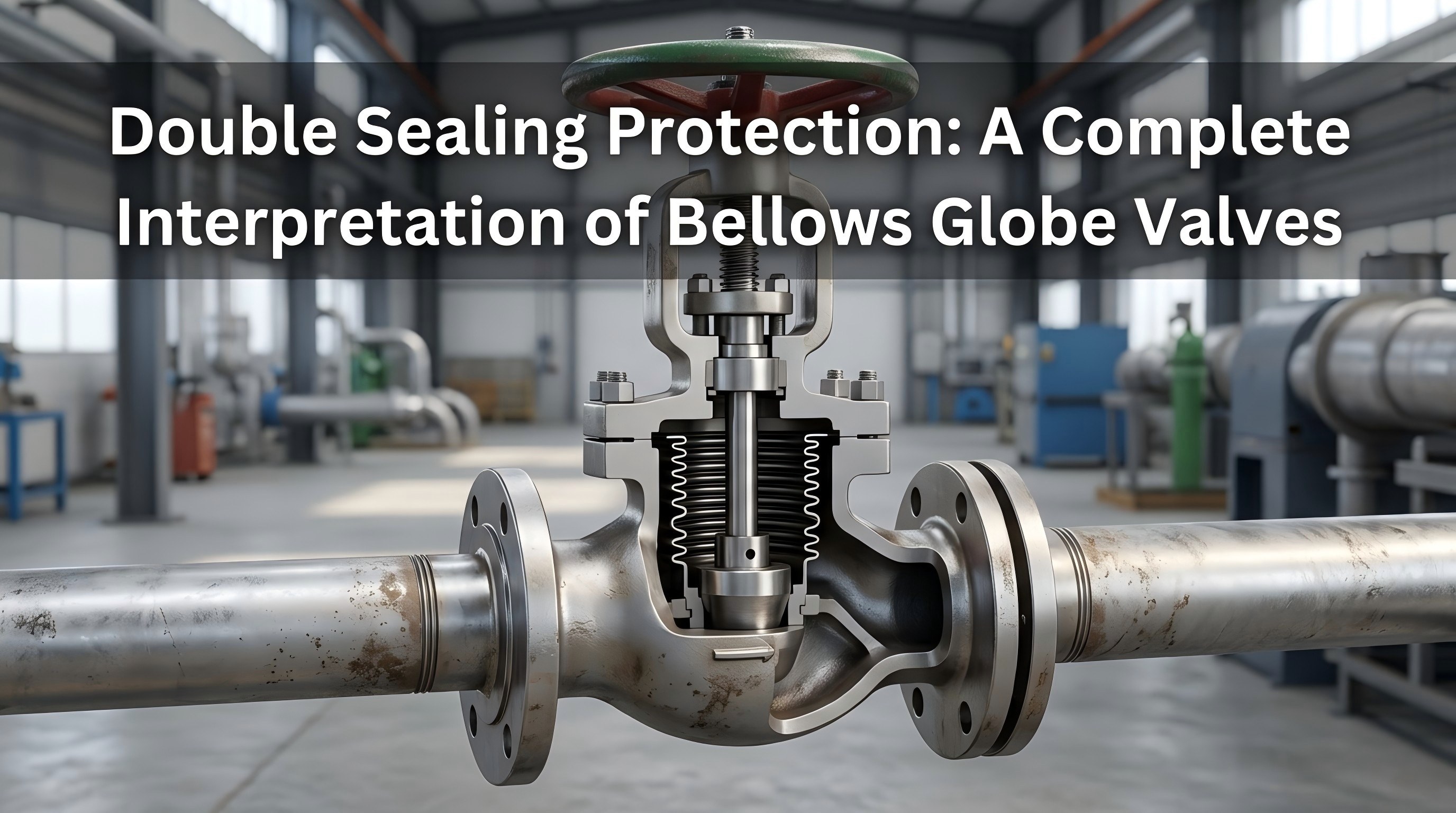 Double Sealing Protection: A Complete Interpretation of Bellows Globe Valves
  End-Suction Pump vs Inline Pumps: Which One Is Right for You?
  Method of Selecting Valve Types Based on Throttling Degree