
How to Repair a Leaking Ball Valve: Targeted Solutions for Common Leaks
author: ATHENA GROUP
2026-04-03
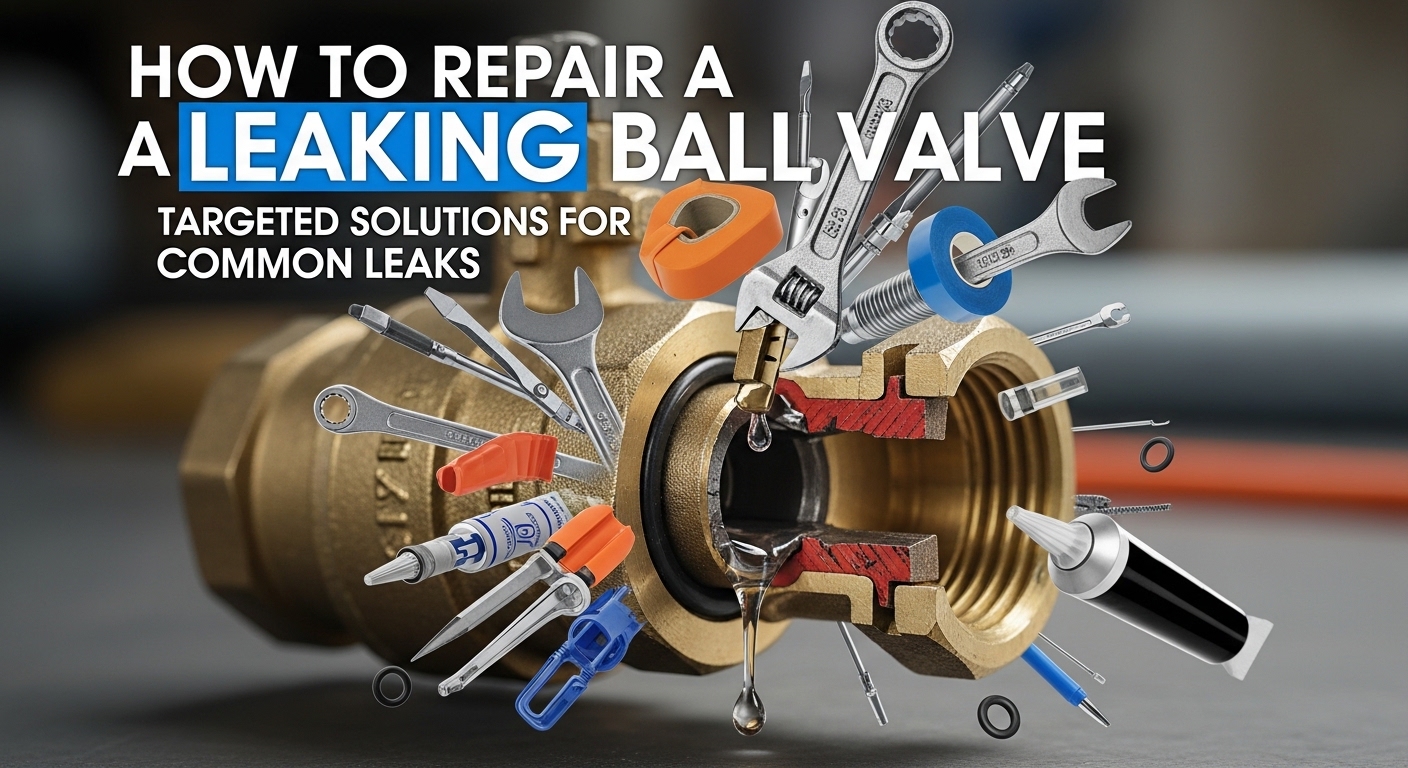
- Ball valves are essential in plumbing systems, but leaks often occur from worn seals, loose fittings, sediment, or damaged stems, leading to water waste, higher costs, and safety risks. Most minor leaks can be fixed with basic tools without professional help. This guide offers a concise method to identify and repair common leaks, along with safety and preventive measures.

Safety Protocol: Isolate the Supply and Locate the Leak
- Shut off the fluid supply first. For water lines, close the main valve and drain water via a nearby faucet. For gas leaks, immediately shut off the main supply, ventilate the area, remove ignition sources, and call a licensed technician—do not attempt repairs. Then inspect to find the leak source: threaded/flange connections, valve stem, or valve body. Targeted repairs avoid unnecessary disassembly.
Step-by-Step Repair Procedures for Common Leaks
1.Leaks at End Connections (Simplest Repair)
This common issue is often due to loose fittings or worn sealant.
- Tools: Adjustable wrench, PTFE tape, and pipe thread sealant (for metal/gas lines).
- Procedure: Tighten the fitting moderately to avoid cracking. If leaking continues, disconnect, clean old sealant, and wrap male threads with 3–5 clockwise layers of PTFE tape (add sealant for metal/gas lines). Reattach securely. For flange valves, replace cracked gaskets and re-tighten bolts in a crisscross pattern.
2.Stem leaks are caused by worn packing gaskets or O-rings from use or pressure.
- Tools: screwdriver, adjustable wrench, replacement seal.
- Procedure: Remove handle by loosening set screw. Slightly loosen packing nut, extract old seal, clean stem and cavity, install new seal. Hand-tighten nut, then add an eighth turn with wrench. Reattach handle. Test valve; if leaking, tighten nut incrementally, avoiding over-tightening to prevent stiff operation.
3. Leaks Through the Valve Body
- A leak when the valve is closed indicates damage to the internal ball or seat, often from sediment or wear. Most ball valves are non-serviceable, so options are limited. Minor fix: Disconnect, flush with water, and gently clean the ball and seat with a soft brush, avoiding scratches. Reattach. Permanent solution: If cleaning fails, replace the valve. Remove the old valve with wrenches, install a replacement with PTFE tape or sealant. For soldered copper pipes, solder the new valve open to prevent seal damage.
Essential Prevention Strategies
- Select brass or stainless steel valves for durability and corrosion resistance; avoid plastic models. Avoid over-tightening to prevent seal and valve damage. Flush systems periodically to stop debris buildup. Inspect annually for corrosion or loose fittings, addressing issues promptly. Lubricate stems of frequently used valves yearly with food-grade silicone to preserve seals.
Final Note
Most ball valve leaks can be fixed in 30 minutes with basic tools if safety procedures are followed and leaks are accurately identified. For gas lines or complex plumbing, rely on professionals to avoid hazards. Regular gentle use and inspections keep valves reliable long-term. Check local codes before DIY, as some areas require licensed pros for main lines.
 How Does a Ball Type Check Valve Prevent Pipeline Medium Backflow?
  Selection and Precautions for Natural Gas Valves
  Athena Engineering S.R.L Wraps‑up OGA 2026 Kuala Lumpur
  What is a Gate Valve? What is Its Working Principle?
  T-Type / T-Pattern / Straight Pattern Globe Valve
  Knife Gate Valve vs Wedge Gate Valve: Which Is Better for Your Industrial Piping?
  Cryogenic Ball Valve Comprehensive Product Overview
  Causes and Treatments for Poor Valve Shut‑Off
  Athena Triple Offset Butterfly Valves
  What is the Difference Between Swing Check Valve and NRV? A Complete Explanation
  Common Connection Types of Valves
  5 Piping Design Mistakes That Are Killing Your Valves
  Float Valve: Structure, Principle and Application
  High Pressure Needle Valve High-Precision Fluid Control Valve
  What is a Piston Check Valve?
  Meet Us at OGA 2026 | Booth 6802, Hall 6
  What is a Level Gauge? Working Principles, Types and Industrial Applications
 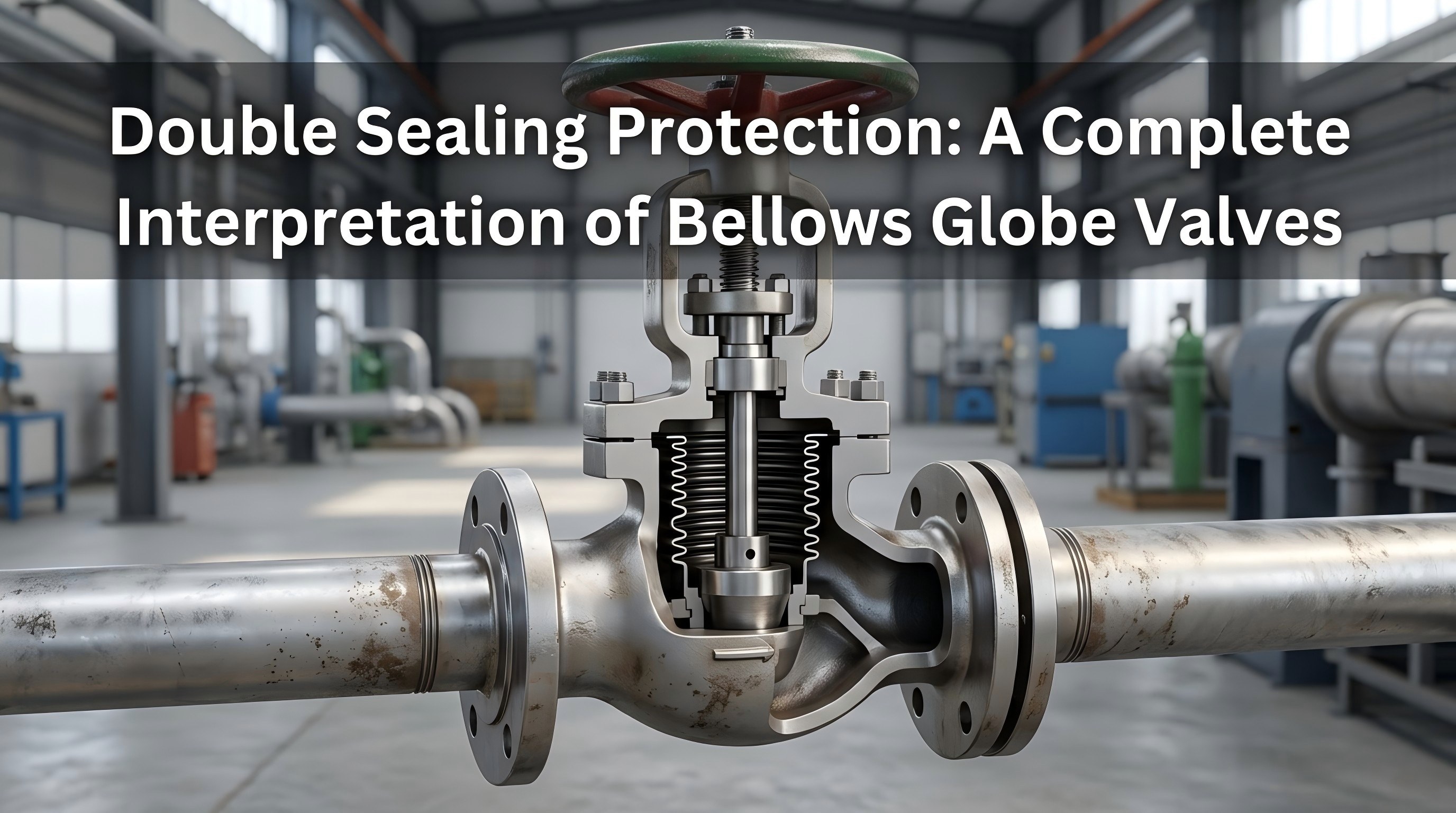 Double Sealing Protection: A Complete Interpretation of Bellows Globe Valves
  End-Suction Pump vs Inline Pumps: Which One Is Right for You?
  Method of Selecting Valve Types Based on Throttling Degree