
How to Conduct the Low-temperature Performance Test of Valves?
author: ATHENA GROUP
2026-03-28
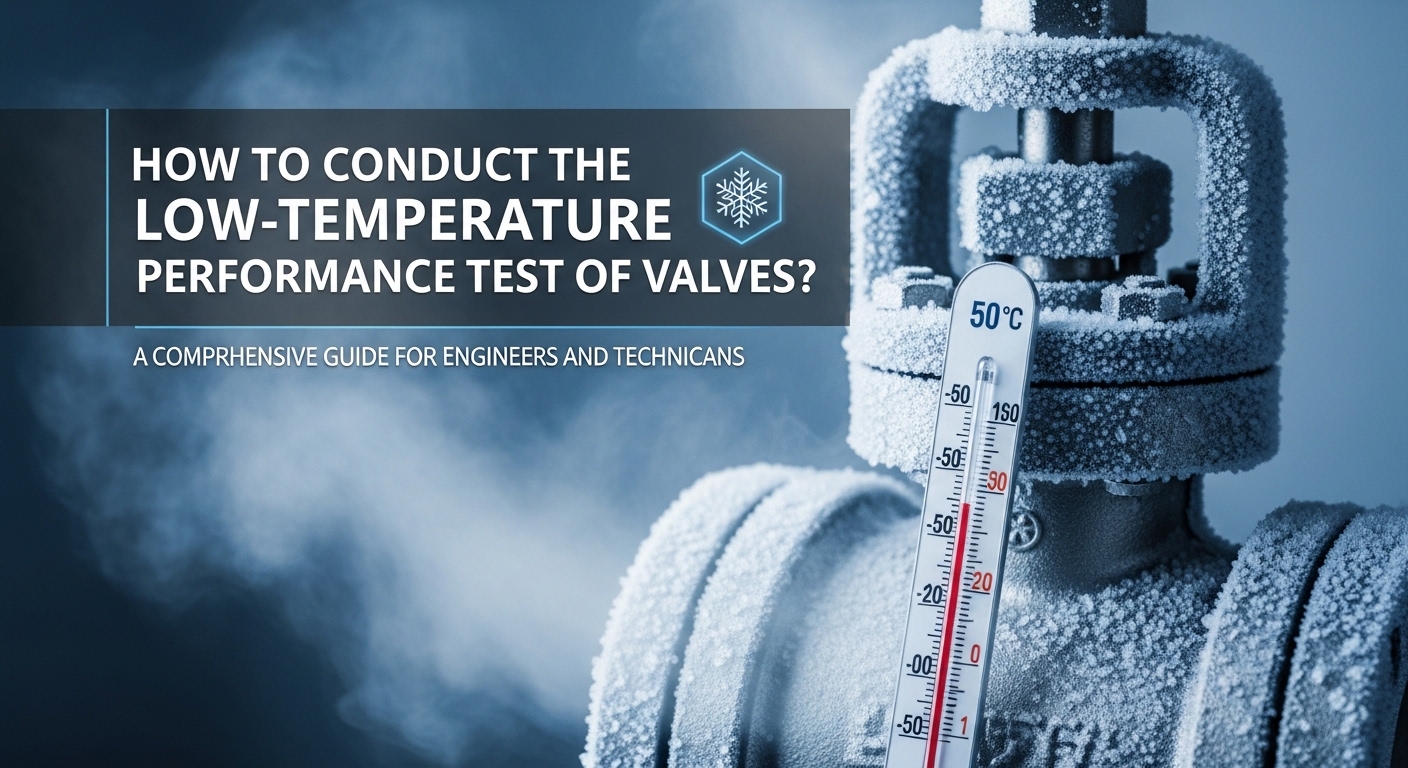
Valves, as key components in industrial systems, their stability and durability in extreme environments are of utmost importance. Among them, the low-temperature performance test is a necessary step to ensure that valves can operate normally in extremely cold conditions. This article will delve into the principles, standards, and significance of valve low-temperature performance tests, as well as how to conduct such tests.
I.The purpose of the low-temperature performance test
The low-temperature performance test of the valve is designed to verify whether the valve can maintain its sealing performance when operating at temperatures lower than its designed working temperature, preventing liquid freezing or gas leakage, and also testing the risk of cold embrittlement of the material. This is crucial for the safe operation and service life of the equipment.
II. Test Standards and Specifications
Valve low-temperature tests are usually conducted in accordance with international and industry standards, such as ASME B16.34 (American Society of Mechanical Engineers), EN 1502 (European Standard), or API 607 (American Petroleum Institute), etc. These standards specify the low-temperature range, test methods and cycles to ensure that the valves meet the requirements of specific applications.

III. Test Procedure
1. Pre-cooling stage: First, place the valve in a low-temperature environment to allow its internal materials to fully cool down, simulating the actual operating conditions.
2. Sealing test: Conduct a pressure sealing test at low temperatures to check if there is any leakage when the valve is closed.
3. Operation cycle: Perform multiple opening and closing operations at low temperatures to evaluate the dynamic performance of the valve under low-temperature conditions.
4. Material analysis: Take samples to analyze the microstructural changes of the material and confirm its tolerance to low temperatures.
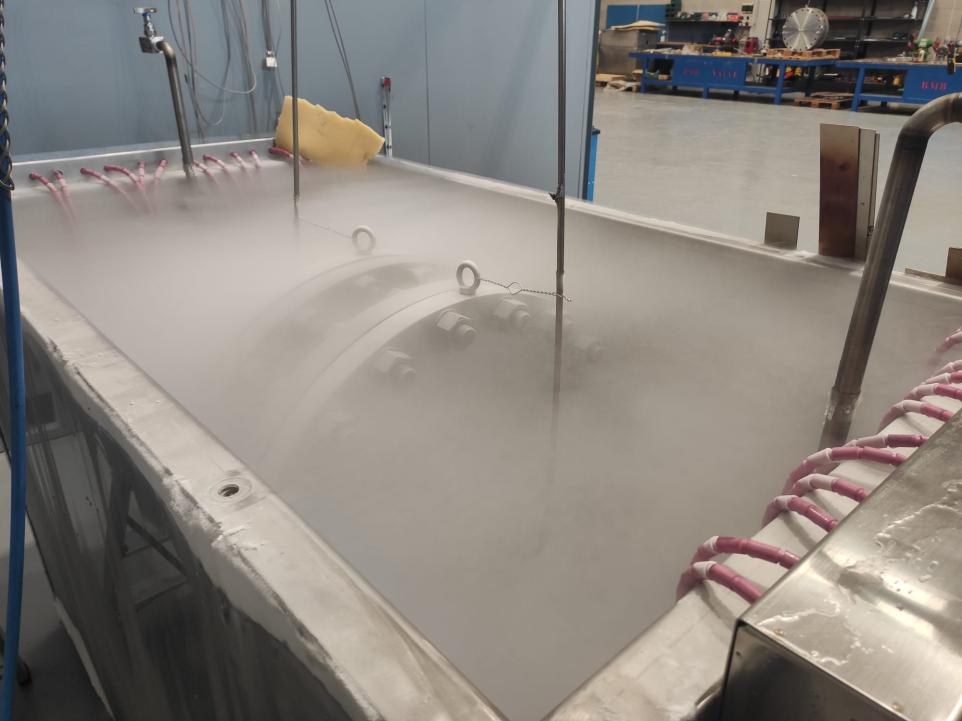
IV. Evaluation of Test Results
By comparing the performance indicators before and after the test, such as pressure drop, leakage rate and mechanical properties, it is determined whether the valve can meet the low-temperature working conditions. If the results are in line with expectations, the valve is considered to have good low-temperature performance; otherwise, improvements in design or material selection may be necessary.

V. Application Areas and Maintenance
The low-temperature performance test of valves is particularly important in fields such as petroleum, natural gas, chemical engineering, and refrigeration equipment. Regularly conducting such tests helps prevent equipment failures caused by low temperatures, extends the service life of valves, and ensures the normal operation of the system.
In summary, the low-temperature performance test of valves is a rigorous and crucial assessment step, ensuring the reliability and safety of valves in cold environments. For valve manufacturers and users, understanding and implementing the correct low-temperature test methods is the foundation for guaranteeing equipment performance and safety.
 How Does a Ball Type Check Valve Prevent Pipeline Medium Backflow?
  Selection and Precautions for Natural Gas Valves
  Athena Engineering S.R.L Wraps‑up OGA 2026 Kuala Lumpur
  What is a Gate Valve? What is Its Working Principle?
  T-Type / T-Pattern / Straight Pattern Globe Valve
  Knife Gate Valve vs Wedge Gate Valve: Which Is Better for Your Industrial Piping?
  Cryogenic Ball Valve Comprehensive Product Overview
  Causes and Treatments for Poor Valve Shut‑Off
  Athena Triple Offset Butterfly Valves
  What is the Difference Between Swing Check Valve and NRV? A Complete Explanation
  Common Connection Types of Valves
  5 Piping Design Mistakes That Are Killing Your Valves
  Float Valve: Structure, Principle and Application
  High Pressure Needle Valve High-Precision Fluid Control Valve
  What is a Piston Check Valve?
  Meet Us at OGA 2026 | Booth 6802, Hall 6
  What is a Level Gauge? Working Principles, Types and Industrial Applications
 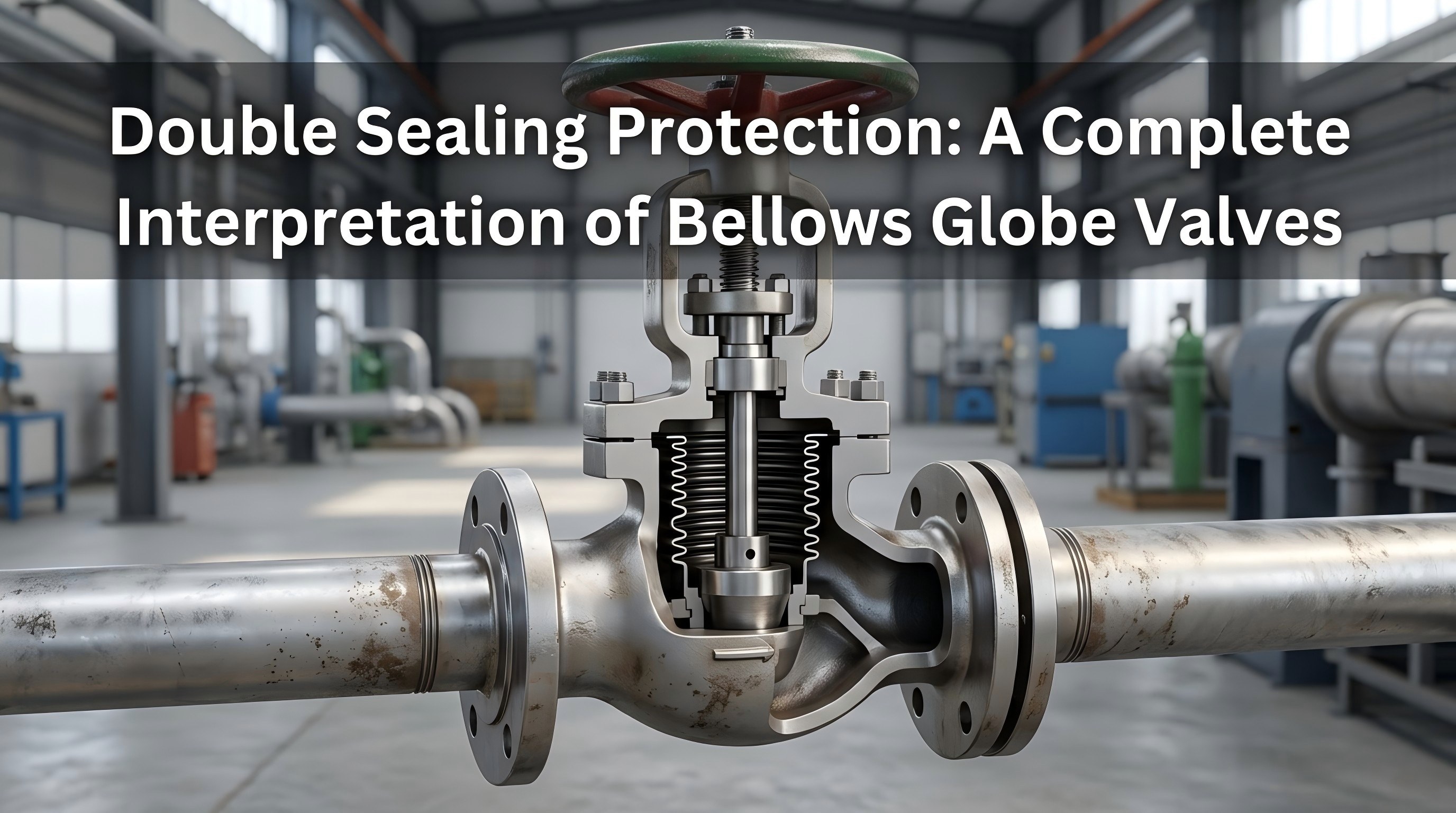 Double Sealing Protection: A Complete Interpretation of Bellows Globe Valves
  End-Suction Pump vs Inline Pumps: Which One Is Right for You?
  Method of Selecting Valve Types Based on Throttling Degree