
How to choose a valve for a steam line
author: ATHENA GROUP
2022-11-12

The steam valve is different from other valves. The steam valve has its particularity, usage habits and installation standards, which all determine the particularity of the design and selection of the steam valve. The selection and operation of the steam boiler, the selection and installation of the steam pipeline, the supporting heat exchange equipment and the management level of the factory must be at the same level as the selection of the steam valve.
The selection of steam valves should first consider the pressure level, temperature requirements, design standards, etc. of the steam system. The design pressure of the general industrial steam system starts at 16 kg. The domestic general light industry steam pipeline design standard is the German standard or DN standard. Some petrochemical industry or American standard enterprises will adopt American standard (also called ASMI). Designs and requirements vary widely, and American Standard valves are difficult to install in German Standard piping, and vice versa. Similarly, the PN40 steam valve installed on the PN16 steam pipeline also needs to be adjusted and confirmed.
Steam valve is a big concept. Specializing in the production of steam pressure reducing valves and safety valves often does not specialize in the production of steam traps or steam regulating valves; generally, there are special production steam bellows stop valves, and there are also control valves that are good at producing temperature and pressure regulating valves. production plant.
Steam valves not only have to face the problems of high temperature and high pressure, thermal stress, thermal expansion, etc., but also must pay attention to the erosion and cavitation caused by the two-phase flow. Therefore, the valve core and seat material, heat treatment, hardening, and sealing accuracy of steam valves are completely different from other valves.
Steam valves belong to pressure pipeline components. Regardless of valve production, TS certificates must be obtained, and valve installation requires pressure pipeline installation qualifications. Some special valves, such as safety valves, also require special equipment production licenses.
Many steam valves require strict selection. Typical applications, such as steam pressure reducing valves or regulating valves, must be selected one-to-one according to flow, pressure difference, and load changes. Watt Energy believes that a steam valve that is simply selected according to the diameter of the steam pipeline will often cause problems in use.
For steam traps, it is even more difficult to install the diameter of the steam pipeline to select the type. The steam traps installed on the steam pipeline and the heat exchanger are likely to be different types of traps. Even installed on a heat exchanger, different traps are used depending on the application, heating and control method. Float traps, inverted bucket traps, bimetal traps, membrane traps, and disc traps all have different principles and suitable applications.
The installation of the steam valve is as important as the selection. Good upstream and downstream matching, insulation, support, correct installation distance and orientation requirements will all affect the use of the steam valve.
General steam valves need good thermal insulation. On the one hand, it avoids the accumulation of condensed water caused by heat dissipation and causes valve dysfunction. On the other hand, the surface of the high temperature valve body is easy to be scalded. A professional insulation jacket suitable for disassembly can play a very good role.
The purchase and selection of steam valves is a professional mode of purchase. Learning and understanding the knowledge of steam system valves can reduce the mistakes in the selection of steam valves, and effectively ensure that suitable steam valves are selected, used and managed well.
The design and selection of steam valves are often closely related to the energy consumption, safety, and maintenance cycle of the steam system, and must be paid attention to.
 How Does a Ball Type Check Valve Prevent Pipeline Medium Backflow?
  Selection and Precautions for Natural Gas Valves
  Athena Engineering S.R.L Wraps‑up OGA 2026 Kuala Lumpur
  What is a Gate Valve? What is Its Working Principle?
  T-Type / T-Pattern / Straight Pattern Globe Valve
  Knife Gate Valve vs Wedge Gate Valve: Which Is Better for Your Industrial Piping?
  Cryogenic Ball Valve Comprehensive Product Overview
  Causes and Treatments for Poor Valve Shut‑Off
  Athena Triple Offset Butterfly Valves
  What is the Difference Between Swing Check Valve and NRV? A Complete Explanation
  Common Connection Types of Valves
  5 Piping Design Mistakes That Are Killing Your Valves
  Float Valve: Structure, Principle and Application
  High Pressure Needle Valve High-Precision Fluid Control Valve
  What is a Piston Check Valve?
  Meet Us at OGA 2026 | Booth 6802, Hall 6
  What is a Level Gauge? Working Principles, Types and Industrial Applications
 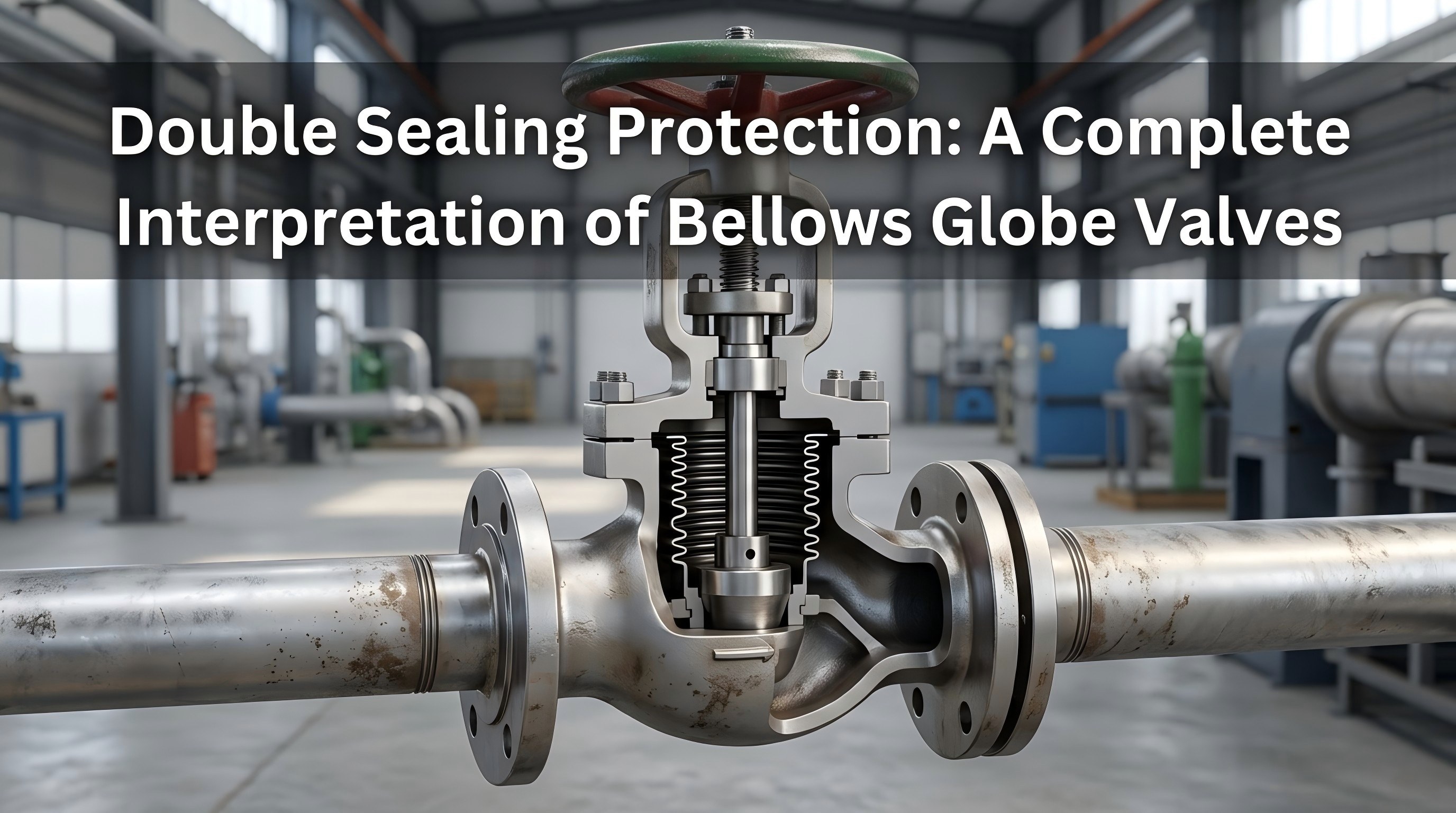 Double Sealing Protection: A Complete Interpretation of Bellows Globe Valves
  End-Suction Pump vs Inline Pumps: Which One Is Right for You?
  Method of Selecting Valve Types Based on Throttling Degree