
How Do You Test a Diaphragm Valve?
2025-07-22
Diaphragm valves are integral to industries such as pharmaceuticals, food & beverage, biotech, water treatment, chemical processing, and semiconductor manufacturing. Known for their hygienic sealing and fluid isolation design, these valves ensure clean operation and safety in applications where contamination or leakage could be catastrophic.
Testing diaphragm valves is a critical step to ensure safety, performance, and compliance. Whether it is during factory acceptance, on-site commissioning, or routine maintenance, tests verify that valves meet the required pressure ratings, sealing integrity, and operational function.
Italy-based Athena Engineering S.r.l., a leading manufacturer of high-quality diaphragm valves, is well-known for its rigorous testing protocols. Athena’s valves comply with international standards like ISO/EN 12266, ASME, and MSS-SP-88 and undergo a range of tests—from strength to leak detection—to guarantee reliability in demanding industries.
This article explains how diaphragm valves are tested, the standards involved, and what users should expect from suppliers like Athena S.r.l.

Why Testing a Diaphragm Valve Is Crucial
Diaphragm valves operate using a flexible diaphragm that isolates the process fluid from the bonnet and actuator. This design is highly effective for hygienic and corrosive environments, but the diaphragm and seat must be leak-free and capable of handling system pressure.
Key reasons for testing:
Leak Prevention: Even a minor diaphragm or seat leak can compromise product quality in sterile processes or cause hazardous spills in chemical systems.
Structural Integrity: Pressure tests confirm that the valve body and bonnet can withstand operational and design pressures.
Operational Safety: Ensures valve closure and opening functions as expected under pressure, preventing unexpected failures.
Regulatory Compliance: Many industries (e.g., pharmaceuticals) require certified test records for equipment validation.
Without proper testing, diaphragm valves can lead to contamination, downtime, or safety hazards. Reliable suppliers like Athena Engineering S.r.l. include full test certifications with every valve shipped.
Testing Standards & Concepts
1. Strength (Shell) Testing
The strength test (also called shell test) verifies that the valve body and bonnet can withstand internal pressure without distortion or rupture. It involves filling the valve with a test fluid (usually water) and pressurizing it to 1.5× the maximum allowable working pressure for a specified duration (e.g., 2–3 minutes).
This test does not evaluate sealing capability; instead, it checks that the body material and welds have sufficient strength.
2. Tightness (Seat) Testing
The seat tightness test focuses on the valve’s sealing ability. With the diaphragm closed, test fluid or gas is pressurized into one side of the valve. Any leakage past the diaphragm into the outlet is measured. The acceptable leak rate is often zero or within very tight limits for hygienic or high-purity systems.
3. Leak Detection Methods
Depending on the industry, different leak detection techniques may be employed:
Bubble Testing: Applying a soapy solution to joints and observing for bubbles as pressure is applied.
Pressure Decay: Pressurizing the valve, isolating it, and monitoring for pressure drop over time.
Helium Leak Testing: Used for ultra-high-purity valves. Helium is introduced into the valve, and any escaping gas is detected using a mass spectrometer. This method can detect leaks as small as 1×10^-9 cc/sec.
Detailed Testing Procedures for Diaphragm Valves
1. Strength Test Procedure
The valve is fully assembled with the diaphragm installed.
All ports are plugged except for the pressure inlet.
The valve cavity is filled with water or an inert test fluid to eliminate air pockets.
Pressure is slowly applied to 1.5× the maximum working pressure.
The pressure is held for at least 2–3 minutes while technicians visually inspect the body and bonnet for leaks or distortion.
Athena S.r.l. uses calibrated test benches to ensure accurate pressure application and holding time. Third-party inspection can also be accommodated for customers needing independent verification.
2. Seat Tightness Test Procedure
The valve is closed by actuating the diaphragm fully onto the seat.
Pressure is applied upstream to the rated pressure (or 1.1× the maximum working pressure for seat tests).
The downstream side is monitored for leakage using pressure gauges or bubble detectors.
Valves for hygienic applications must demonstrate zero visible leakage.
Athena S.r.l.’s diaphragm valves are designed with optimized diaphragm seating profiles that guarantee tight sealing under test and service conditions.
3. Additional Leak Test Options
In industries like semiconductor or biotech, leak requirements are extremely stringent.
Helium Leak Testing: Athena offers helium mass spectrometer leak testing for its ultra-high-purity diaphragm valves. This method verifies sealing to a level far exceeding typical industry standards.
Functional Testing: Actuating the valve multiple times under test pressure confirms that the diaphragm reseats correctly and that the actuator operates smoothly.
Inspection & Operating Tests
Testing goes beyond simply applying pressure. Additional checks ensure the valve’s mechanical reliability and functional performance:
Actuator Stroke & Alignment: Verify that manual, pneumatic, or electric actuators open and close smoothly without binding.
Visual Inspection: Check for casting defects, diaphragm surface irregularities, and body cleanliness.
Leakage Between Diaphragm and Bonnet: Ensure the diaphragm edge and bonnet gasket seal perfectly, as this is a common leak point.
Torque Verification: For manual valves, confirm the torque required to close is within acceptable limits.
Athena’s inspection teams carry out these tests on every valve, guaranteeing that units meet both mechanical and operational standards.
Athena Engineering S.r.l.: Testing Practices & Valve Quality
Athena Engineering S.r.l. is a benchmark supplier in the diaphragm valve market, recognized for rigorous quality control:
Compliance with ISO/EN 12266 & ASME standards for both shell and seat tests.
Advanced leak testing: helium mass spectrometry for valves used in ultra-pure water (UPW), semiconductor, or high-purity pharmaceutical lines.
Zero-Dead-Leg Designs: Athena’s hygienic diaphragm valves are tested to ensure full drainability, a critical requirement for clean-in-place (CIP) and sterilize-in-place (SIP) systems.
Traceable Quality Documentation: Every valve ships with full test certificates, serial numbers, and material traceability reports.
Customization: Testing parameters can be tailored to meet customer or regulatory requirements, including third-party witness testing.
These practices set Athena apart in industries where failure is not an option.
User Guidance on Selecting & Verifying Valve Tests
As a user, it is essential to understand what tests your valves undergo before installation:
Ask for Test Certificates: These should list test type, pressure, holding time, and leak rate.
Verify Diaphragm Compatibility: Test fluids and pressures must be compatible with the installed diaphragm material.
Confirm Leak Detection Method: For sensitive processes, helium or tracer gas testing may be necessary.
Request Witness Testing: High-stakes industries (e.g., pharmaceuticals) may require your own staff or third-party inspectors to witness tests at the supplier’s facility.
Athena S.r.l. readily provides test records and supports customer-specific validation requirements.
Maintenance & Periodic Testing
Testing isn’t limited to the manufacturing stage. Valves should be re-tested periodically or after major maintenance:
Routine Leak Checks: Apply bubble test or pressure decay checks during preventive maintenance.
Functional Testing: Cycle valves to verify the diaphragm reseats properly and that actuators respond correctly.
Partial Stroke Testing: For automated valves, partial-stroke tests simulate movement without disrupting process flow.
Diaphragm Replacement: After replacing diaphragms, repeat seat and leak tests to confirm proper installation.
Athena’s modular valve design makes diaphragm replacement and re-testing straightforward, reducing downtime in critical processes.
Validation in Hygienic and Regulated Industries
In industries like pharmaceuticals, food, and biotech, diaphragm valve testing must meet rigorous validation requirements:
Zero Dead-Leg Testing: Ensures valves drain completely and do not trap residue.
CIP/SIP Testing: Valves must maintain seal integrity during high-temperature sterilization cycles.
Helium Leak Testing: Ensures no contamination in ultra-pure environments.
Surface Finish Verification: Hygienic valves are tested for internal surface roughness (e.g., Ra < 0.5 μm).
Athena S.r.l.’s hygienic valve range is designed with these requirements in mind. Their valves are manufactured with polished 316L stainless steel and PTFE-lined diaphragms, and every unit is tested and documented to meet regulatory standards.
Summary & Recommended Checklist
Key Takeaways
Diaphragm valves must undergo strength (shell), seat (tightness), and leak detection tests before use.
Test methods include water pressure, pressure decay, bubble testing, and helium leak detection.
Additional operational checks—like actuator stroke and diaphragm edge sealing—are essential for reliability.
Suppliers like Athena Engineering S.r.l. stand out by offering full test documentation, advanced leak testing options, and global support.
Buyer Checklist
✅ Confirm pressure rating and test pressure levels.
✅ Request certified test reports for shell and seat testing.
✅ Verify leak detection method meets your industry’s requirements.
✅ Ask about CIP/SIP testing for hygienic systems.
✅ Ensure spare diaphragms and re-testing protocols are available.
Why Choose Athena Engineering S.r.l.
Athena S.r.l.’s diaphragm valves are trusted worldwide for their robust design, advanced sealing technology, and uncompromising testing protocols. From standard industrial models to ultra-high-purity valves capable of helium leak rates < 1×10^-9 cc/sec, Athena delivers quality and reliability.
With modular designs, zero-dead-leg options, and comprehensive quality documentation, Athena is a partner you can depend on for critical applications in pharmaceuticals, food & beverage, water treatment, and beyond.
Contact Athena Engineering S.r.l. for guidance on valve testing, certifications, and selecting the right diaphragm valve for your system.
 How Does a Ball Type Check Valve Prevent Pipeline Medium Backflow?
  Selection and Precautions for Natural Gas Valves
  Athena Engineering S.R.L Wraps‑up OGA 2026 Kuala Lumpur
  What is a Gate Valve? What is Its Working Principle?
  T-Type / T-Pattern / Straight Pattern Globe Valve
  Knife Gate Valve vs Wedge Gate Valve: Which Is Better for Your Industrial Piping?
  Cryogenic Ball Valve Comprehensive Product Overview
  Causes and Treatments for Poor Valve Shut‑Off
  Athena Triple Offset Butterfly Valves
  What is the Difference Between Swing Check Valve and NRV? A Complete Explanation
  Common Connection Types of Valves
  5 Piping Design Mistakes That Are Killing Your Valves
  Float Valve: Structure, Principle and Application
  High Pressure Needle Valve High-Precision Fluid Control Valve
  What is a Piston Check Valve?
  Meet Us at OGA 2026 | Booth 6802, Hall 6
  What is a Level Gauge? Working Principles, Types and Industrial Applications
 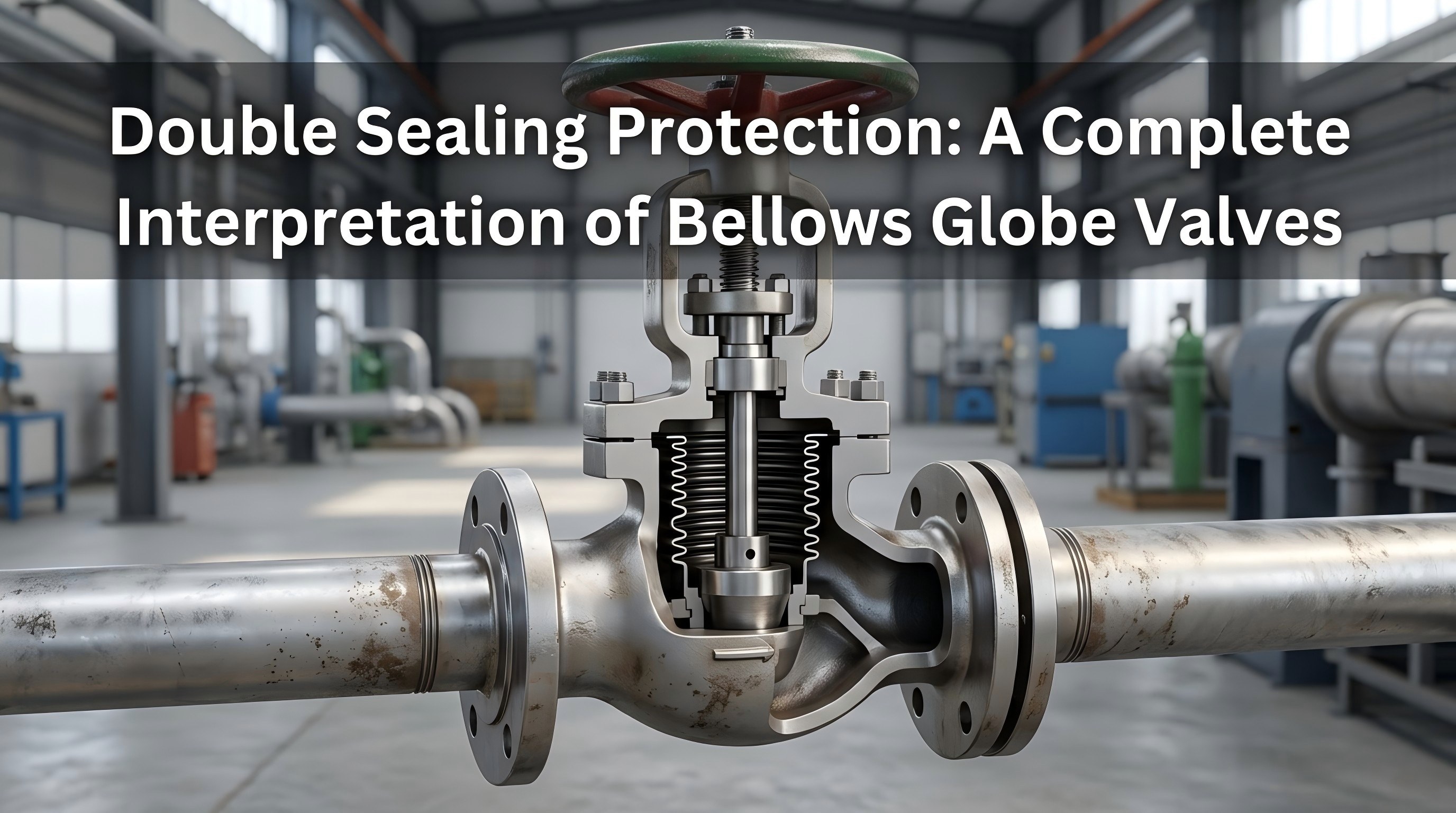 Double Sealing Protection: A Complete Interpretation of Bellows Globe Valves
  End-Suction Pump vs Inline Pumps: Which One Is Right for You?
  Method of Selecting Valve Types Based on Throttling Degree