
Gate Valve vs Butterfly Valve
author: ATHENA GROUP
2025-08-04

In the field of fluid control systems, valves play a crucial role in regulating the flow rate, pressure, and direction of various fluids. Gate valves and butterfly valves are two commonly used types of valves, each with its own characteristics, advantages, and application scenarios. In this article, we will conduct a detailed comparison between gate valves and butterfly valves, which can help you choose the right valve when you have specific needs.
Ⅰ.Working Principles
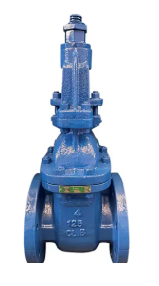
Gate Valve
A gate valve operates by using a sliding gate or disc to control the flow of fluid. When the valve is opened, the gate is lifted vertically, creating a clear passage for the fluid to flow through. In the closed position, the gate is lowered to seal against the valve seat, preventing any fluid from passing. This linear motion of the gate provides a tight shut-off, making gate valves suitable for applications where a complete stop of fluid flow is required. Athena Engineering S.R.L's gate valves are engineered with precision, ensuring smooth and reliable gate movement. Our advanced manufacturing techniques guarantee that the gate lifts and lowers effortlessly, maintaining a consistent seal over time, even in the most demanding industrial environments.
Butterfly Valve
A butterfly valve, on the other hand, features a circular disc that rotates around a central shaft. When the valve is open, the disc is parallel to the flow direction, allowing fluid to pass with minimal resistance. To close the valve, the disc is rotated 90 degrees until it is perpendicular to the flow, blocking the passage. The rotational motion of the disc enables quick opening and closing, making butterfly valves ideal for applications that require rapid flow control. Athena Engineering S.R.L's butterfly valves stand out with their high - quality disc and shaft construction. The disc is designed to be lightweight yet durable, facilitating fast rotation while withstanding high - velocity fluid flows. The shaft is made from robust materials, ensuring stable operation and long - term reliability.
Ⅱ.Structural Features

Gate Valve
Gate valves typically have a more complex structure compared to butterfly valves. They consist of a body, bonnet, gate, stem, and packing. The gate can be either a solid piece or segmented, depending on the application requirements. The stem is used to raise and lower the gate, and the packing is designed to prevent leakage around the stem. Gate valves are often larger and heavier due to their robust construction, which is necessary to handle high pressures and large diameter pipelines. Athena Engineering S.R.L's gate valves are crafted with a focus on durability and functionality. Their bodies are made from top - grade materials, such as high - strength cast iron or stainless steel, depending on the application's pressure and corrosion resistance needs. The packing in their gate valves is of the highest quality, providing excellent protection against leakage, even in high - pressure scenarios.
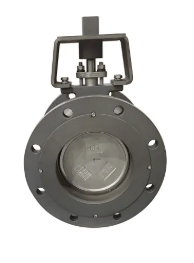
Butterfly Valve
Butterfly valves have a relatively simple and compact structure. They are composed of a body, disc, shaft, and seals. The body is usually lightweight and has a short face - to - face dimension, making them easy to install in tight spaces. The disc is attached to the shaft, which is supported by bearings. The seals are located between the disc and the body to ensure a tight seal when the valve is closed. The simplicity of the butterfly valve design results in lower manufacturing costs and easier maintenance. Athena Engineering S.R.L takes advantage of this simple design and enhances it further. Our butterfly valve bodies are designed to be not only lightweight but also highly resistant to corrosion. The seals used are of advanced materials, offering superior sealing performance and longevity, reducing the need for frequent replacements.
Ⅲ.Performance Characteristics
Flow Resistance
When fully open, gate valves have relatively low flow resistance because the gate is lifted out of the flow path, creating an unobstructed passage. This makes them suitable for scenarios requiring high flow rates with minimal pressure loss. However, during the opening and closing process, the gate may cause some turbulence, thereby temporarily increasing the flow resistance.Butterfly valves also have low flow resistance when in the open position, as the disc is parallel to the direction of fluid flow. The streamlined design of the disc further reduces the pressure drop across the valve. In fact, butterfly valves are renowned for their excellent flow characteristics, particularly in large-diameter pipelines. But compared to gate valves, when the disc is in a partially open position, butterfly valves may have higher flow resistance because the disc can disrupt the fluid flow to a certain extent.
Ⅳ.Applications
Gate Valve Applications
Gate valves are widely used in scenarios requiring reliable shut-off, such as pipelines transporting oil, natural gas, water, and steam. In power generation facilities, gate valves are common and mainly used to control the flow of steam to turbines and other equipment. They are also found in the oil and gas industry—for instance, in wellheads, pipelines, and refineries, where they are often used to isolate specific sections of the system for maintenance or repair. Additionally, gate valves are a common choice for industrial processes that do not require precise control of fluid flow but have extremely high demands for tight sealing.
The gate valves from Athena Engineering S.R.L have been successfully put into use in numerous power plants worldwide. Their ability to provide reliable shut-off in steam pipelines effectively ensures the efficient operation of turbines. In the oil and gas industry, the company's valves are applied in wellheads and pipelines, offering a safe isolation solution for maintenance and repair work.
Butterfly Valve Applications
Butterfly valves are used in a variety of applications due to their versatility and cost - effectiveness. They are commonly used in water and wastewater treatment plants to control the flow of water, sludge, and chemicals. In HVAC systems, butterfly valves are used to regulate the flow of air and water, ensuring proper temperature and humidity control. Butterfly valves are also widely used in the food and beverage industry, as they can be easily cleaned and are suitable for handling corrosive fluids. In addition, butterfly valves are often used in applications where quick opening and closing are required, such as in emergency shut - off systems. Athena Engineering S.R.L's butterfly valves are a popular choice in water treatment plants. Their ability to control the flow of water and sludge efficiently has made them an integral part of the treatment process.
Ⅴ.Conclusion
In conclusion, both gate valves and butterfly valves have their own unique advantages and application scenarios. Gate valves are renowned for their excellent sealing performance, low flow resistance when fully open, and ability to withstand high pressures and temperatures. They are suitable for scenarios requiring reliable shut-off, such as in the oil and gas industry and power generation facilities. Butterfly valves, on the other hand, boast advantages like a simple and compact structure, quick opening and closing, and excellent flow characteristics. They are often used in scenarios that emphasize cost-effectiveness, versatility, and rapid flow control, such as water treatment plants, HVAC systems, and the food and beverage industry.When choosing between a gate valve and a butterfly valve, it is necessary to comprehensively consider factors such as specific application requirements, operating conditions, flow characteristics, sealing performance, pressure and temperature ratings, and cost. By carefully evaluating these factors, you can select the valve that best meets your needs and provides reliable and efficient fluid control for your system.When making this crucial decision, consider the high-quality, reliable, and innovative valve solutions offered by Athena Engineering S.R.L. Our extensive range of gate and butterfly valves, coupled with our firm commitment to quality and customer satisfaction, makes us the preferred partner for all your fluid control needs.
Welcome to click and view more of our products!
 How Does a Ball Type Check Valve Prevent Pipeline Medium Backflow?
  Selection and Precautions for Natural Gas Valves
  Athena Engineering S.R.L Wraps‑up OGA 2026 Kuala Lumpur
  What is a Gate Valve? What is Its Working Principle?
  T-Type / T-Pattern / Straight Pattern Globe Valve
  Knife Gate Valve vs Wedge Gate Valve: Which Is Better for Your Industrial Piping?
  Cryogenic Ball Valve Comprehensive Product Overview
  Causes and Treatments for Poor Valve Shut‑Off
  Athena Triple Offset Butterfly Valves
  What is the Difference Between Swing Check Valve and NRV? A Complete Explanation
  Common Connection Types of Valves
  5 Piping Design Mistakes That Are Killing Your Valves
  Float Valve: Structure, Principle and Application
  High Pressure Needle Valve High-Precision Fluid Control Valve
  What is a Piston Check Valve?
  Meet Us at OGA 2026 | Booth 6802, Hall 6
  What is a Level Gauge? Working Principles, Types and Industrial Applications
  Double Sealing Protection: A Complete Interpretation of Bellows Globe Valves
  End-Suction Pump vs Inline Pumps: Which One Is Right for You?
  Method of Selecting Valve Types Based on Throttling Degree