
Full Bore Ball Valve: Comprehensive Guide for Selection and Use
The full bore ball valve, also referred to as a full port ball valve, is a vital component in numerous industrial systems. Its design ensures that the internal bore is the same size as the connected pipeline, allowing for a consistent, unrestricted flow of liquids or gases. In this guide, we’ll answer common questions about full bore ball valves, explore their applications, and help you understand how to choose the right valve for your needs.

What Is a Full Bore Ball Valve?
A full bore ball valve is a type of valve that maintains an internal bore size equal to the diameter of the pipe. This design provides a significant advantage in terms of fluid flow as it minimizes turbulence, reduces pressure drops, and prevents cavitation. Full bore ball valves are typically used in systems where maintaining high flow rates and minimal pressure loss are critical.
Key Features and Benefits
Uninterrupted Flow: One of the primary advantages of a full bore ball valve is its ability to allow full flow without restriction. This feature is crucial in processes where maintaining consistent flow rates is essential, such as in oil and gas pipelines or chemical processing systems.
Minimal Pressure Drop: The absence of a reduced bore means that fluids or gases can pass through the valve without encountering any obstructions. This ensures a minimal pressure drop across the valve, which is beneficial for high-flow systems.
Reduced Cavitation Risk: Cavitation occurs when vapor bubbles form in a fluid due to a sudden drop in pressure, causing damage to the valve and piping system. Full bore ball valves help reduce this risk by ensuring smooth, unobstructed flow.
Energy Efficiency: Due to their minimal flow resistance, full bore ball valves contribute to energy savings, especially in large industrial systems. Less energy is required to pump fluids through a system with full bore valves, making them a cost-effective solution over time.
Common Applications of Full Bore Ball Valves
Full bore ball valves are used across a wide range of industries, thanks to their versatility and efficiency. Some common applications include:
Oil and Gas Industry: Full bore ball valves are widely used in oil and gas pipelines where consistent flow and minimal pressure drops are crucial for safe and efficient operation. They are especially valuable in transfer operations and control systems.
Chemical Processing: In chemical plants, these valves play an important role in regulating the flow of fluids, particularly in systems where avoiding contamination or material buildup is a priority.
Water Treatment Systems: Full bore ball valves are commonly used in water treatment facilities, ensuring smooth flow without the risk of pressure loss or cavitation. Their resistance to corrosion also makes them ideal for these environments.
HVAC Systems: Heating, ventilation, and air conditioning (HVAC) systems often rely on full bore ball valves to regulate the flow of water and refrigerants, ensuring system efficiency and minimizing energy costs.
Automotive Industry: These valves are frequently used in fuel lines to control the flow of gasoline or diesel. Their ability to handle high flow rates without causing turbulence makes them ideal for maintaining smooth fuel delivery.
How to Choose the Right Full Bore Ball Valve
When selecting a full bore ball valve, it’s important to consider several factors to ensure the valve meets your system’s requirements:
1. Material Selection
The material of the valve is a crucial factor in determining its compatibility with the fluid or gas being transported. For corrosive environments, stainless steel or PVC valves are preferred, as they offer excellent resistance to chemical damage. For high-pressure or high-temperature applications, carbon steel or alloy materials may be more appropriate.
2. Size and Flow Requirements
The size of the valve must match the internal diameter of your piping system to maintain uninterrupted flow. If the valve is too small, it may restrict flow, leading to increased pressure drop and reduced efficiency. Always ensure that the full bore valve matches the diameter of your pipes for optimal performance.
3. Pressure and Temperature Ratings
Selecting a valve with the correct pressure and temperature ratings is critical, especially in industrial systems that operate under extreme conditions. Valves with higher pressure ratings are necessary for systems like oil and gas pipelines, while temperature resistance is crucial in chemical processing or steam applications.
4. End Connections
The type of end connection—flanged, threaded, or welded—will impact the installation and maintenance of the valve. Flanged connections are easier to remove and maintain, while welded connections provide a more permanent solution. Choose the connection type that best suits your system’s operational needs.
5. Automation
Some systems benefit from automated valve control, especially in environments that require precise flow regulation or remote operation. Full bore ball valves can be fitted with electric or pneumatic actuators, allowing for enhanced control and monitoring of fluid or gas flow.
Installation and Maintenance
To ensure the longevity and proper functioning of your full bore ball valve, it’s essential to follow best practices for installation and maintenance.
Installation Tips:
1. Ensure proper alignment with the piping system to avoid strain on the valve body.
2. Use appropriate sealing materials to prevent leaks, especially in high-pressure applications.
3. Follow the manufacturer’s instructions for installation to avoid damaging the valve or connected equipment.
Maintenance Tips:
1. Regularly inspect the valve for signs of wear, corrosion, or leaks. Address any issues promptly to avoid system failure.
2. Lubricate the valve components as required to ensure smooth operation.
3. Periodically test the valve’s performance to confirm that it opens and closes properly without resistance.
Conclusion: Why Choose Athena’s Full Bore Ball Valves?
When selecting a full bore ball valve, choosing a reliable and high-quality supplier is key to ensuring optimal performance and longevity. Athena, a reputable valve manufacturer, offers a wide range of full bore ball valves designed to meet the demands of various industries, including oil and gas, chemical processing, and water treatment.
Athena’s full bore ball valves are built with precision engineering and high-quality materials, ensuring durability, corrosion resistance, and minimal maintenance requirements. By choosing Athena, you benefit from competitive pricing, excellent customer support, and a commitment to delivering products that meet international standards.
In summary, full bore ball valves offer significant advantages in terms of flow efficiency, energy savings, and system longevity. Whether you’re dealing with high-pressure systems in the oil and gas industry or regulating water flow in treatment plants, full bore ball valves are an indispensable component of any high-performance piping system. And with Athena’s reliable and cost-effective solutions, you can ensure that your systems continue to run smoothly for years to come.
 How Does a Ball Type Check Valve Prevent Pipeline Medium Backflow?
  Selection and Precautions for Natural Gas Valves
  Athena Engineering S.R.L Wraps‑up OGA 2026 Kuala Lumpur
  What is a Gate Valve? What is Its Working Principle?
  T-Type / T-Pattern / Straight Pattern Globe Valve
  Knife Gate Valve vs Wedge Gate Valve: Which Is Better for Your Industrial Piping?
  Cryogenic Ball Valve Comprehensive Product Overview
  Causes and Treatments for Poor Valve Shut‑Off
  Athena Triple Offset Butterfly Valves
  What is the Difference Between Swing Check Valve and NRV? A Complete Explanation
  Common Connection Types of Valves
  5 Piping Design Mistakes That Are Killing Your Valves
  Float Valve: Structure, Principle and Application
  High Pressure Needle Valve High-Precision Fluid Control Valve
  What is a Piston Check Valve?
  Meet Us at OGA 2026 | Booth 6802, Hall 6
  What is a Level Gauge? Working Principles, Types and Industrial Applications
 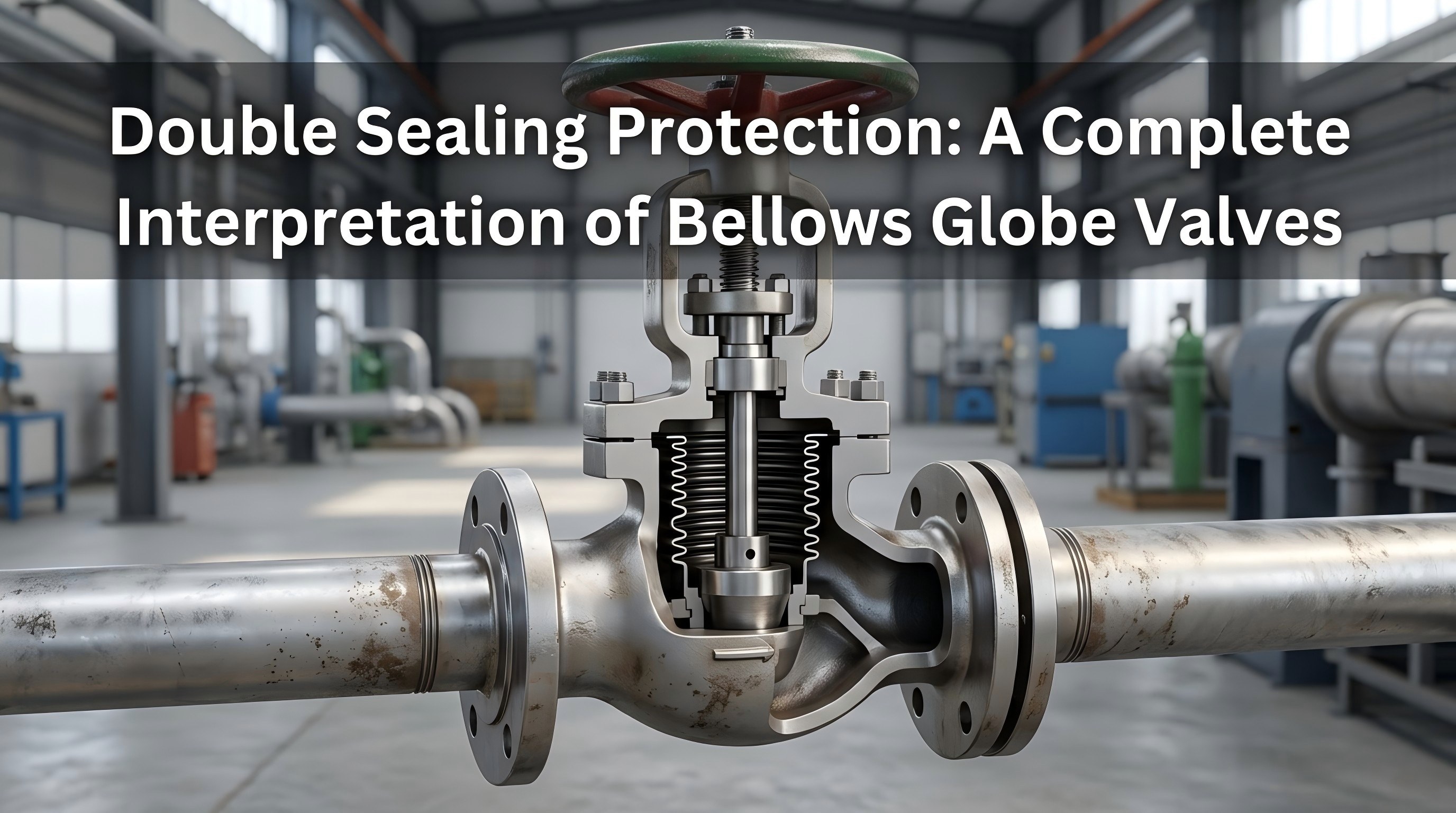 Double Sealing Protection: A Complete Interpretation of Bellows Globe Valves
  End-Suction Pump vs Inline Pumps: Which One Is Right for You?
  Method of Selecting Valve Types Based on Throttling Degree