
Flanged Swing Check Valves
author: ATHENA GROUP
2025-10-09
In the complex network of industrial piping systems, where fluid dynamics and operational safety intersect, the flanged swing check valve stands as a silent sentinel. Designed to prevent reverse flow and protect critical infrastructure, this valve type combines simplicity with reliability, making it indispensable across sectors ranging from oil and gas to water treatment. At Athena Engineering S.R.L, we elevate this essential component to new heights, blending precision engineering with decades of expertise to deliver valves that redefine performance standards.
The Anatomy of a Flanged Swing Check Valve
A flanged swing check valve is distinguished by its robust structure, optimized for durability and efficiency. Its core components include:
- Valve Body: Crafted from high-grade materials such as carbon steel, stainless steel, or ductile iron, the body serves as the backbone, housing internal parts and facilitating flange connections to pipes. This design ensures secure integration into existing systems, minimizing leakage risks.
- Disc (Flap): The heart of the valve, a hinged disc swings open to allow forward flow and closes swiftly to block reverse flow. Its shape—often a flat or slightly contoured disc—is engineered to reduce pressure drop while ensuring a tight seal.
- Hinge Pin: A precision-machined pin connects the disc to the body, enabling smooth rotation. High-strength alloys are used here to withstand constant motion and corrosive environments.
- Seat: Typically made from resilient materials like PTFE or metal, the seat forms a leak-tight seal when the disc closes, preventing even minute reverse flow.
- Flanges: Bolted flanges at both ends ensure easy installation and maintenance, conforming to international standards (ANSI, DIN, BS) for universal compatibility.
How It Works: Efficiency in Motion
The functionality of a flanged swing check valve is elegantly straightforward yet highly effective. When fluid flows in the desired direction, pressure pushes the disc open, creating a clear path with minimal resistance. This low-pressure drop is critical for energy efficiency, as it reduces the load on pumps and compressors—especially in high-flow systems where even small pressure losses can escalate energy costs. Unlike other valve types that require external actuation, the swing check valve operates passively, relying solely on fluid dynamics, which eliminates the need for electrical or hydraulic controls and reduces failure points.
Notably, modern designs incorporate pressure-adaptive features. For instance, our valves are calibrated to adjust disc swing speed based on fluid pressure: in low-pressure scenarios, the disc opens gradually to avoid turbulence. Additionally, we integrate noise-dampening structures, like soft-seal buffers on the disc and streamlined valve body interiors, to minimize operational noise—a key advantage in urban water treatment plants or indoor industrial facilities where noise pollution is a concern.
In the event of reverse flow—caused by sudden pump shutdowns, pressure surges, or system failures—the disc swings shut by gravity and reverse fluid pressure, slamming closed in milliseconds to halt backflow. This rapid response prevents water hammer, pipe damage, and contamination, safeguarding expensive equipment and ensuring operational continuity.
Why Choose a Flanged Swing Check Valve?

Its versatility makes it a top choice for engineers:
- High Flow Capacity: The full-bore design allows maximum fluid passage, ideal for large-diameter pipelines (up to 60 inches and beyond).
- Easy Maintenance: Flanged connections simplify disassembly, enabling quick inspections or part replacements without disrupting the entire system.
- Adaptability: Suitable for horizontal and vertical installations (with upward flow), and compatible with liquids, gases, and steam.
- Cost-Effectiveness: Lower initial costs compared to other check valve types, paired with long service life, deliver exceptional value.
Athena Engineering S.R.L: Redefining Reliability
At Athena Engineering S.R.L, we don’t just manufacture flanged swing check valves—we engineer solutions tailored to your most demanding challenges. With a legacy of excellence spanning many years, our Italian-based facility combines traditional craftsmanship with cutting-edge technology to produce valves that outperform industry benchmarks.
What sets our valves apart?
- Premium Materials: We source only certified alloys, including 316 stainless steel for corrosive environments and duplex steel for high-pressure applications, ensuring resistance to wear, erosion, and chemical attack.
- Precision Manufacturing: Rigorous testing—including hydrostatic, pneumatic, and leakage tests—ensures every valve meets API, ASME, and ISO standards.
- Custom Solutions: Our engineering team collaborates with clients to design valves for unique (extreme temperatures, abrasive media, high viscosity fluids), turning complex requirements into tailored products.
- Global Support: We provide prompt technical assistance, spare parts, and maintenance guidance, ensuring your systems run seamlessly.
Whether you’re operating in a refinery, power plant, or municipal water network, Athena’s flanged swing check valves deliver peace of mind.
Applications Across Industries
Athena’s flanged swing check valves excel in diverse settings:
- Oil & Gas: Protecting pipelines from reverse flow in crude oil transport and natural gas processing.
- Power Generation: Preventing backflow in boiler feedwater systems and cooling loops.
- Water & Wastewater: Ensuring unidirectional flow in treatment plants and distribution networks.
- Chemical Processing: Handling aggressive media with corrosion-resistant materials.
Conclusion: Invest in Excellence
A flanged swing check valve is more than a component—it’s a critical line of defense for your infrastructure. Choosing Athena Engineering S.R.L means investing in reliability, efficiency, and innovation. Our valves are designed to perform under pressure, reduce downtime, and lower lifecycle costs, making them the smart choice for forward-thinking industries.
Contact us today to discuss your project needs. Let Athena Engineering S.R.L be your partner in engineering a safer, more efficient tomorrow.
Athena Engineering S.R.L—Where Precision Meets Performance.
 How Does a Ball Type Check Valve Prevent Pipeline Medium Backflow?
  Selection and Precautions for Natural Gas Valves
  Athena Engineering S.R.L Wraps‑up OGA 2026 Kuala Lumpur
  What is a Gate Valve? What is Its Working Principle?
  T-Type / T-Pattern / Straight Pattern Globe Valve
  Knife Gate Valve vs Wedge Gate Valve: Which Is Better for Your Industrial Piping?
  Cryogenic Ball Valve Comprehensive Product Overview
  Causes and Treatments for Poor Valve Shut‑Off
  Athena Triple Offset Butterfly Valves
  What is the Difference Between Swing Check Valve and NRV? A Complete Explanation
  Common Connection Types of Valves
  5 Piping Design Mistakes That Are Killing Your Valves
  Float Valve: Structure, Principle and Application
  High Pressure Needle Valve High-Precision Fluid Control Valve
  What is a Piston Check Valve?
  Meet Us at OGA 2026 | Booth 6802, Hall 6
  What is a Level Gauge? Working Principles, Types and Industrial Applications
 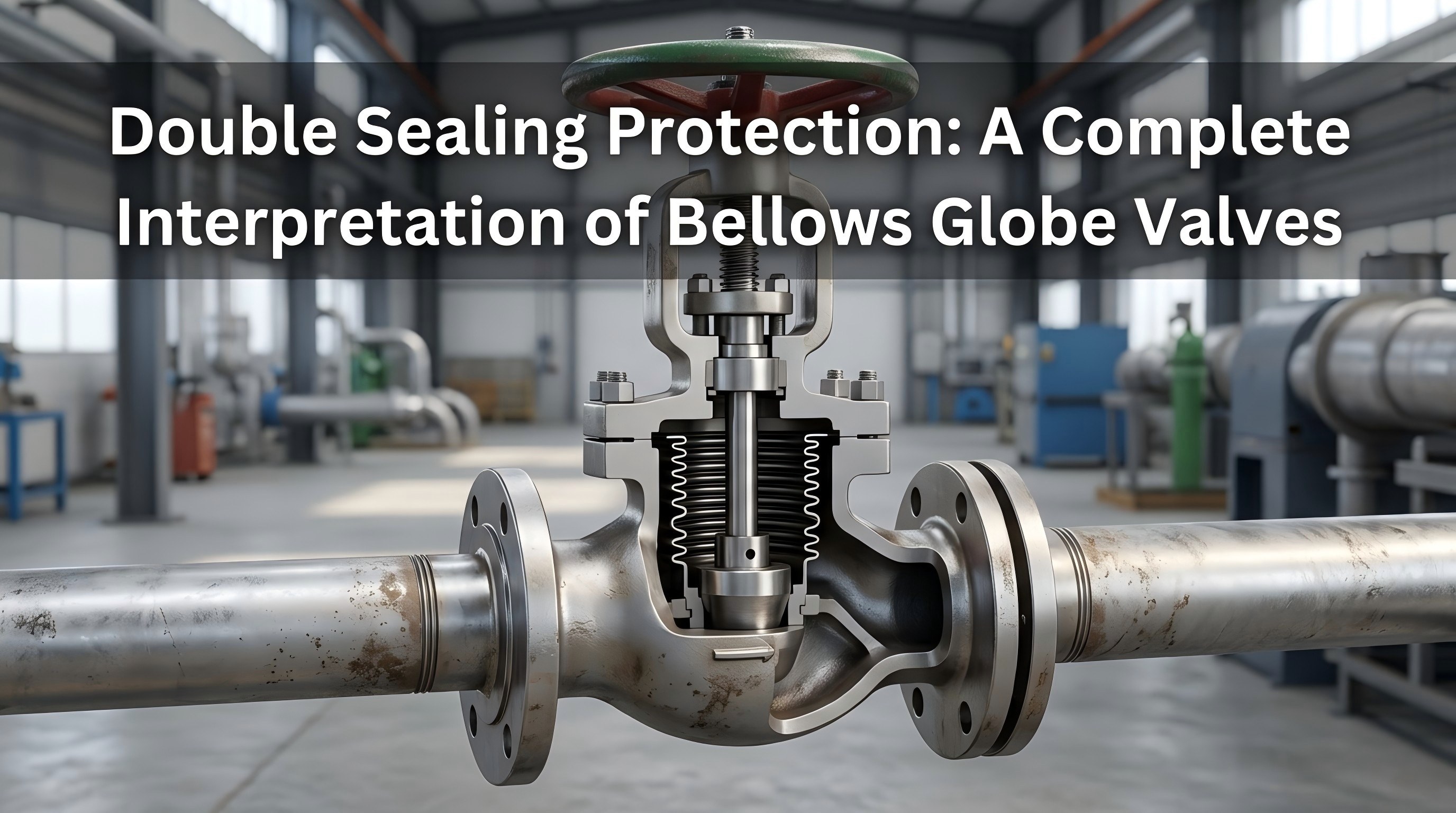 Double Sealing Protection: A Complete Interpretation of Bellows Globe Valves
  End-Suction Pump vs Inline Pumps: Which One Is Right for You?
  Method of Selecting Valve Types Based on Throttling Degree